
Last updated September 23, 2026
Free visual inspection and a written scope of work before any mitigation begins - photos, moisture readings, and drying logs go in your claim file
The scope we write is the scope we bill. Anything new gets shown to you, in writing, before we touch it.
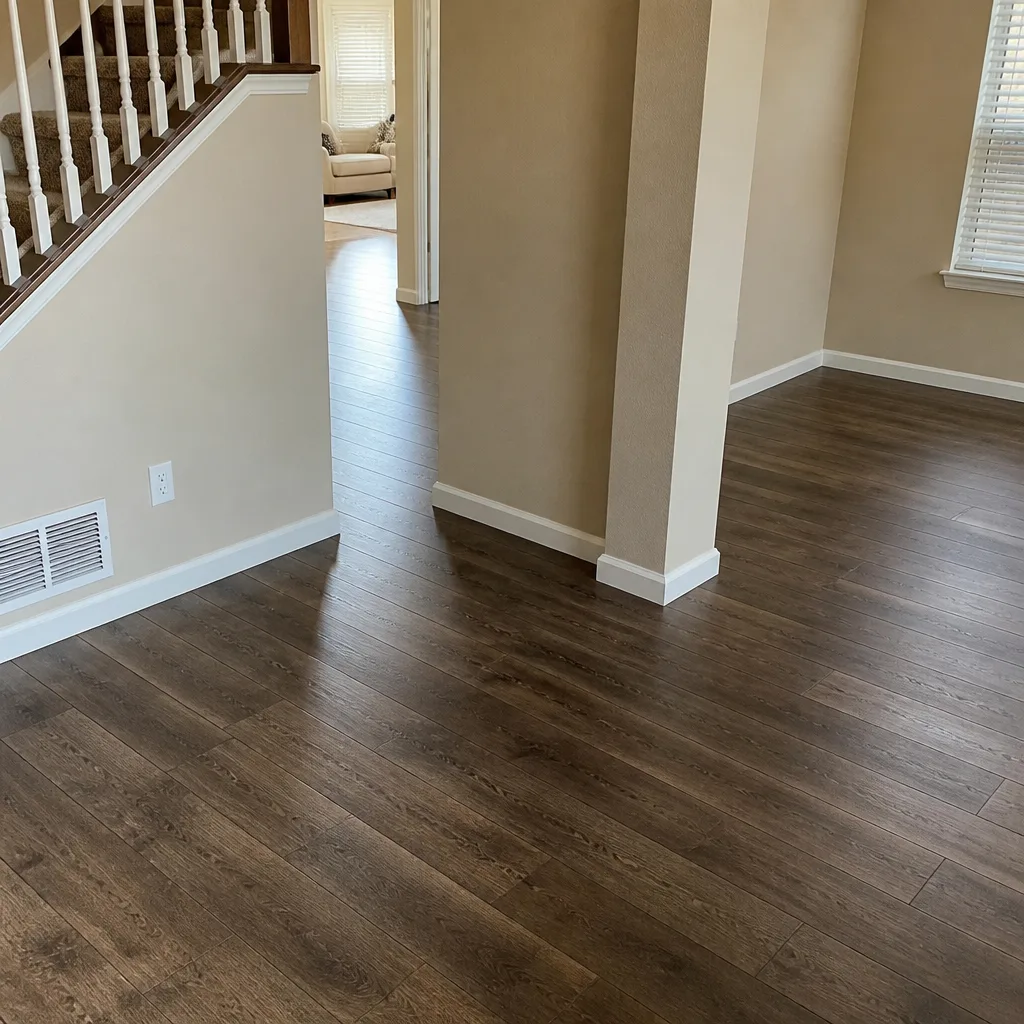
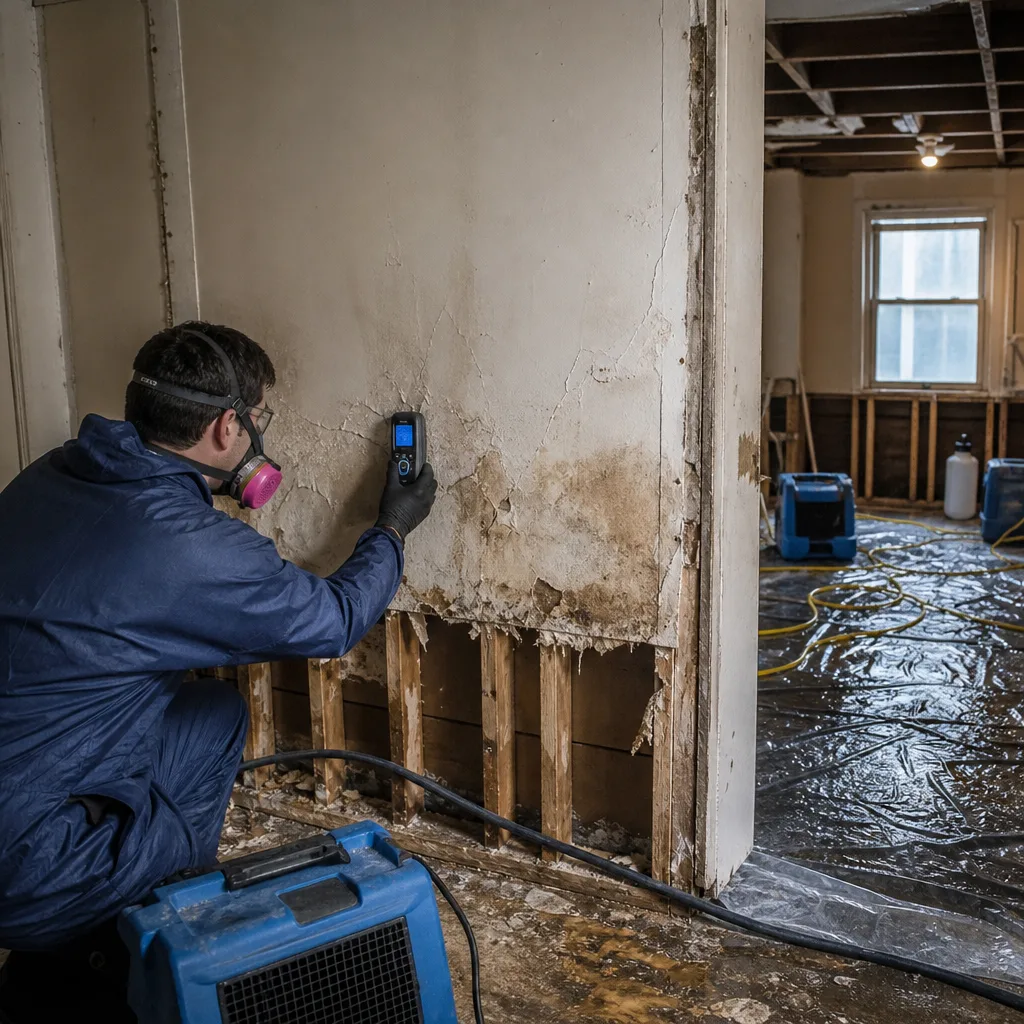 Before
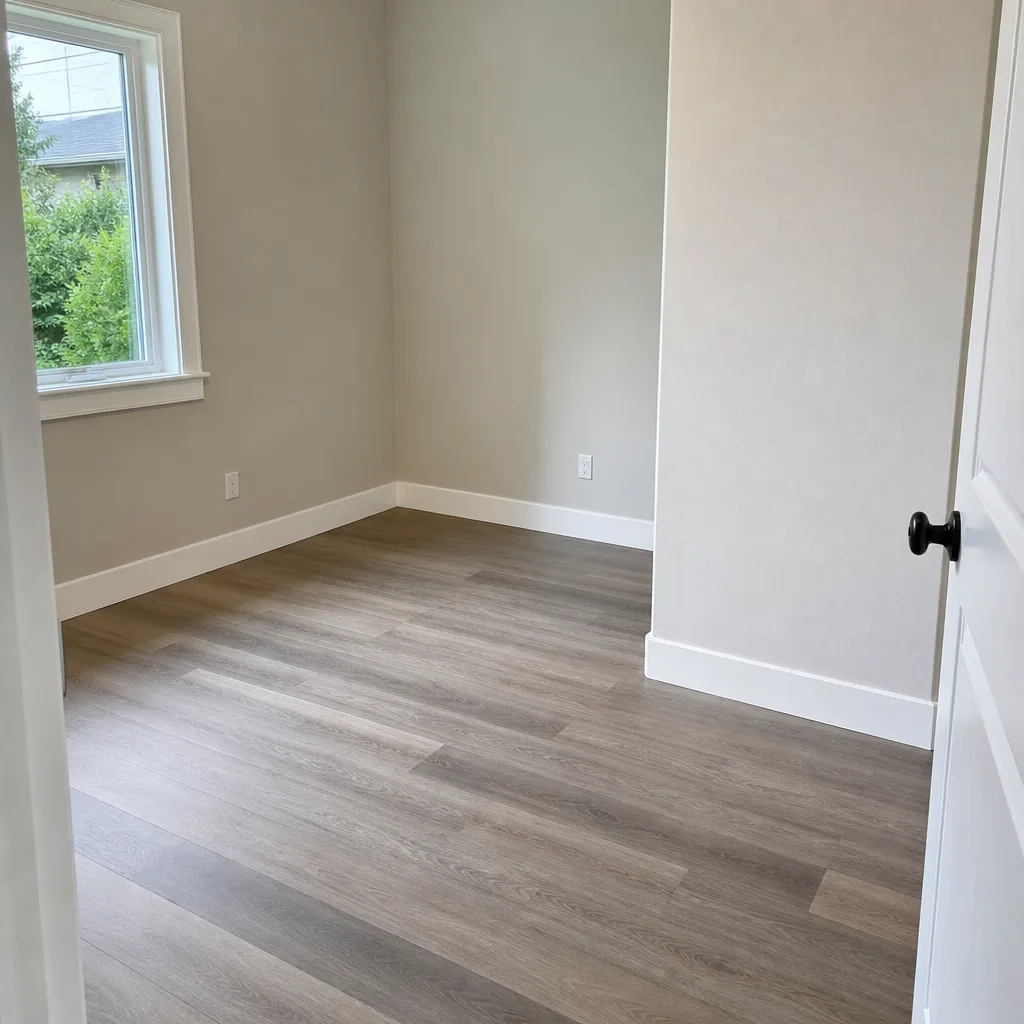 After
After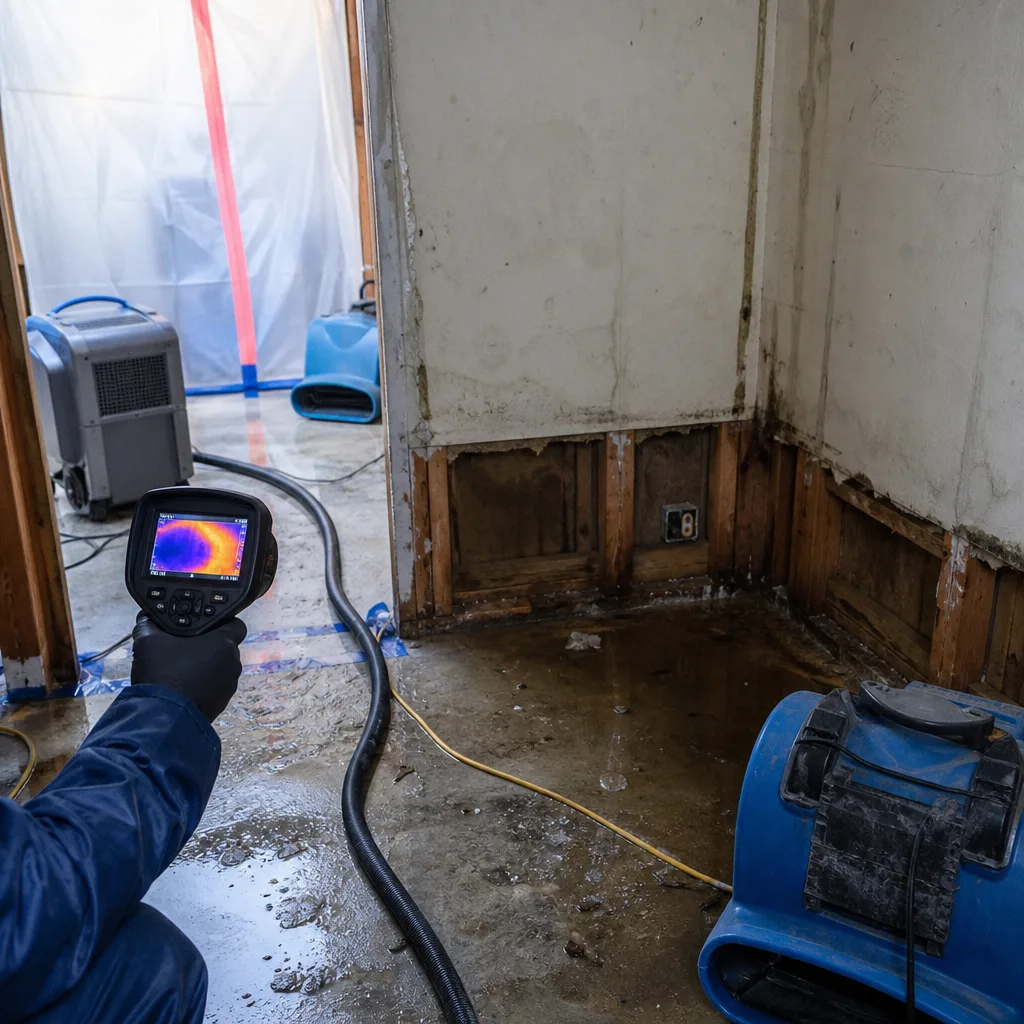 Before
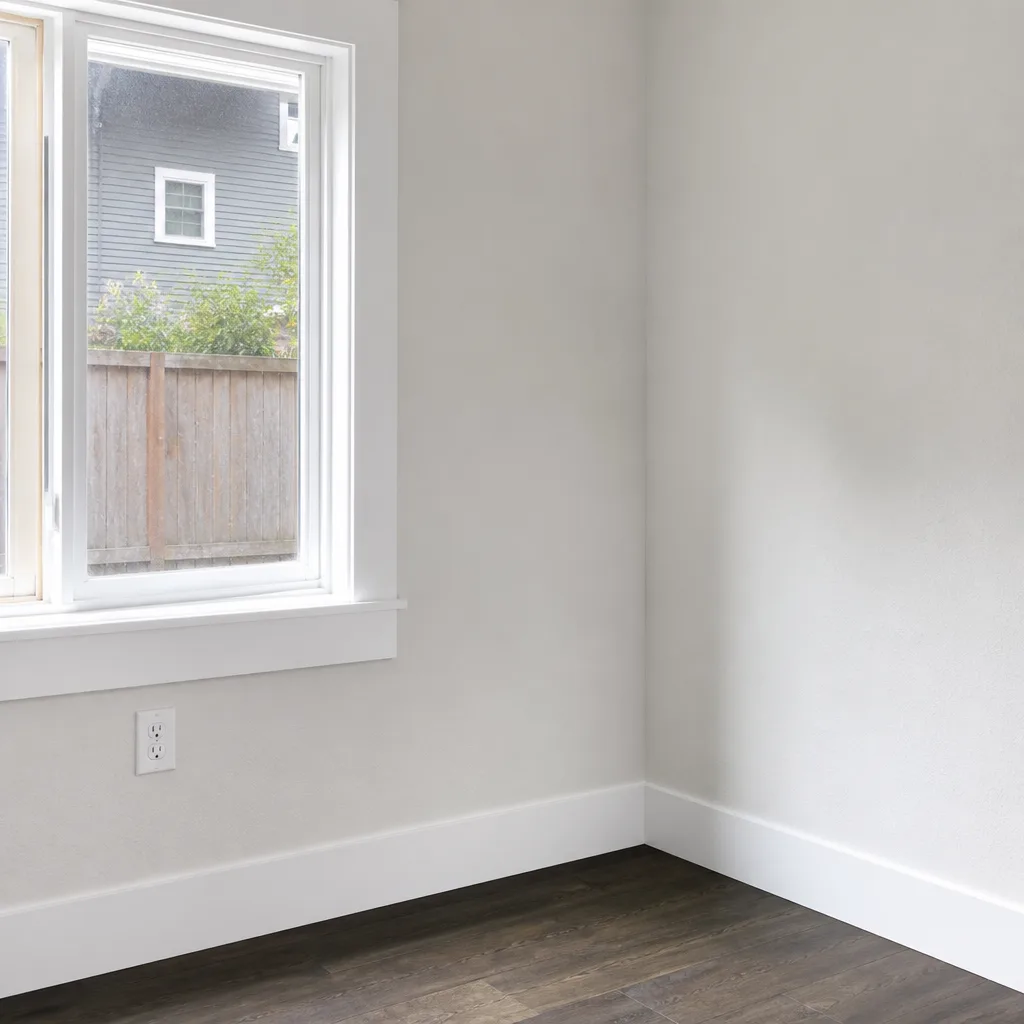 After
After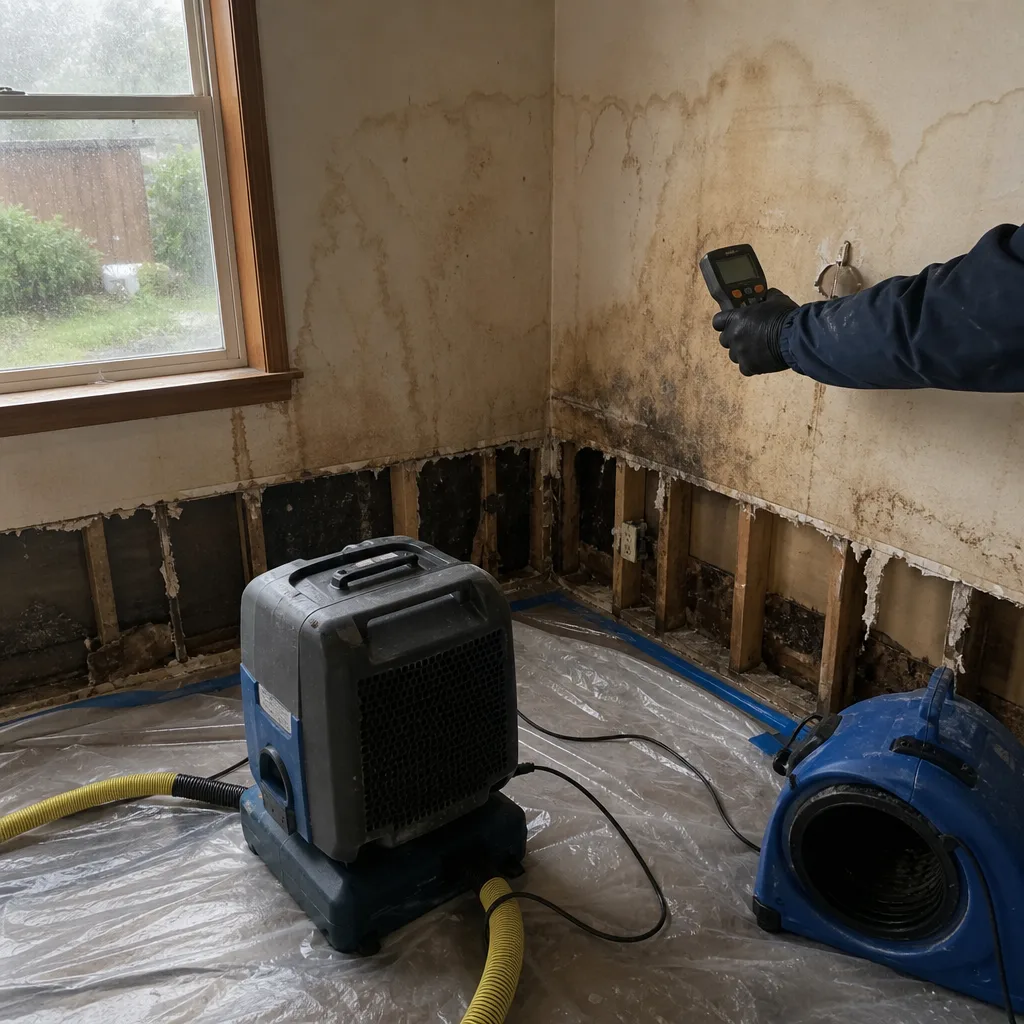 Before
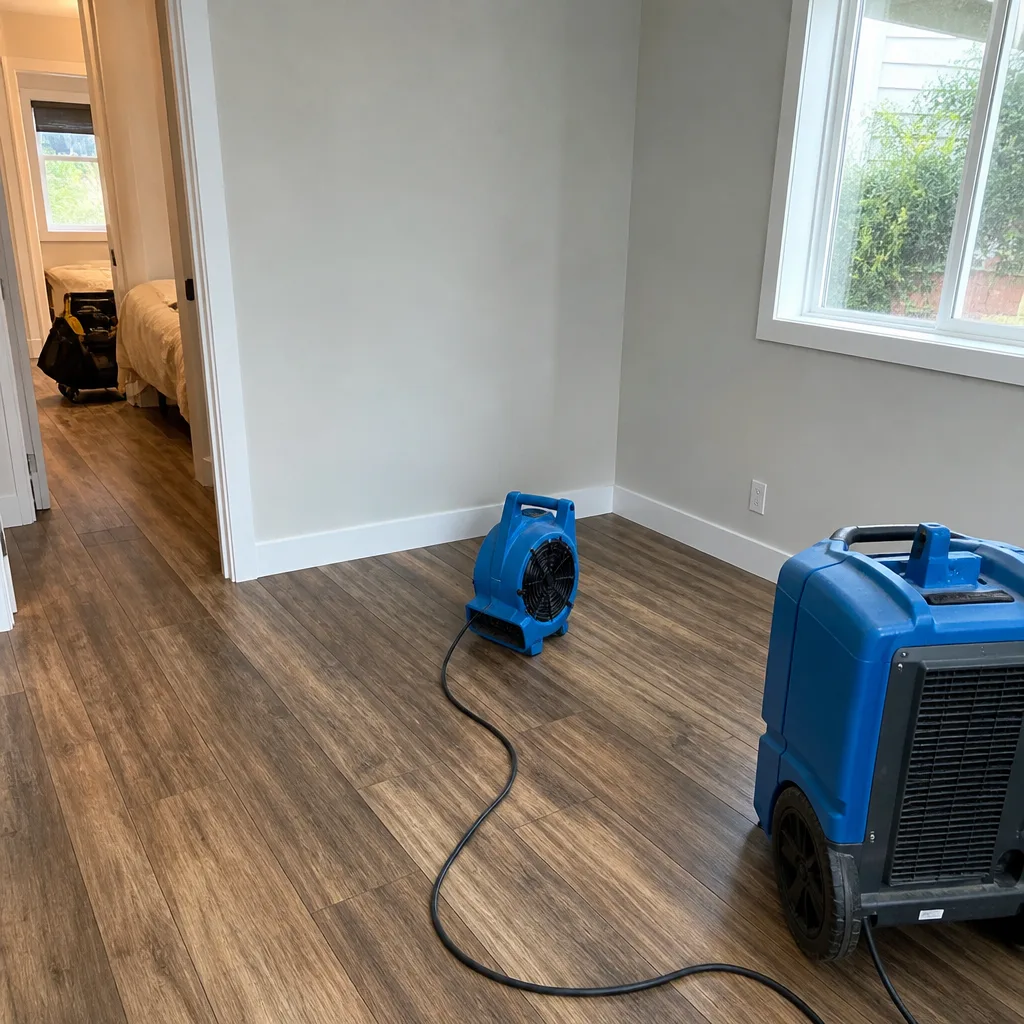 After
AfterSeasonal Damage Restoration Care for Seattle: Year-Round Homeowner’s Guide
Seattle receives 70% of its annual rainfall between October 15 and March 31. Every restoration file we open in January contains at least one condition that was measurable and addressable the previous September - and wasn’t. In this guide and our complete guide to damage restoration in Seattle, you’ll learn how to read Seattle’s four-phase damage calendar through moisture data rather than month names, take a 45-minute seasonal baseline that can save your claim from a long-term neglect exclusion, and know exactly when a reading crosses from maintenance into mitigation territory.
Quick Answer
Seattle homeowners should perform damage-prevention assessments four times yearly: a September moisture baseline before the rainy season, a November exterior inspection during peak rainfall, a February post-saturation check after the wettest months, and a June dry-out window for crawl space and attic corrections. Documented seasonal maintenance records - like those in our Water Damage Restoration Maintenance Checklist for Seattle Homeowners - strengthen insurance claims by establishing pre-loss condition and ruling out neglect exclusions.
Table of Contents
- Seattle’s Four-Phase Damage Calendar
- September: The Pre-Season Moisture Baseline
- November: Peak-Rain Inspection Protocol
- February: Post-Saturation Assessment
- June: The Dry-Out Window
- Conditions We See Repeatedly in Seattle
- How Seasonal Records Strengthen Insurance Claims
- Common Mistakes to Avoid
- When to Call a Professional
- Frequently Asked Questions
BeforeAfterSeattle’s Four-Phase Damage Calendar
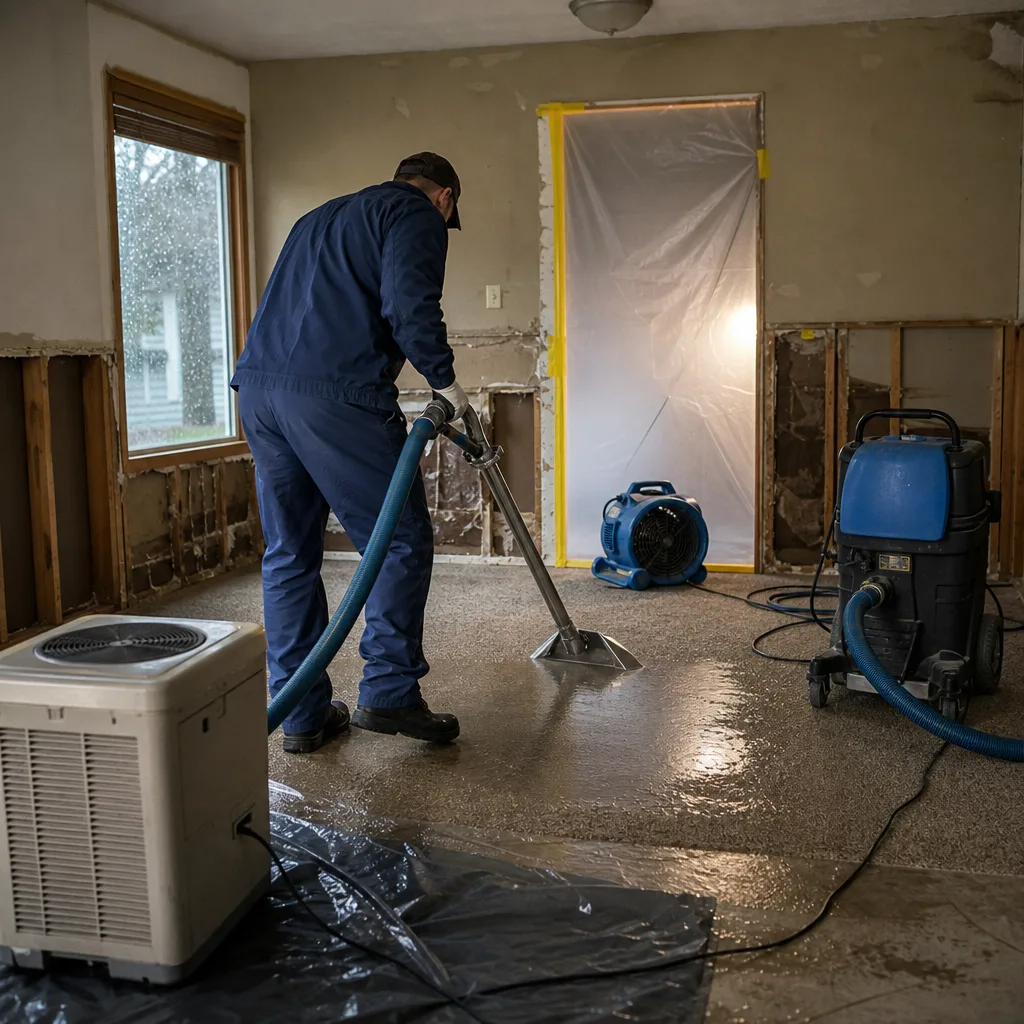
Seattle’s restoration season doesn’t follow the calendar on your wall. It follows vapor pressure differentials, soil saturation curves, and the accumulated thermal stress on building materials that spent six months above 80% relative humidity. We’ve organized our field operations around four distinct phases since 2011, and the homeowners who adopt the same rhythm catch failures before they become water damage restoration invoices.
The pattern is measurable. October through March delivers 37+ inches of precipitation to most Seattle neighborhoods, with atmospheric river events capable of depositing 2-4 inches in 48 hours. The soil doesn’t dry between events; it accumulates moisture. By February, the water table in low-lying areas like Georgetown and South Park often sits within 18 inches of grade, pushing hydrostatic pressure through slab edges and crawl space vents. Then the dry season arrives not as relief but as stress - rapid desiccation cracks foundation seals that expanded in wet conditions, and UV degradation accelerates on roofing materials that never fully dried.
Our September-to-June protocol maps directly to this cycle. Each phase has specific tools, specific locations, and specific numerical thresholds. Skip a phase, and you create the gap that becomes a January emergency call.
September: The Pre-Season Moisture Baseline
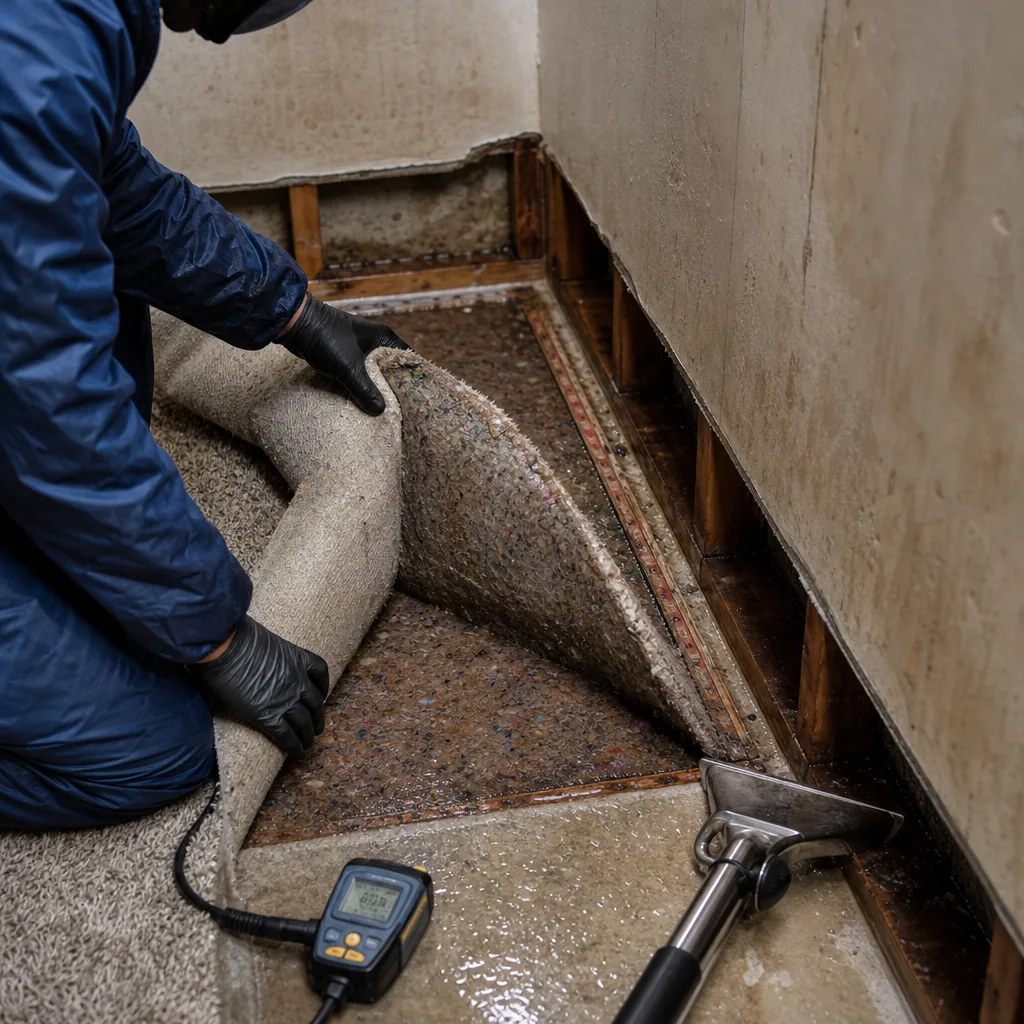
The best time to document your home’s condition is when it’s dry. In Seattle, that’s typically mid-September, after the last summer wildfire haze has cleared and before the first autumn storm system arrives. A baseline taken now becomes evidence later.
What You’ll Need
- Pin-type moisture meter (Delmhorst or equivalent, $50-$120)
- Infrared thermometer or thermal imaging camera
- Smartphone camera with date-stamp enabled
- Simple spreadsheet: location, reading, date, photo filename
The 45-Minute Baseline Protocol
- Exterior shell: Record moisture content in exposed framing at soffits, rake boards, and window sills. Target: below 15% wood moisture equivalent (WME) on pin meter. In Seattle’s 1960s-1990s construction stock, south-facing elevations often read 2-3% higher due to solar cycling.
- Crawl space: Measure subfloor underside at three points per room span - center, and 24 inches from each bearing wall. Target: below 17% WME. Note vapor barrier condition: intact, torn, or absent. In Ballard and Fremont homes with original dirt floors, we regularly see 22-25% readings that normalize to 14-16% after vapor barrier installation.
- Attic: Check roof deck underside at north slope (last to dry) and above bathrooms (vapor drive). Target: below 14% WME. Note any compressed or displaced insulation that creates cold spots.
- Basement/concrete: Test slab perimeter where foundation meets framing. Pin meters won’t read concrete directly; use a calcium chloride test kit ($15) or note visible efflorescence with photo.
- Document: Photo each reading location with meter display visible. Save to dated folder. Email copy to yourself for timestamp.
This baseline serves two functions. First, it reveals pre-existing conditions: a 19% crawl space reading in September predicts fungal growth by January if left unaddressed. Second, it creates the documented pre-loss condition that adjusters require when evaluating whether damage is “sudden and accidental” or “long-term deterioration.” We’ve seen claims denied for the latter when no baseline existed, and paid when one did.
November: Peak-Rain Inspection Protocol
By November 15, Seattle typically has recorded 8-10 inches of autumn rainfall. The building envelope is under its first sustained load. This inspection catches active failures while they’re still exterior problems.
Gutter and Downspout Function
Check every downspout outlet during rainfall, not after. In our Capitol Hill and Queen Anne files, November gutter overflows are the leading cause of fascia rot and soffit saturation that progresses to interior wall cavities by February. Look for:
- Overflow at gutter corners (indicates incorrect pitch or debris blockage)
- Water sheeting behind gutters (failed drip edge or missing flashing)
- Downspout discharge pooling within 6 feet of foundation (grading or extension failure)
- Splash marks on siding below gutter line (chronic overflow signature)
Document with video: 30 seconds of each downspout in active rain, with date visible. This is the evidence that distinguishes “sudden gutter failure during storm” from “years of deferred maintenance.”
Window and Door Seals
Inspect operable windows from interior during wind-driven rain. Feel for air infiltration at sill and jamb; visible water is a late-stage failure. In Seattle’s double-hung and slider stock from the 1970s-1990s, weep holes are often painted shut or blocked by deteriorated weatherstrip. A $12 weatherstrip replacement in November prevents the $2,400-$5,800 wall cavity drying job we perform in March.
Foundation Perimeter
After 48 hours without rain (rare in November, but watch for the window), inspect foundation walls for new or expanded cracking. Map each crack: location, length, width at widest point, and whether it tapers or remains uniform. A crack that grows from hairline to 1/8 inch between September and November indicates active hydrostatic pressure. In West Seattle and Magnolia hillsides, we’ve tracked foundation movement to seasonal saturation patterns that correlate with specific atmospheric river events.
February: Post-Saturation Assessment
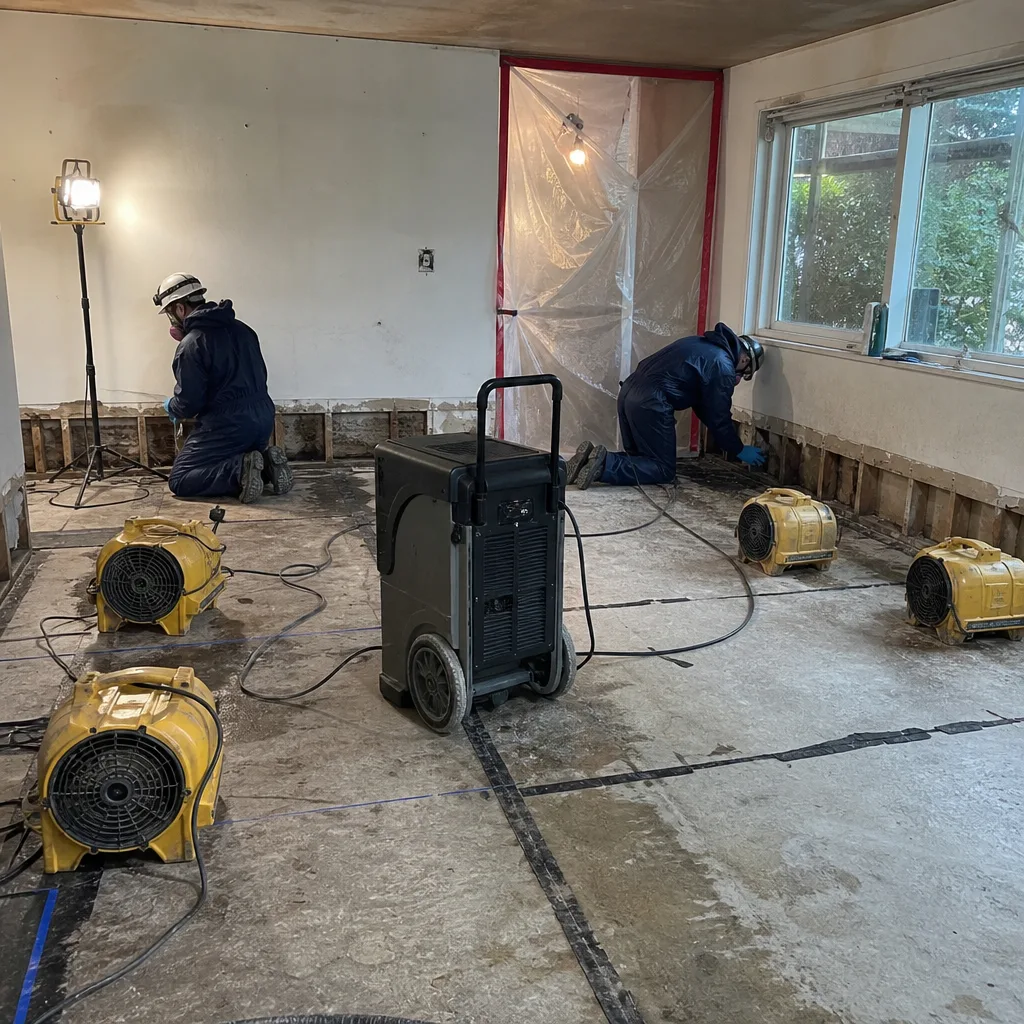
February is when accumulated moisture reveals itself. The soil is at maximum saturation. The building has absorbed five months of vapor drive. This assessment answers one question: where did the water go?
Crawl Space: The Critical Check
Return to your September baseline locations with the same meter. Compare readings:
- Subfloor increase of 3-4% WME: expected seasonal variation. Monitor.
- Increase of 5-8% WME: active moisture loading. Identify source - typically perimeter ground moisture, plumbing leak, or failed vapor barrier. Address before mold colonization threshold.
- Increase above 8% WME or any reading over 20%: professional assessment warranted. At 20% WME with temperatures above 55°F, wood-decay fungi establish within 4-6 weeks.
In our Seattle crawl space mold remediation files, 73% of colonized jobs showed February readings above 22% WME that went unaddressed. The homeowners who catch this phase avoid the $4,200-$8,900 remediation cycle.
Interior Air Quality Indicators
February is also when microbial volatile organic compounds (MVOCs) become detectable. Not mold you can see - the musty odor that indicates active fungal metabolism. If you detect this in a basement, bathroom, or closet that was dry in September, the source is concealed. A professional moisture investigation with thermal imaging and psychrometric data (temperature, relative humidity, vapor pressure, and dew point measured together) locates what visual inspection cannot.
Sump Pump Verification
Test sump pump operation by lifting float switch manually. Verify discharge line is clear and terminates 10+ feet from foundation. In February 2024, we responded to 14 sump failures in the Green Lake and Ravenna areas during a single atmospheric river event - pumps that ran continuously for 72 hours and failed from thermal overload. A $15 battery backup or a second pump in parallel prevents the $6,000-$15,000 basement flood restoration that follows.
June: The Dry-Out Window
June through early July offers Seattle’s most reliable drying conditions: average relative humidity below 65%, temperatures in the 65-75°F range, and consistent ventilation potential. This is when you correct what the wet season revealed.
Crawl Space Remediation
If February readings exceeded thresholds, June is the time to install or repair vapor barriers, improve perimeter drainage, or add mechanical ventilation. We specify sealed crawl space systems with conditioned air supply for homes below local grade, and passive venting with vapor barriers for well-drained sites. The work must be completed before October 15, or you’re simply trapping next season’s moisture in a modified space.
Attic Ventilation Correction
June is safe for roofing work. If November inspection revealed moisture staining on roof deck underside, now is when we add intake vents at soffits, verify exhaust venting at ridge or gables, and calculate net free vent area to the 1:150 attic floor ratio required by IRC code. In Seattle’s older housing stock, we frequently find attics with 40-60% of required ventilation - adequate in drier climates, insufficient here.
Exterior Sealing and Painting
Paint film application requires 24-hour drying windows and substrate moisture below 15% WME. June provides both. Focus on south and west elevations that took maximum UV and moisture cycling. In our fire and smoke damage restoration work, we’ve observed that well-maintained exterior envelopes also resist smoke odor absorption during wildfire events - the same cracks that admit water provide pathways for particulate infiltration.
Conditions We See Repeatedly in Seattle
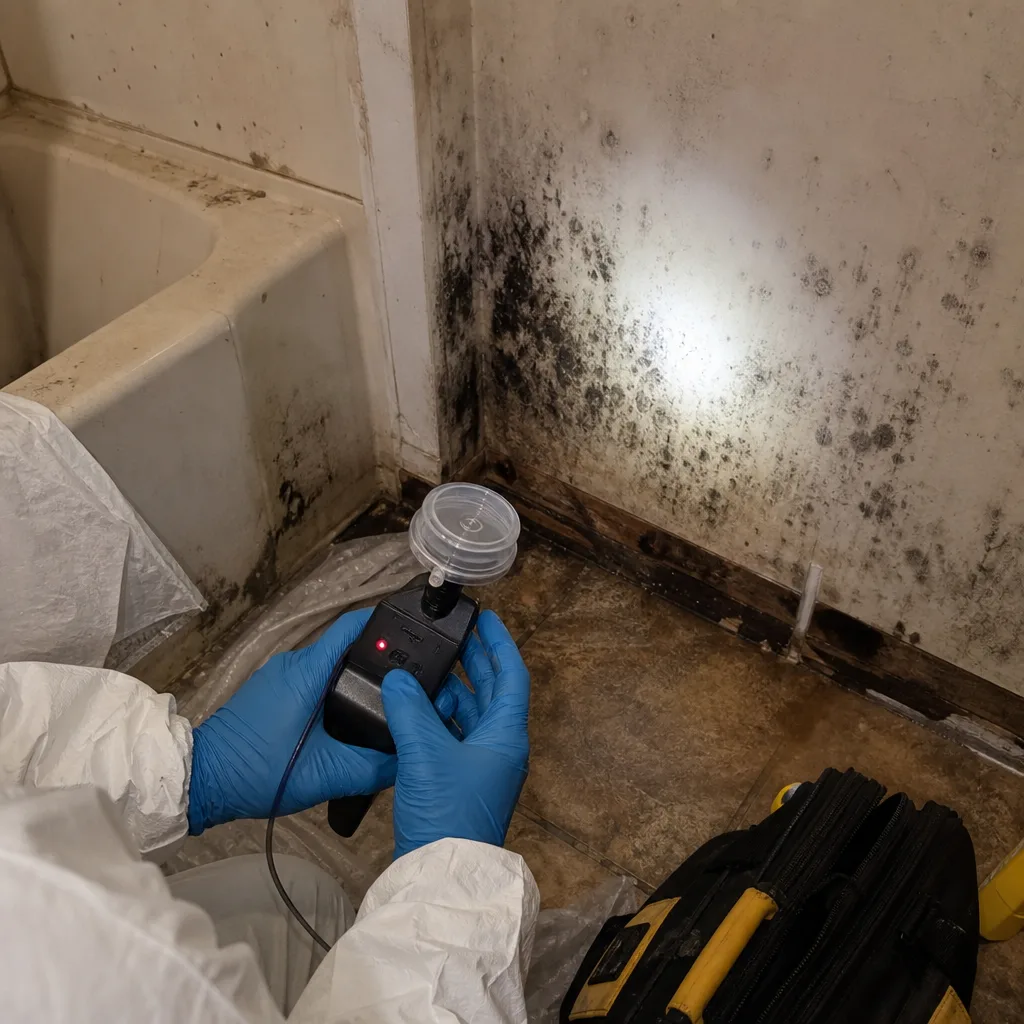
Twelve thousand homes since 2011 has produced a pattern recognition that no national guide can replicate. These are the specific failure modes that define Seattle’s restoration calendar.
October: Gutter Failure Leading to Fascia Rot
Seattle’s mature tree canopy - bigleaf maple, western red cedar, Douglas fir - deposits debris on roofs from September through November. Gutters installed in the 1980s-1990s with 5-inch K-style profiles and standard hangers overflow under this load. Water backs into fascia, saturating the 1×8 or 1×10 boards common to that era. By the time exterior paint fails visibly, interior wall cavity moisture has already reached the 16% WME threshold for mold growth. We document this progression routinely in Wallingford, Phinney Ridge, and other neighborhoods with 1920s-1940s construction and mature canopy.
December: Freeze-Thaw Cracking at Brick Veneer
Seattle’s freeze-thaw cycles are mild but persistent: 15-25 events annually where temperatures cross 32°F with moisture present. Brick veneer absorbs rainfall through porous mortar, then experiences expansive stress during crystallization. The resulting cracks - typically vertical at window and door openings, or stair-step at foundation level - admit bulk water in January thaws. In our files, December freeze-thaw damage is the leading cause of January cavity drying jobs in brick-clad homes built 1960-1990.
March: Sump Failure During Atmospheric River Events
Puget Sound convergence zones and atmospheric river landfall produce rainfall rates of 1-2 inches per hour. Sump pumps sized for average conditions - 1/3 HP, 35-45 GPM - cannot maintain drawdown. The resulting hydrostatic pressure forces water through slab cracks, cold joints, and tie-rod holes. Our March emergency calls cluster in the 36 hours following these events, and the damage is always preventable with redundant pumping capacity.
August: Wildfire Smoke Infiltration Affecting HVAC
Seattle’s wildfire smoke season has extended from occasional August events to recurring July-September patterns. Smoke particulate (PM2.5) infiltrates through the same envelope gaps that admit water, then distributes via HVAC systems. We perform duct cleaning and air handler decontamination after smoke events, and we always find that homes with documented envelope maintenance require less invasive treatment. The vapor pressure differential that drives moisture also drives smoke infiltration; the seal that stops one stops both.
How Seasonal Records Strengthen Insurance Claims
Insurance coverage for water damage hinges on two determinations: sudden versus long-term, and accidental versus maintenance-related. A documented seasonal maintenance record addresses both.
When we arrive at a loss site, our first documentation task is establishing the timeline. The adjuster’s first review task is the same. If we can produce a September baseline showing dry conditions, a November inspection showing no active failure, and a February reading that suddenly exceeds threshold, the damage pattern supports “sudden and accidental” causation. Without that record, the same physical damage reads as gradual deterioration - and gradual deterioration is excluded under standard HO-3 policies.
The specific documentation that carries weight:
- Date-stamped photos with meter readings visible: Establishes measurement protocol and prevents challenge to methodology.
- Spreadsheet with location identifiers: “Crawl space, center of kitchen span, 24 inches from north bearing wall” is replicable; “crawl space” is not.
- Professional assessment referrals: If a reading crossed threshold and you consulted a contractor, that consultation date establishes due diligence.
- Maintenance invoices with scope descriptions: Gutter cleaning, seal replacement, vapor barrier repair - each documents active maintenance that contradicts neglect allegations.
At DryMark Restoration Seattle, we build every claim file with this documentation standard. Our daily drying logs, written scopes, and room-by-room moisture readings are produced to IICRC, RIA, and IFA standards. The same rigor applied to your seasonal maintenance creates the pre-loss narrative that protects your coverage.
Common Mistakes to Avoid
- Measuring only after you suspect a problem. A moisture reading without a baseline is a number without context. The 18% WME you find in March might represent a 2% seasonal increase or a 12% active leak - you cannot tell without September data.
- Using a pinless meter on uneven surfaces. Pinless (non-invasive) meters average moisture across a 3-4 inch sensing area and are fooled by surface texture, density variation, and metallic fasteners. Pin meters penetrate to the depth of interest. For $30 more, you get actionable data.
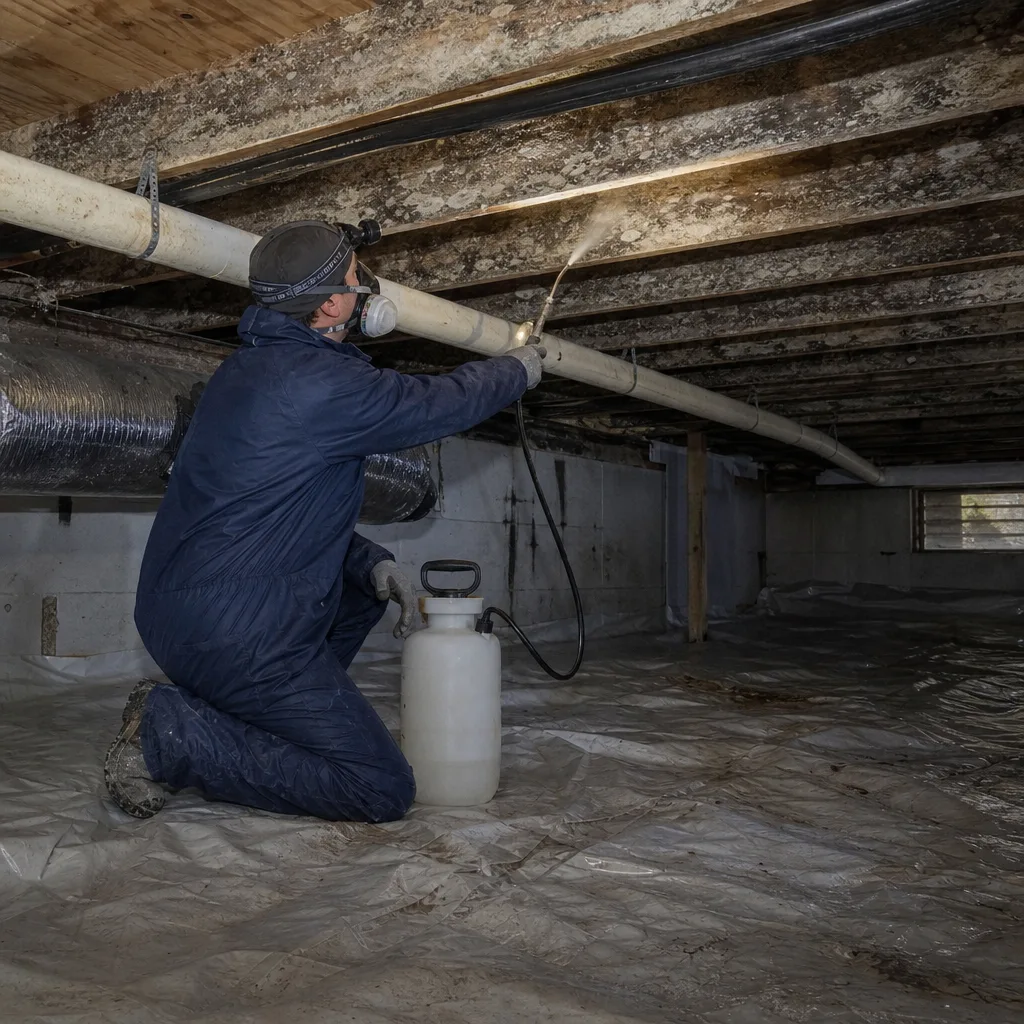
- Ignoring the vapor barrier in crawl spaces. In Seattle’s climate, a crawl space without 6-mil polyethylene vapor barrier over 100% of ground surface is a moisture generation source, not a moisture passage. We’ve restored homes where the subfloor reached 28% WME solely from ground vapor - no plumbing leak, no foundation breach.
- Waiting for visible mold before acting. Mold colonization precedes visible growth by 2-4 weeks at favorable temperatures. By the time you see it, the remediation scope has expanded from surface treatment to cavity access, air scrubbing, and contents handling. The February threshold exists precisely to prevent this progression.
- Assuming new construction is exempt. Seattle’s 2015-2025 building boom produced homes with envelope failures from day one: missing kickout flashing, improperly lapped weather-resistive barriers, and HVAC commissioning that pressurizes building cavities. We perform baseline documentation for new homeowners in South Lake Union, Ballard, and Central District developments - the failures are there, just not yet visible.
- Discarding maintenance records after repairs. Insurance claims can be reopened, and coverage disputes can extend 18-24 months. Maintain your seasonal documentation for the duration of ownership, and transfer it to buyers at sale. It adds measurable value to the transaction.
When to Call a Professional
Some conditions exceed homeowner capability and equipment. Call for professional assessment when: moisture readings exceed 20% WME in any wood structural member; you detect musty odor without visible source; foundation cracks show active displacement (differential movement, not uniform settling); or sump pump discharge contains sediment indicating under-slab soil loss. These indicators suggest conditions that require psychrometric data, thermal imaging, and structured drying protocols to resolve safely and document completely.
DryMark Restoration Seattle offers free estimates in Seattle - call (425) 671-5392. Every assessment includes a written scope and price before work begins, per Haven Standard, Clause 1. We also provide free second opinions on any competitor’s written estimate.
Frequently Asked Questions
Professional moisture assessment with thermal imaging, psychrometric data, and written report typically ranges $195-$450 in the Seattle market, depending on property size and access complexity - see our Damage Restoration Cost Breakdown: The Seattle Homeowner’s Reference for 2026 for fuller pricing context. At DryMark Restoration Seattle, we apply this assessment fee toward any mitigation work we perform. Call (425) 671-5392 to schedule - estimates are free, and we deliver a written price before any work starts.
Standard HO-3 policies exclude damage from “constant or repeated seepage or leakage of water” and “wear, tear, and deterioration.” However, absence of maintenance does not automatically void coverage for sudden events - a pipe burst, storm-driven water, or sump failure during an atmospheric river. Your seasonal documentation establishes which category applies. Without it, the burden of proving sudden causation falls entirely on post-damage investigation, which is often inconclusive.
Our live dispatch answers every call, 24 hours a day, 7 days a week, with no voicemail trees. Emergency response time to Seattle addresses typically ranges 45-90 minutes depending on traffic patterns and current event volume. For non-emergency assessments, we schedule within 24-48 hours. The critical factor is not speed of arrival but documentation quality from the first contact - our technicians arrive with moisture meters, thermal cameras, and the protocol to establish your pre-loss condition immediately.
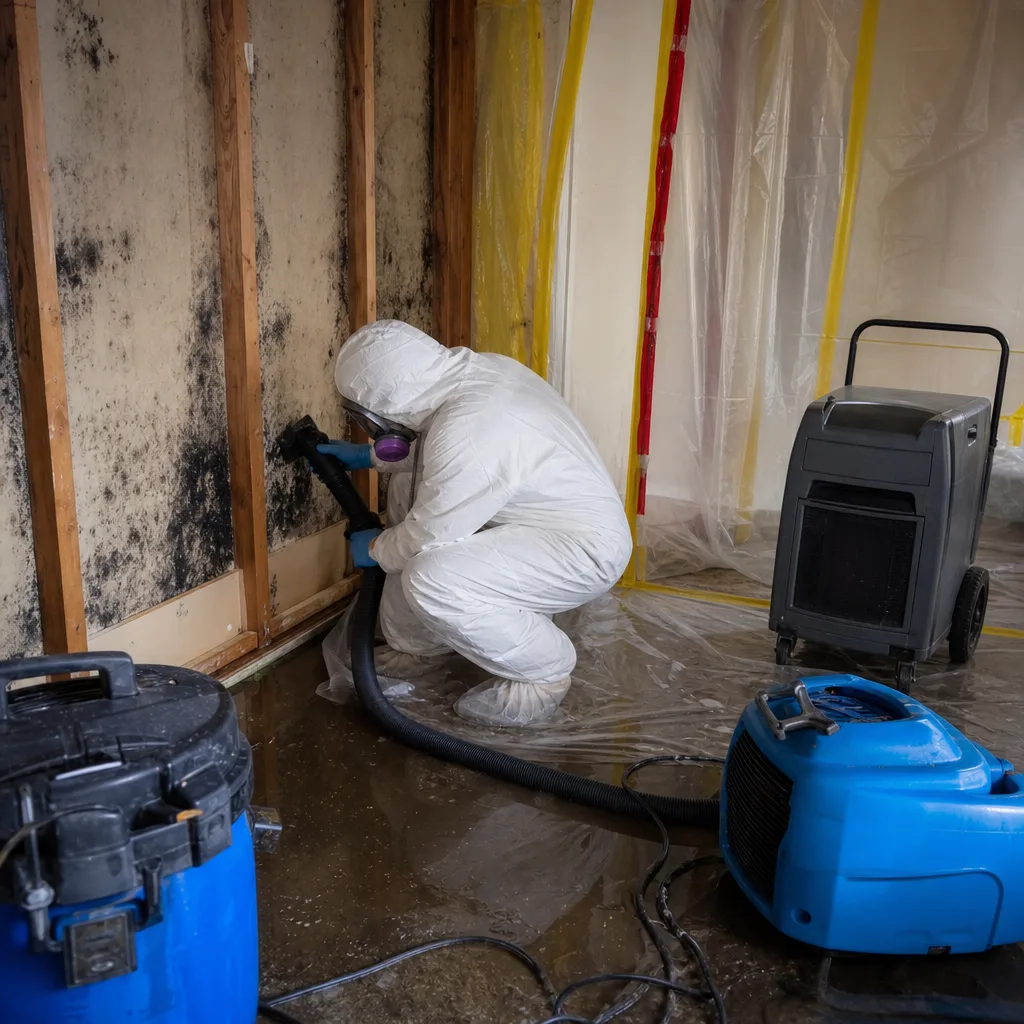
The determination depends on three measurable factors: extent of colonization (square footage and material depth), airborne spore concentration relative to outdoor baseline, and underlying moisture source status. Surface growth under 10 square feet on non-porous materials with identified and stopped source: cleanable with appropriate containment and PPE. Growth exceeding 10 square feet, any growth on porous structural materials, or any condition with unresolved moisture source: professional remediation per IICRC S520 standard required. We provide written scope and price for either determination before work begins.
At DryMark Restoration Seattle, we coordinate directly with your adjuster from initial assessment through final billing. Our documentation package - daily drying logs, photo records, moisture readings, and written scope - is formatted to adjuster standards from creation, not compiled after the fact. This direct coordination, combined with our 365-Day Done Right Promise under The Haven Standard, reduces claim cycle time and dispute frequency. You remain the policyholder and decision-maker; we handle the technical communication.
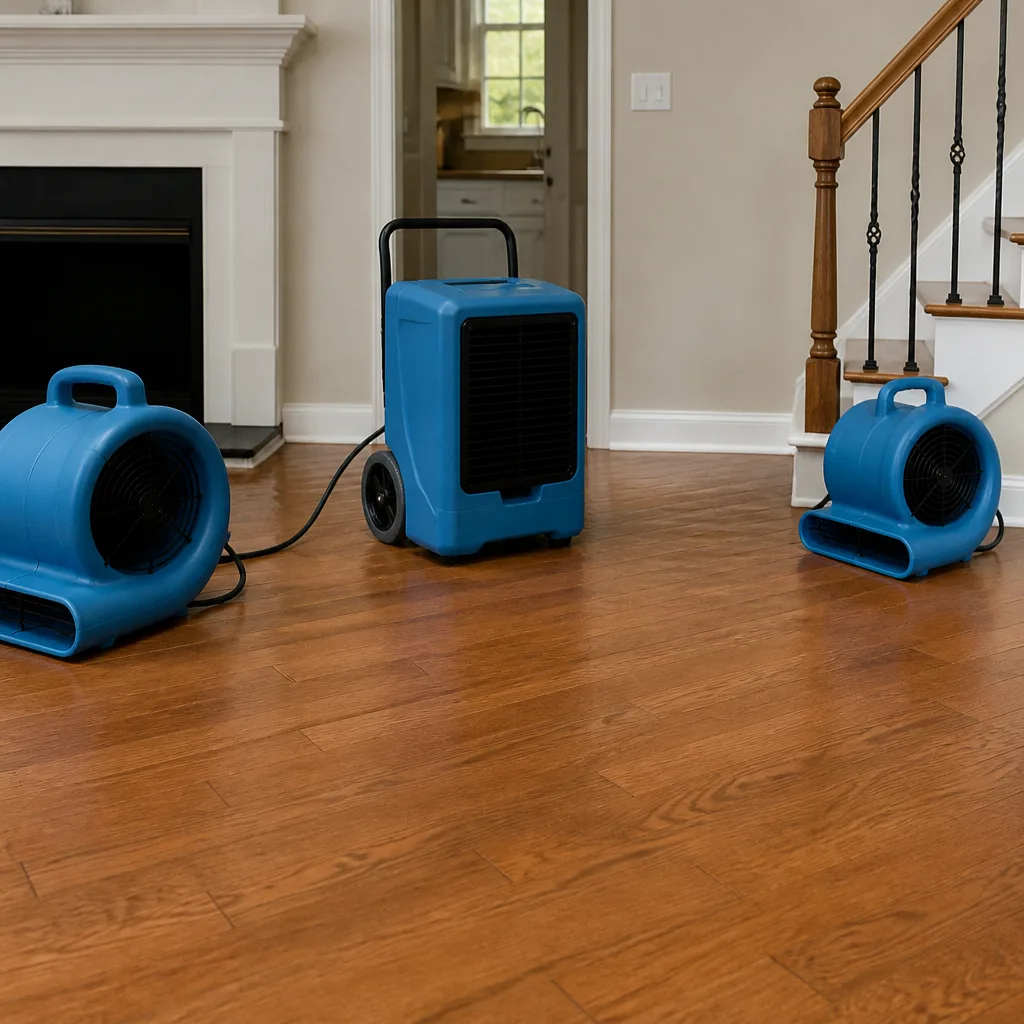
Professional drying employs low-grain refrigerant dehumidifiers (Dri-Eaz, Phoenix), air movers (XPOWER, B-Air), and specialized injection systems (Injectidry) for wall cavity and hardwood floor drying. The equipment specification matters because insurers audit drying charges against industry-standard equipment rates. Underspecified equipment extends drying time and increases total claim cost; overspecified equipment triggers audit adjustment. Our equipment logs document make, model, serial number, and placement for every unit, producing the defensible invoice that passes audit without reduction.
The Bottom Line
Seattle’s damage calendar is predictable because its weather is measurable. The 70% rainfall concentration between October 15 and March 31, the atmospheric river events that overwhelm undersized systems, the freeze-thaw cycles that stress masonry - these are not surprises to a homeowner with a moisture meter and a spreadsheet. They are data points in a maintenance protocol that prevents restoration. The September baseline, November inspection, February assessment, and June correction create the documented record that protects both your structure and your insurance coverage. For additional seasonal guidance, explore more guides & resources on our blog. The 45 minutes per season is less than the time you’ll spend on hold with a claims department after the damage occurs.
Call (425) 671-5392 for a free estimate, or bring us any competitor’s written estimate for a free second opinion. Every job receives a written price before work begins, documented photo records on every visit, and our 365-Day Done Right Promise backed by The Haven Standard.
Written by Alicia Brennan, Owner at DryMark Restoration Seattle, serving Seattle since 2011.