
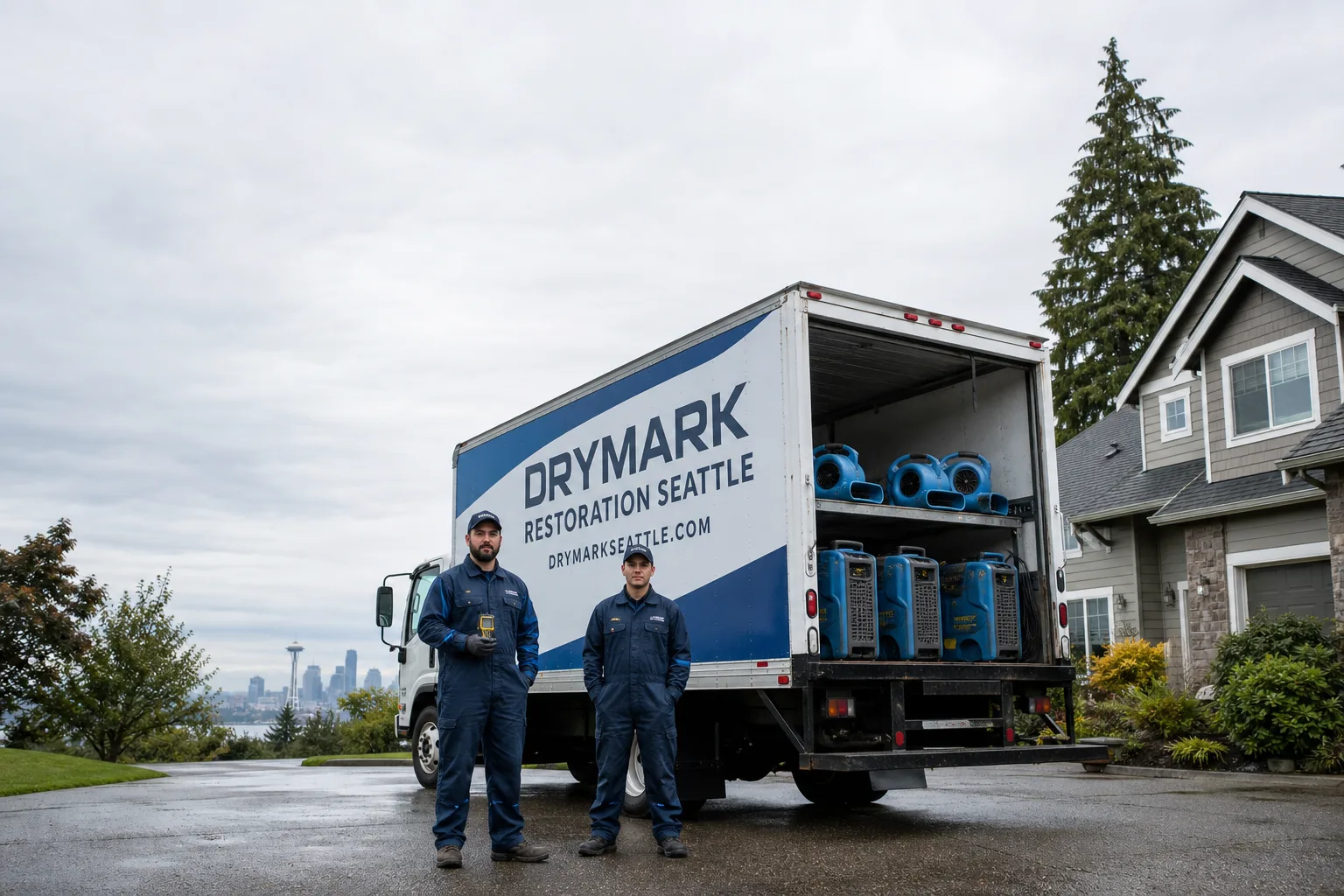
Free visual inspection and a written scope of work before any mitigation begins - photos, moisture readings, and drying logs go in your claim file
The scope we write is the scope we bill. Anything new gets shown to you, in writing, before we touch it.
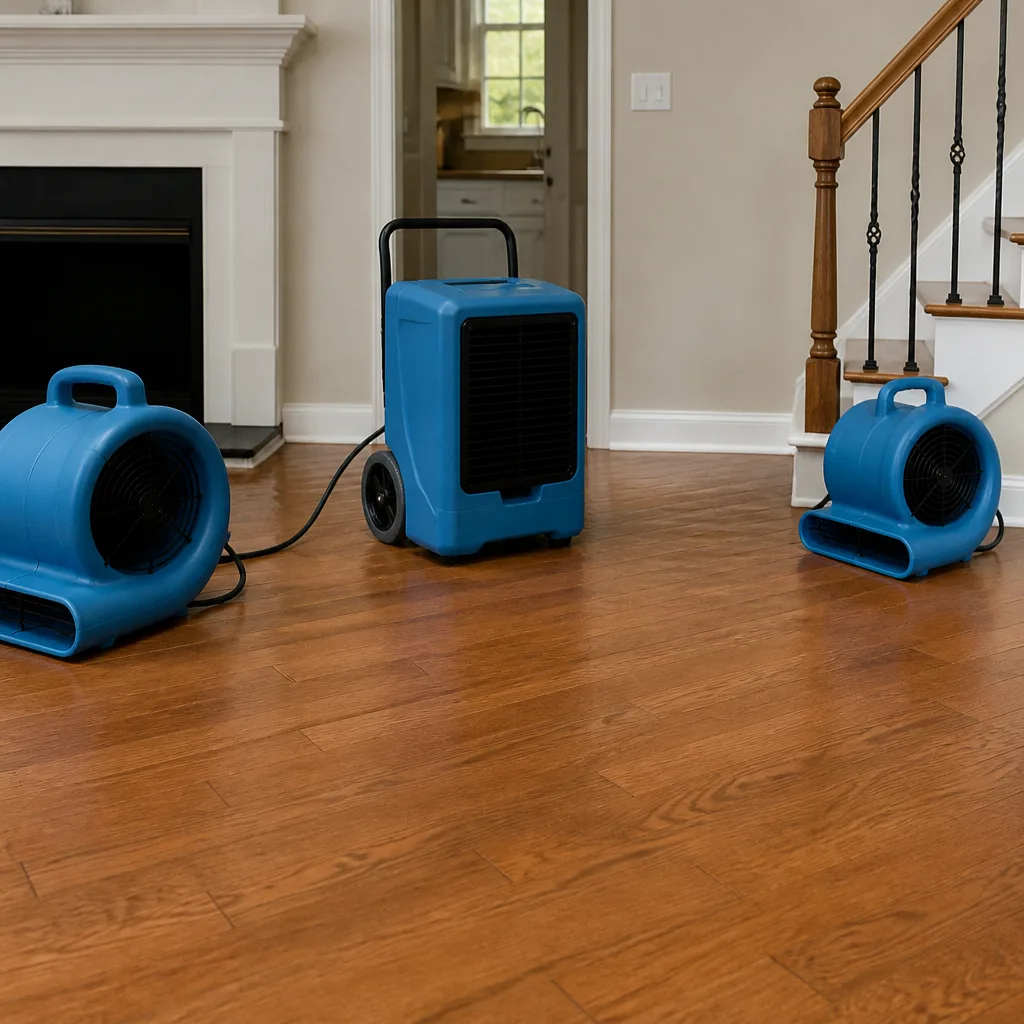
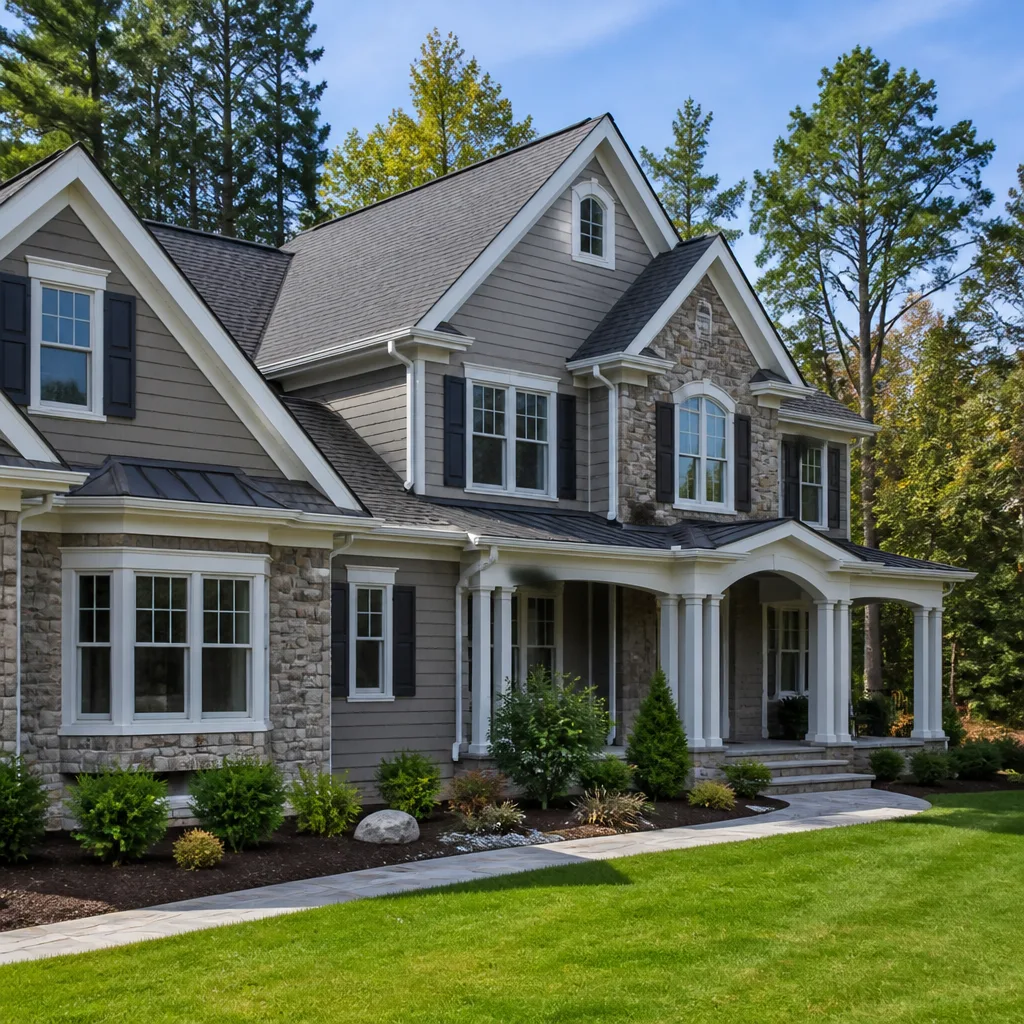
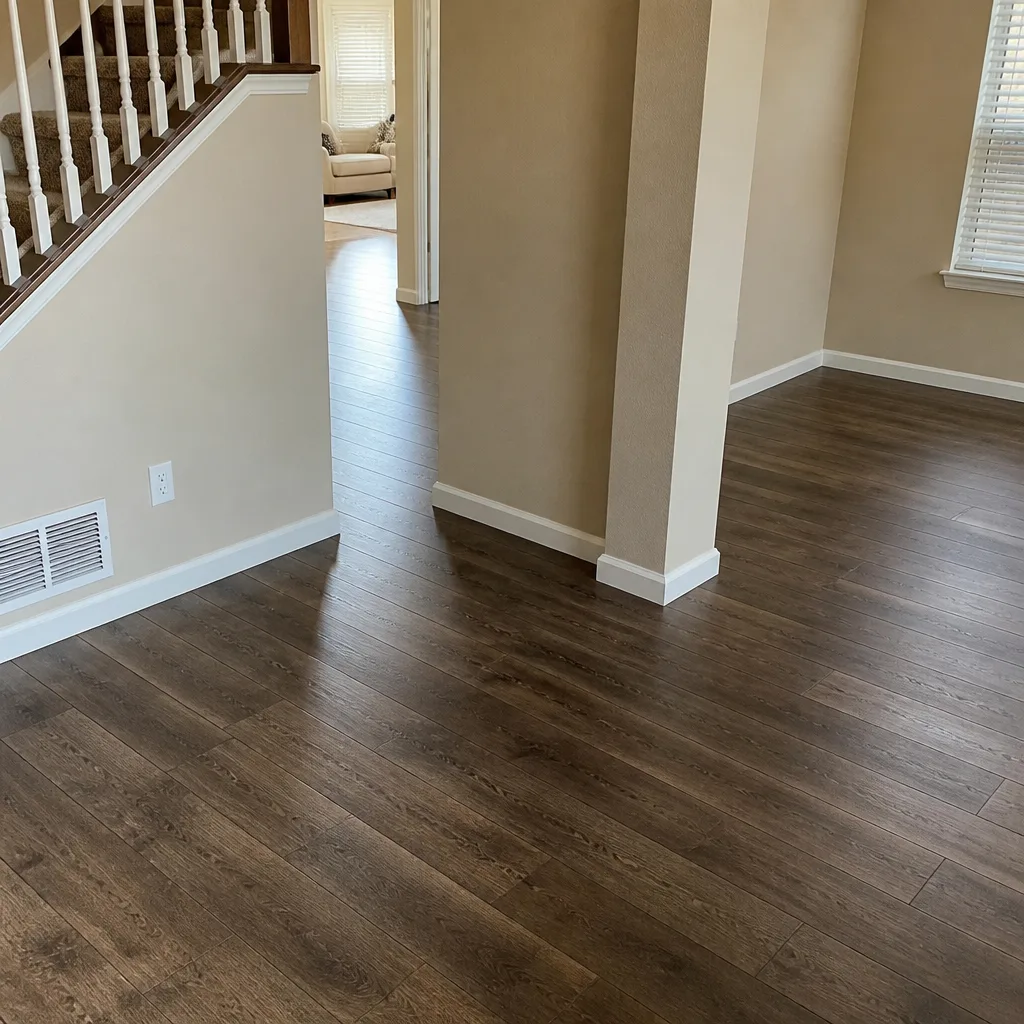
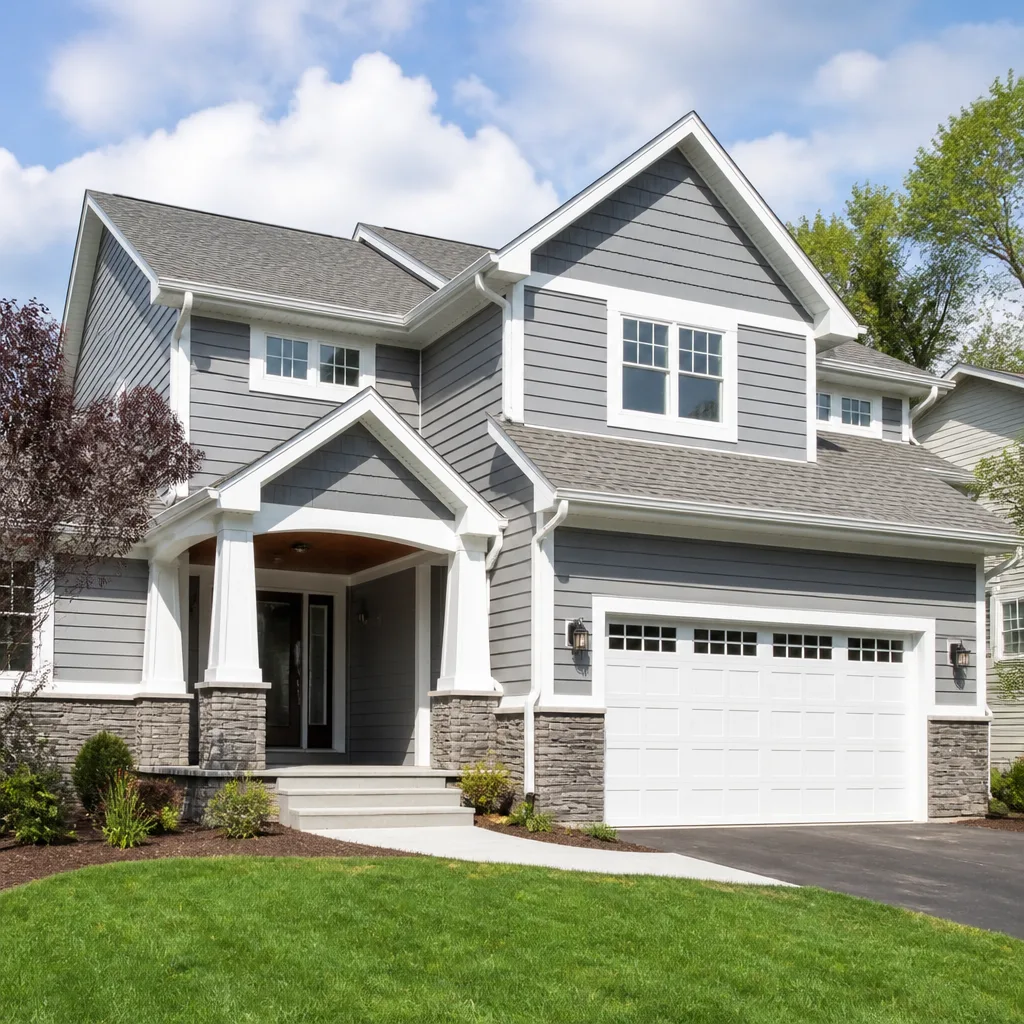
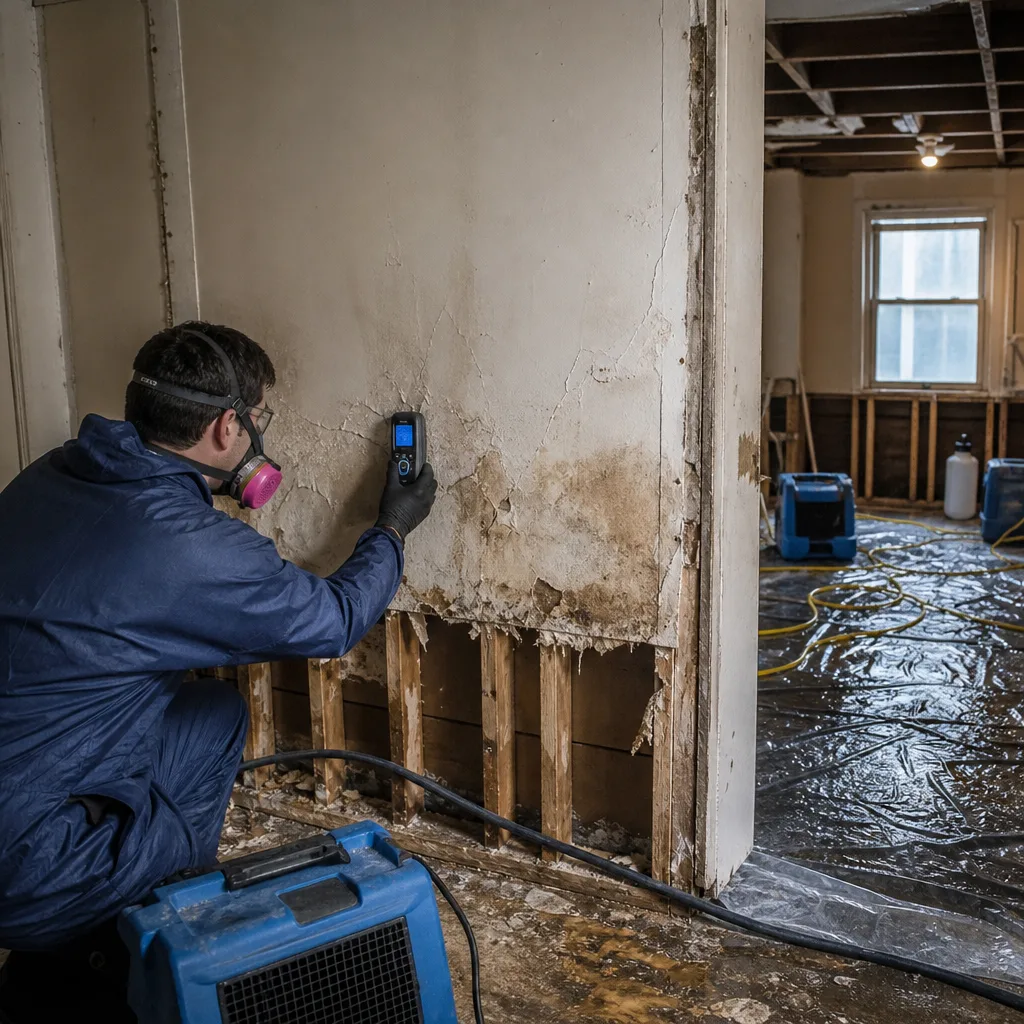 Before
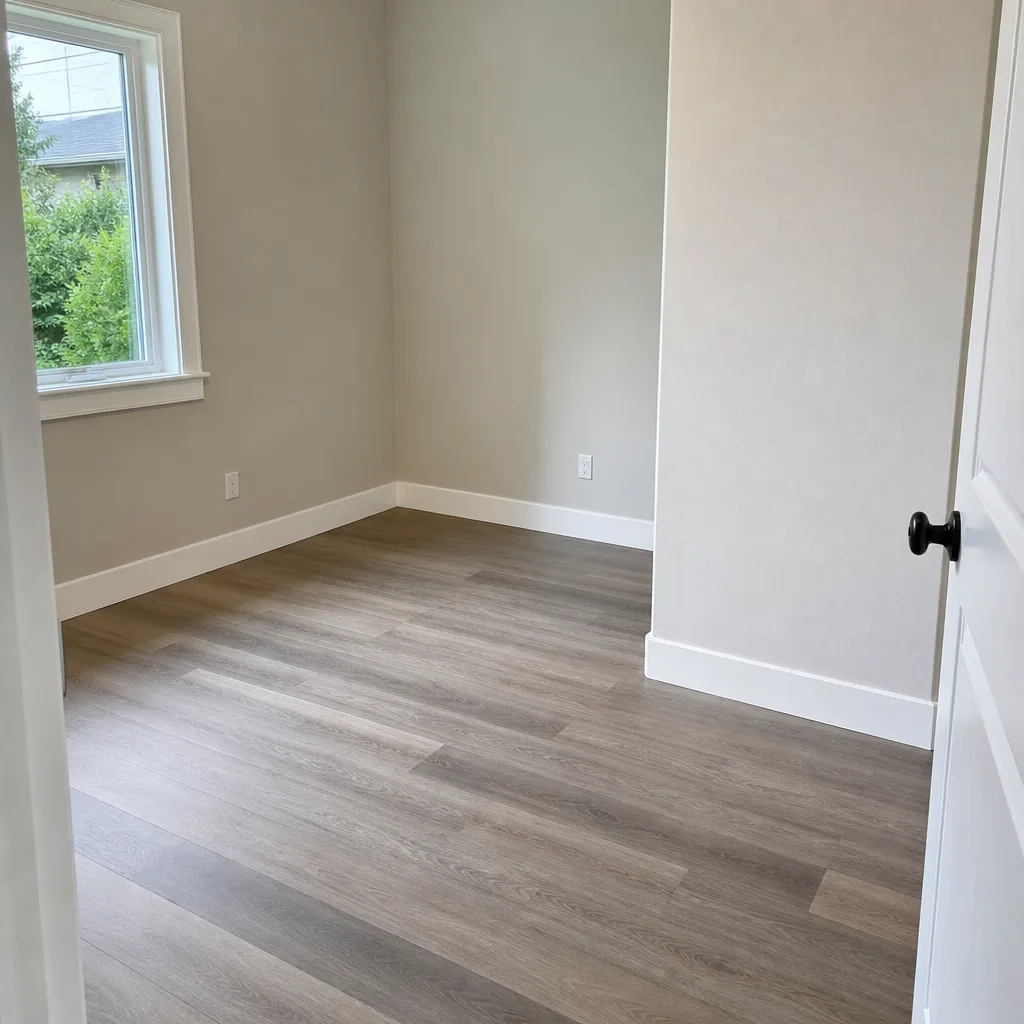 After
After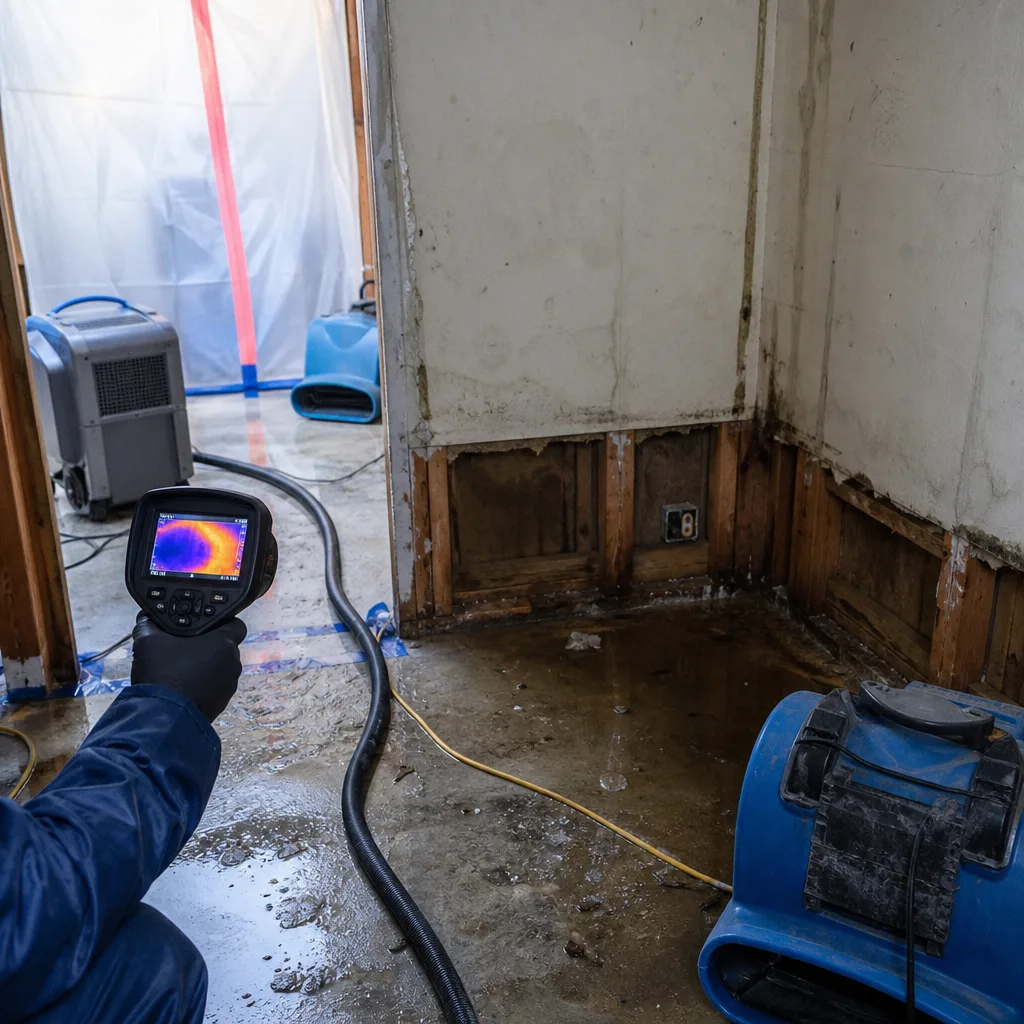 Before
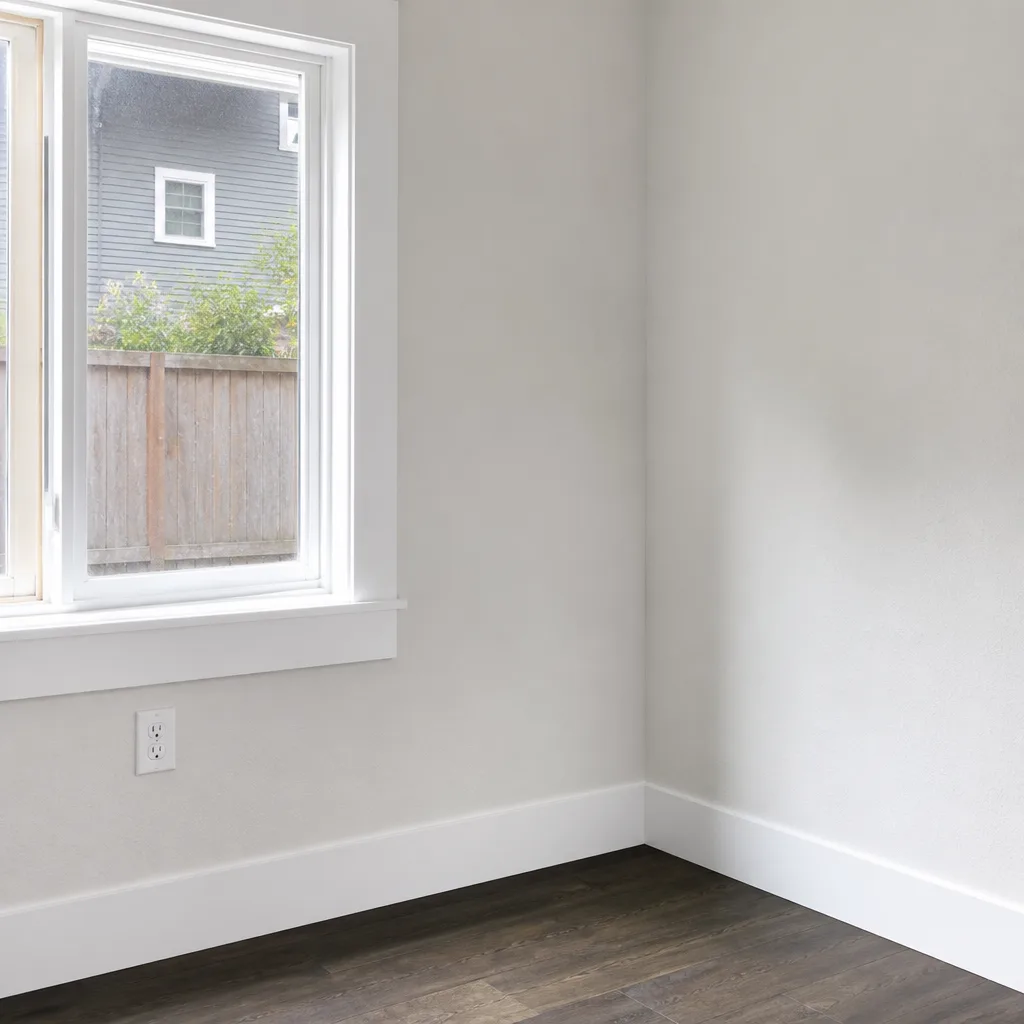 After
After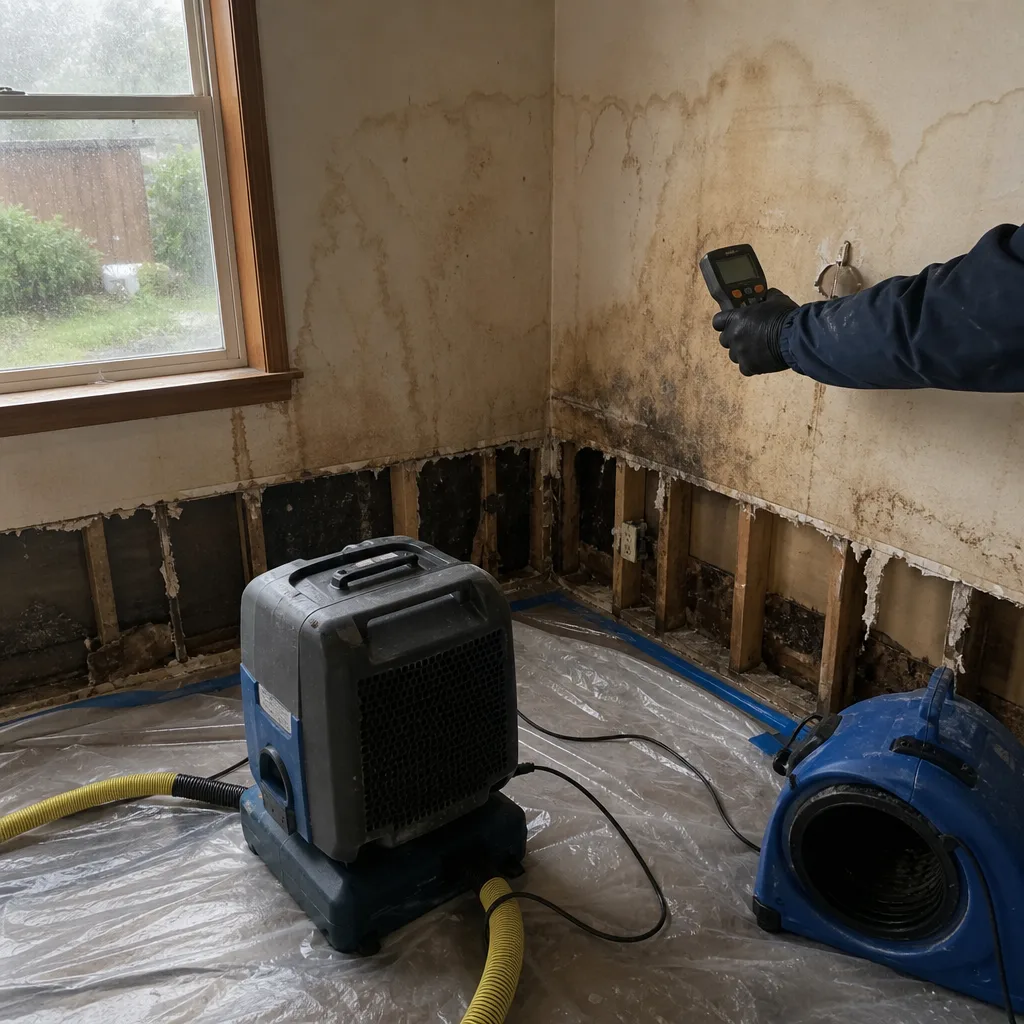 Before
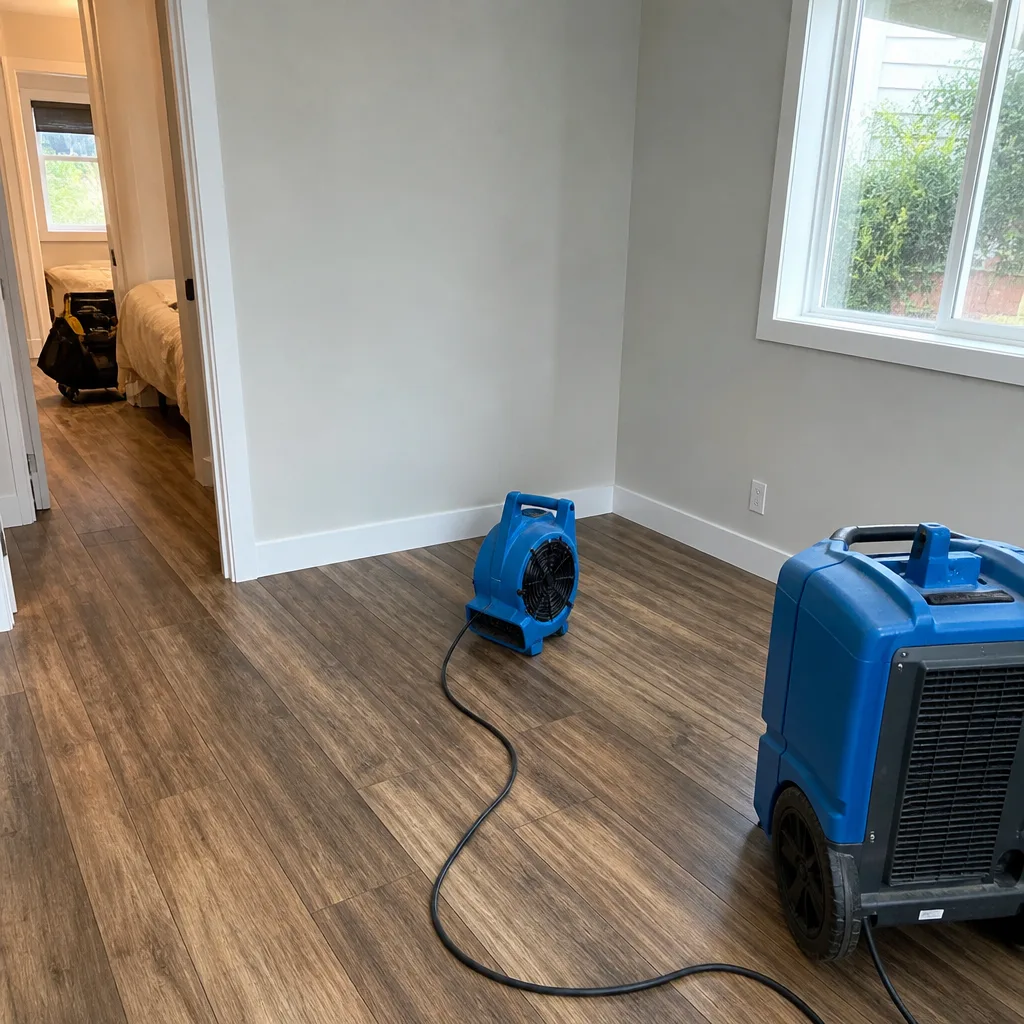 After
AfterFast, Reliable Water Damage Restoration Across Seattle
Water damage restoration in Seattle typically runs $2,800-$6,500 for a standard residential job, with emergency extraction starting at $1,200 and structural drying adding $1,600-$4,200 depending on square footage and material saturation. Most Seattle homeowners see our crews within 60-90 minutes of calling (425) 671-5392, because we dispatch from our Seattle office and know the arterials that stay open during atmospheric river flooding.
We live with the same marine layer you do. Our Water Damage Restoration team has dried crawl spaces in Ballard, extracted sewage backups in Capitol Hill basements, and documented leaky-condo envelope failures from Belltown to West Seattle. That local repetition matters: a contractor who quotes IICRC standard dry times without adjusting for Seattle’s 150-plus precipitation days hasn’t worked here long enough to learn what fails.
Why DryMark Restoration Seattle Is Seattle’s Preferred Water Damage Restoration Company
We’ve restored over 12,000 homes since 2011, every one with a written price before work started and a photo record when the crew left. Alicia Brennan founded Back to Dry after working claims adjustment and watching sloppy documentation cost homeowners their settlements. She built The Haven Standard around that gap.
Our Seattle customers leave reviews mentioning the same things: the technician who showed up named and licensed, the written scope they signed before equipment ran, the daily drying logs with moisture readings that their adjuster accepted without argument. We don’t chase stars. We document.
Response time to Seattle proper averages under 90 minutes on emergency calls. Our lines are live 24 hours a day, 7 days a week - no voicemail trees, no next-business-day callbacks while water is still wicking into drywall.
We know which blocks of Queen Anne flood first when storm drains back up, which Magnolia bluff homes need slope-drainage assessment before we even set dehumidifiers, and why a Wallingford Craftsman’s crawl space will read wet long after the living room feels dry. That knowledge changes what equipment we bring and how long we leave it running.
Our Water Damage Restoration Services in Seattle
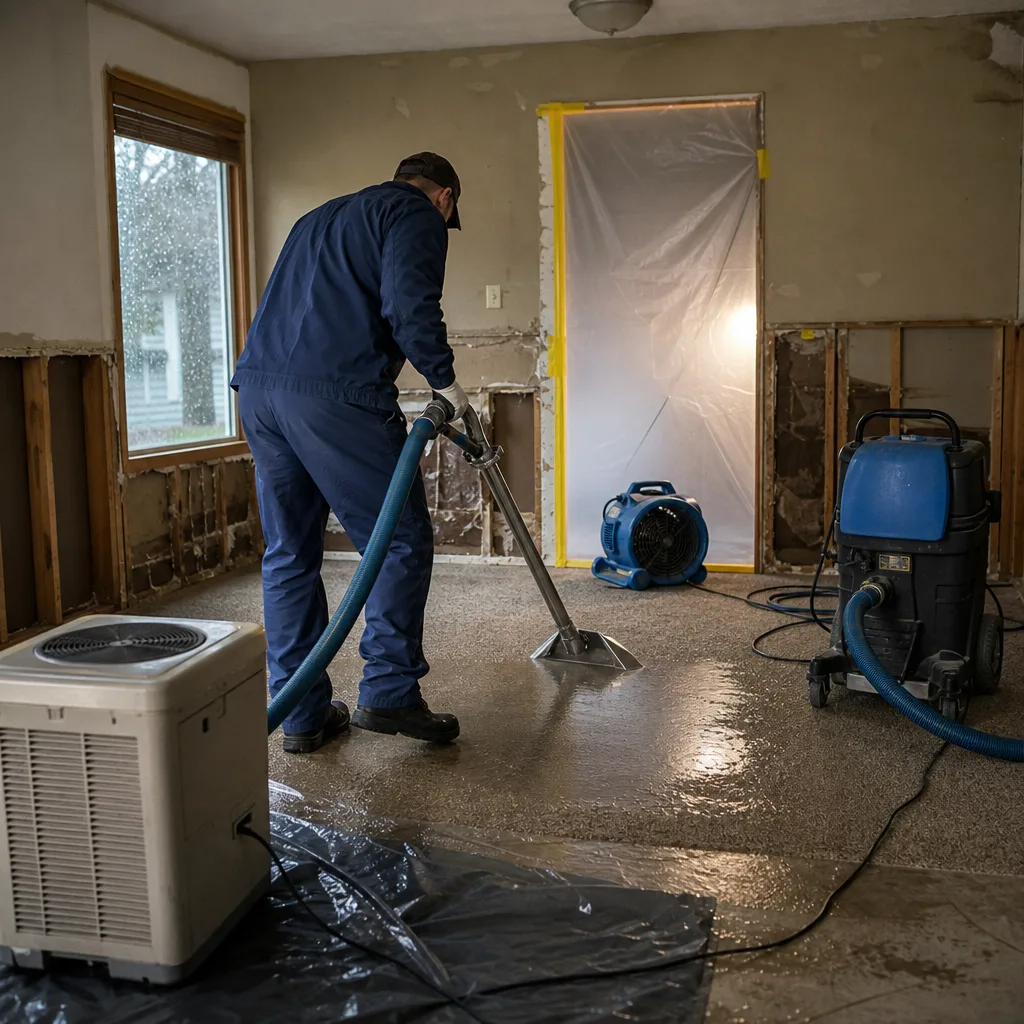
Emergency Water Extraction
When a supply line fails at 2 a.m. on NW 62nd St in Ballard, speed matters less than thoroughness. We extract standing water with Dri-Eaz and Phoenix truck-mounted units, then map moisture migration with thermal imaging before we declare the space ready for drying. In Seattle’s humidity, missed pockets become mold colonies in 48-72 hours. We don’t guess.
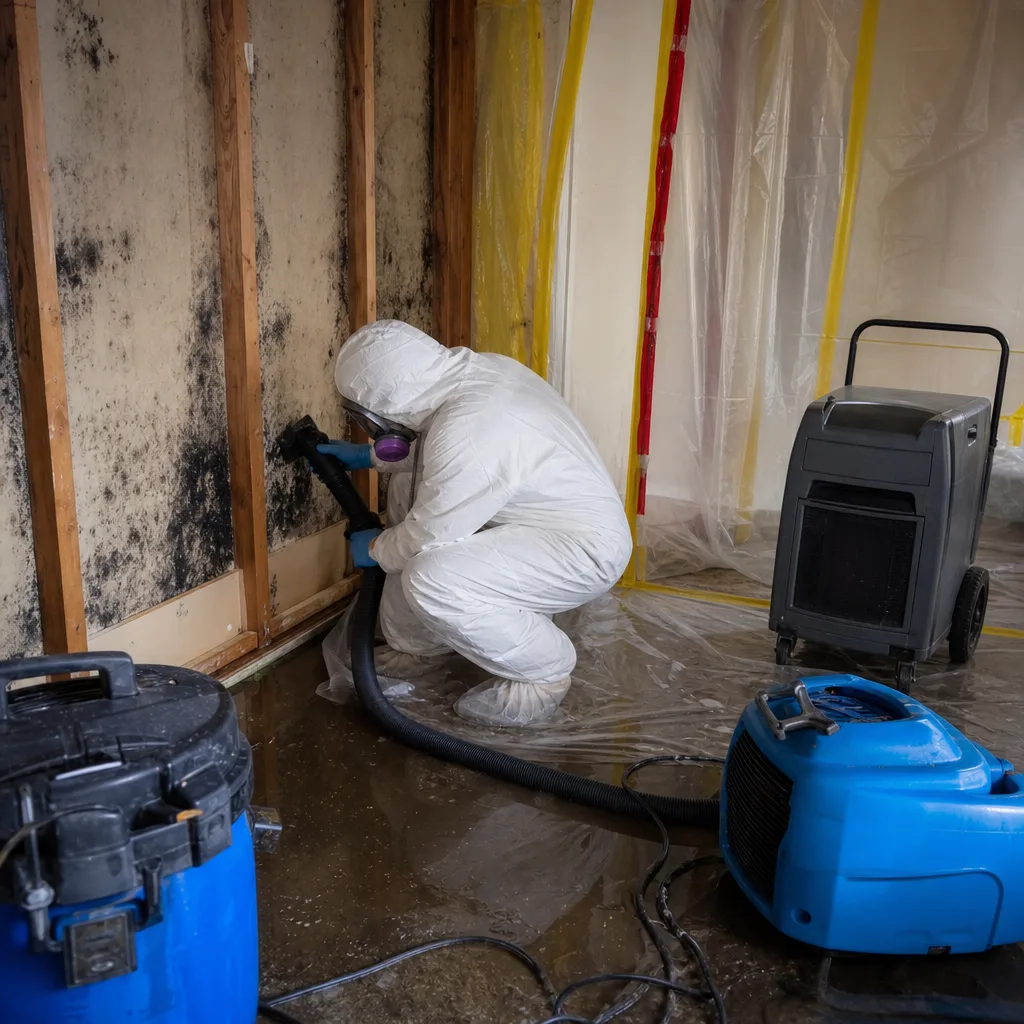
Structural Drying & Dehumidification
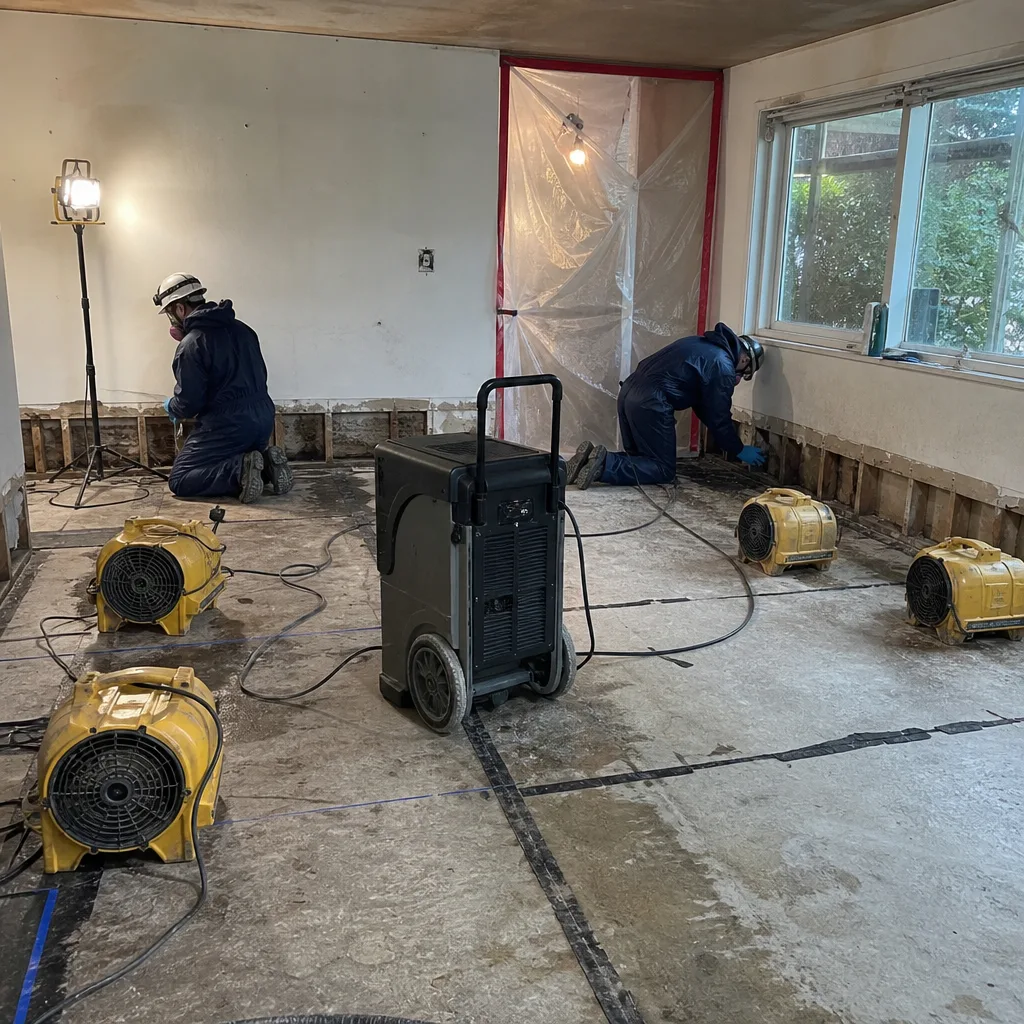
This is where Seattle’s climate punishes contractors who treat the city like anywhere else. Our field team has logged jobs where ambient relative humidity sat at 70% for weeks, forcing 30-50% longer dry times than IICRC S500 standards assume. We deploy Phoenix and Dri-Eaz LGR dehumidifiers, XPOWER air movers, and Injectidry cavity-drying systems to force vapor pressure differentials that passive drying cannot achieve here. Every day, we record wood moisture equivalent readings and specific humidity to IICRC, RIA, and IFA standards. The result: drying logs that insurers pay without dispute.
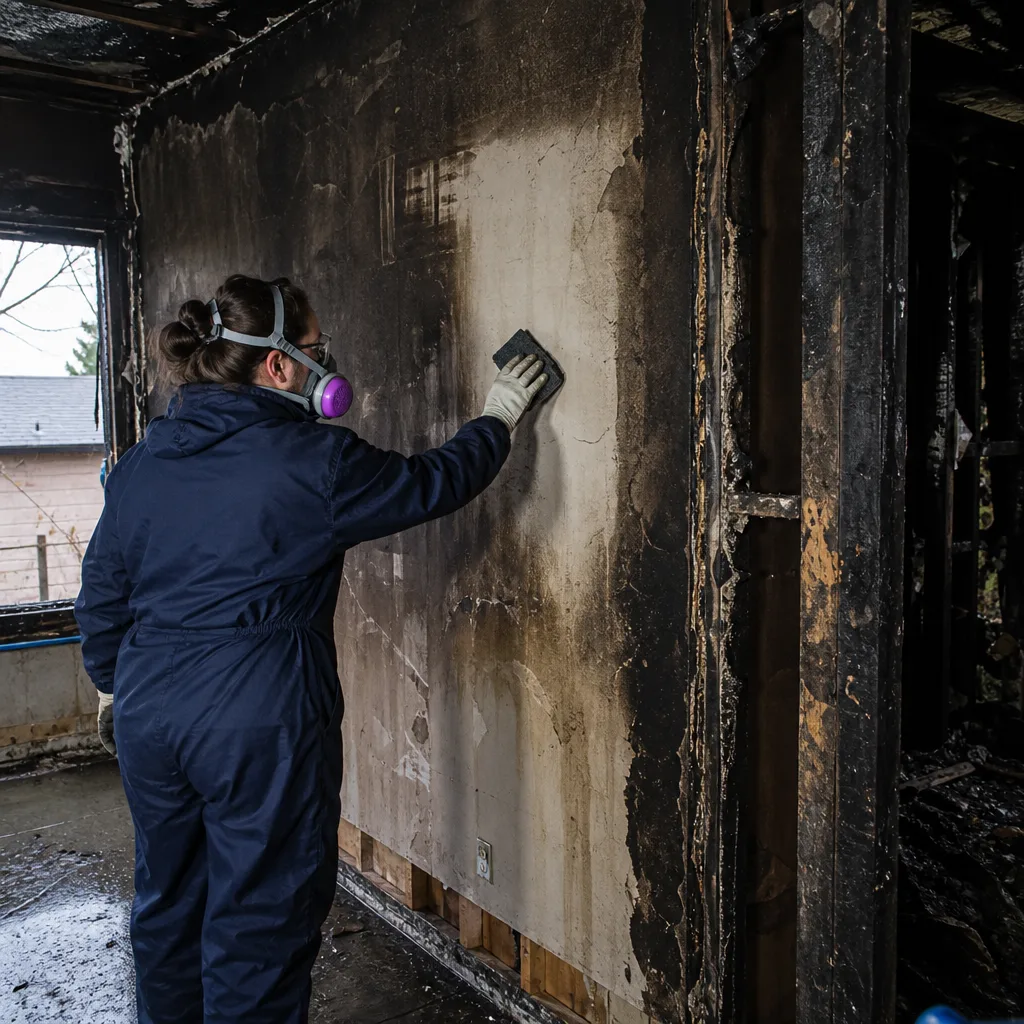
Flood Cleanup
Seattle’s November-March atmospheric rivers saturate glacial clay soils on hillsides in Magnolia, Queen Anne, and West Seattle, producing foundation flooding and mudslide intrusion that flatland contractors don’t encounter. We maintain mud-extraction equipment and slope-drainage assessment tools that most Bellevue or Kirkland competitors don’t stock. After extraction, we treat Category 3 contamination with antimicrobial agents and document every step for adjuster review.
Burst Pipe Restoration
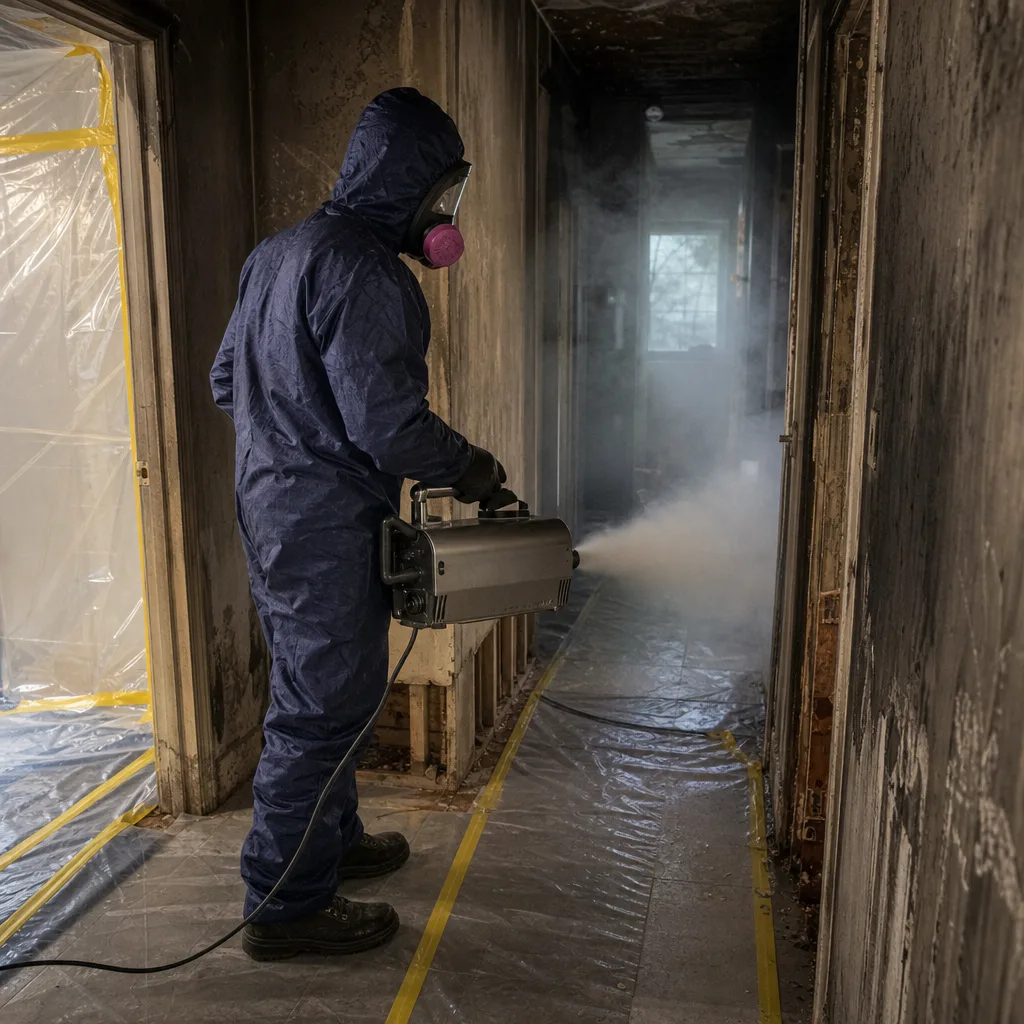
Older Seattle homes - the 1900s-1940s Craftsman stock in Ballard, Wallingford, and Capitol Hill - run galvanized or early copper supply lines past their design life. When they fail behind original lath-and-plaster walls, the damage extends farther than visible staining suggests. We open assemblies, map the full moisture envelope, and write scope before reconstruction begins. Haven Standard, Clause 1: written price before any work starts.
Ceiling & Roof Leak Water Damage
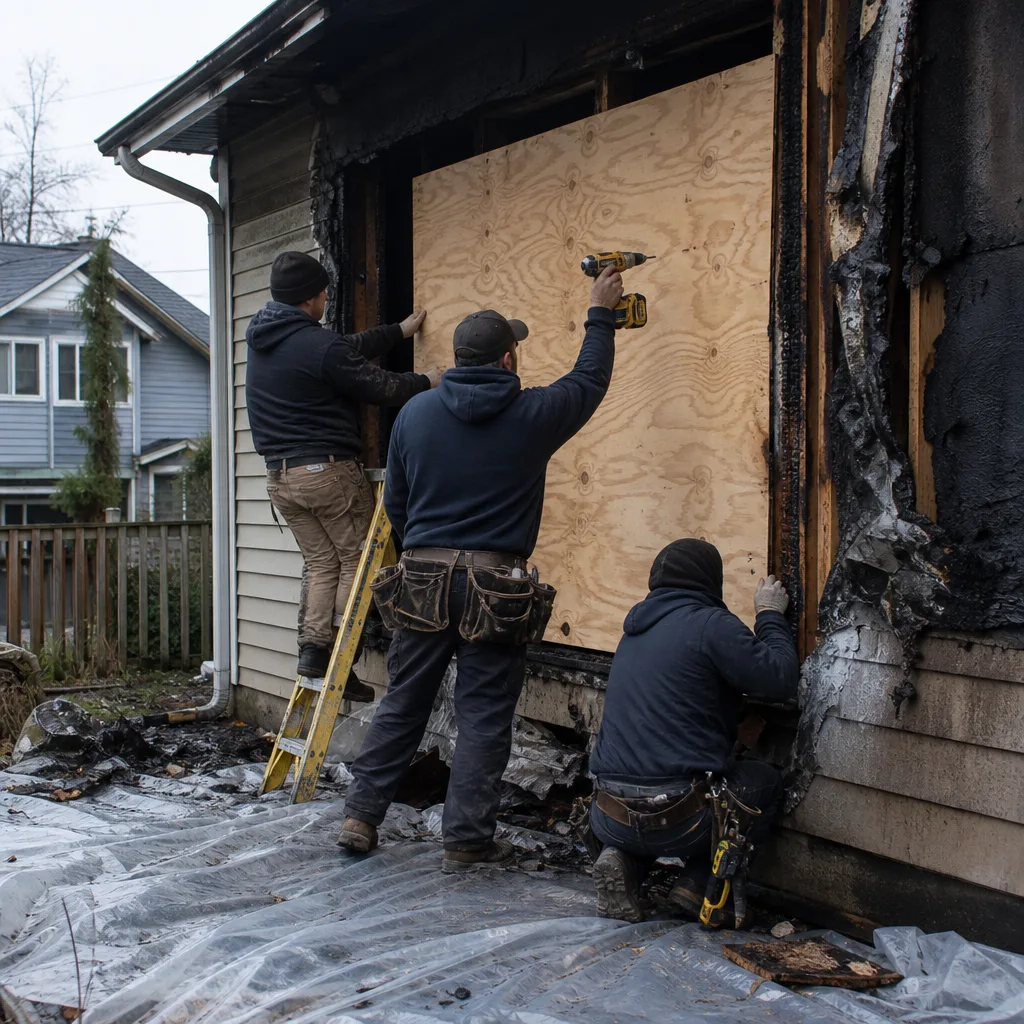
Seattle’s persistent light rain finds every compromised flashing, deteriorated boot, and ice-dam vulnerability. We trace ceiling stains to their source, document the intrusion path with photos, and dry the cavity with Injectidry hose systems before mold colonizes the insulation. For leaky-condo buildings from the 1990s-2000s boom, we coordinate whole-envelope assessment - surface moisture mapping won’t find failed weather-resistive barriers without opening the assembly.
Basement Water Removal
Seattle’s steep topography pushes groundwater toward basement foundations in ways flat cities don’t experience. We pump, extract, and dry with sub-slab depressurization when hydrostatic pressure demands it. The written scope includes vapor barrier replacement where old polyethylene has degraded.
What happens when you call
- 1
A real person answersNo phone trees - you reach a local pro.
- 2
You get an upfront price rangeHonest numbers before anyone is dispatched.
- 3
A background-checked tech heads outLicensed & insured, dispatched right away.
- 4
You approve before work beginsNothing starts until you say go.
BeforeAfterTrusted Brands We Service in Seattle
Our equipment inventory runs Dri-Eaz, Phoenix, XPOWER, B-Air, and Injectidry systems - the brands that produce the psychrometric data insurers recognize. We stock Injectidry cavity-drying panels and specialized hardwood floor drying mats locally, so Seattle jobs don’t wait on freight from out of state. Every machine is calibrated, and every reading is logged. The documentation is the product.
Common Water Damage Restoration Problems We See in Seattle Homes
- Chronically slow drying in marine-humidity conditions. Seattle’s ambient relative humidity from October through June stalls evaporation rates that drier-climate contractors assume. We size dehumidifier capacity for local conditions, not textbook averages, and we stay until the wood moisture equivalent proves dry - not until the carpet feels dry.
- Crawl-space vapor barrier failure in Craftsman bungalows. Ballard, Wallingford, and Capitol Hill homes built on pier-and-beam foundations with original or deteriorated 6-mil polyethylene sheeting pool groundwater against old-growth Douglas fir joists. One supply-line leak becomes a rot-and-mold combined scope because the barrier was already compromised.
- Leaky-condo envelope defects in 1990s-2000s construction. Inadequate flashing and missing weather-resistive barriers in that era’s condo and townhome boom create hidden water migration behind siding. Surface moisture meters read normal while wall cavities saturate. We open assemblies and document the full envelope failure for adjuster review.
- Coastal corrosion mistaken for water damage. Seattle’s salt-air and year-round damp corrode garage-door springs, hinges, rollers, and opener chains years faster than inland hardware fails. Homeowners see rust streaks and binding rollers and assume a leak - we assess whether it’s intrusion or corrosion, because the fix differs completely.
Pricing for Water Damage Restoration in Seattle, WA
Emergency water extraction in Seattle typically runs $1,200-$2,400 for residential jobs up to 1,500 square feet. Structural drying and dehumidification adds $1,600-$4,200 depending on affected square footage, material type (hardwood vs. carpet vs. plaster), and equipment days required - Seattle’s ambient humidity usually pushes toward the higher end of that range. Category 3 flood or sewage cleanup starts around $3,500 and scales with contamination extent and disposal requirements. Leaky-condo envelope assessment and whole-assembly repair runs $4,500-$12,000+ depending on how many wall cavities must be opened and how far water migrated behind the weather-resistive barrier.
What moves your price: the water category (clean, gray, or black), how many levels are affected, whether we need Injectidry cavity drying or hardwood floor rescue mats, and how many equipment days Seattle’s humidity demands. We deliver a written price before anyone starts work - Haven Standard, Clause 1 - and we review competitor estimates free if you want a second opinion. Call (425) 671-5392.
We Also Serve Cities Near Seattle
Our Seattle office dispatches crews throughout the metro, including Bellevue, Kirkland, Redmond, and Bothell. Each market carries its own humidity profile and housing stock, and we adjust equipment and timelines accordingly - but the documentation standard stays the same: written price first, photo record every visit, daily drying logs, and the 365-Day Done Right Promise under The Haven Standard.
Serving Seattle, WA - Our Local Coverage Area
We’re based in the Seattle area and know this community well. Use the map below to see our service coverage - if you’re nearby, we can almost certainly help.
FAQs - Water Damage Restoration in Seattle
Seattle’s marine layer and 150-plus precipitation days per year keep interior relative humidity elevated from October through June, so evaporation rates run 30-50% below what IICRC S500 dry times assume for drier markets. A crawl space in Ballard can still read 18% wood moisture equivalent two weeks after extraction, where the same job in Yakima closes in three days. We size dehumidifier capacity for local conditions and log daily readings until the numbers prove dry, not until the surface feels dry. Call (425) 671-5392 for a written estimate on your specific job - estimates are free.
Yes - we inspect the crawl space with every water damage call in these neighborhoods, because the original 6-mil polyethylene in 1900s-1940s homes has almost always degraded or been disturbed by prior trades. We photograph the barrier condition, test soil and joist moisture with pinless and pin-type meters, and include vapor barrier replacement in the written scope when readings show groundwater intrusion or wicking. If your crawl smells musty or your floors feel soft, the barrier has likely failed already. Call (425) 671-5392 and we’ll document what we find.
Probably not - it’s a corrosion problem that Seattle’s salt-air and chronic damp accelerate, and it mimics water damage symptoms. Rust streaks, binding rollers, and noisy chains on garage doors fail years faster here than inland because the hardware isn’t rated for marine exposure. We assess whether there’s actual water intrusion from roof runoff or foundation seepage, then recommend galvanized or coated springs, stainless hardware, and nylon rollers if the issue is atmospheric corrosion alone. Don’t rebuild a wall for a garage-door hardware problem. Call (425) 671-5392 and we’ll distinguish the two.
In Seattle’s elevated humidity, mold colonization can begin on organic surfaces within 48-72 hours of water intrusion - faster than the 72-96 hour window typical in drier climates. The combination of slow passive drying and 1900s-era construction with minimal vapor management means we almost always bid antimicrobial treatment and mold assessment as part of the water damage scope. We don’t wait for visible growth; we treat the conditions that guarantee it. Call (425) 671-5392 for immediate response - every hour matters.
Yes - leaky-condo buildings from Seattle’s 1990s-2000s construction boom have a documented pattern of failed flashing and missing weather-resistive barriers that surface moisture mapping cannot detect. We open exterior assemblies, document the full envelope failure with photos, and coordinate with structural engineers and HOAs when whole-wall repair is indicated. The scope is larger, the documentation requirements are stricter, and the adjuster review is more involved - but the process stays the same: written price before work starts, photo record every visit, daily logs. Call (425) 671-5392 for a Free Second Opinion on any competitor’s written estimate.
Written by Alicia Brennan, Owner at Back to Dry Restoration, serving Seattle since 2011.