
Last updated September 23, 2026
Free visual inspection and a written scope of work before any mitigation begins - photos, moisture readings, and drying logs go in your claim file
The scope we write is the scope we bill. Anything new gets shown to you, in writing, before we touch it.
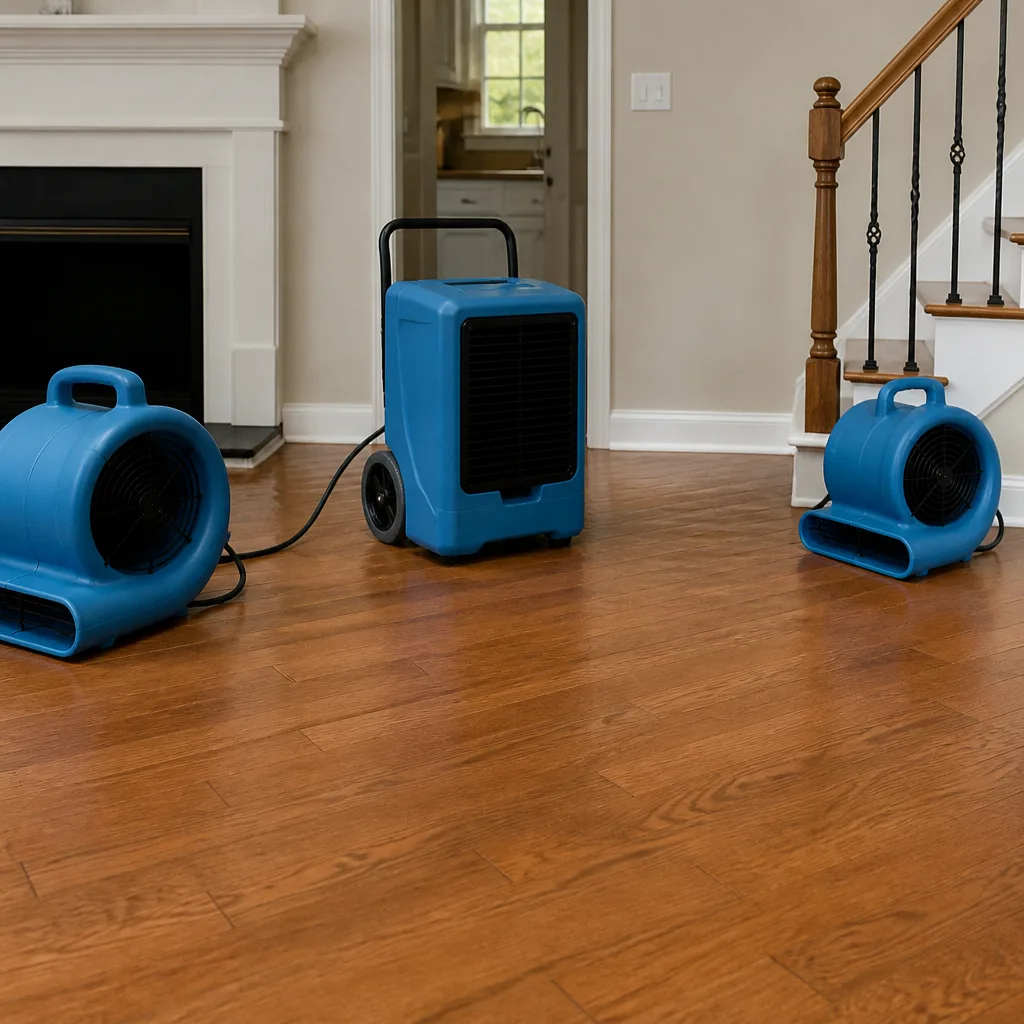
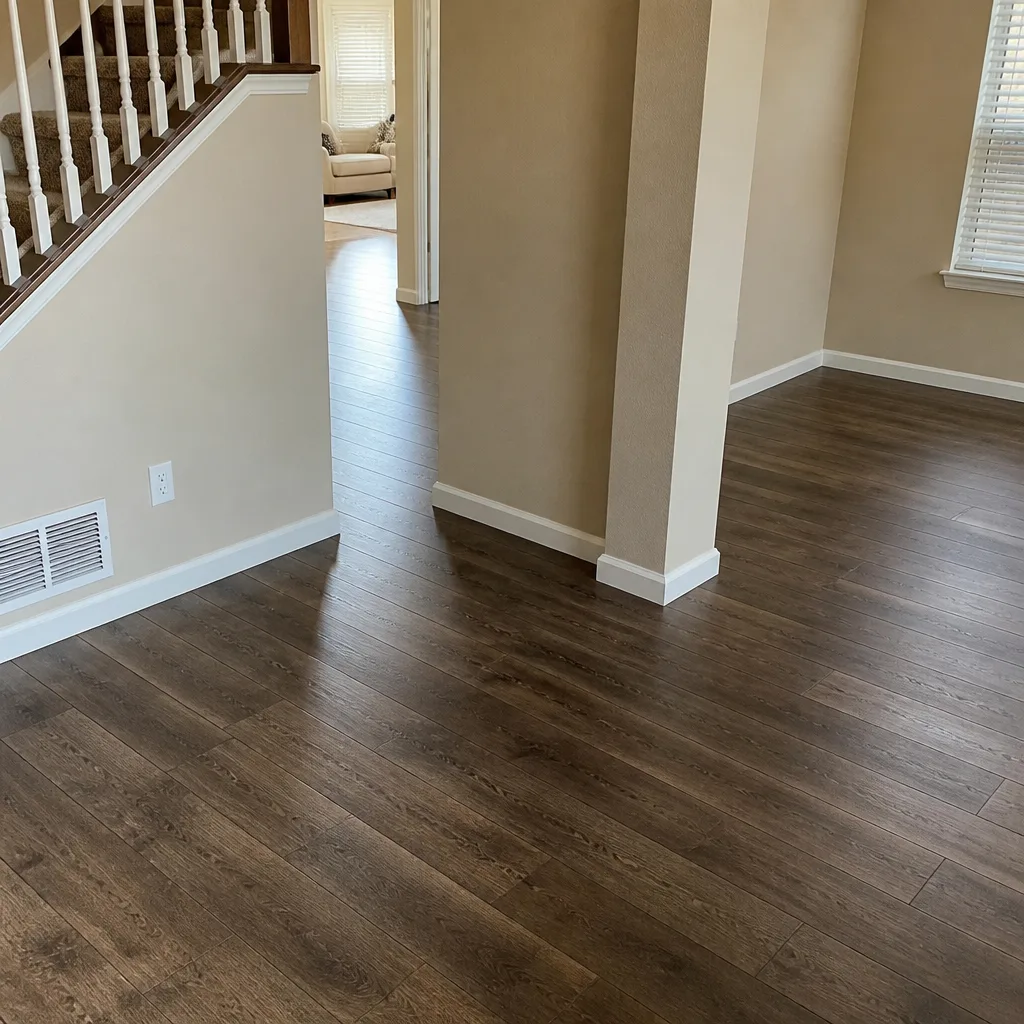
 Before
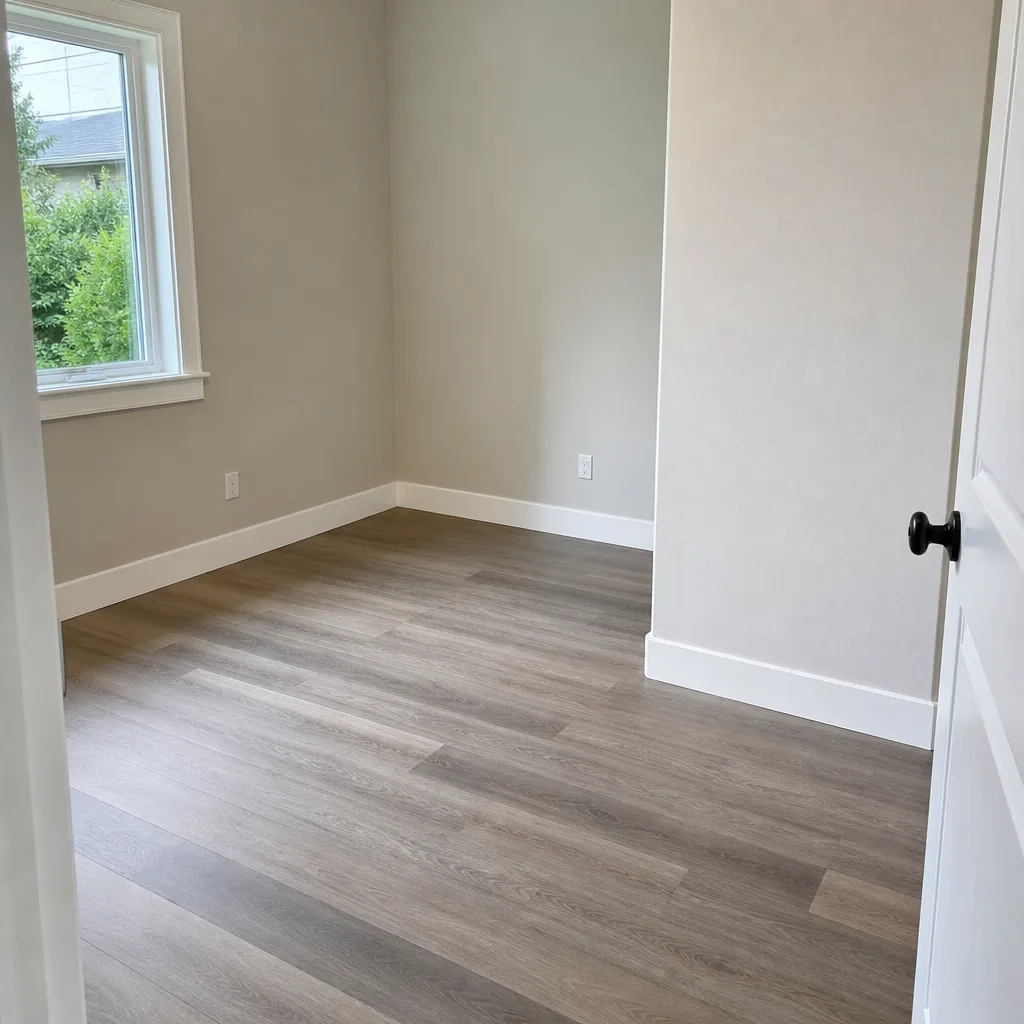 After
After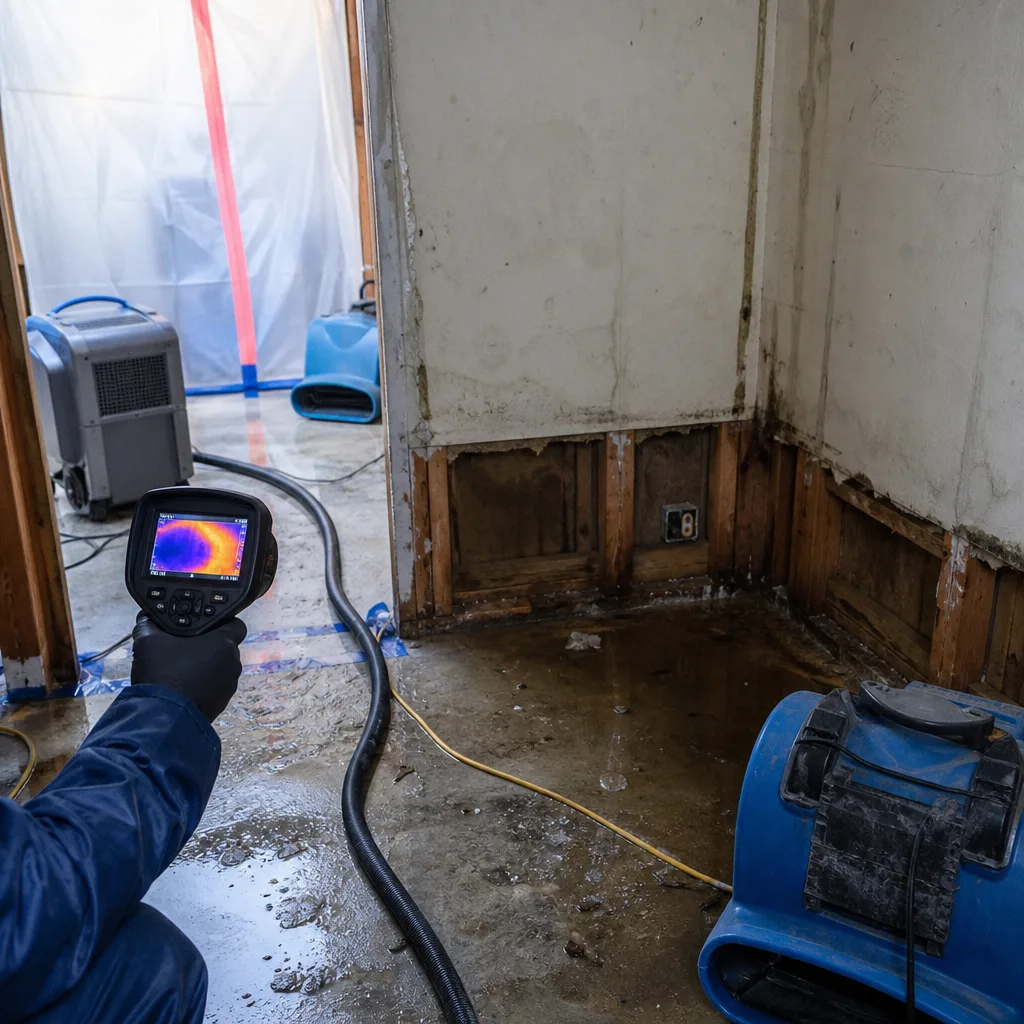 Before
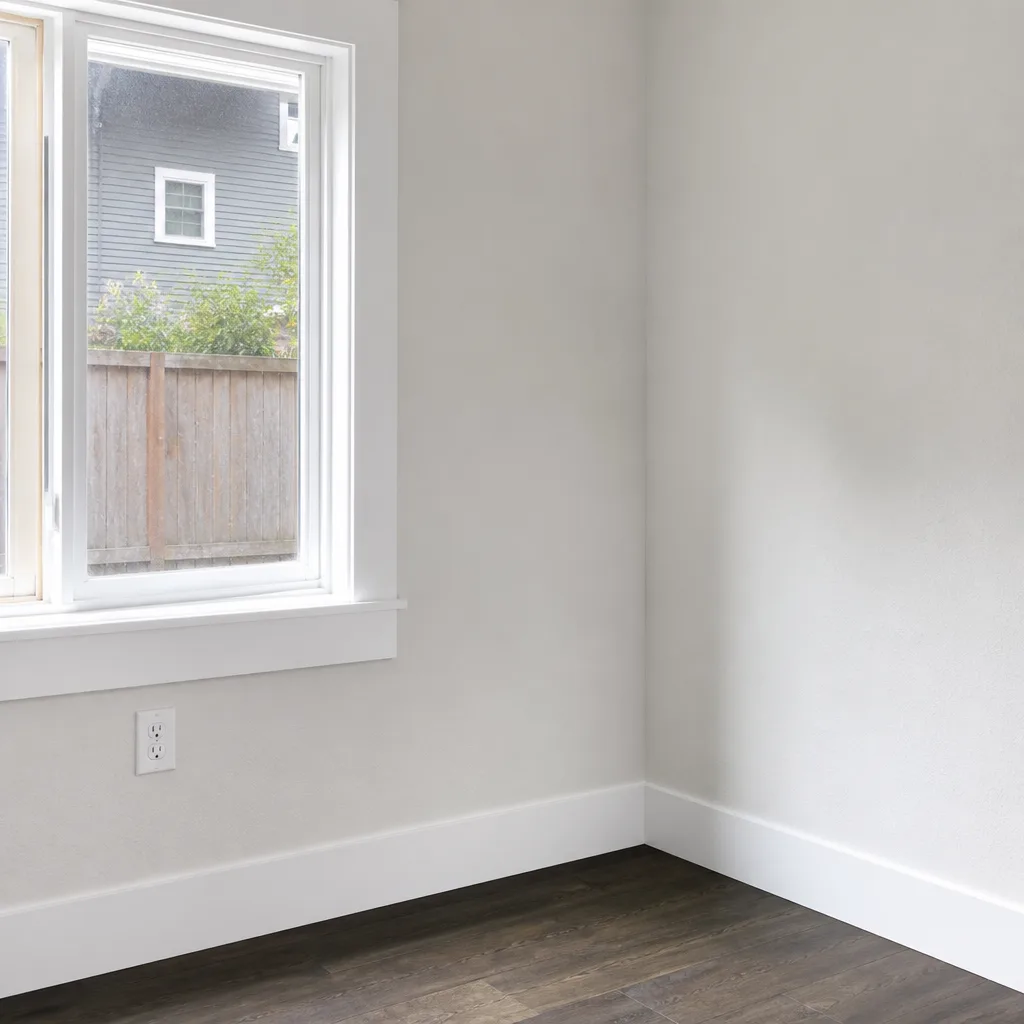 After
After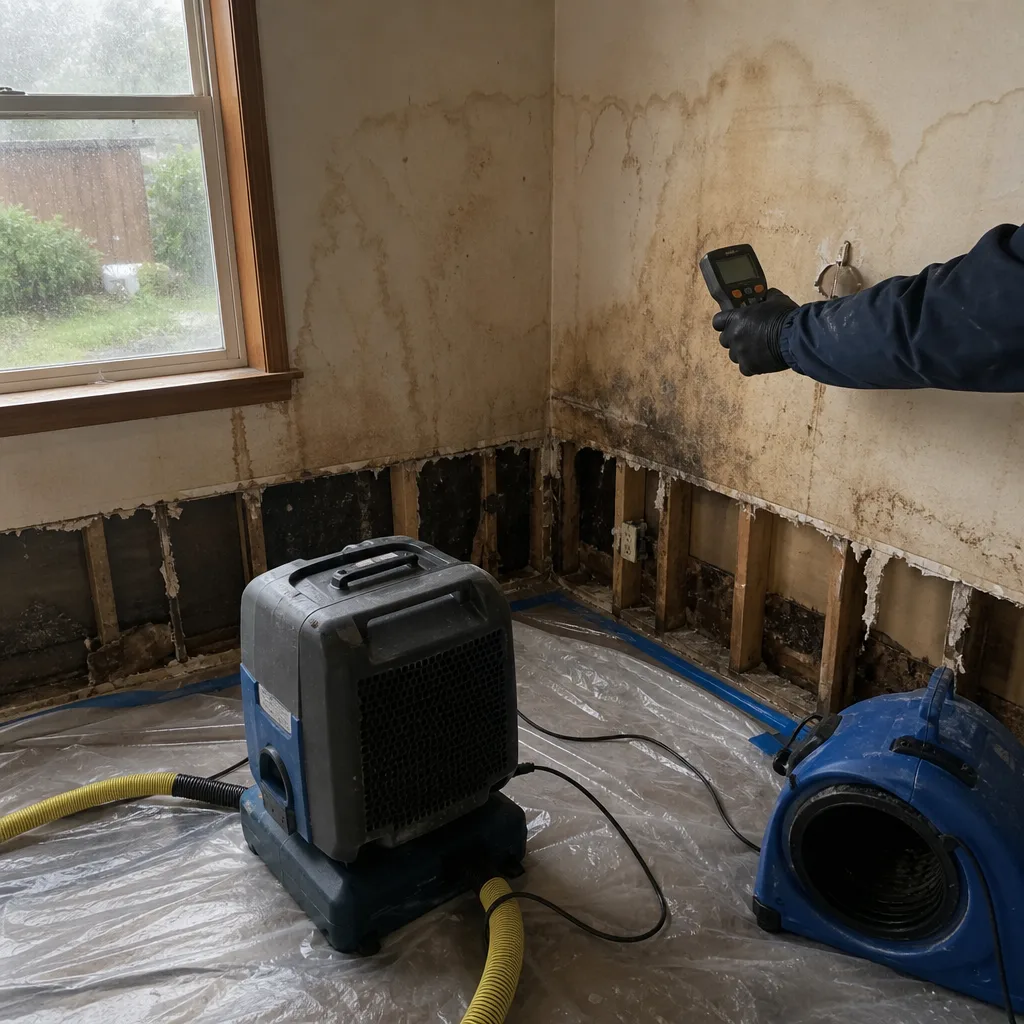 Before
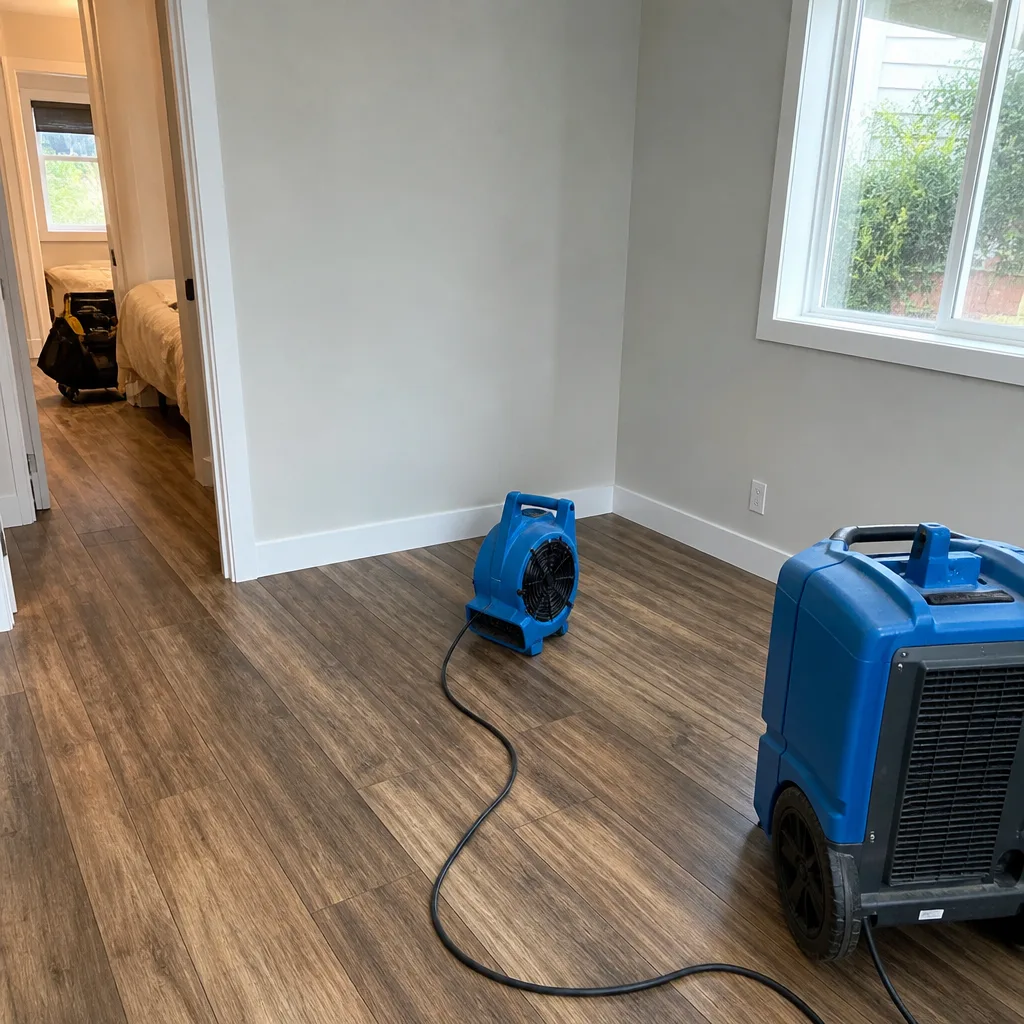 After
AfterDamage Restoration Cost Breakdown: The Seattle Homeowner’s Reference for 2026
The median water damage claim in Washington State is $11,400. The median out-of-pocket homeowner contribution after insurer adjustment is $3,200 - and in most of those cases, the gap traces to line items the contractor couldn’t substantiate with documentation rather than items the policy excluded. In Seattle’s market, restoration cost estimates for identical scopes vary by a factor of three, and that variance is not market inefficiency. It is the difference between contractors who document to insurer standards and those who produce invoices that adjusters routinely cut, leaving homeowners to cover the gap. This guide breaks down what restoration actually costs in Seattle in 2026, why documentation determines your final out-of-pocket, and how to read an estimate before you sign - for more guides & resources, see our blog.
Quick Answer
Water damage restoration in Seattle typically runs $4.50-$8.50 per square foot for Category 1 extraction and dry-out, $7.50-$14.00 for Category 2 with content handling, and mold remediation on affected framing averages $18-$32 per square foot. The single largest variable is not the damage itself but whether the contractor produces daily moisture logs, equipment placement photos, and psychrometric data that satisfy Xactimate standards. Scopes with this documentation typically recover 15-22% more from insurers than identical scopes documented only with a final invoice.
Table of Contents
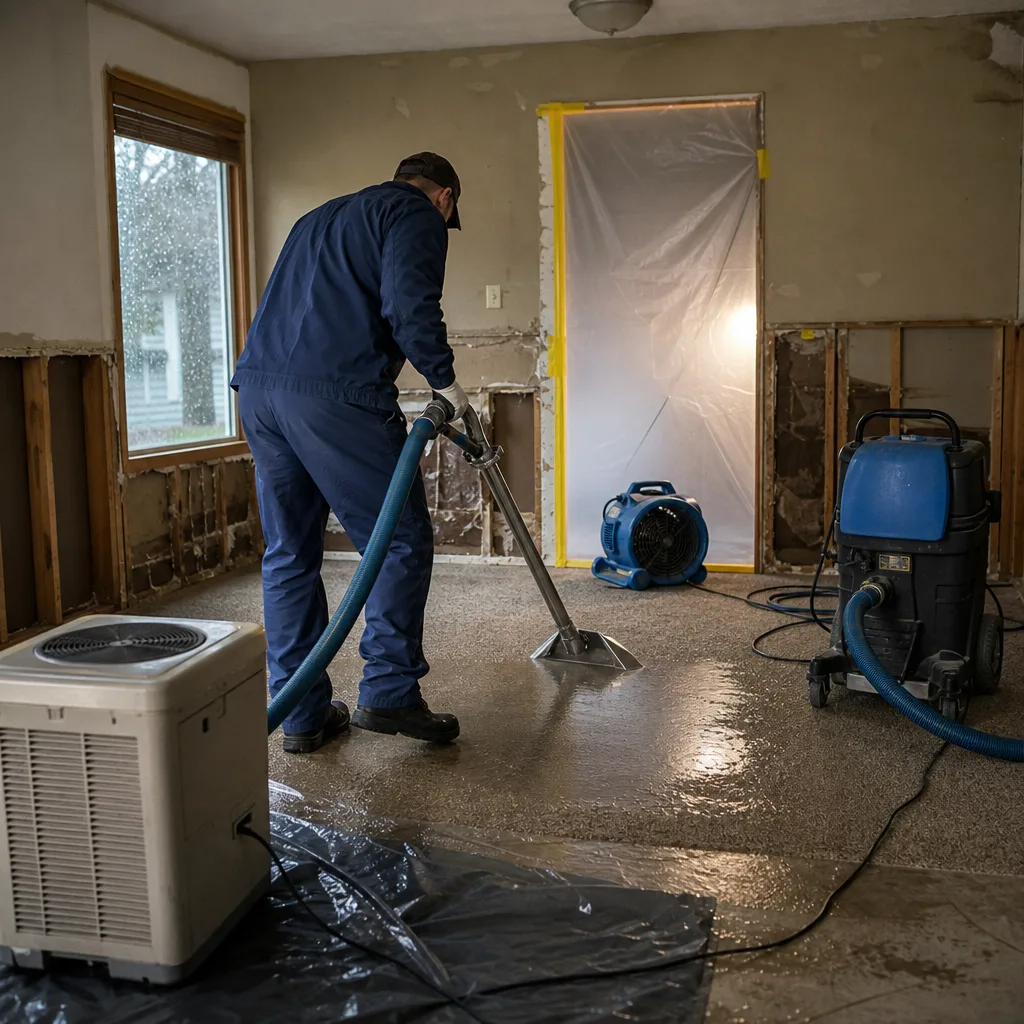
- Why Restoration Costs Vary So Widely for the Same Damage
- Seattle Line-Item Cost Reference for 2026
- Xactimate vs. Contractor Retail Pricing in Seattle
- The Documentation Multiplier: What It Actually Adds to Your Claim
- Seattle Construction Factors That Drive Cost
- Supplements: When a Scope Change Warrants an Additional Claim Line
- How to Read a Restoration Estimate Before You Sign
- Common Mistakes to Avoid
- When to Call a Professional
- Frequently Asked Questions
BeforeAfterWhy Restoration Costs Vary So Widely for the Same Damage
We have reviewed competitor estimates in Seattle for fourteen years. Two contractors can walk the same water loss in a Ballard bungalow and return with scopes $8,000 apart. The difference is rarely labor rate. It is almost always documentation depth and scope precision.
A low estimate typically omits line items that will appear later: content manipulation, specialty drying for hardwood, or decontamination of Category 2 water. The contractor knows the insurer will not pay for unstated work, so they absorb the cost, cut corners, or return with a change order mid-job. A high estimate with thin documentation will face adjuster cuts on every line, and the homeowner pays the gap.
The Haven Standard, Clause 1 requires a written price before work begins. This is not a courtesy. It is a structural protection against both problems. When every line item is priced, named, and documented before the first dehumidifier starts, the estimate becomes a contract the insurer can audit and the homeowner can enforce.
Three factors create the widest variance in Seattle:
- Water classification: Category 1 (clean supply line) vs. Category 2 (dishwasher or washing machine discharge) changes both decontamination requirements and equipment runtime by 40-60%.
- Structural access: Homes in neighborhoods like Queen Anne or Capitol Hill with finished basements and limited exterior access require more labor hours for equipment placement and monitoring than homes with unfinished crawl spaces.
- Documentation standard: Contractors who log daily moisture readings, equipment serial numbers, and grain-per-pound (GPP) data at project close produce invoices that match Xactimate line-item expectations. Those who do not see systematic downward adjustment.
Grain-per-pound measures the actual moisture content of air, corrected for temperature. In Seattle’s climate, where outdoor ambient humidity averages 78% in winter, achieving the 40-55 GPP target for structural drying requires longer equipment runtime than the same job in Spokane or Yakima. A contractor who does not log this data cannot prove the runtime was necessary.
Seattle Line-Item Cost Reference for 2026
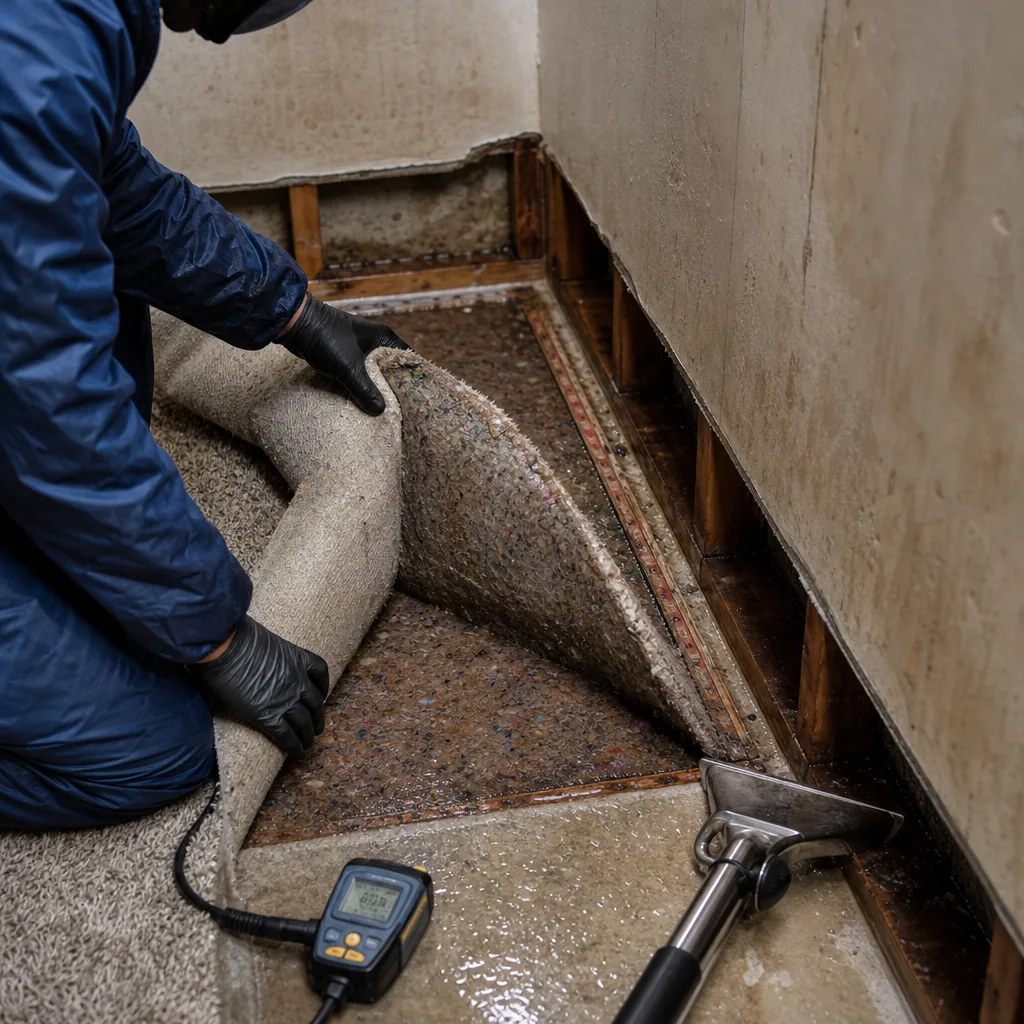
The following ranges reflect our direct experience pricing and executing scopes in Seattle’s market through late 2025, adjusted for 2026 labor and material trends. These are contractor retail ranges, not Xactimate pricing, which we address in the next section.
Water Damage Mitigation
| Service | Typical Range | Notes |
| Category 1 water extraction and dry-out | $4.50-$8.50/sq ft | Clean water, no content handling, standard structural drying |
| Category 2 water extraction, clean, and dry-out | $7.50-$14.00/sq ft | Includes surface disinfection, content pack-out, and specialized drying for affected materials |
| Category 3 (sewage/black water) | $12.00-$22.00/sq ft | Full PPE protocol, antimicrobial application, disposal of porous materials per WAC 246-205 |
| Hardwood floor drying (injectidry panel system) | $8.00-$15.00/sq ft | Salvage attempt for cupped/buckled boards; replacement if unsalvageable |
| Crawl space water extraction and drying | $3,200-$7,500 | Variable by access, standing depth, and vapor barrier condition |
Mold Remediation
| Service | Typical Range | Notes |
| Remediate mold on framing (open wall cavity) | $18-$32/sq ft of affected framing | Includes containment, HEPA air scrubbing, removal, treatment, and clearance testing |
| Drywall removal and replacement | $4.50-$9.00/linear foot | Perimeter of affected area; texture and paint match additional |
| Crawl space mold remediation with vapor barrier replacement | $5,500-$14,000 | Full encapsulation with 6-mil+ barrier, dehumidification sizing for Seattle humidity |
| Attic mold remediation | $4,500-$11,000 | Roof ventilation assessment included; sheathing replacement if delaminated |
Fire and Smoke Damage
| Service | Typical Range | Notes |
| Structural cleaning (light smoke) | $3.50-$6.50/sq ft | HVAC cleaning, surface cleaning, odor treatment |
| Structural cleaning (heavy smoke with soot) | $8.00-$16.00/sq ft | Media blasting, thermal fogging, sealed encapsulant where needed |
| Content pack-out and cleaning | $2,800-$7,500 | Inventory, photo documentation, off-site cleaning, storage |
Reconstruction (Post-Mitigation)
| Service | Typical Range | Notes |
| Drywall installation and finish | $2.80-$5.50/sq ft | Level 4 finish standard; Level 5 additional |
| Interior painting | $1.80-$3.50/sq ft | Two coats, cut-and-roll; primer for smoke-stained substrate additional |
| Floor covering replacement (LVP/carpet) | $4.50-$12.00/sq ft | Material-dependent; moisture barrier for crawl-adjacent slabs |
These ranges assume standard access, no hazardous material surprises, and a documented scope. The low end of each range typically applies to open, unfinished spaces with clear access. The high end applies to finished spaces with built-ins, limited access, or secondary damage discovered during demolition.
In our experience across Seattle neighborhoods from Wedgwood to West Seattle, the most common surprise is Category 2 water classified as Category 1 on the initial estimate. A supply line failure that runs for six hours through a kitchen with organic debris in the toe-kick space crosses from Category 1 to Category 2 by the time we arrive. The scope must change, and the documentation must show why.
Xactimate vs. Contractor Retail Pricing in Seattle
Xactimate is the estimating platform used by most insurers and many adjusters in Washington State. It sets line-item prices by geographic cost region. Seattle falls into Xactimate’s King County pricing zone, which is updated quarterly based on contractor survey data.
The gap between Xactimate pricing and contractor retail pricing is not a secret in the restoration trade. It is a structural feature of how the platform works. Xactimate tends to lag actual market costs by 6-18 months, and it systematically underprices certain line items that are common in Seattle’s market.
The largest gaps we see:
- Dehumidifier rental days: Xactimate often prices dehu-days at rates that assume standard drying cycles. In Seattle, where Douglas fir framing and high ambient humidity extend drying timelines, the actual equipment runtime runs 20-35% longer. A contractor billing Xactimate rates without documentation will absorb this cost or cut the runtime short.
- Hardwood floor drying systems: Xactimate’s allowance for specialty drying (Injectidry, Dri-Eaz Rescue Mat systems) is often below actual rental and labor cost. Contractors who do not document the salvage attempt with moisture readings before and after cannot justify the line item to an adjuster.
- Content manipulation and pack-out: Xactimate prices this by the hour, but the actual cost includes inventory photography, condition documentation, transport, storage, and return delivery. Thin documentation here produces the largest adjuster cuts we see.
- Crawl space work: Xactimate does not consistently recognize the access difficulty of Seattle’s older homes with 18-inch crawl spaces, dirt floors, and active drainage issues. The labor multiplier for confined space work is often applied inconsistently.
A contractor working on an Xactimate-based estimate without understanding these gaps will either lose money or deliver incomplete work. A contractor who documents actual conditions and submits supplements with photo evidence can close the gap. This is why The Haven Standard requires photo documentation on every visit, not as an upsell but as a standard deliverable.
We do not ask homeowners to navigate this gap alone. Our estimates show both the Xactimate line-item reference and the actual scope cost, with the difference explained in writing before work begins. Haven Standard, Clause 1: written price before work starts. No exceptions.
The Documentation Multiplier: What It Actually Adds to Your Claim
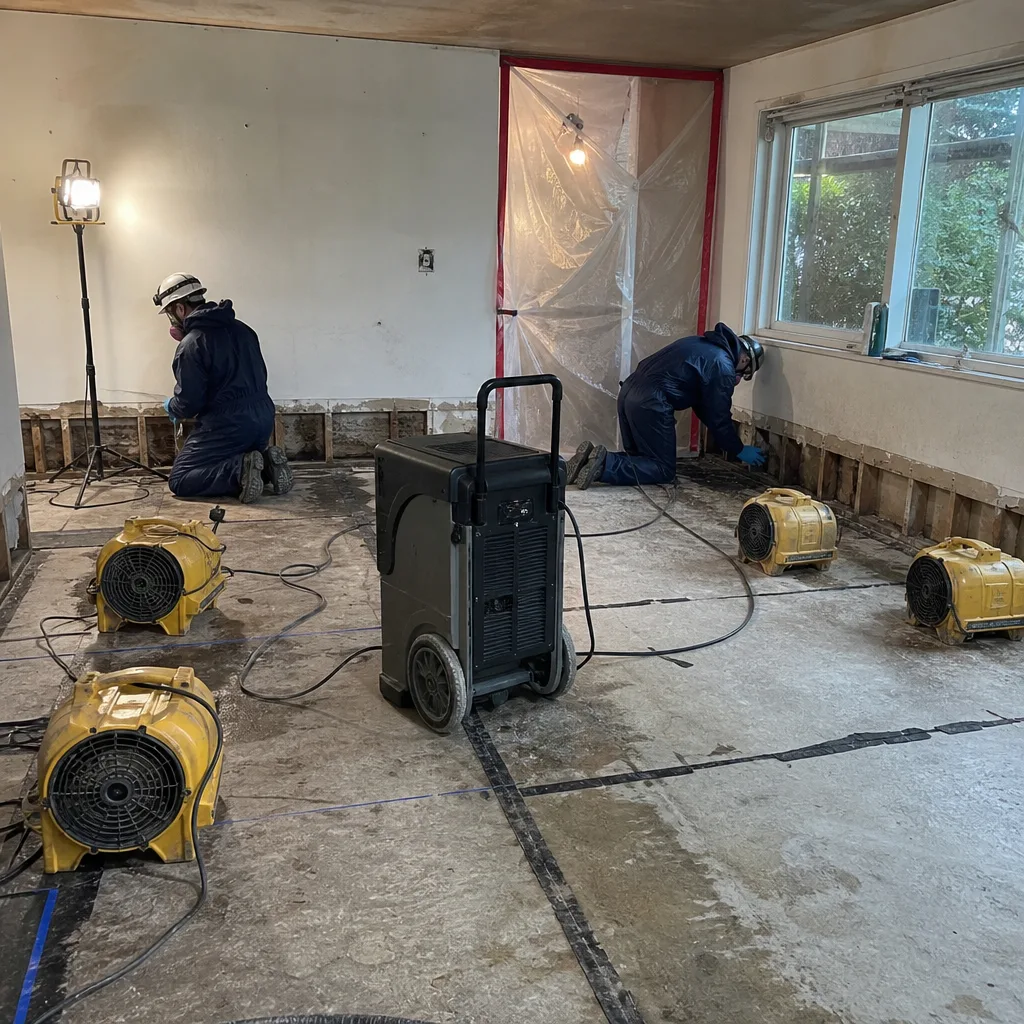
In 2019, we began tracking claim recovery rates by documentation depth. The pattern is consistent and measurable. Scopes with daily moisture logs, equipment placement photos, and grain-per-pound readings at project close recover 15-22% more from insurers than identical scopes documented only with a final invoice.
This is not because insurers pay more for paperwork. It is because adjusters have a mandate to verify every line item. A line item without supporting documentation is a line item at risk. A line item with dated photos, serial-numbered equipment logs, and psychrometric data is a line item that survives audit.
What “full documentation” means in practice:
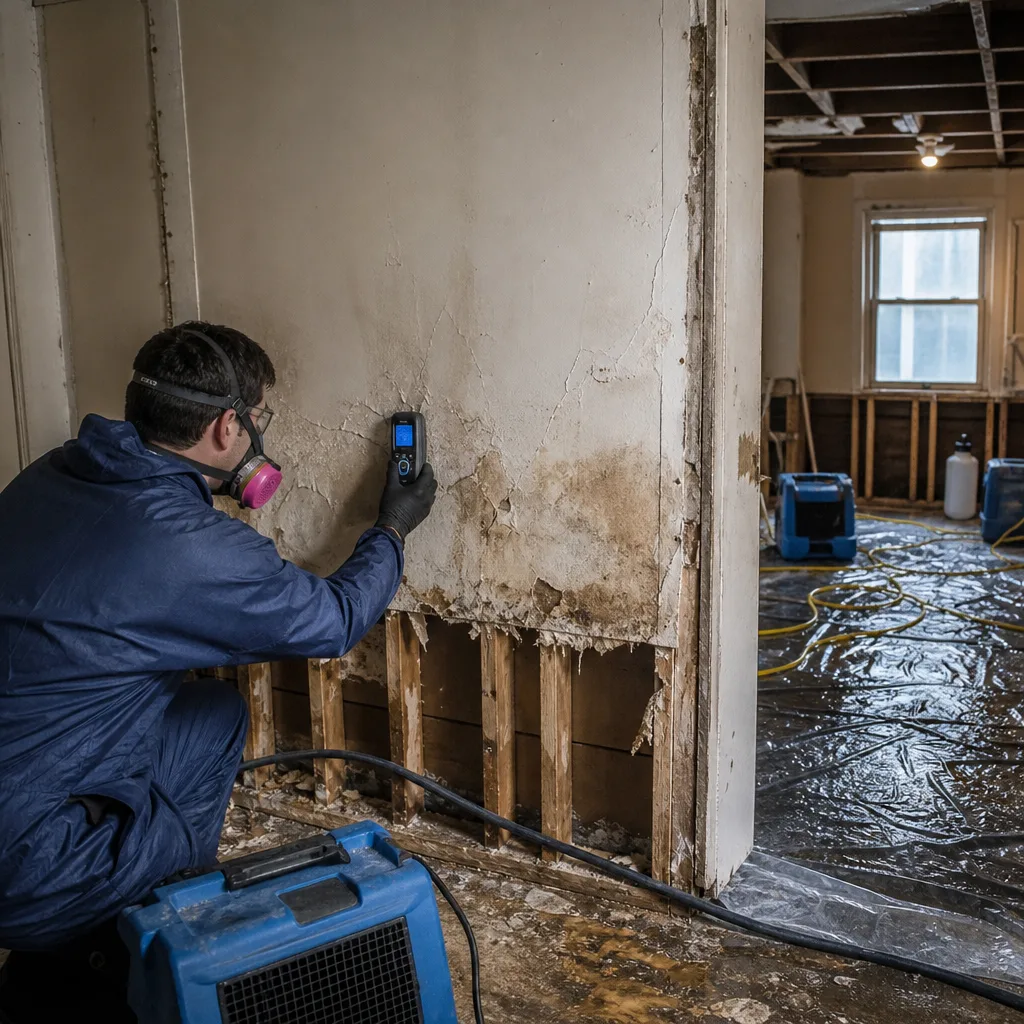
- Daily moisture readings - recorded by room, by material, with meter type and calibration date. We use pin and pinless meters from Delmhorst and Protimeter, logged to IICRC S500 standards. The reading shows progress toward dry standard and justifies continued equipment rental.
- Equipment placement photos - dated, geotagged, showing serial numbers of Dri-Eaz, Phoenix, or XPOWER units in position. These prove the equipment was present, operational, and correctly placed for the air distribution pattern.
- Psychrometric data - temperature, relative humidity, and GPP readings at equipment placement, daily monitoring, and project close. This data, recorded on hygrometers traceable to NIST standards, proves the drying chamber was controlled and that target conditions were achieved.
- Photo record of affected materials before, during, and after - not a phone snapshot but a systematic record with scale reference, showing the progression from wet to dry or the justification for removal.
- Written scope with line-item pricing, signed before work begins - Haven Standard, Clause 1. The scope that the adjuster audits is the scope the homeowner approved.
The 15-22% recovery difference translates directly to homeowner out-of-pocket. On a $15,000 water damage scope, that is $2,250-$3,300 the homeowner does not pay. On larger losses in Seattle’s higher-value neighborhoods, the absolute dollar difference is substantially greater.
We have seen the reverse as well. A homeowner in Magnolia brought us a competitor’s final invoice for $18,400, with $6,200 disallowed by the adjuster. The invoice listed “dry-out services” as a single line. No daily logs, no equipment photos, no moisture readings. The adjuster applied a standard per-square-foot allowance and cut everything above it. The homeowner paid the $6,200. Our Free Second Opinion on Any Written Estimate exists for exactly this situation.
Seattle Construction Factors That Drive Cost
Seattle’s building stock and climate create restoration conditions that do not apply uniformly across Washington State. A contractor pricing from a national template will miss these factors and either underbid or overbill. For a deeper look at local requirements, see our guide to Damage Restoration Permits, Codes & Inspections in WA: What You Need to Know.
Douglas fir framing dries slower than SPF lumber. Most pre-1980s Seattle homes, and many later ones, use Douglas fir for framing. Its specific gravity and resin content mean it releases moisture more slowly than the spruce-pine-fir (SPF) common in newer construction or eastern markets. Longer equipment runtime is not padding; it is physics. We document the wood species in our scope notes and reference the extended drying timeline in our daily logs.
Board sheathing requires longer drying cycles than OSB. Homes in neighborhoods like Wallingford, Fremont, and parts of Rainier Valley with original board sheathing (typically 1×6 or 1×8, installed diagonally) present a different drying profile than OSB-sheathed structures. Board sheathing has more air gaps but also more exposed surface area that wicks water. Drying must proceed carefully to prevent warping that compromises siding attachment. We have replaced board sheathing that was rushed through drying and buckled, requiring siding removal to repair.
Seattle’s ambient outdoor humidity extends drying timelines. The Pacific marine climate means outdoor air is rarely a useful drying tool. In Spokane or Tri-Cities, a contractor might ventilate with outdoor air on dry days. In Seattle, outdoor air in winter averages 78% relative humidity, and summer rarely drops below 60%. Effective drying requires mechanical dehumidification for virtually the entire project. This is not a choice; it is a climate constraint that affects equipment sizing and runtime.
Older plumbing and galvanized supply lines. Seattle’s housing stock includes thousands of homes with original galvanized steel supply lines, particularly in pre-1960 construction. These lines fail catastrophically when they go, and the failure is often hidden in wall cavities until significant damage has occurred. The restoration scope must include exploratory opening to verify the full extent, and the documentation must show why areas with no visible water still required treatment.
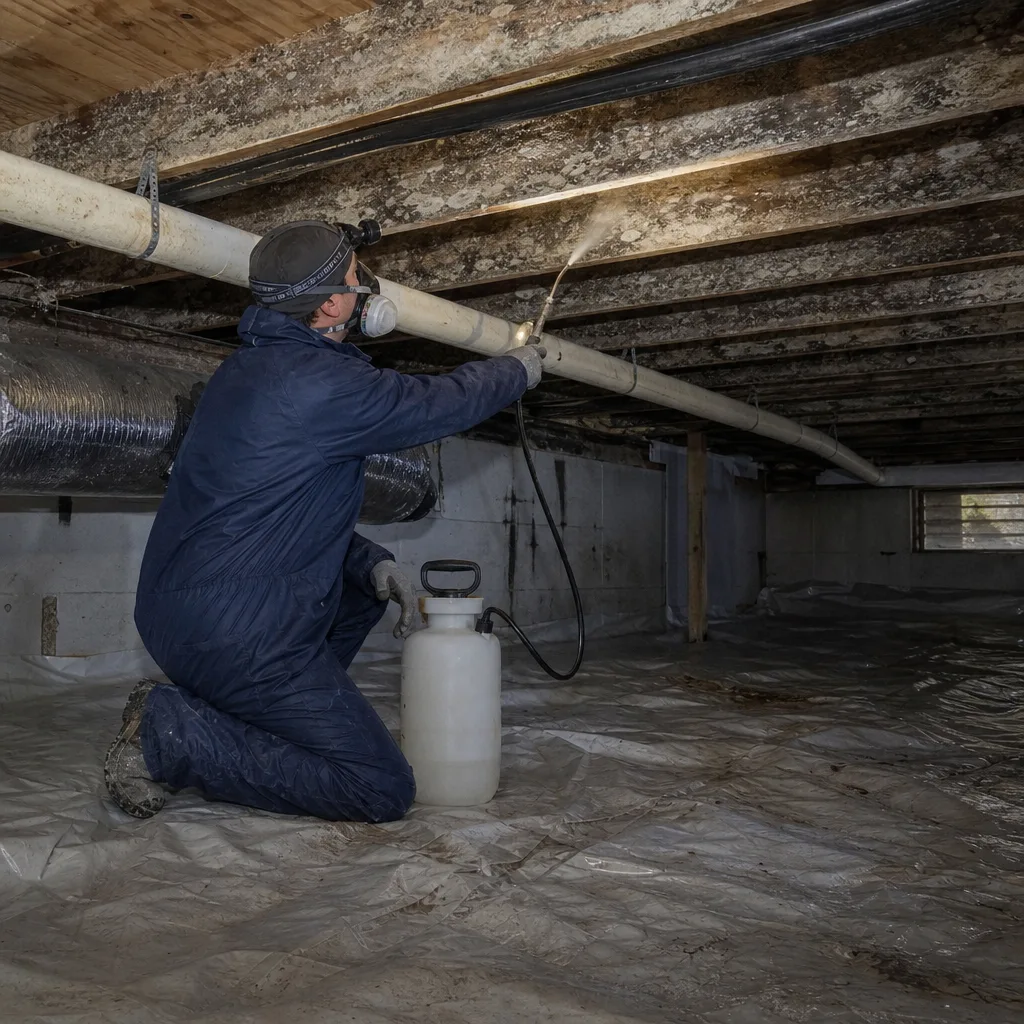
Crawl space culture. Seattle’s combination of clay soils, high water tables in some neighborhoods, and original construction without vapor barriers creates a regional specialty: the chronically damp crawl space. Remediation here is not a single event but a system design problem. A vapor barrier replacement in Seattle typically requires 6-mil minimum polyethylene, sealed seams, and often mechanical dehumidification sized for the space. The cost ranges we provided earlier assume this standard; cut-rate barrier jobs without dehumidification fail within two years in our climate.
Supplements: When a Scope Change Warrants an Additional Claim Line
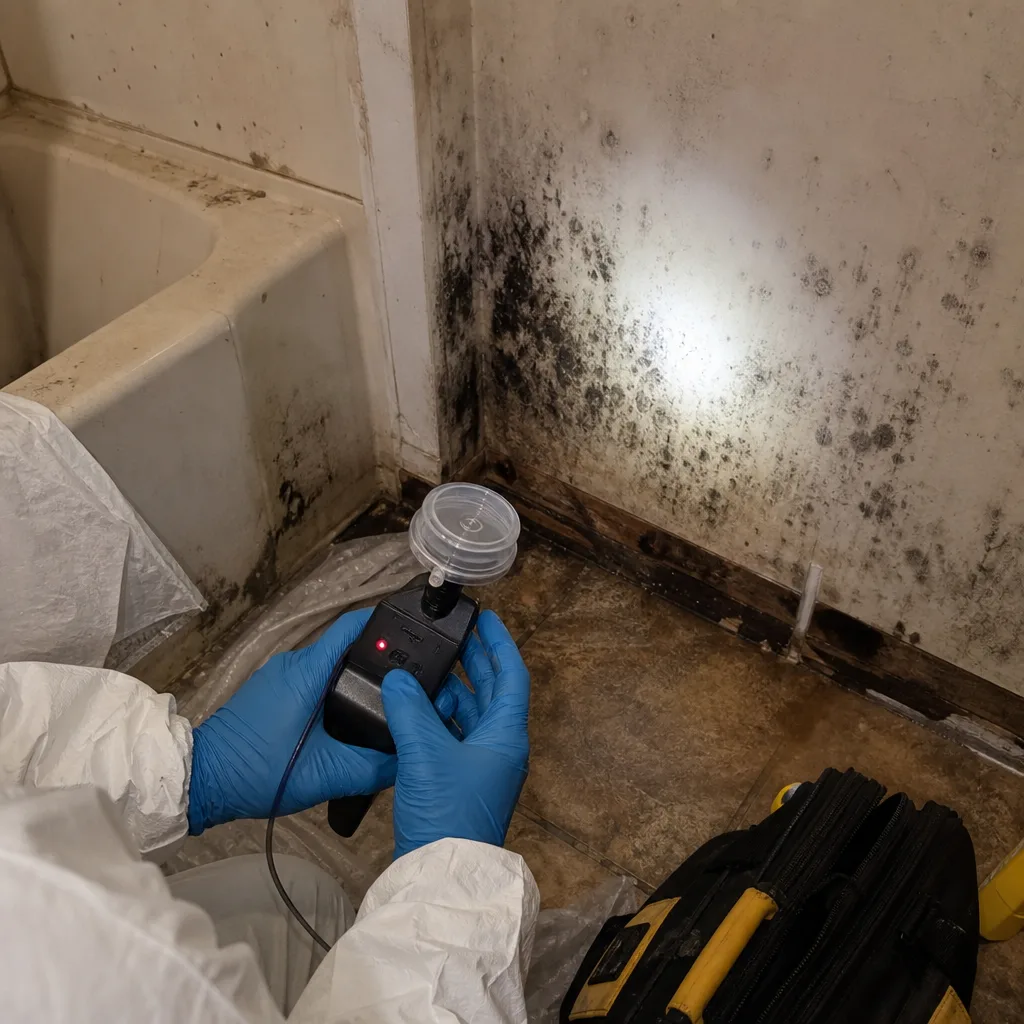
A supplement is an additional claim request submitted after the initial scope is approved, based on conditions discovered during work that could not have been reasonably identified in the original estimate. Supplements are legitimate, common, and often necessary. They are also the most disputed part of restoration billing, because they can mask scope creep.
The difference between a legitimate supplement and an illegitimate one is documentation of the discovery.
Legitimate supplement scenarios we have handled in Seattle:
- Water migration behind a tiled shower surround, discovered only when demolition reached the substrate. The original scope assumed drywall wetting; the actual condition required cement board removal, subfloor treatment, and extended drying. Documented with photos of the hidden cavity, moisture readings of the subfloor, and a revised timeline.
- Mold on framing behind a kitchen cabinet bank, not visible until contents were removed per the original Category 2 scope. The mold was not present at the initial inspection because the cabinet blocked access. Documented with containment photos, air scrubber logs, and pre-remediation mold assessment.
- Asbestos-containing mastic under vinyl flooring in a pre-1980s home, discovered during demolition. Required abatement contractor referral and revised timeline. Documented with sampling lab results and abatement scope.
Illegitimate supplements we have reviewed:
- Extended equipment rental with no daily logs showing continued need.
- Additional rooms added to scope with no photo evidence of water migration.
- “Upgraded” materials not requested by the homeowner or required by code.
The paperwork required to support a supplement without triggering adjuster dispute:
- Date-stamped photos of the condition that necessitated the change, with scale reference and location notes.
- Written narrative explaining why the condition was not discoverable at initial inspection.
- Revised scope with line-item pricing, presented to the homeowner for approval before additional work proceeds.
- Communication to the adjuster with the above documentation, requesting approval before work continues where possible, or documenting the emergency nature if immediate action was required.
The Haven Standard requires this documentation for any supplement. We do not proceed with additional work on a signed scope without a signed amendment. This protects the homeowner from surprise charges and protects the claim from adjuster rejection.
How to Read a Restoration Estimate Before You Sign
An estimate is a contract. In Washington State, a restoration contractor cannot perform work without a signed written estimate for work exceeding $500. The quality of that estimate determines your financial exposure.
Seven elements every estimate should contain:
- Water classification stated explicitly. Category 1, 2, or 3. If it says “water damage” without classification, the scope is not defined and the price is not fixed.
- Affected square footage by room or zone. Not a single total but a breakdown showing where the water traveled.
- Line-item equipment list with quantities and rental periods. “Dehumidifiers: 3 units x 5 days” not “drying equipment: $2,400.”
- Content handling scope. Pack-out, on-site cleaning, or none stated. Ambiguity here produces mid-job surprises.
- Demolition and disposal line items. What comes out, to what level, and who hauls it.
- Reconstruction scope or explicit exclusion. Does the estimate include putting it back together, or is this mitigation only? Both are valid, but the estimate must state which.
- Documentation deliverables. What you receive: daily logs, photo record, final moisture readings, written warranty. If it is not listed, you will not receive it.
Red flags that should pause your signature:
- Pressure to sign before you have read the full scope. Haven Standard, Clause 1 exists to end this practice.
- A single “lump sum” line with no breakdown. This is not an estimate; it is a blank check.
- No mention of your insurance policy, claim number, or adjuster contact. Even if you are paying out of pocket, the estimate should be structured to insurance standards for your protection.
- Verbal assurances that “we’ll work it out with insurance.” Your financial obligation is to the contractor, not the insurer. The insurer’s obligation is to you, based on your policy terms. These are separate relationships.
We provide a Free Second Opinion on Any Written Estimate. Bring a competitor’s quote and we will review it at no charge, line by line, and explain what is missing, what is inflated, and what documentation would be required to support each line to an adjuster. This is not a sales pitch. It is a service we have offered since 2011 because documentation gaps cost homeowners their claims. For help spotting problems early, see Damage Restoration Warning Signs: A Seattle Homeowner’s Reference Guide.
Common Mistakes to Avoid
- Waiting for the insurance adjuster before calling a contractor. In Seattle’s climate, water damage compounds quickly. Mold growth begins in 48-72 hours on organic materials. The contractor’s initial documentation establishes the baseline condition that the adjuster will later verify. Delay risks both the structure and the claim.
- Accepting a “mitigation only” bid without understanding reconstruction costs. A $4,500 dry-out seems manageable until you discover the rebuild is $18,000 and your policy limit or contractor selection is constrained by the initial choice.
- Ignoring the vapor barrier in crawl space work. Seattle’s humidity means a dried crawl space without proper barrier and ventilation will re-wet. We have re-mitigated crawl spaces that were “dried” by contractors who omitted this step.
- Assuming all Category 1 water stays Category 1. Time and temperature degrade water classification. A supply line failure that runs overnight through a kitchen with food debris becomes Category 2 by morning. The estimate must be revised, and the documentation must show why.
- Signing an estimate with open-ended “time and materials” language. This contradicts Haven Standard, Clause 1 and exposes you to unlimited liability. A written price before work begins is a right, not a favor.
- Not requesting the daily drying log at project close. This document is your proof that drying standards were achieved. Without it, you have no defense if mold appears later or the insurer questions the scope.
When to Call a Professional
Call immediately when water is actively flowing, when you smell mold but cannot locate the source, when fire or smoke has affected multiple rooms, or when sewage is involved. These are not diagnostic situations; they are mitigation emergencies where delay increases damage and cost.
Call within 24 hours when you discover water staining that has dried, a single room with visible mold under 10 square feet, or a minor appliance leak that you have contained. These may be manageable scopes, but they require assessment to determine whether hidden damage exists.
For reconstruction and non-emergency remediation, schedule an assessment when you are ready to review a written scope and price before committing. This work is scoped, scheduled, and priced in writing like any professional construction project. Unsure whether to handle it yourself? Read DIY vs Professional Damage Restoration: The Seattle Homeowner’s Decision Guide.
Water Damage Restoration in Seattle from Back to Dry includes emergency response with live phone coverage 24 hours a day, 7 days a week, no voicemail on emergency lines. DryMark Restoration Seattle home offers free estimates across our service area. Call (425) 671-5392 for a written price before work begins, documented to The Haven Standard.
Frequently Asked Questions
Category 1 water extraction and dry-out typically runs $4.50-$8.50 per square foot, Category 2 with content handling runs $7.50-$14.00 per square foot, and Category 3 sewage losses run $12.00-$22.00 per square foot. The largest variable is documentation depth: scopes with daily moisture logs and equipment photos typically recover 15-22% more from insurers than identical scopes with thin documentation. Call (425) 671-5392 for a written estimate on your specific loss - estimates are free.
Most standard homeowners policies cover sudden and accidental water damage from supply line failures, appliance malfunctions, and storm intrusion through damaged roofing. They typically exclude gradual leaks, maintenance-related failures, and flooding from exterior surface water. The key factor is not policy language alone but whether the contractor’s documentation proves the loss was sudden and the scope was necessary. We coordinate directly with adjusters and provide the photo documentation that supports claim approval.
For active water losses, fire damage, and sewage backups, we maintain live phone coverage 24 hours a day, 7 days a week with no voicemail on emergency lines. Response time varies by current demand and your location within our service area, but emergency dispatch is our standard protocol for these categories. Reconstruction and non-emergency remediation are scheduled by appointment, with a written scope and price provided before any work is confirmed.
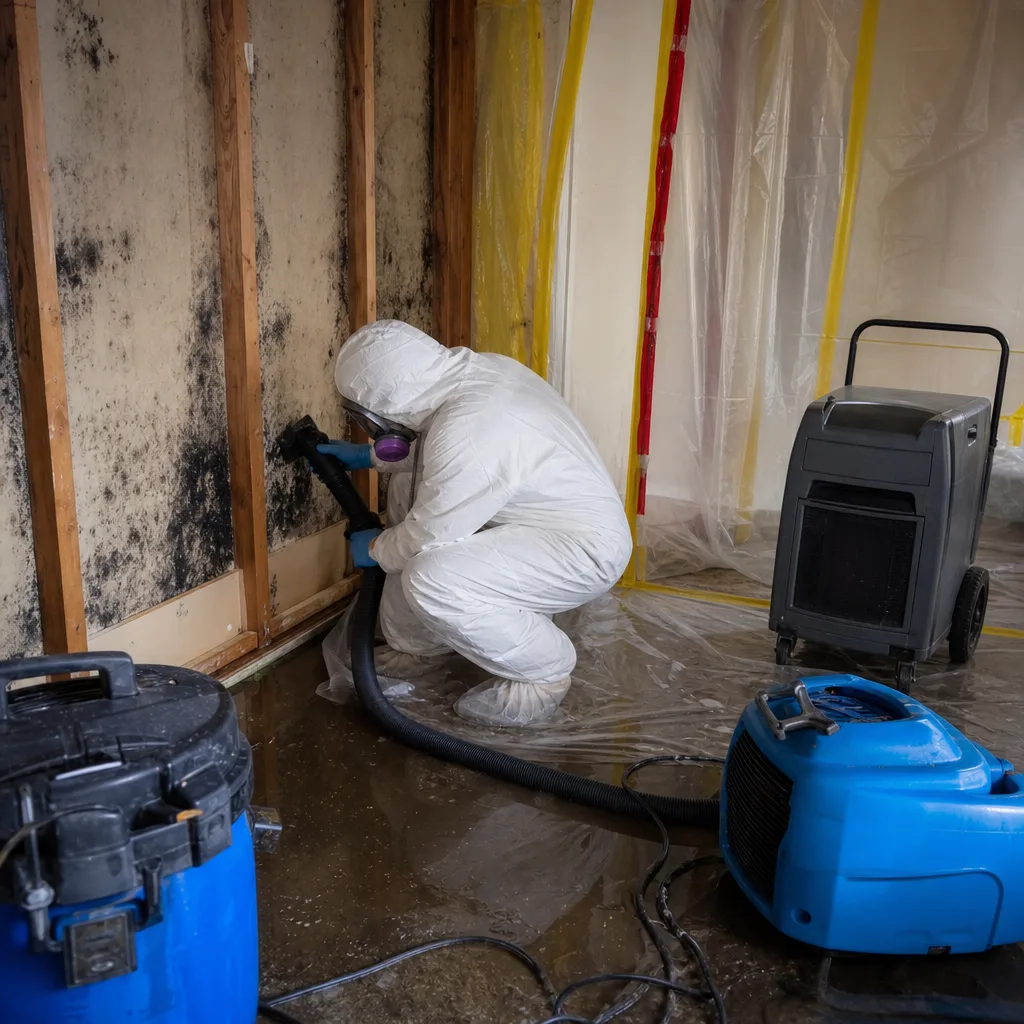
If mold is visible on porous materials like drywall or insulation, or if it covers more than 10 square feet, remediation with containment and air scrubbing is typically required per IICRC S520 standards. Surface cleaning alone is appropriate only for non-porous materials with limited growth in a contained area. We assess with moisture readings and air sampling where indicated, then provide a written scope with the specific protocol required. Our Mold Remediation in Seattle page details our approach.
We coordinate directly with your adjuster, providing the daily documentation, photo records, and written scopes that adjusters require to approve line items. You remain the policyholder and must authorize the scope, but we handle the technical communication that turns restoration work into payable claims. This documentation-first approach is the reason Back to Dry was founded by a former claims adjuster in 2011.
Xactimate is the estimating software used by most insurance adjusters to price restoration work by geographic region. Seattle falls in the King County pricing zone. Xactimate prices often lag actual market costs, particularly for equipment rental days and specialty drying systems. A competent contractor understands these gaps and documents actual conditions to support supplements where needed. Our estimates show both Xactimate references and actual scope costs, with differences explained in writing.
If any work we perform is not done right, we make it right within 365 days of project completion. This is a written guarantee, not a verbal assurance, stamped on every job folder. It covers workmanship and material defects in our mitigation and reconstruction work. It does not cover new, unrelated damage or conditions that existed before our work. The warranty is transferable if you sell your home during the coverage period.
The Bottom Line
Restoration cost in Seattle is not a mystery; it is a function of scope precision and documentation depth. The homeowner who receives a written price before work begins, daily logs during the project, and a photo record at close has both financial protection and claim leverage. The homeowner who accepts a lump-sum estimate and a final invoice absorbs the risk of both contractor corner-cutting and adjuster disallowed items. At 12,000 homes restored since 2011, we have documented every job to The Haven Standard because documentation is what turns a restoration invoice into a claim an insurer will pay without a fight.
Written by Alicia Brennan, Owner at DryMark Restoration Seattle, serving Seattle since 2011.