
Last updated September 23, 2026
Free visual inspection and a written scope of work before any mitigation begins - photos, moisture readings, and drying logs go in your claim file
The scope we write is the scope we bill. Anything new gets shown to you, in writing, before we touch it.
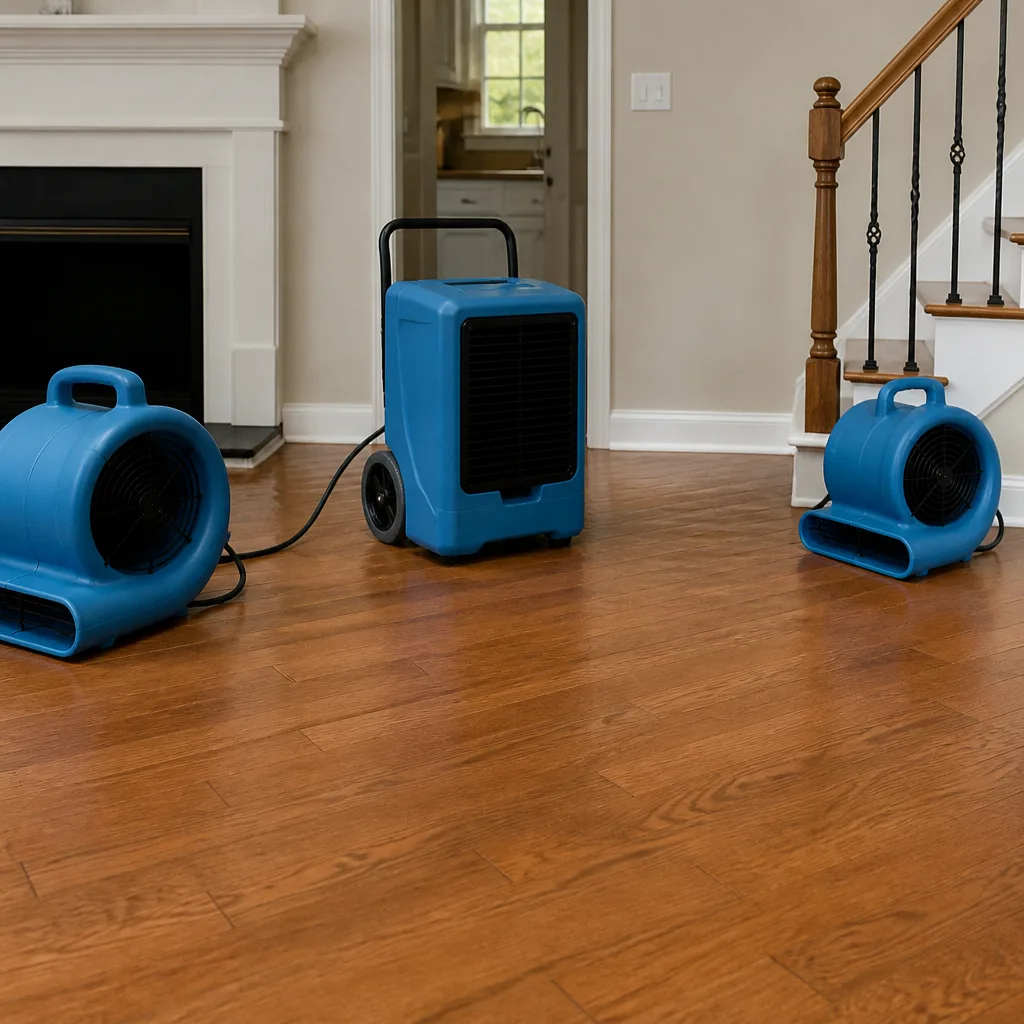
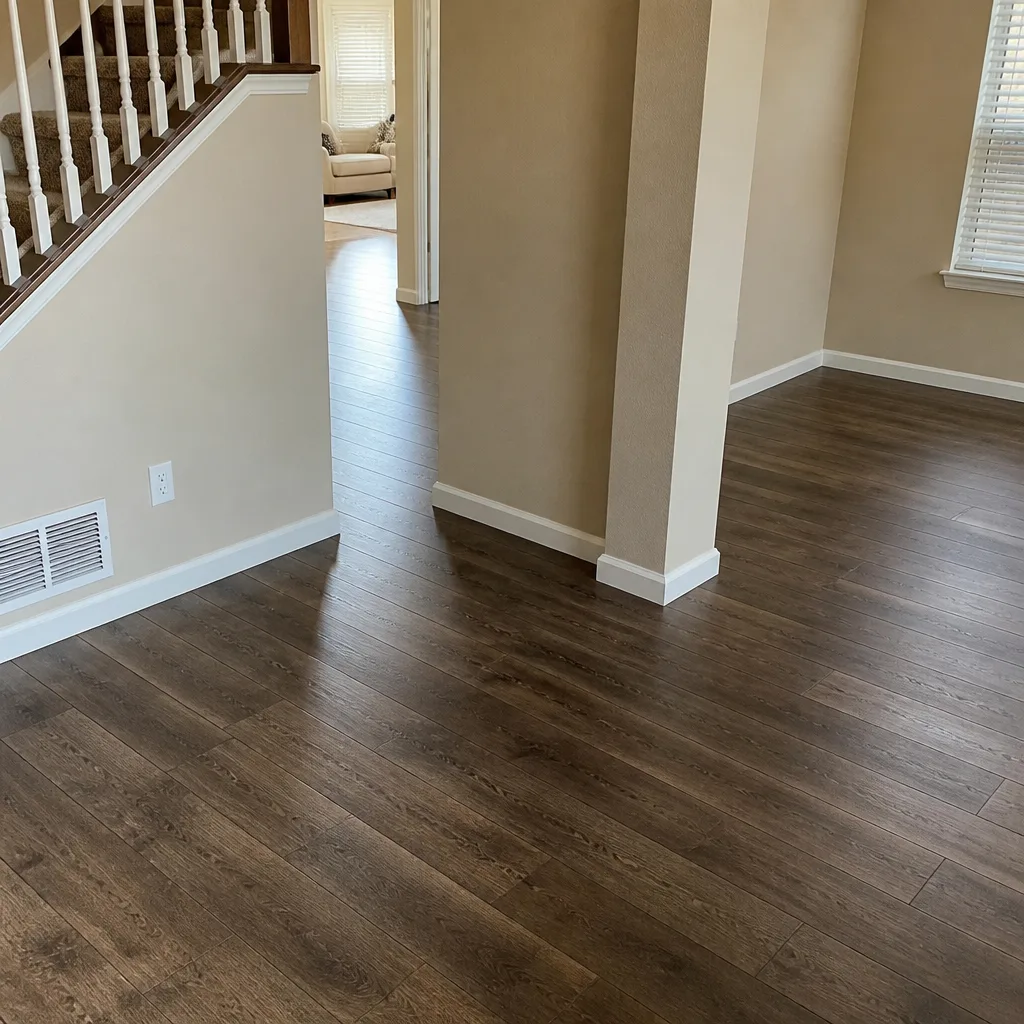
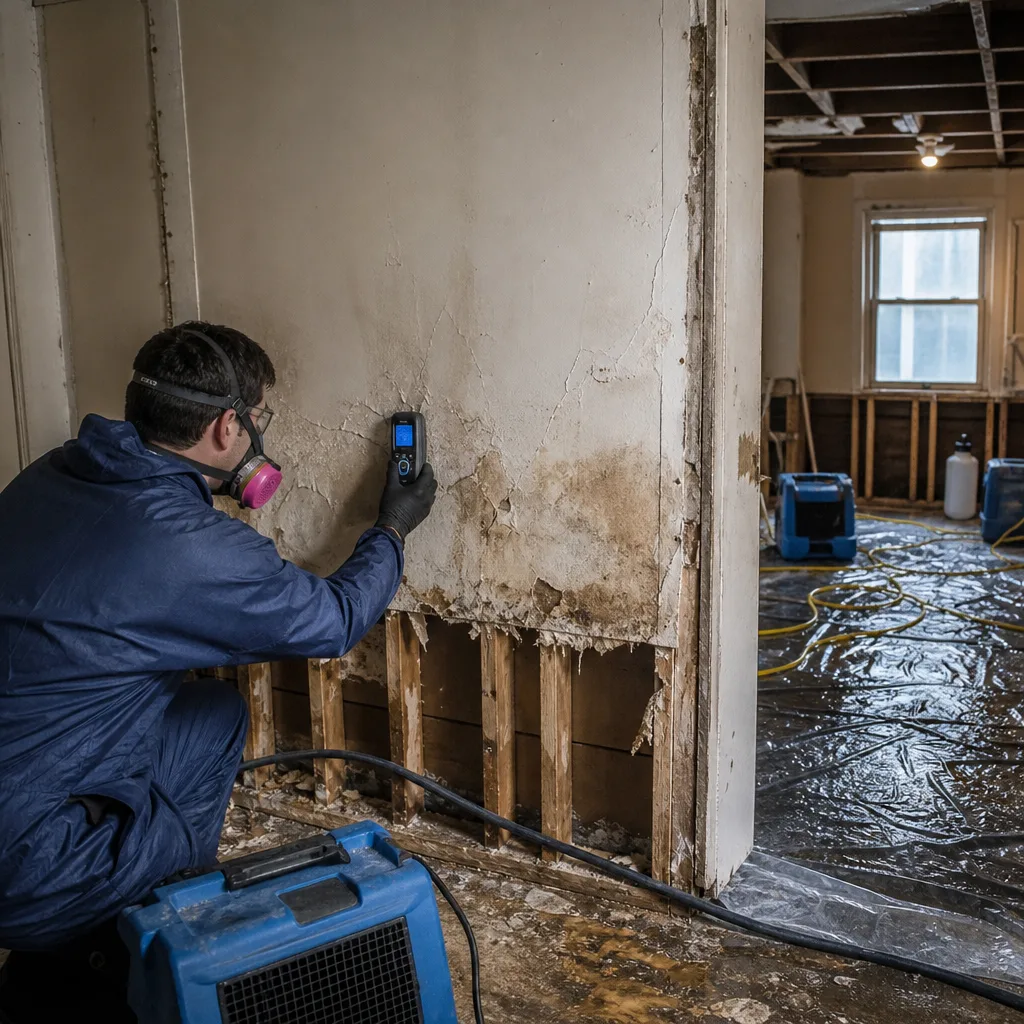 Before
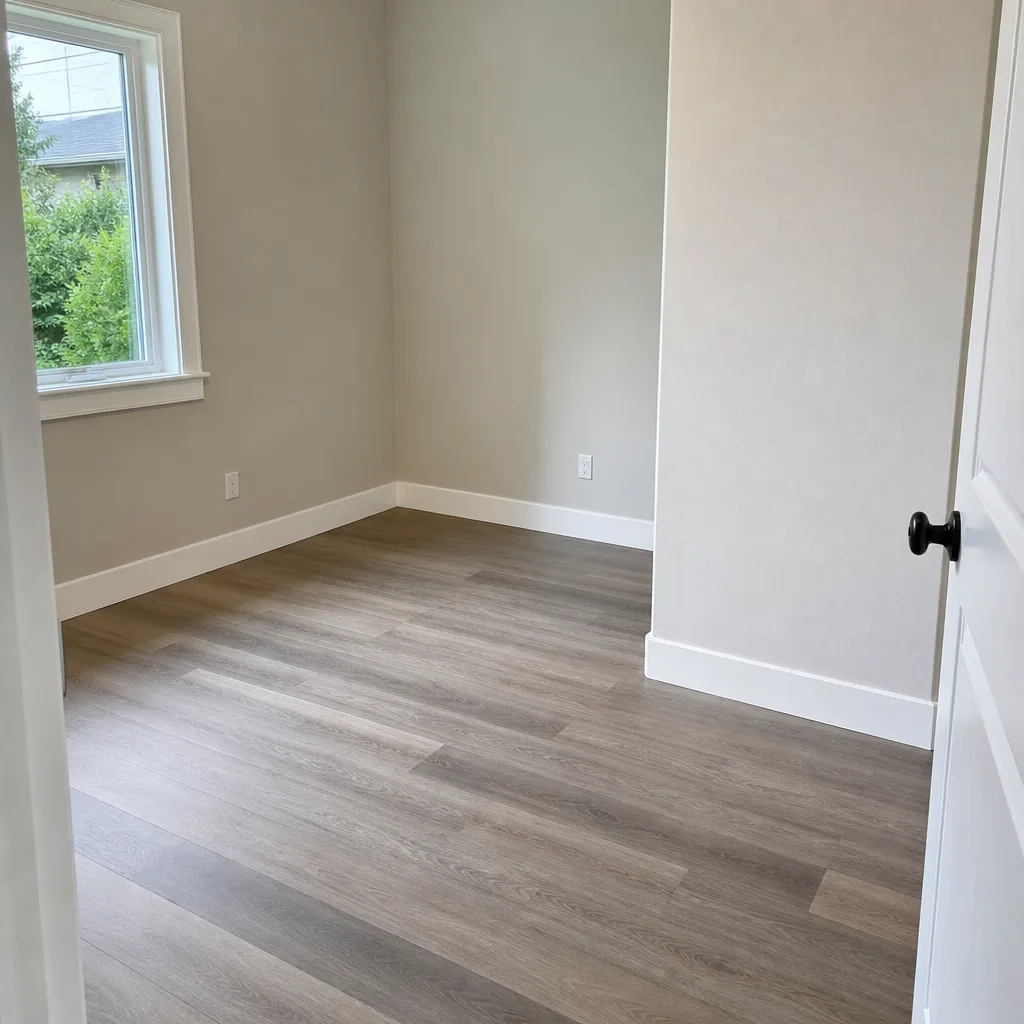 After
After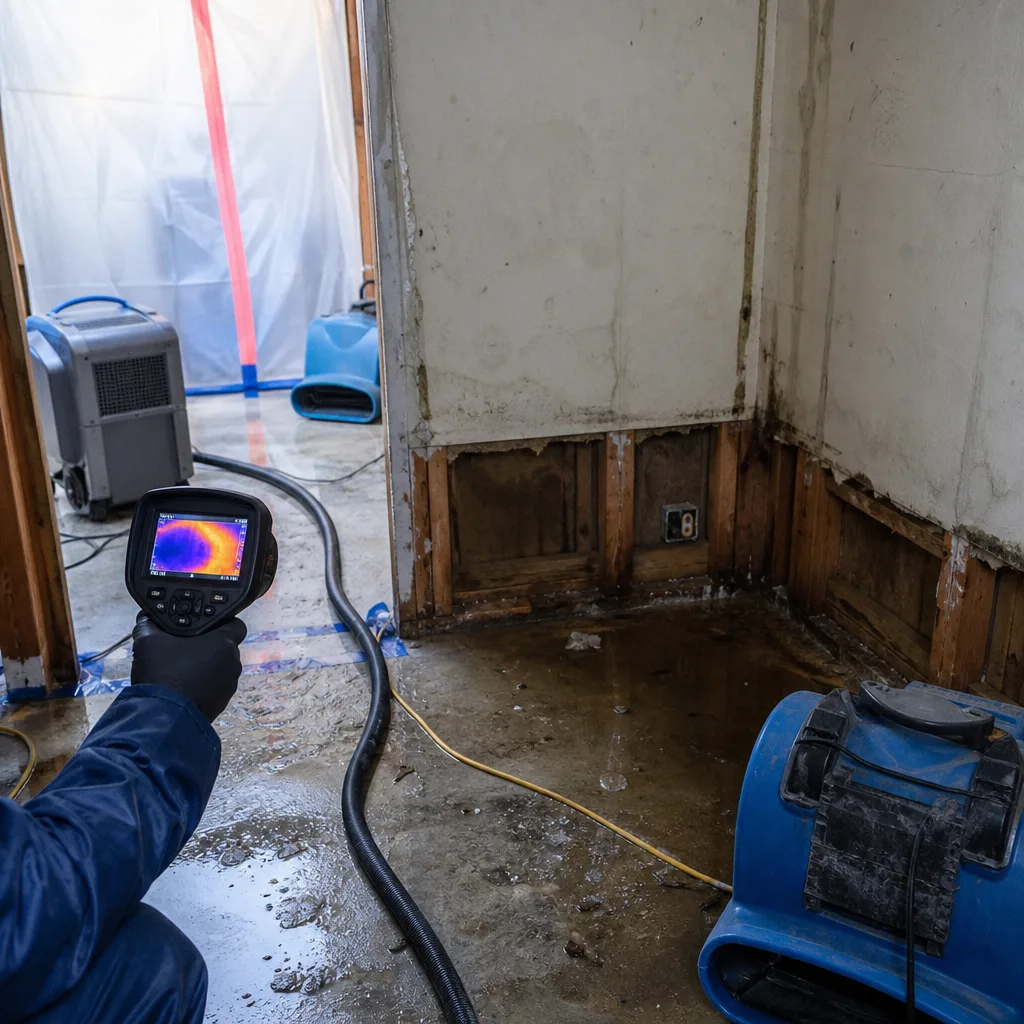 Before
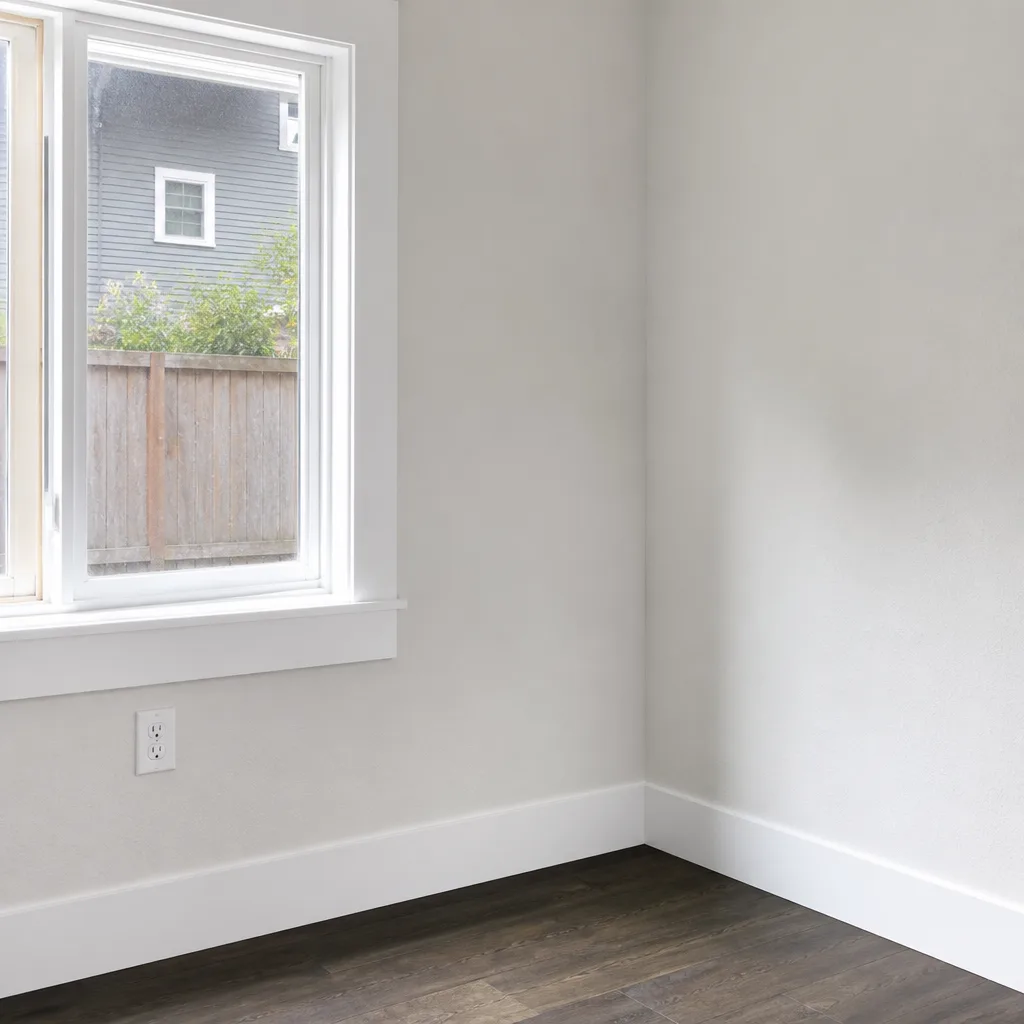 After
After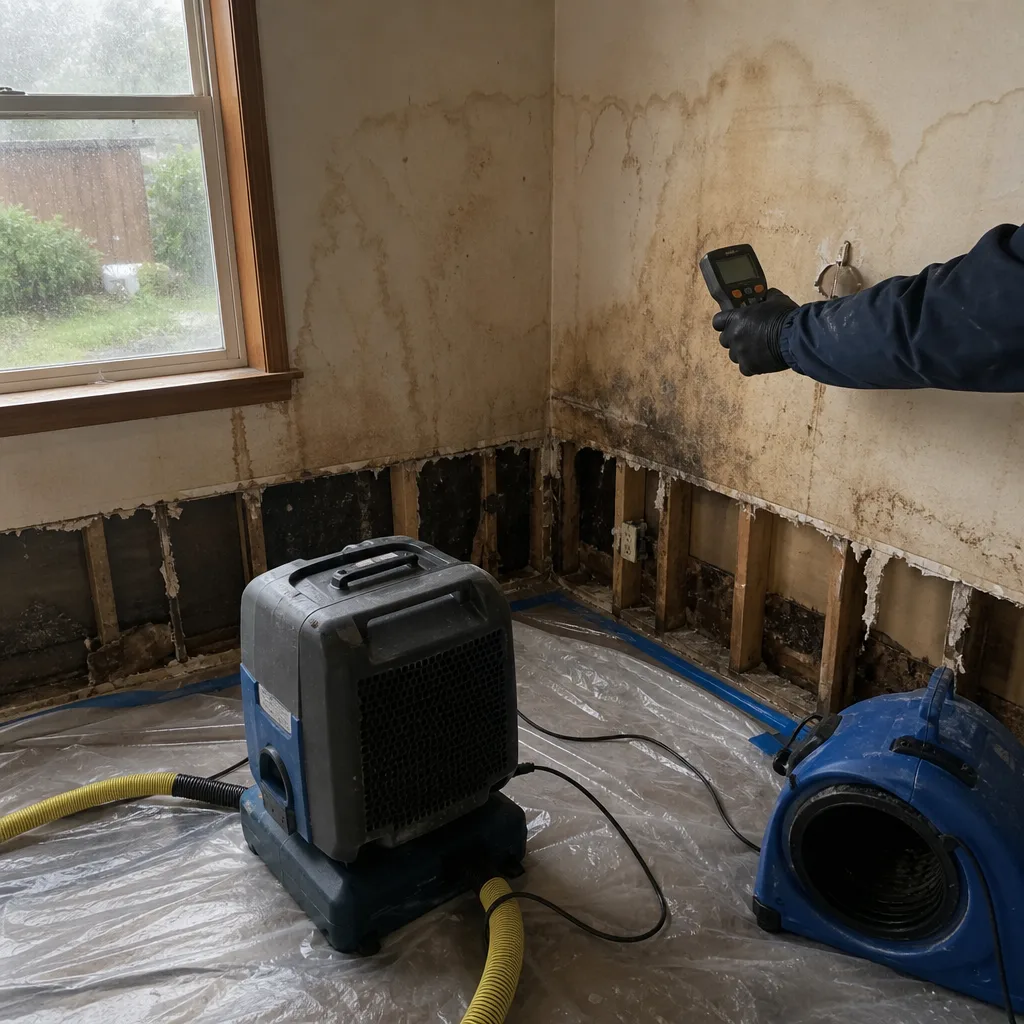 Before
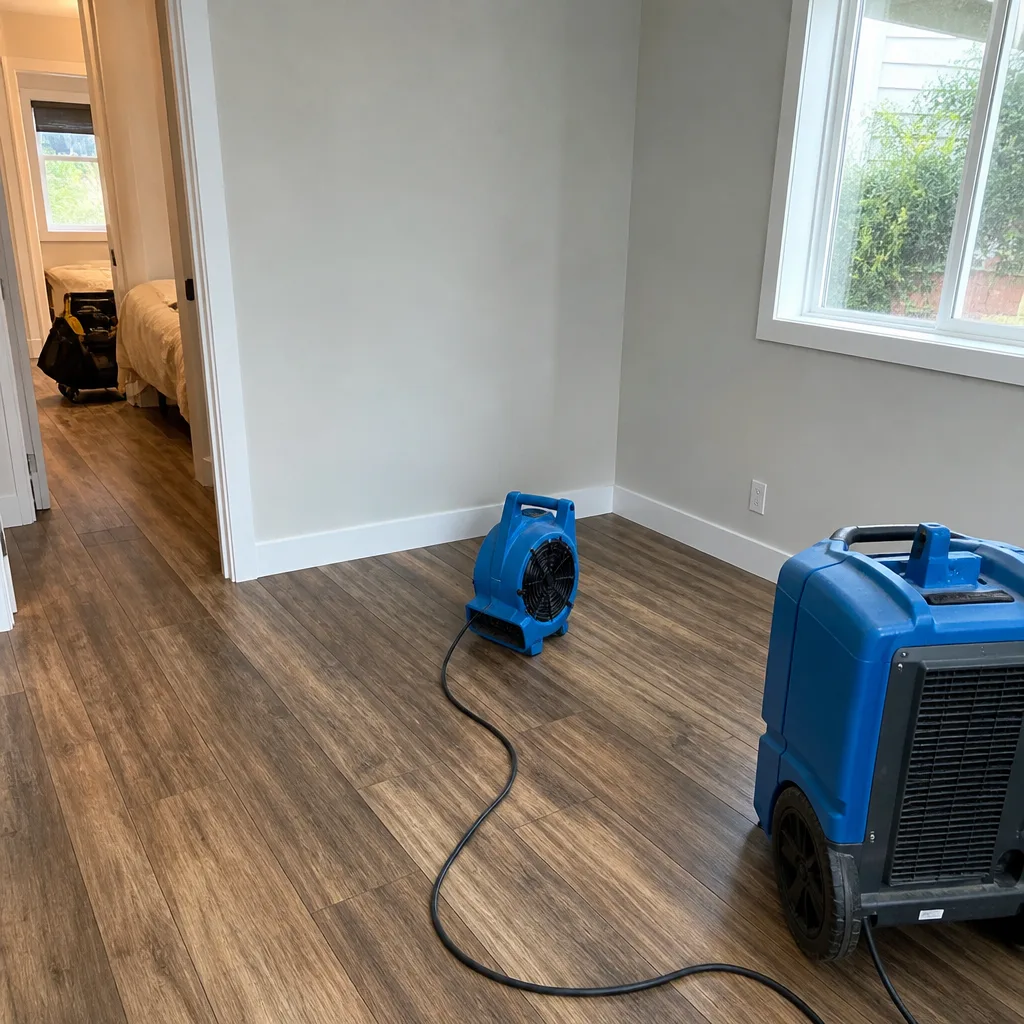 After
AfterDamage Restoration Permits, Codes & Inspections in WA: What You Need to Know
Seattle’s Department of Construction and Inspections issued 214 stop-work orders on residential projects in a recent 12-month period. Most homeowners assume their restoration contractor handles permits automatically. They don’t. In our experience reviewing competitor estimates since 2011, roughly one in three restoration projects in Seattle neighborhoods like Ballard, Queen Anne, and West Seattle proceed without proper permitting, creating a hidden liability that surfaces years later. This guide explains exactly when permits trigger, which codes apply, and how proper documentation protects your property value and your insurance coverage; for more guides & resources, visit our blog.
Quick Answer
Most water, fire, and mold restoration projects in Seattle require a Department of Construction and Inspections (DCI) permit when structural members are replaced, electrical circuits are modified, plumbing is reconnected, or the total project value exceeds $6,000. Washington State separately mandates mold remediation protocols under WAC 296-843 for affected areas exceeding 10 square feet. The permit and final inspection documentation becomes part of your property’s permanent record, which insurers use to verify that repairs were code-compliant and covered under your policy’s code upgrade provisions.
Table of Contents
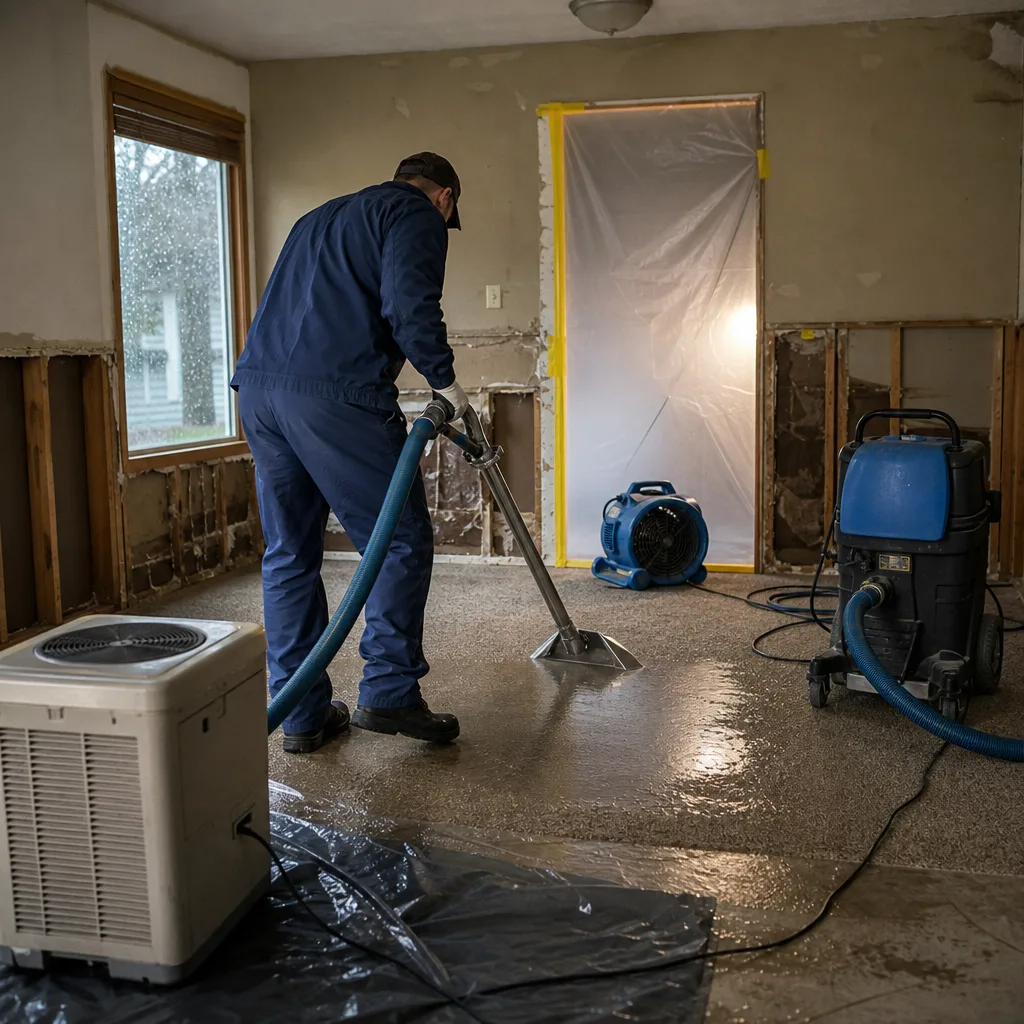
- When a Restoration Project Triggers a Seattle DCI Building Permit
- Washington State Mold Remediation Requirements: WAC 296-843 and OSHA 1926
- The Permit-Documentation Chain: How Final Inspection Sign-Off Protects Your Claim
- Seattle Energy Code and Insulation Replacement During Restoration
- What ‘Code Upgrade Coverage’ Actually Covers in Washington
- The Seattle DCI Inspection Process: What to Expect
- Common Mistakes to Avoid
- When to Call a Professional
- Frequently Asked Questions
BeforeAfterWhen a Restoration Project Triggers a Seattle DCI Building Permit
Seattle’s permit threshold isn’t intuitive. A project triggers DCI review when any of four conditions are met, and restoration work frequently satisfies two or three simultaneously.
The $6,000 valuation threshold. Current Seattle Municipal Code sets this floor for residential alterations. A standard water damage restoration involving drywall replacement, flooring removal, and drying equipment rental often crosses this line before the homeowner realizes. We document this threshold in our written scope under Haven Standard, Clause 1, so there’s no ambiguity about whether permitting applies.
Structural member replacement. This includes load-bearing studs, floor joists, ceiling joists, rafters, and subflooring. In Seattle’s older housing stock, particularly pre-1940s Craftsman and Tudor Revival homes in neighborhoods like Wallingford and Madrona, water intrusion frequently compromises original old-growth framing. Replacing a rotted sill plate or sistering a floor joist requires a structural permit with engineered drawings.
Electrical work on dedicated circuits. Professional drying equipment from Phoenix and Dri-Eaz often draws 20 amps or more. When a restoration setup requires new dedicated circuits, temporary or permanent, that work falls under electrical permitting. Even “temporary” equipment connections that remain in place beyond 90 days can trigger enforcement.
Plumbing reconnection or modification. Reinstalling a water heater, reconnecting supply lines after mitigation, or replacing a section of DWV (drain-waste-vent) piping all require plumbing permits in Seattle.
Here’s how to determine your permit requirement:
- Calculate total project valuation including labor, materials, and equipment rental. Include your insurance deductible if you’re paying out of pocket.
- Identify any structural, electrical, or plumbing scope. If any exists, permitting is mandatory regardless of total cost.
- Contact Seattle DCI at (425) 671-5392 or through the Seattle Services Portal to confirm classification. Misclassification by a contractor doesn’t protect the homeowner from stop-work orders or failed resale inspections.
- Request your contractor’s license number and verify it through the Washington State Department of Labor and Industries. Our license number appears on every written scope we deliver.
We’ve reviewed competitor estimates where a $14,000 water damage restoration in Green Lake was classified as “cleanup only” to avoid permitting-a scenario our DIY vs Professional Damage Restoration: The Seattle Homeowner’s Decision Guide helps homeowners recognize and avoid. The homeowner discovered the omission when their 2022 sale inspection flagged unpermitted electrical work. The cost to remediate: $8,400 in retroactive permits, engineered drawings, and opened walls for inspector access.
Washington State Mold Remediation Requirements: WAC 296-843 and OSHA 1926
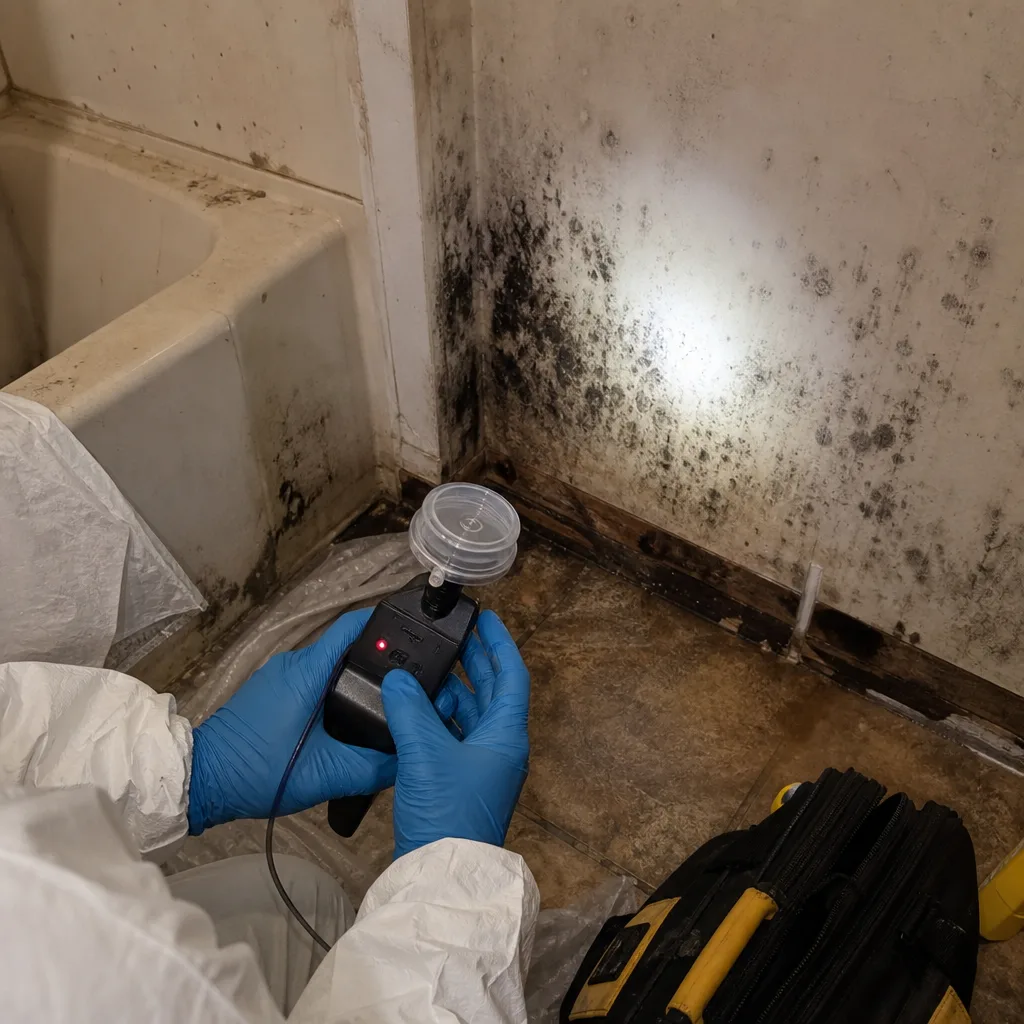
Washington operates under a dual regulatory framework for mold that most contractors misunderstand, and some exploit to skip containment protocols.
WAC 296-843 governs mold hazard evaluation and remediation in Washington workplaces. It requires a written mold remediation plan for any project where visible mold exceeds 10 contiguous square feet. The plan must specify containment strategy, negative air pressure requirements, personal protective equipment levels, and post-remediation verification sampling. This applies to your home when restoration crews are the “workplace” in question.
OSHA 1926, the federal construction standard, applies concurrently when mold remediation occurs during broader construction activity. The interaction matters: OSHA’s general duty clause requires hazard abatement even below WAC 296-843’s 10-square-foot threshold if the employer knows or should know of the hazard.
What this means in practice for Seattle homeowners:
- Any mold remediation exceeding 10 square feet requires a written plan filed with the project documentation. We include this in our photo record deliverable.
- Containment must maintain negative pressure relative to unaffected spaces, verified with manometer readings documented in the drying log.
- Post-remediation verification requires either third-party clearance sampling or, for smaller projects, a visual inspection with moisture content verification below 16% on affected materials.
- Workers in Level C PPE or above require documented training under WAC (425) 671-53920. Ask to see this documentation before work begins.
Seattle’s climate amplifies mold risk in specific ways. The marine west coast climate produces 150+ days of measurable precipitation annually, and our mild temperatures (rarely below freezing for extended periods) mean mold propagates year-round rather than entering seasonal dormancy. In basements of homes near Lake Washington or Puget Sound, we’ve measured relative humidity sustained above 70% even in January, creating conditions where Stachybotrys chartarum colonizes within 72 hours of water intrusion.
The documentation gap we see most often: contractors who perform “mold cleaning” without a written plan, then bill insurance for remediation. Without WAC 296-843 documentation, that invoice is vulnerable to denial, and the homeowner has no proof the hazard was properly abated.
The Permit-Documentation Chain: How Final Inspection Sign-Off Protects Your Claim
This is where restoration work intersects with property law, and where most homeowners lose coverage they assumed they had.
Every permit issued by Seattle DCI creates a chain of documentation that becomes part of your property’s permanent record. This chain includes: the initial application with scope description, approved plans, inspection records with pass/fail status, and the final sign-off certificate. In King County, these records are retained indefinitely and are searchable by property address.
Why this matters for insurance:
- Proof of code-compliant repair. When a future claim occurs, your insurer investigates prior damage history. Unpermitted repairs can be classified as “unauthorized improvements” or “unlicensed work,” giving the insurer grounds to exclude related damages.
- Triggering code upgrade coverage. Most homeowner policies include limited code upgrade coverage, typically 10-25% of dwelling coverage. This provision pays the additional cost to bring damaged areas to current code during repair. But it only activates when the repair is itself code-compliant and documented as such.
- Title and resale protection. Unpermitted work creates title encumbrances that sellers must disclose. In Seattle’s competitive market, this disclosure can reduce offers or terminate transactions.
We’ve seen the financial consequences directly. A homeowner in Ravenna suffered a second water loss in 2019, five years after an unpermitted restoration by a previous contractor. The insurer denied $31,000 in claimed damages, citing the prior unpermitted repair as the proximate cause. The homeowner’s recourse against the original contractor was time-barred, and they carried the loss.
Our protocol under The Haven Standard requires permit documentation in every applicable job file. The photo record on every visit, the drying log with psychrometric data (temperature, relative humidity, vapor pressure differential - the force that drives moisture from wet materials into dry air), and the final inspection certificate are delivered as a single package. This is the documentation that turns a restoration invoice into a payable insurance claim.
Seattle Energy Code and Insulation Replacement During Restoration
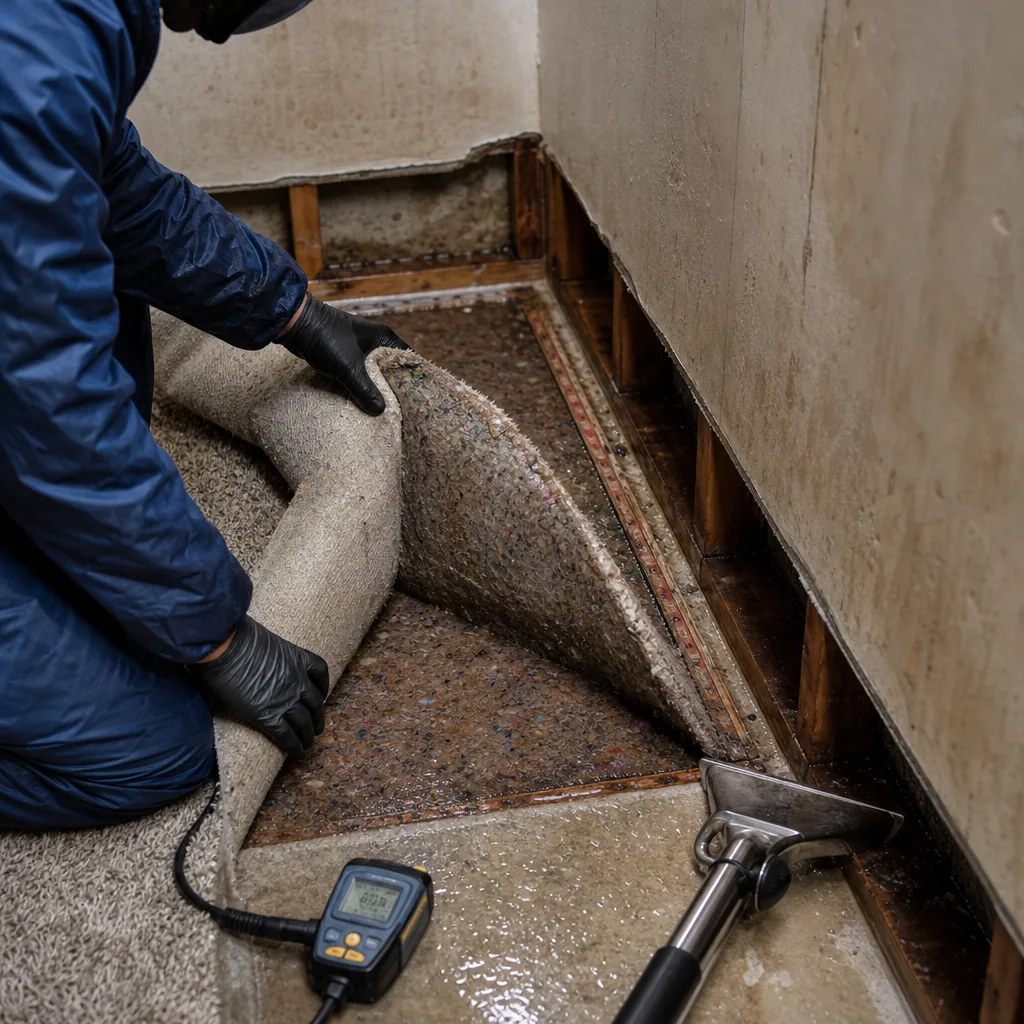
Seattle’s Energy Code, codified in Seattle Municipal Code Chapter 22.600, adopts the Washington State Energy Code with local amendments that are stricter than the state baseline. This matters during restoration because water-damaged insulation must be replaced, and the replacement must meet current code, not the standard in place when the home was built.
Current requirements for residential restoration work:
- Wall insulation: R-21 minimum for above-grade wood-framed walls. Many Seattle homes built 1940-1980 contain R-11 or no insulation.
- Basement walls: R-15 continuous insulation or R-19 cavity insulation. Basements are where we see the most non-compliance.
- Attic insulation: R-49 minimum. Post-restoration blower-door testing may be required if the attic envelope is modified.
- Air sealing: Seattle amendments require verified air sealing to 5.0 ACH50 (air changes per hour at 50 pascals pressure) for new construction and substantial alterations. Restoration projects exceeding 50% of a building envelope component may trigger this requirement.
The contractor shortcut is obvious: remove wet insulation, install the cheapest replacement that fits the cavity, move on. We’ve opened walls in Columbia City and Beacon Hill where restoration contractors installed R-13 in a 2×6 wall that requires R-21, or omitted air sealing around electrical penetrations. The homeowner saves nothing: the work fails final inspection, the wall must be reopened, and the insulation cost doubles.
Our written scope specifies insulation product by brand and R-value, with code citation. The photo record documents pre-existing conditions, installation in progress, and final verification. This is how Haven Standard, Clause 1 operates in practice: the price you approve is the price for code-compliant work, not a low bid that fails inspection.
Seattle’s climate makes proper insulation critical beyond code compliance. The thermal bridging in poorly insulated walls creates condensation surfaces during our mild, humid winters, setting up conditions for secondary mold growth that the original water intrusion created. Proper vapor pressure differential management through correct insulation and air sealing prevents this recurrence.
What ‘Code Upgrade Coverage’ Actually Covers in Washington
“Code upgrade” or “ordinance or law” coverage is the most misunderstood provision in homeowner policies, and restoration contractors who skip permitting make it unusable.
Standard Washington homeowner policies include this coverage at 10% of dwelling coverage as a default. On a $600,000 dwelling, that’s $60,000. But the coverage has three distinct limits, and only one typically applies to restoration:
- Coverage A: Loss to the undamaged portion of the building required to be demolished due to ordinance. Rarely triggered in restoration.
- Coverage B: Cost to demolish and remove debris of the undamaged portion. Also rarely triggered.
- Coverage C: Increased cost to repair or reconstruct damaged portions due to enforcement of current codes. This is the restoration-relevant provision.
Coverage C only pays the incremental cost between like-kind repair and code-compliant repair. If your 1970s kitchen with R-11 walls is damaged, Coverage C pays the difference between R-11 replacement and R-21 replacement, not the full R-21 cost. But here’s the critical condition: the underlying repair must itself be covered and documented as a covered loss.
When a contractor performs unpermitted work, the insurer can argue the repair was not a “covered loss” but an uninsurable improvement. Coverage C never activates. The homeowner pays the full code-upgrade differential out of pocket.
We’ve used permit documentation to successfully trigger Coverage C on dozens of Seattle claims. The process requires:
- Pre-loss documentation of existing conditions (our photo record provides this).
- Permit application showing code-required upgrades from the damaged state.
- Inspector verification that the upgrade was necessitated by code enforcement, not owner preference.
- Invoice separation between “like-kind” and “upgrade” costs.
A 2023 claim in Magnolia illustrates: water damage to a 1985 basement required R-15 continuous insulation where none existed. The like-kind repair was $4,200; the code-compliant repair was $7,800. Our permit documentation and separated invoice triggered $3,600 in Coverage C. The competitor’s unpermitted quote for $5,500 would have left the homeowner with uninsurable work and no upgrade coverage.
The Seattle DCI Inspection Process: What to Expect
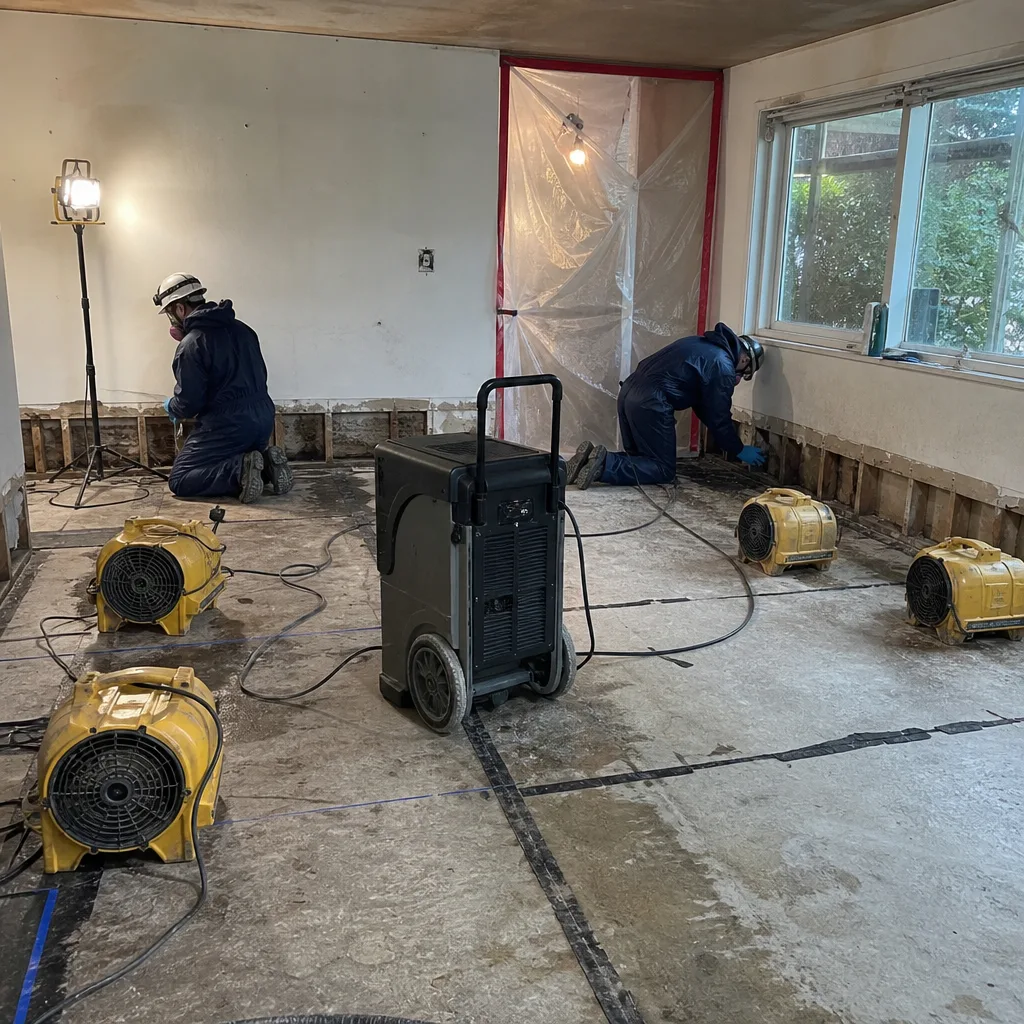
Understanding the inspection sequence helps homeowners verify contractor competence and avoid the delays that unpermitted work creates.
Permit application. Submitted through the Seattle Services Portal with scope description, contractor license numbers, and valuation. DCI reviews for completeness within 2-10 business days for standard residential permits. We include the permit application fee in our written scope when applicable.
Rough inspection. Occurs before coverings are installed. For restoration, this typically means exposed framing, electrical rough-in, and plumbing pressure tests. The inspector verifies materials, methods, and accessibility. Failed rough inspections require correction and re-inspection, extending project timelines.
Insulation inspection. Required before drywall covers the thermal envelope. The inspector verifies R-value, proper installation without compression, and air sealing at penetrations. This is the inspection most commonly failed in restoration work due to improper material specification.
Final inspection. Verifies completed work matches approved plans, all prior inspections passed, and the project is safe for occupancy. The final sign-off certificate is the document that closes the permit and enters the permanent record.
Seattle DCI offers same-day inspection scheduling for an additional fee, which we use for time-sensitive restoration work. Standard scheduling typically runs 3-5 business days out. Unpermitted work discovered by DCI, often through neighbor complaint or utility record review, triggers a stop-work order and requires retroactive permitting at double the standard fee.
Our documentation protocol includes inspector contact information, inspection dates, pass/fail status, and any correction notices with resolution photos. This becomes part of the job file delivered to the homeowner and, with authorization, to their adjuster.
Common Mistakes to Avoid
- Accepting a contractor’s verbal assurance that permits “aren’t needed for this.” Permit requirements are determined by DCI, not contractor convenience. Verify independently through the Seattle Services Portal or DCI at (425) 671-5392.
- Paying in full before final inspection sign-off. Contractors who pressure for final payment before inspection completion may be avoiding accountability for failed inspections. Our Haven Standard payment schedule ties milestones to documented progress, with final payment due only after final inspection.
- Assuming insurance-selected contractors handle permits. Preferred vendor programs don’t guarantee permit compliance. We’ve reviewed program contractor estimates with no permit line item. Ask directly, and request the permit number.
- Installing replacement materials without verifying current code requirements. The R-value or material that “was there before” is rarely sufficient. Seattle’s Energy Code amendments have tightened three times since 2009.
- Neglecting to request the final inspection certificate. This document is your proof of code compliance. We deliver it with the completed job file as standard practice.
- Ignoring mold documentation requirements below the 10-square-foot threshold. While WAC 296-843’s written plan requirement triggers at 10 square feet, OSHA’s general duty clause and prudent documentation support any mold-related claim. We document all visible mold with photo records and moisture readings regardless of area.
- Failing to separate code-upgrade costs in the invoice. Without this separation, Coverage C claims are difficult or impossible to process. Our invoices specify like-kind, code-required, and upgrade-differential line items.
When to Call a Professional
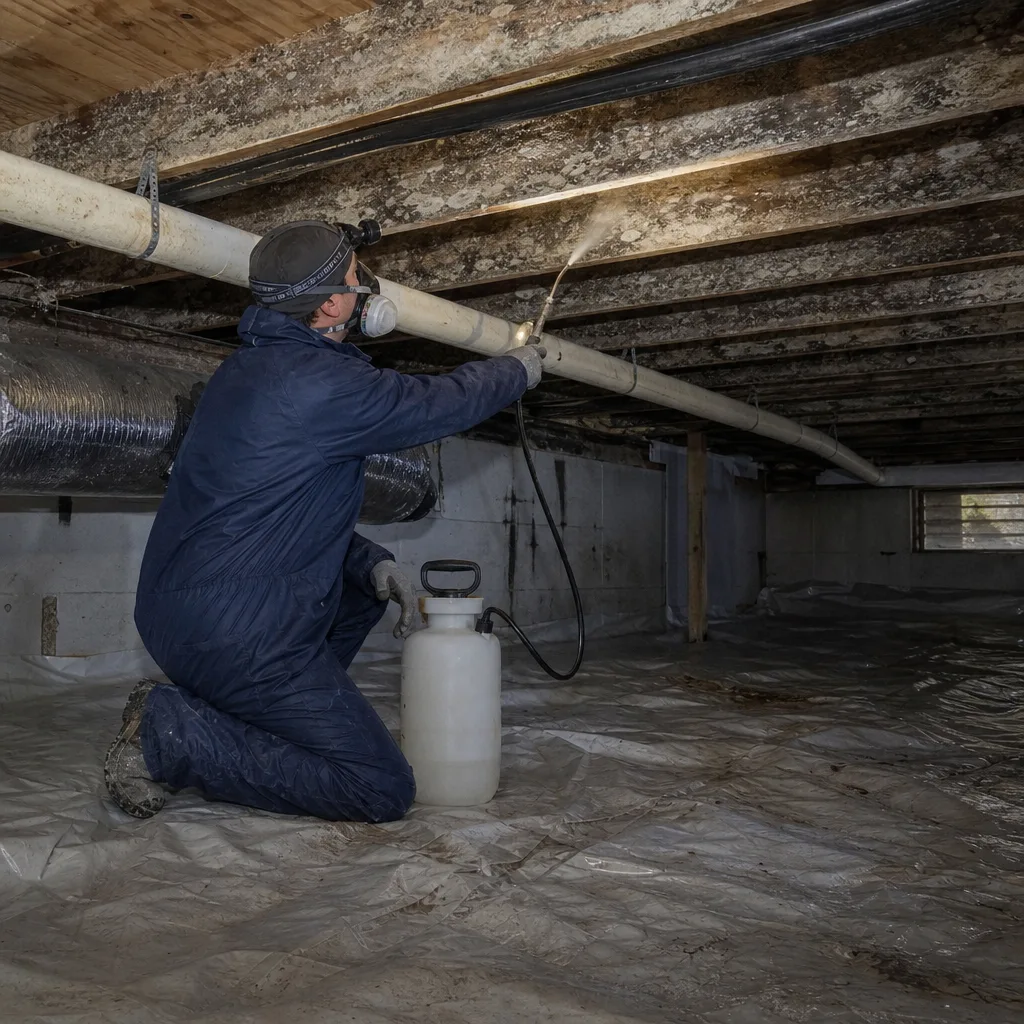
Call a professional when your project involves structural repair, electrical or plumbing work, mold-affected areas exceeding a few square feet, or when total costs approach the $6,000 permit threshold-see our How to Hire a Damage Restoration Contractor in Seattle: A Step-by-Step Guide for what to ask. The documentation requirements alone, permit or not, exceed what most homeowners can properly execute while managing an insurance claim.
Specific scenarios that warrant immediate professional involvement: water damage affecting multiple rooms or levels, fire damage with compromised structural members, any visible mold in HVAC systems or behind finished surfaces, and sewage contamination requiring biohazard protocols. These situations involve regulatory complexity, health hazards, and documentation requirements that compound quickly, as detailed in our Damage Restoration Warning Signs: A Seattle Homeowner’s Reference Guide.
DryMark Restoration Seattle provides free estimates with written pricing before any work begins, every time, under Haven Standard, Clause 1. We handle permit applications, inspection scheduling, and documentation as integrated components of our restoration service, not afterthoughts. For properties in Seattle and surrounding communities, call (425) 671-5392 to schedule assessment. Our live dispatch answers 24 hours a day, 7 days a week, with no voicemail on emergency lines.
Frequently Asked Questions
Permit fees are based on project valuation, starting at approximately $200 for projects near the $6,000 threshold and scaling to $800 or more for extensive structural, electrical, and plumbing work. DCI publishes a fee schedule online, and we include permit costs as a line item in our written scope so there’s no surprise. Call (425) 671-5392 for an exact quote on your specific project.
Standard homeowner policies typically cover permit fees as part of the “cost to repair” covered loss, but only when the permit is for repair of covered damage, not improvement. Code upgrade coverage handles the incremental cost of code-required upgrades. The key is documentation: the permit must clearly reference the covered loss event, and the inspection must verify repair, not improvement. We structure our permit applications and invoices to satisfy this requirement.
Standard permit review takes 2-10 business days, with inspections schedulable 3-5 business days after approval. Same-day inspection is available for an additional fee, which we use for time-sensitive water damage work where moisture continues to migrate. Total timeline from permit application to final sign-off typically ranges from 2-4 weeks for standard restoration projects, depending on inspection pass/fail cycles.
The homeowner bears legal responsibility for unpermitted work, not the contractor. Remediation requires retroactive permitting, often at double standard fees, with walls opened for inspector access. In Seattle’s market, unpermitted work must be disclosed at sale and can trigger price reductions or transaction termination. If you discover unpermitted restoration work, contact DCI immediately to discuss compliance options and document all communications for potential contractor liability claims.
Mold remediation itself does not require a DCI building permit unless it involves structural, electrical, or plumbing work or exceeds the $6,000 valuation threshold. However, WAC 296-843 requires a written remediation plan for visible mold exceeding 10 square feet, and OSHA 1926 applies concurrently during construction activity. The documentation requirements are substantial regardless of permitting status. We provide WAC-compliant plans and post-remediation verification as standard deliverables.
Washington law guarantees your right to select your own contractor. Preferred vendor programs offer convenience but don’t guarantee permit compliance, documentation quality, or warranty terms. We provide free second opinions on any competitor’s written estimate, including program vendor quotes, to identify permit gaps, documentation shortfalls, or scope omissions. Bring your estimate to (425) 671-5392 for review at no charge.
You should receive: a final written scope showing all work performed; a photo record of conditions before, during, and after work; drying logs with daily moisture readings and psychrometric data; permit application and final inspection certificates where applicable; mold remediation plan and verification documentation if mold was present; and a written warranty. Under The Haven Standard, we deliver all of these as standard, never as upsells, backed by our 365-Day Done Right Promise.
The Bottom Line
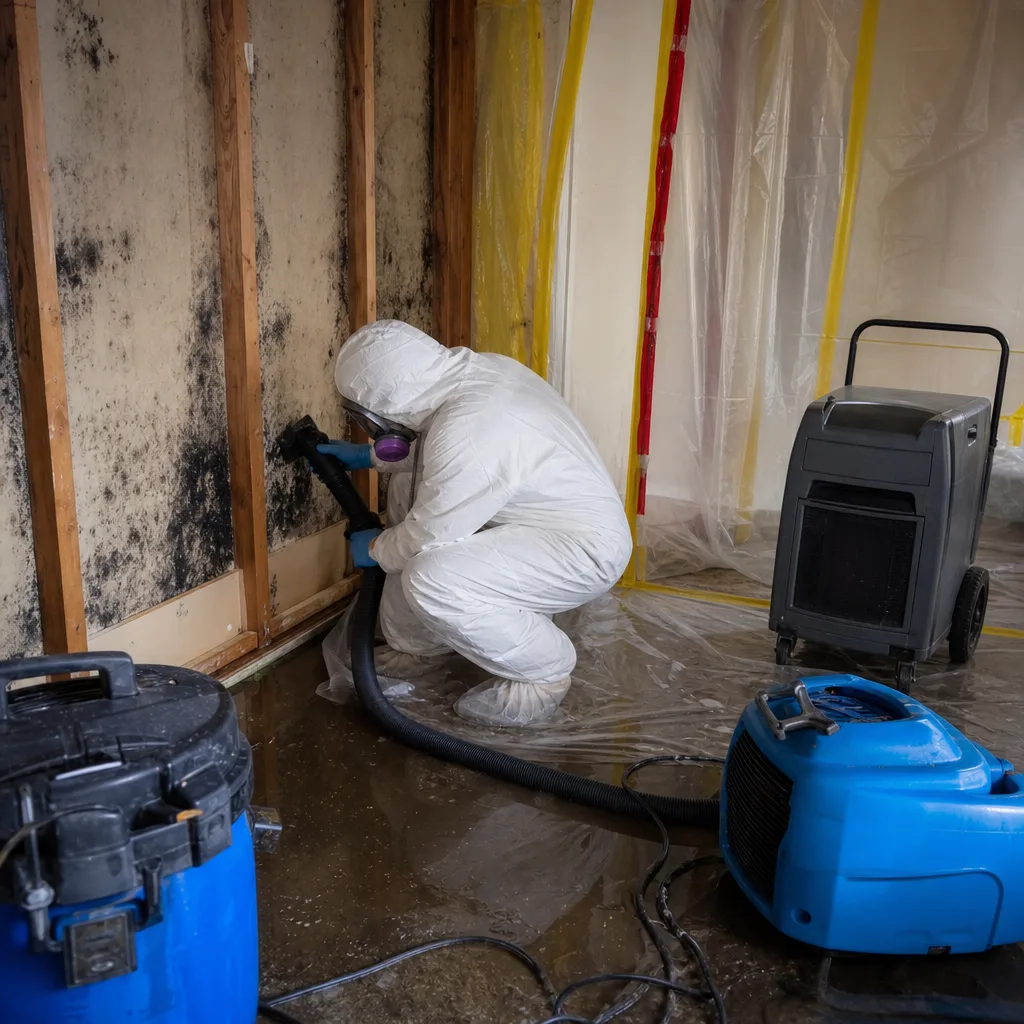
Permits and inspections aren’t bureaucratic obstacles. They’re the documentation infrastructure that transforms restoration work from a cash expense into a recoverable insurance claim and a marketable property improvement. Skipping them creates encumbrances that surface at the worst moments: resale, refinance, or the next loss. In Seattle’s regulated market, the contractors who treat permits as integral to their process, not as optional add-ons, are the ones whose work holds value over time. Verify permit requirements independently. Demand written documentation. And recognize that the lowest bid rarely includes the compliance cost that protects you later.
Written by Alicia Brennan, Owner at DryMark Restoration Seattle, serving Seattle since 2011.