
Last updated September 23, 2026
Free visual inspection and a written scope of work before any mitigation begins - photos, moisture readings, and drying logs go in your claim file
The scope we write is the scope we bill. Anything new gets shown to you, in writing, before we touch it.
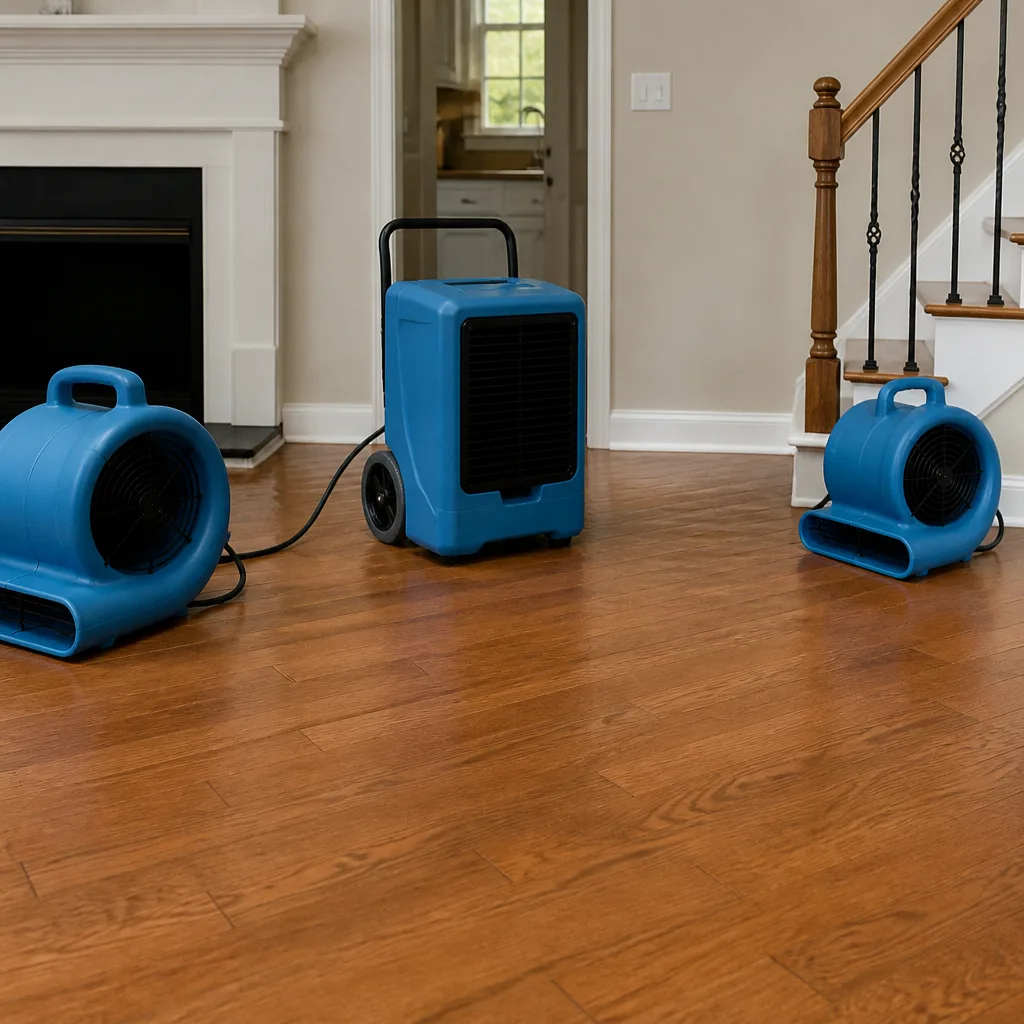

 Before
 After
After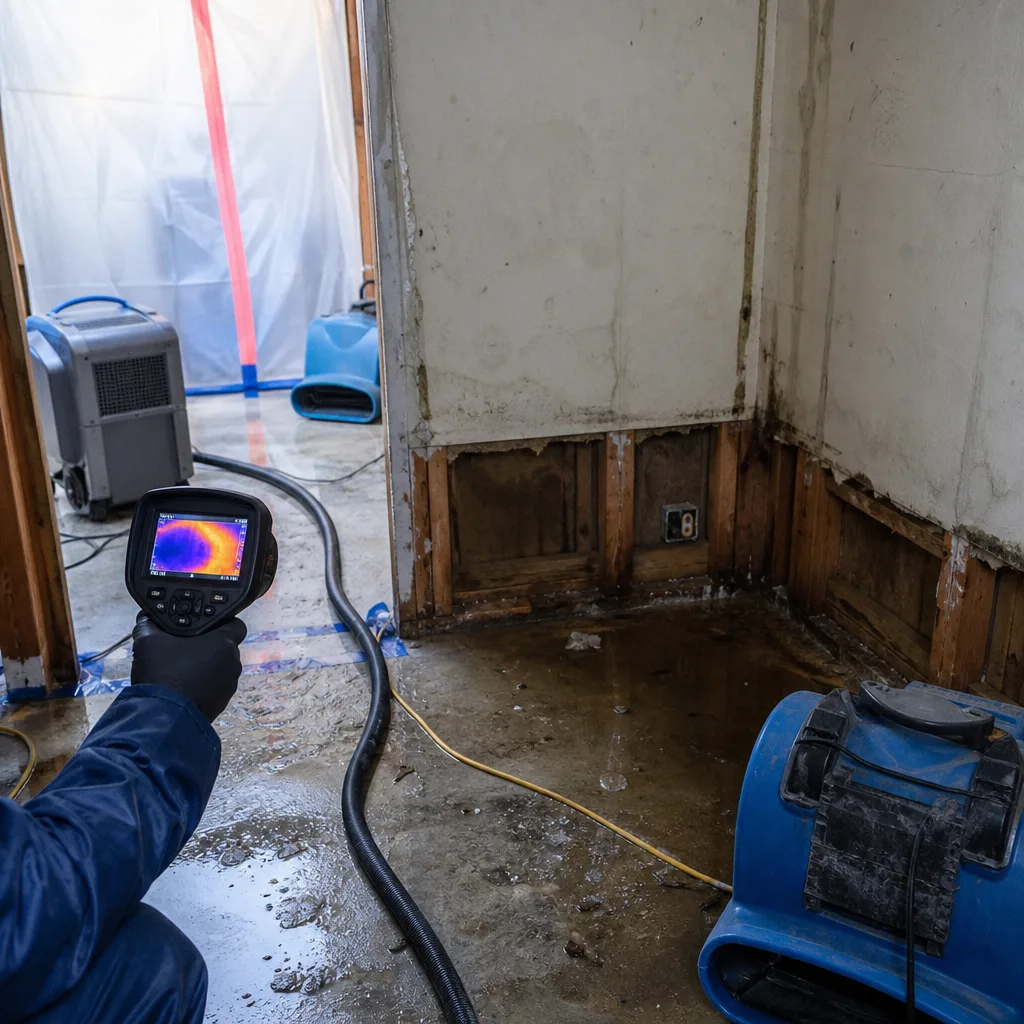 Before
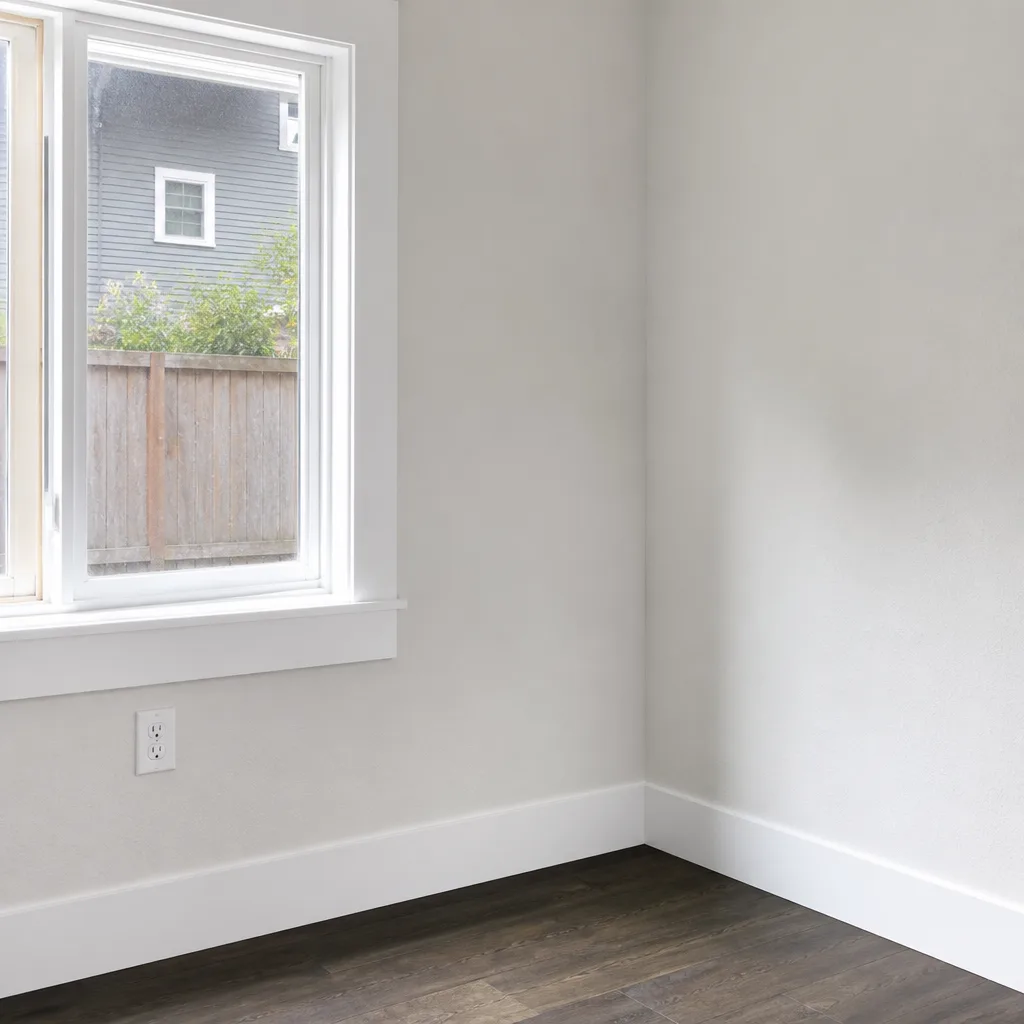 After
After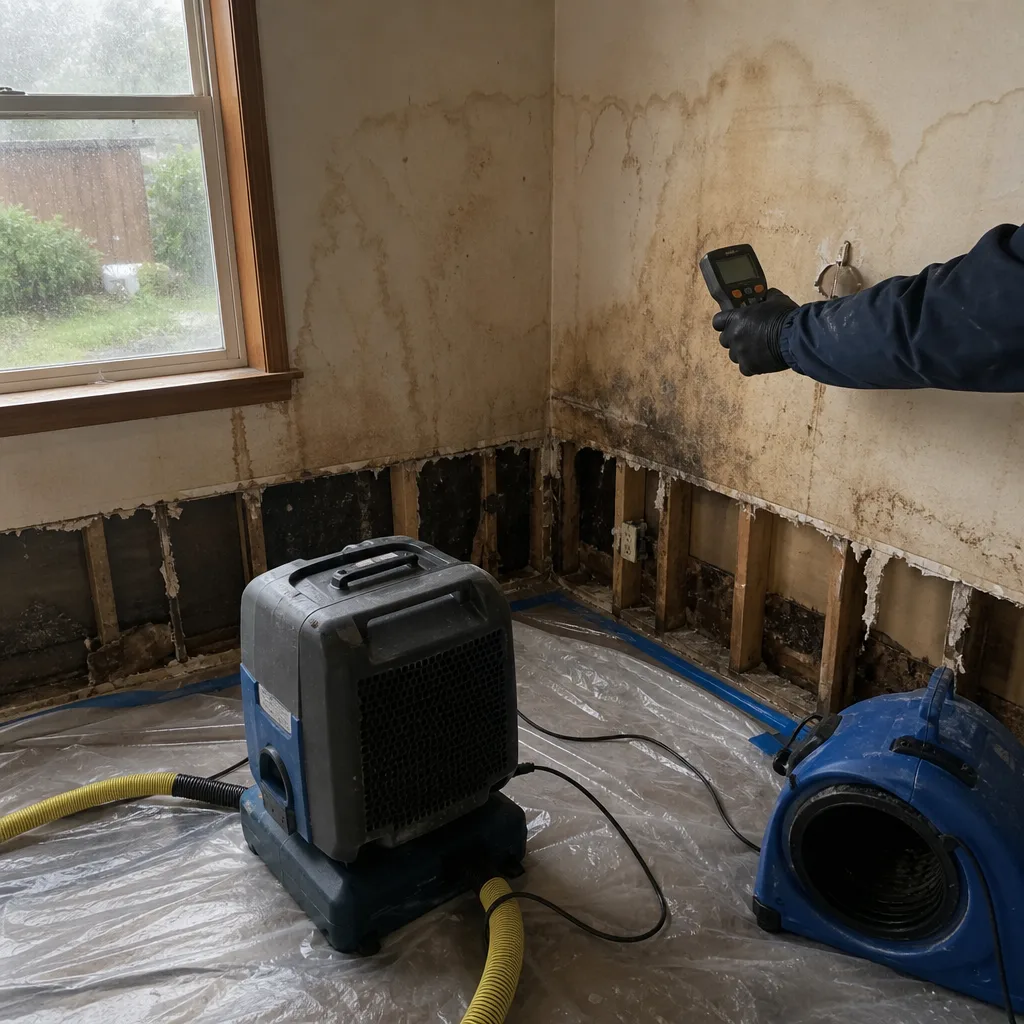 Before
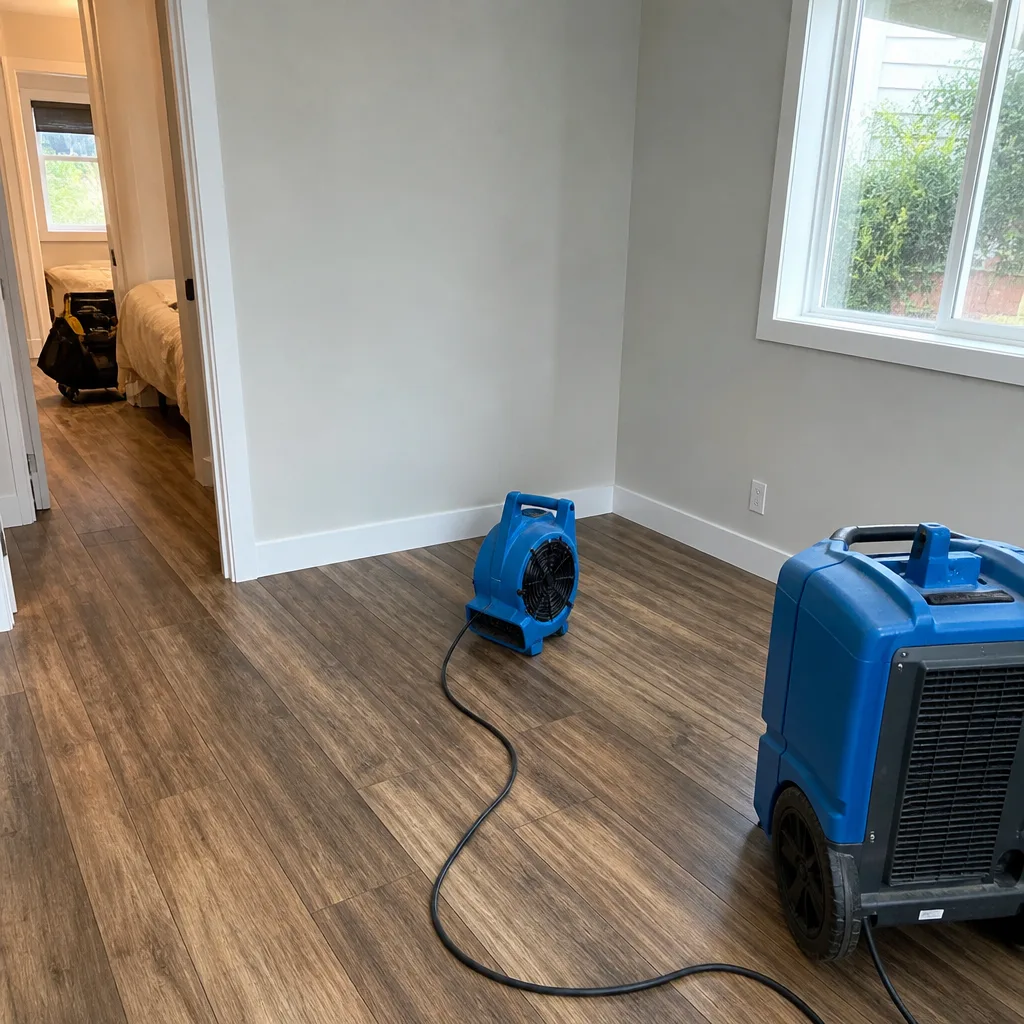 After
AfterHow to Hire a Damage Restoration Contractor in Seattle: A Step-by-Step Guide
Washington State does not license water damage restoration as a separate trade. A general contractor with a valid registration from the Department of Labor and Industries can legally tear out your walls, set drying equipment, and bill your insurance for the work. In Seattle, where the average home sold between 2015 and 2025 carries a mortgage balance that leaves little room for surprise out-of-pocket costs, this regulatory gap matters. The only meaningful protection a homeowner has is the paperwork a contractor produces before anyone touches a wall. This guide shows you exactly what to demand, how to read it, and when to walk away. For broader context, see The Complete Guide to Damage Restoration in Seattle.
Quick Answer
Hiring a damage restoration contractor in Seattle means auditing four documents before signing anything: a written scope of work, a line-item estimate in Xactimate or equivalent, proof of Washington contractor registration verifiable through L&I, and a specific documentation protocol that names what gets photographed, how often, and who keeps the file. The contractor who cannot produce these four items on the first visit is not ready to work on your home.
Table of Contents
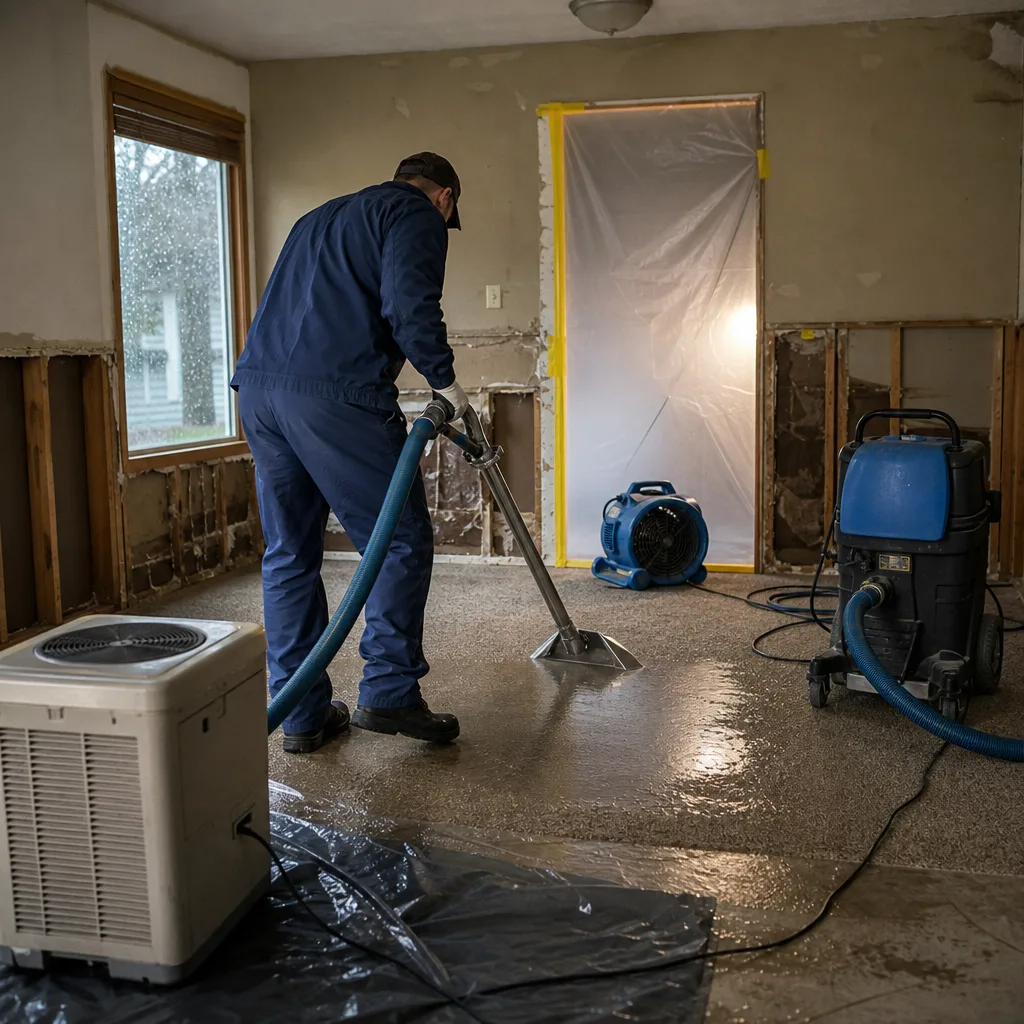
- Why Paperwork Matters More Than Credentials in Seattle
- The Four Documents to Demand Before Signing Anything
- How to Evaluate a Contractor’s Drying Plan
- Red Flags: When “We Work With Your Insurance” Means Trouble
- Seattle-Specific Vetting Questions
- Contract Clauses That Protect You
- What Documentation You Should Receive at Project Close
- Common Mistakes to Avoid
- When to Call a Professional
- Frequently Asked Questions
- The Bottom Line
BeforeAfterWhy Paperwork Matters More Than Credentials in Seattle
Seattle’s wet season runs October through May, and during those months, water damage calls spike across neighborhoods from Ballard to Rainier Valley. Most homeowners assume the urgent part is getting someone to show up fast. The urgent part is getting someone to show up who will document what they find in a way your insurer will pay for without a fight.
We’ve handled water damage restoration in Seattle since 2011, and the pattern is consistent: the jobs that go sideways are rarely the ones with the worst damage. They’re the ones with the thinnest paperwork. A homeowner in Magnolia once called us six weeks after another contractor had “finished” drying her crawl space. The moisture readings we took showed 18% wood moisture content, well above the 12% threshold for mold risk. The previous contractor had no drying logs, no daily readings, and no photos. Her insurer denied the supplemental claim because there was no evidence the first job had failed.
The credential that matters in Seattle is not a certificate on a wall. It’s a file the contractor hands you at the end of the job with timestamps, readings, and photographs that tell a complete story.
Washington’s L&I contractor registration system verifies that a business carries the required bond and insurance, but it does not test for restoration competence. IICRC certification indicates training in water damage restoration standards, but it does not guarantee that the certified technician will document their work. RIA membership shows engagement with the restoration industry, but it does not prevent scope creep on your invoice.
The paperwork is the credential. Everything else is a prerequisite.
The Four Documents to Demand Before Signing Anything
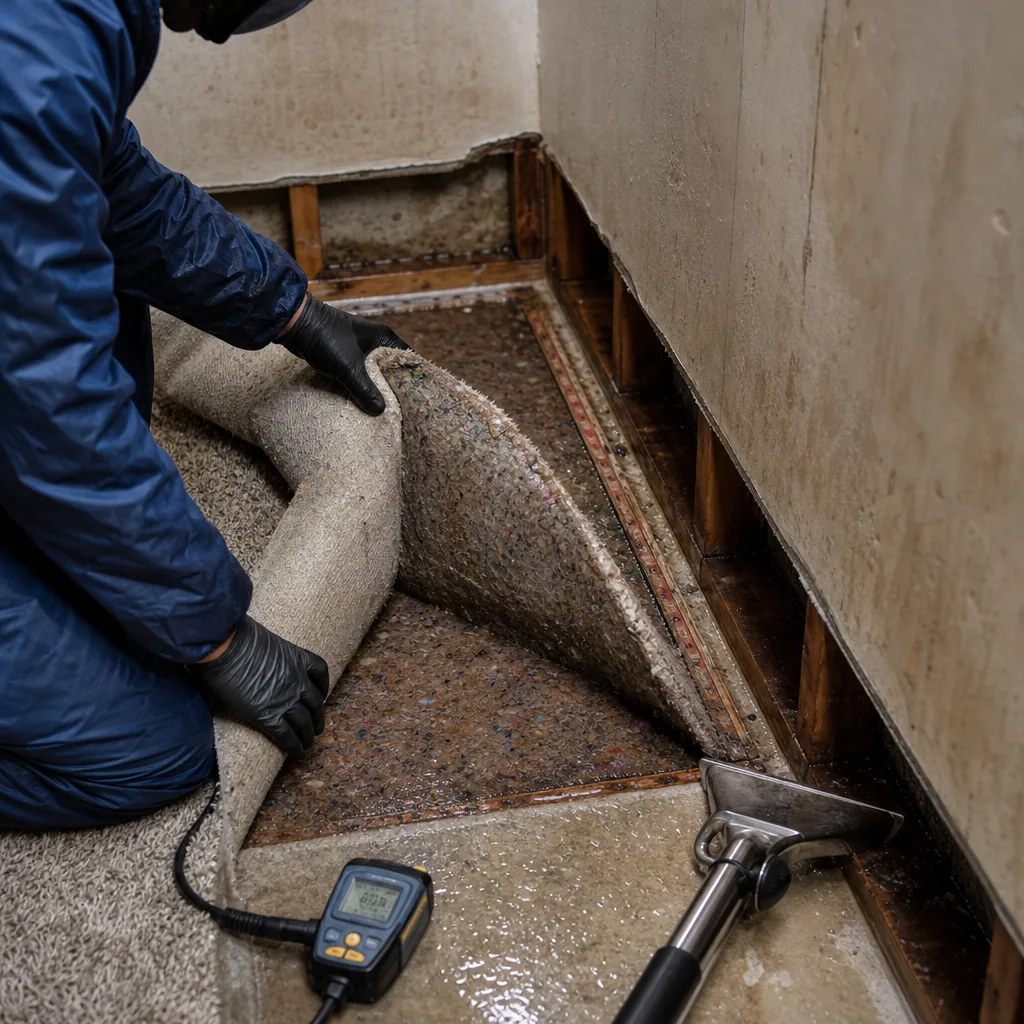
Before any contractor enters your home in Seattle, request these four documents. If any are missing or incomplete, delay the start date until they are produced.
1. Written Scope of Work
This document describes exactly what the contractor will do, in what sequence, and to which areas of your home. A legitimate scope for a water damage job in Seattle should specify:
- The affected rooms by name and approximate square footage
- The classification of water damage (Category 1, 2, or 3, per IICRC S500 standards)
- The materials to be removed versus dried in place
- The equipment to be deployed, including manufacturer and model
- The projected timeline with daily check-in dates
A scope that reads “dry affected areas” without naming rooms, materials, or equipment is not a scope. It’s a blank check.
2. Line-Item Estimate in Xactimate or Equivalent
Xactimate is the pricing database used by most insurers in Washington State. An estimate built in Xactimate uses standardized unit costs for removal, drying, and reconstruction, which means your adjuster can verify each line without negotiation. If a contractor uses a proprietary spreadsheet or a single lump-sum figure, you have no independent way to verify whether the price is fair.
At DryMark Restoration Seattle, we deliver every estimate in Xactimate format, line-itemed by room and by task, before any work begins. Haven Standard, Clause 1: written price before work starts. No exceptions.
3. Proof of Washington Contractor Registration
Every contractor performing restoration work in Seattle must register with the Washington State Department of Labor and Industries. You can verify any registration at the L&I Verify tool online. The registration number should appear on the contractor’s proposal. If it does not, or if the L&I lookup shows the registration expired, suspended, or under a different business name, stop.
Ask specifically whether the registration covers the type of work being performed. A general contractor registration allows water damage restoration work, but mold remediation may require additional pollution liability coverage that not all general contractors carry.
4. Documentation Protocol
This is the document competitors most often omit, and it is the one that determines whether your claim gets paid. A proper documentation protocol specifies:
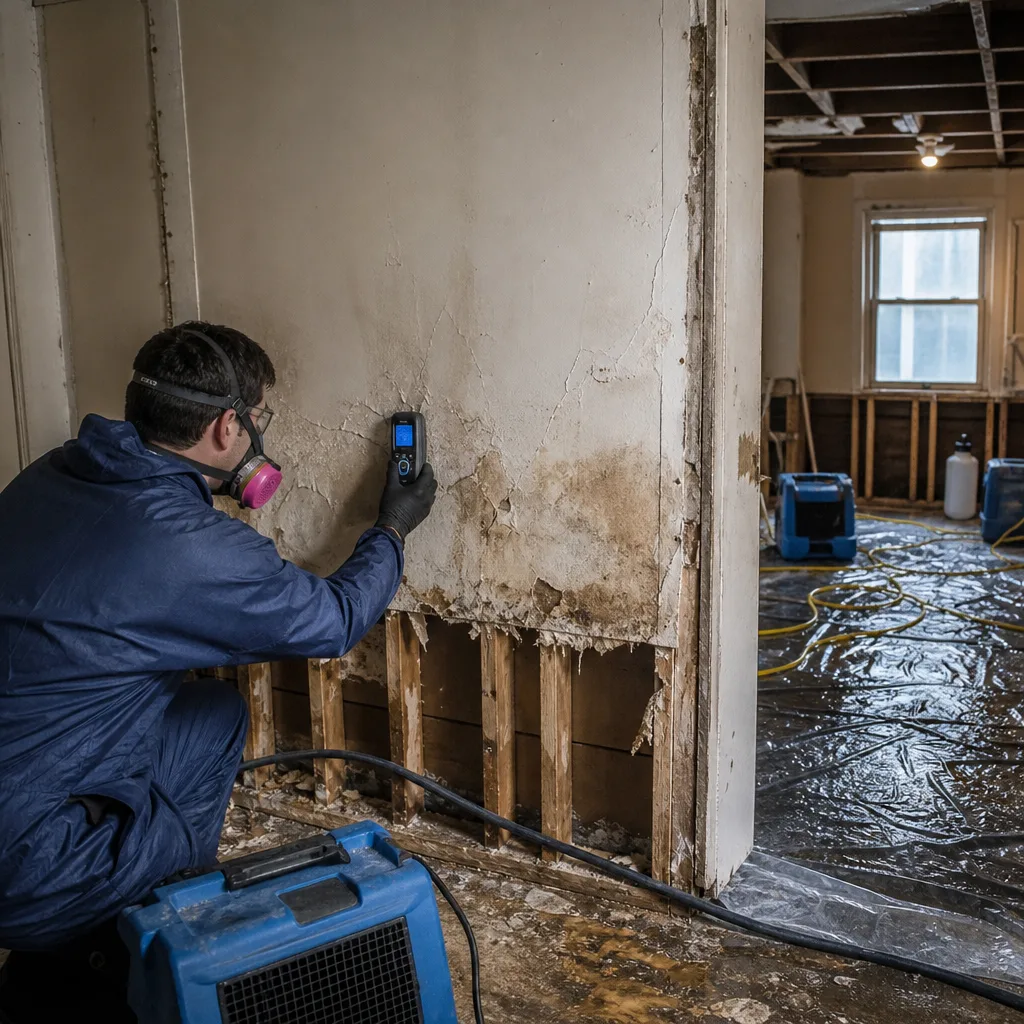
- What gets photographed (pre-loss condition, moisture readings, equipment placement, post-drying verification)
- How often photos are taken (daily, at minimum, for active drying jobs)
- Who maintains the file (the contractor, with copies provided to you)
- What moisture measurement standards are used (grain per pound readings, relative humidity, wood moisture content)
- How the documentation is delivered to you (digital portal, physical binder, or both)
Without this protocol, you have no way to prove the job was done correctly if mold appears six months later or your insurer disputes the invoice.
How to Evaluate a Contractor’s Drying Plan
A drying plan is not a list of equipment dropped at your door. It is a psychrometric strategy, and a legitimate contractor should be able to explain it in terms you can verify.
Psychrometrics is the study of air and moisture relationships. In practical terms, it means your contractor should measure and target specific numbers, not just run dehumidifiers until the walls feel dry. Here’s what to look for:
Equipment Specifications
The plan should name the manufacturer and model of each piece of equipment. Common professional-grade units in Seattle include Dri-Eaz dehumidifiers (such as the LGR 7000XLi), Phoenix air movers, and Injectidry floor drying systems. The plan should also specify the CFM rating, cubic feet per minute, of each air mover, which determines how much air circulation the equipment provides relative to the room size.
Target Measurements
Your contractor should establish target readings before equipment is placed and verify them at each daily check-in. Key measurements include:
- GPP (Grains Per Pound): The actual weight of water vapor in a pound of dry air. A target GPP reduction of 50% or more from the initial reading typically indicates effective drying.
- Vapor Pressure Differential: The difference in moisture pressure between wet materials and the surrounding air. Positive differential drives moisture out of materials into the air, where dehumidifiers remove it.
- Wood Moisture Content: Measured with a pin or pinless meter, with a target of 12% or below for most structural lumber in Seattle’s climate.
Ask your contractor to show you the initial readings and explain the targets. If they cannot, they are not monitoring the job; they are guessing.
Projected Timeline with Daily Check-Ins
A proper drying plan includes projected completion dates and specifies who performs daily check-ins. In Seattle’s humid winter months, drying timelines often extend 24 to 72 hours beyond initial projections due to higher ambient moisture. The plan should account for this possibility and specify the trigger for extending equipment rental versus declaring the job dry.
Tertiary drying, the final phase where hidden moisture in wall cavities and subfloors is addressed, is where many contractors cut corners. Ask specifically how the plan addresses tertiary drying and what verification method confirms completion.
Red Flags: When “We Work With Your Insurance” Means Trouble
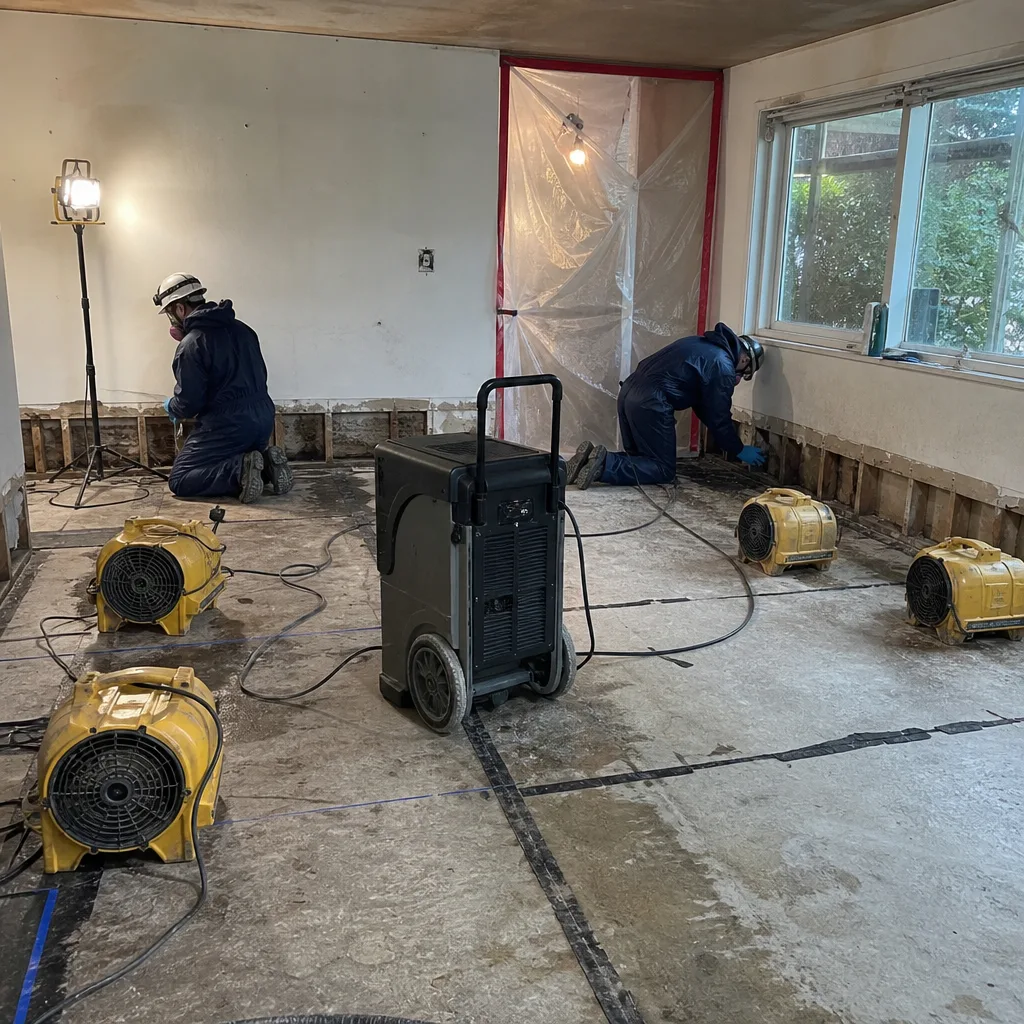
This phrase sounds helpful. In practice, it often means the contractor intends to submit their scope directly to your insurer without sharing it with you first. This is a problem for three reasons.
First, the scope becomes the basis for your claim. If you have not reviewed it, you cannot verify that it accurately describes the damage to your home. We’ve seen scopes in Seattle that omitted water-affected areas the homeowner later discovered, and because the homeowner had not reviewed the initial scope, the insurer denied the supplemental claim as outside the original loss.
Second, direct billing arrangements can create conflicts of interest. A contractor who knows they will be paid by the insurer, not by you, may inflate the scope or include unnecessary work. The only protection is your review and signature on the scope before it is submitted.
Third, in Washington State, you have the right to choose your contractor. An insurer may recommend a preferred vendor, but they cannot require you to use them. A contractor who pressures you to bypass your own review by claiming they have a “direct line” to your adjuster is not serving your interests.
The correct arrangement: the contractor shares the complete scope and estimate with you, you review and approve it, and then the contractor submits it to your insurer with your authorization. Any contractor who resists this sequence is a risk.
Seattle-Specific Vetting Questions
Seattle’s building environment creates specific risks that out-of-area contractors may not understand. Ask these questions to filter for local competence.
Have You Worked with King County DCI on Permitted Restoration Jobs?
King County Department of Community and Human Services, through its building inspection divisions, oversees permitted reconstruction work in Seattle. A contractor who has navigated DCI permit requirements for fire damage reconstruction or structural drying that required permit reopening understands the timeline and documentation standards. Ask for a permit number from a recent job and verify it with DCI.
Do You Carry Pollution Liability Coverage?
Standard general liability policies often exclude mold and microbial contamination. In Seattle, where water damage in older homes frequently reveals hidden mold, a contractor without specific pollution liability coverage is exposing you to risk. Request a certificate of insurance naming pollution liability and confirm the coverage limit.
How Do You Handle Seattle’s Seasonal Moisture Patterns?
Seattle’s winter ambient humidity often exceeds 80%, which slows evaporation and extends drying timelines. A contractor who uses the same equipment deployment in January as in July does not understand local conditions. Ask how they adjust dehumidifier capacity and air mover placement for high-humidity periods.
Can You Provide References from Recent Jobs in My Neighborhood?
Seattle’s housing stock varies dramatically by neighborhood. A contractor experienced with 1920s Craftsman bungalows in Wallingford may understand plaster lath and balloon framing better than one whose Seattle experience is limited to new construction in South Lake Union. Ask for references from homes similar in age and construction type to yours.
Contract Clauses That Protect You
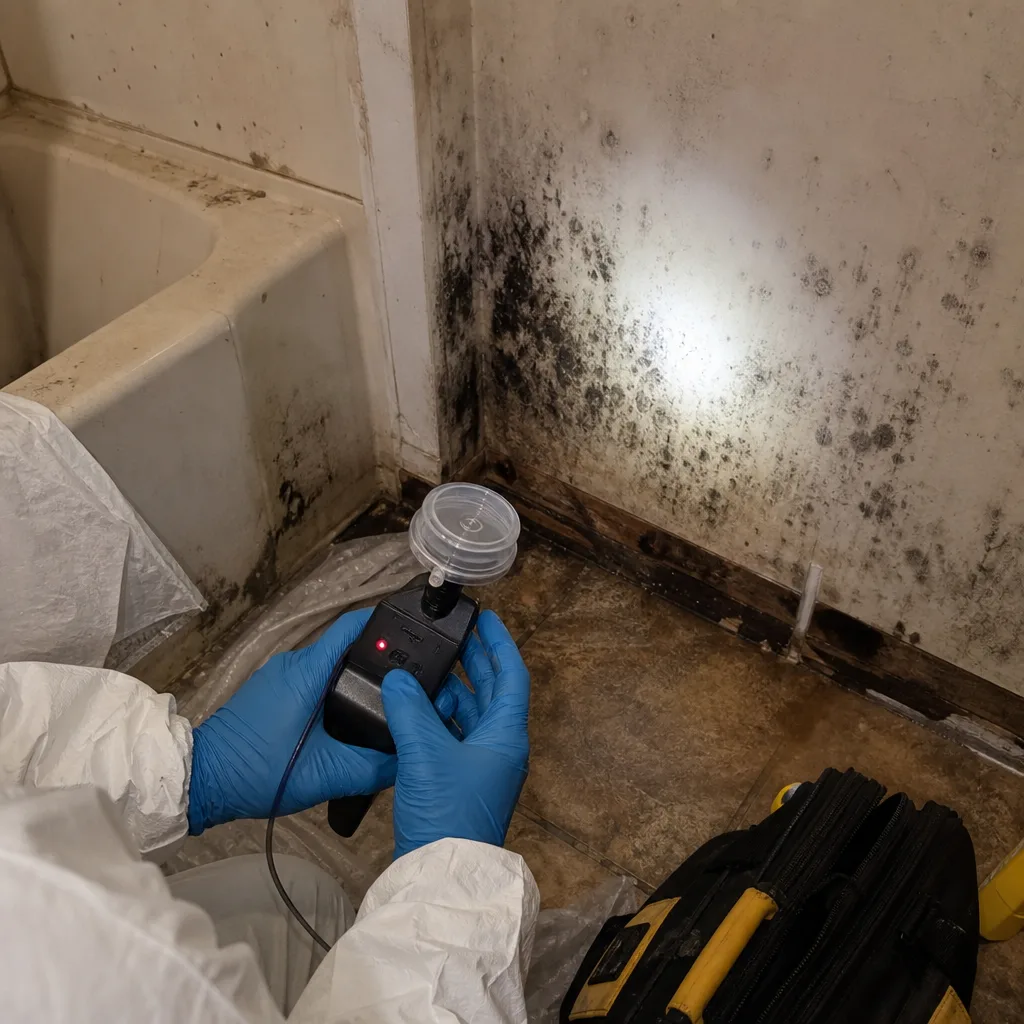
The contract you sign should contain specific protections beyond the scope and estimate. These clauses are non-negotiable.
Written Price-Lock Provision
The contract should state that the price will not exceed the written estimate except by signed change order. Haven Standard, Clause 1 is explicit: the written price before work starts is the price you pay. No verbal authorizations, no “while we were in there we noticed” additions billed after the fact.
Change-Order Requirement
Any expansion of scope must be documented in a written change order with a separate price, your signature, and a description of the new work. This prevents the common tactic of discovering “additional damage” once the crew is inside and the homeowner feels pressured to approve whatever is proposed.
Documentation Delivery Commitment
The contract should specify what documentation you will receive and when: the photo record, the daily drying logs, the final moisture readings, and the signed warranty. Without this clause, documentation becomes optional.
Termination for Convenience
A homeowner-friendly contract allows termination with reasonable notice and payment only for work completed to date. Be wary of contracts with heavy cancellation penalties or that require payment of the full estimate even if work stops early.
What Documentation You Should Receive at Project Close
At the end of every restoration job in Seattle, you should receive a complete file. This is your protection against future claims disputes and your evidence if mold or structural issues emerge later. The file should include:
- Pre-loss photo record: Date-stamped photographs of all affected areas before any work begins.
- Written scope of work: The approved scope, signed by you and the contractor.
- Line-item estimate: The Xactimate or equivalent estimate, with any change orders attached.
- Daily drying logs: Moisture readings for each affected area, recorded at each visit, with equipment adjustments noted.
- Equipment placement photos: Visual record of where each dehumidifier, air mover, and specialty drying unit was placed.
- Post-drying verification: Final moisture readings demonstrating that materials reached target levels, with dates and technician signatures.
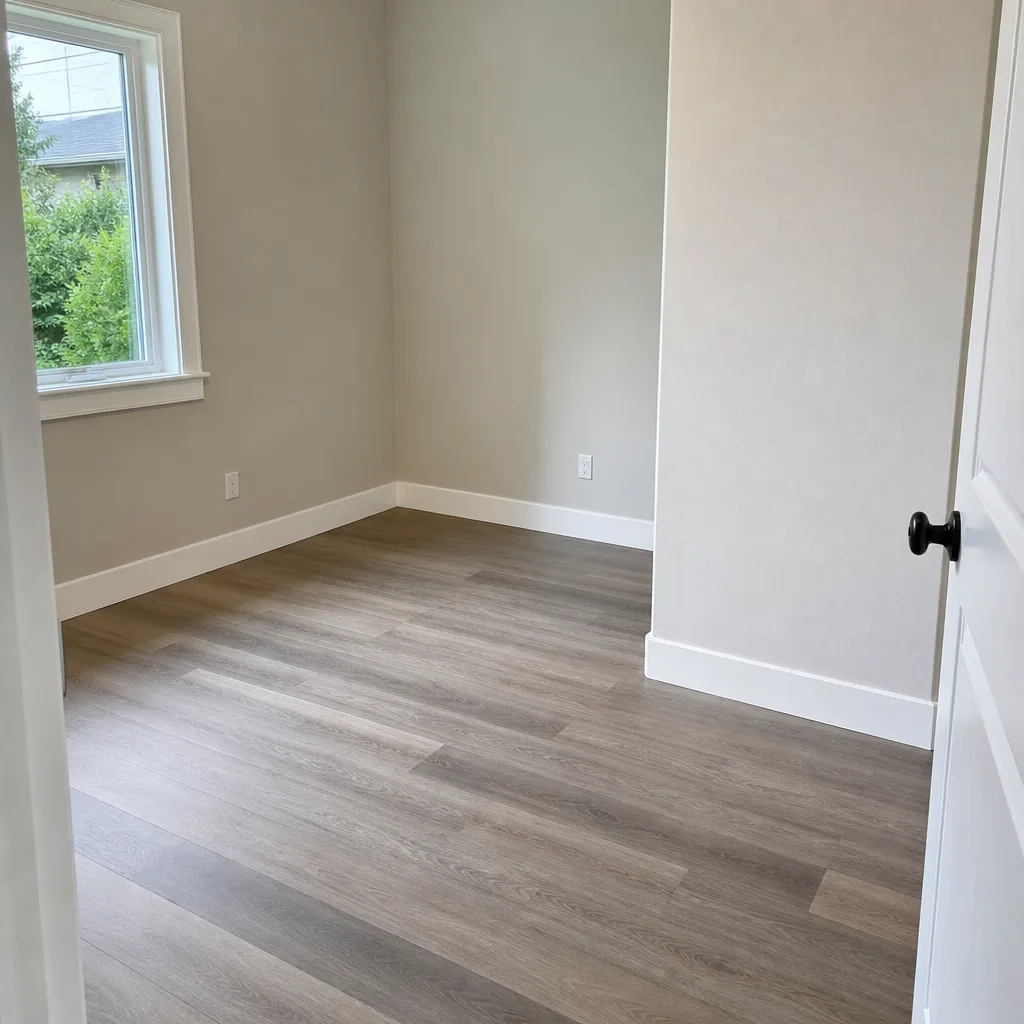
- Photo record of completed work: All affected areas after restoration, showing condition at project close.
- Signed warranty: The 365-Day Done Right Promise or equivalent, with specific terms and contact information for claims.
At DryMark Restoration Seattle, this file is standard on every job, not an upsell. We produce the documentation that turns restoration invoices into payable insurance claims because we have seen what happens when it is missing. Explore more guides & resources to protect your home.
Common Mistakes to Avoid
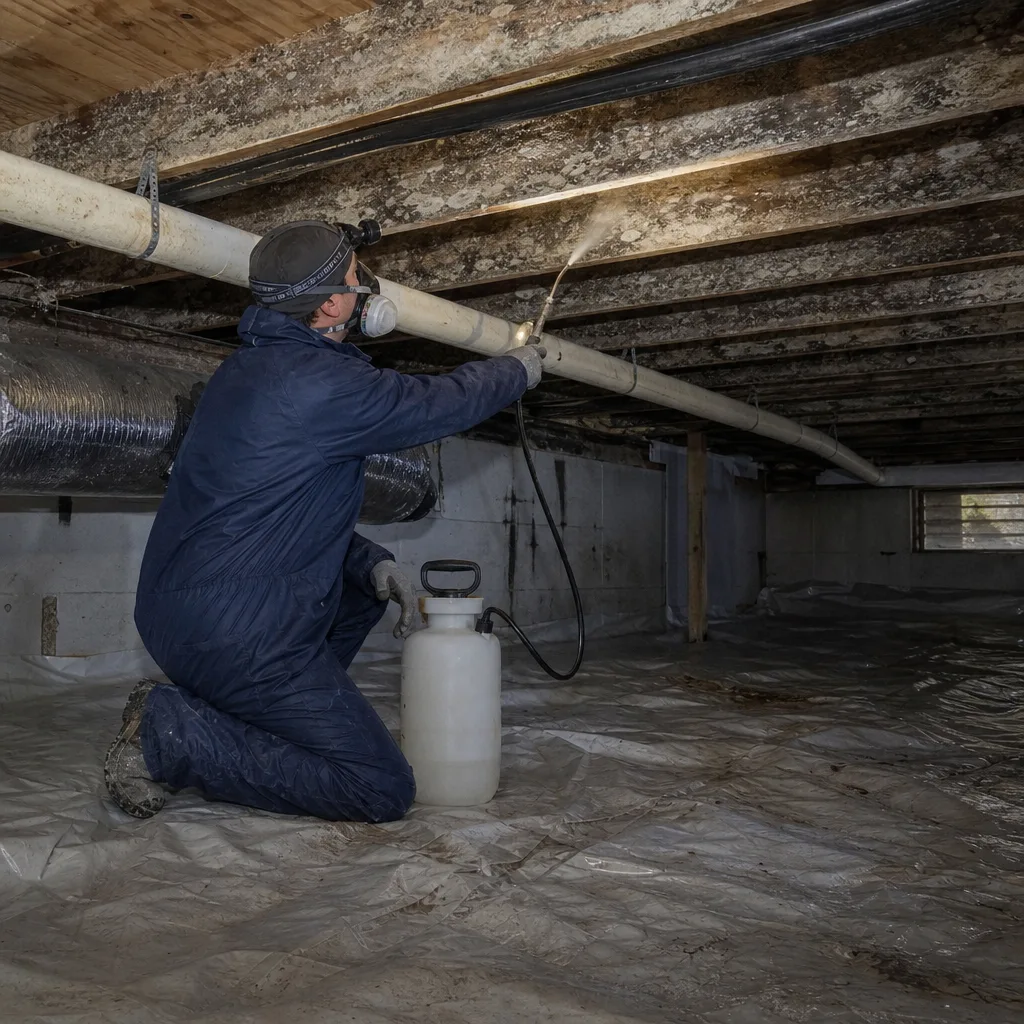
- Verbal authorizations for additional work. Any scope expansion must be in writing with a price. We’ve seen Seattle homeowners billed $4,000 for “extra drying” that was approved over the phone. Without a written change order, you have no basis to dispute it.
- Accepting a lump-sum estimate. A single number with no line items prevents you from verifying fairness and prevents your adjuster from matching it to claim categories. Insist on Xactimate or equivalent line-item format.
- Skipping the L&I verification. Contractor registration can be checked in two minutes online. The number of homeowners who skip this step and later discover their contractor was unregistered is higher than you would expect.
- Allowing the contractor to submit directly to insurance without your review. You lose control of your claim and your ability to verify accuracy. Always review and approve the scope first.
- Not asking about pollution liability for mold jobs. Standard general liability often excludes microbial contamination. In Seattle’s older housing stock, this gap is common and costly.
- Pressure to start immediately without paperwork. Water damage is urgent, but the fifteen minutes required to review and sign a proper scope and estimate will not change the outcome. A contractor who cannot produce documents before starting will not produce them after finishing.
- Ignoring the drying timeline. A contractor who cannot tell you when they will check readings, what the targets are, and how they define “dry” is not managing the job. They are hoping.
When to Call a Professional
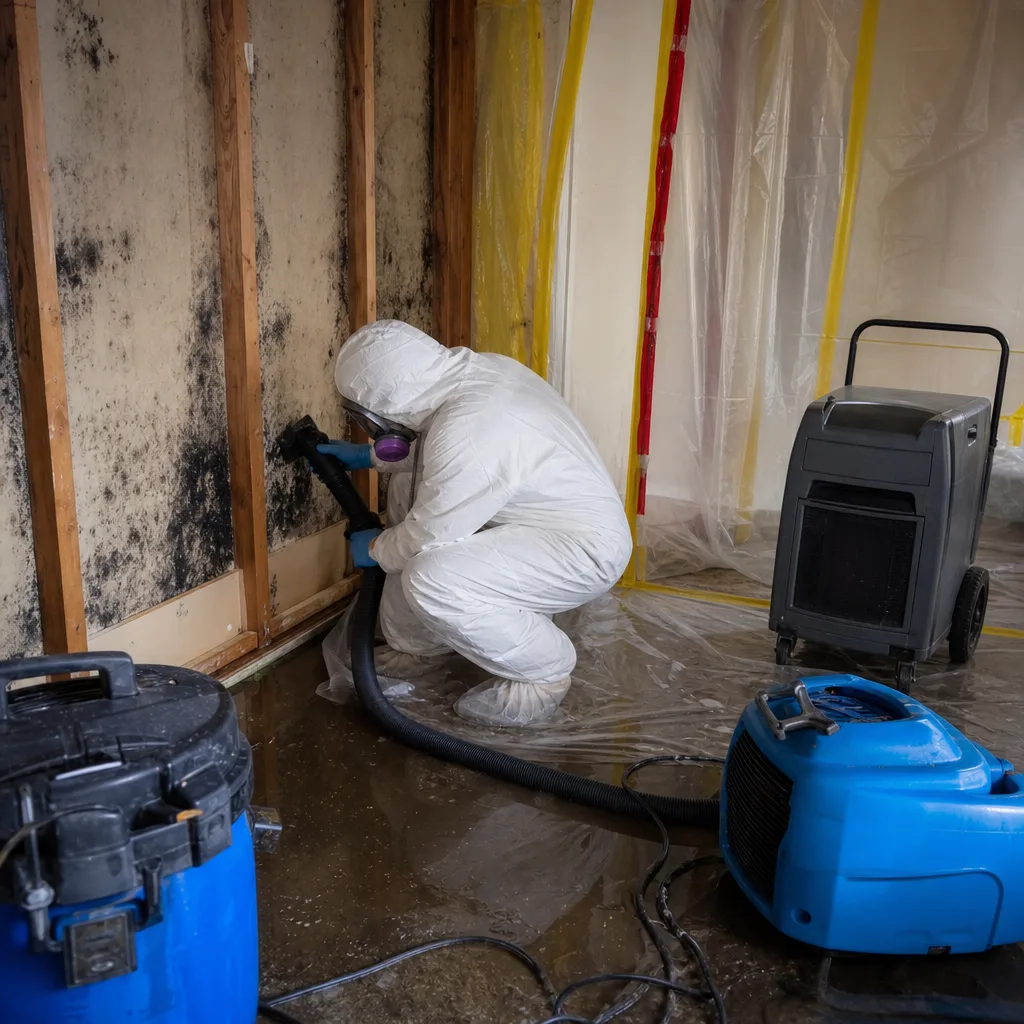
Some situations in Seattle require immediate professional intervention regardless of your comfort with DIY assessment. Call a restoration contractor if water has affected finished walls or ceilings, if the water source is Category 2 or 3 (gray or black water), if you smell mustiness but cannot locate the source, if mold is visible on more than ten square feet, or if the damage occurred more than 48 hours ago and materials remain wet. Mold remediation in Seattle requires specific containment and air filtration protocols that untrained handling will spread rather than contain.
Fire and smoke damage always requires professional restoration due to the complexity of odor removal, structural assessment, and the potential for hidden damage in wall cavities and HVAC systems. Sewage backup and biohazard situations carry genuine health risks and should never be handled without proper protective equipment and disposal protocols.
DryMark Restoration Seattle offers free estimates in Seattle. Call (425) 671-5392 to schedule an assessment with a written scope and line-item estimate delivered before any work begins.
Frequently Asked Questions
Most water damage restoration jobs in Seattle range from $2,800 to $7,500 for residential properties, with Category 3 losses or those requiring extensive reconstruction reaching $12,000 or more. The final cost depends on the water classification, affected square footage, materials involved, and whether mold remediation is required. Call (425) 671-5392 for a written line-item estimate in Xactimate format, delivered before any work starts, with no obligation.
Most standard homeowner policies in Washington cover sudden and accidental water damage, such as burst pipes or appliance failures, but exclude gradual leaks, flooding from exterior sources without specific flood coverage, and sewer backup without a rider. The key to coverage is documentation: a complete photo record, daily drying logs, and a written scope submitted promptly. Contractors who produce this documentation as standard practice, rather than as an afterthought, significantly improve claim outcomes.
Reputable contractors in Seattle typically offer emergency response within 60 to 90 minutes for active water damage during business hours, with after-hours response extending to two to four hours depending on location and weather conditions. The critical factor is not arrival time alone but what the contractor does upon arrival: a documented assessment with moisture readings, photo record, and written scope before equipment is placed. Speed without documentation is not service; it is exposure.
Category 1 water affecting only hard surfaces and addressed within 24 hours can sometimes be handled by a homeowner with proper extraction and air circulation. Any water affecting drywall, insulation, or subflooring, any water present for more than 48 hours, any gray or black water, or any musty odor indicates professional remediation is necessary. The cost of incomplete drying, measured in mold remediation or structural repair six months later, far exceeds the cost of proper initial treatment.
You retain control of your claim. The contractor’s role is to provide accurate documentation, the scope, estimate, drying logs, and photo record, that supports your claim. A contractor who submits directly to your adjuster without your review removes your ability to verify accuracy. The proper sequence is: contractor produces documents, you review and approve, contractor submits with your authorization, you maintain copies of everything.
Visit the Washington State Department of Labor and Industries website and use the Verify tool, entering the contractor’s registration number or business name. Confirm the registration is active, the bond and insurance are current, and the business name matches the name on your contract. In Seattle, also ask whether the contractor has worked with King County DCI on permitted jobs, which indicates familiarity with local inspection requirements.
The Bottom Line
Hiring a damage restoration contractor in Seattle is a document audit conducted under time pressure. The four documents, written scope, line-item estimate, L&I registration proof, and documentation protocol, are your only reliable filters in a state that does not license restoration as a separate trade. Evaluate the drying plan for specific equipment, target measurements, and daily check-ins. Treat “we work with your insurance” as a warning sign when it means bypassing your review. Insist on contract clauses that lock the price and require written change orders. And at project close, demand the complete file that proves the job was done right. The contractors who welcome this scrutiny are the ones worth hiring. The ones who resist it have already told you what you need to know.
Written by Alicia Brennan, Owner at DryMark Restoration Seattle, serving Seattle since 2011.