
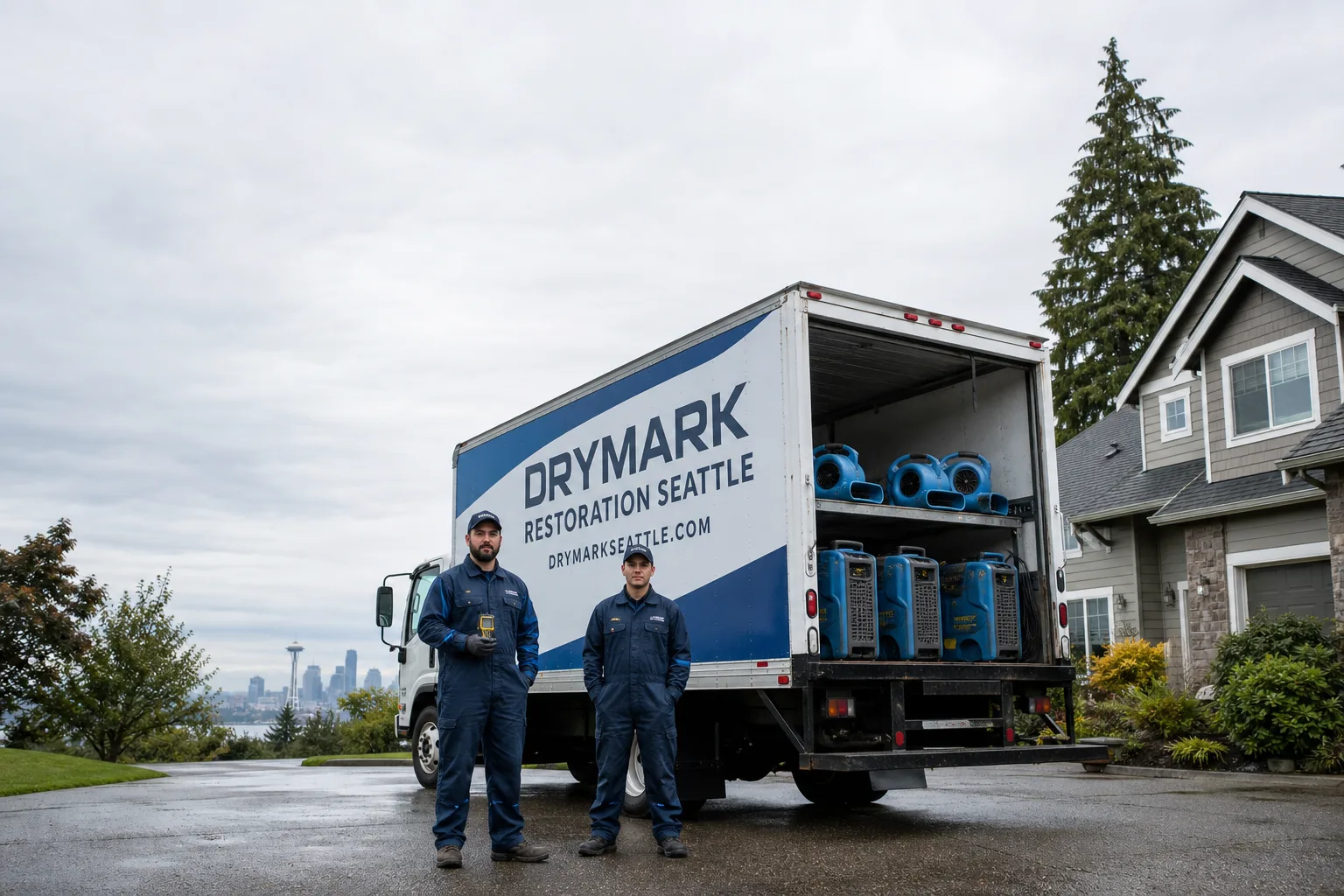
Free visual inspection and a written scope of work before any mitigation begins - photos, moisture readings, and drying logs go in your claim file
The scope we write is the scope we bill. Anything new gets shown to you, in writing, before we touch it.
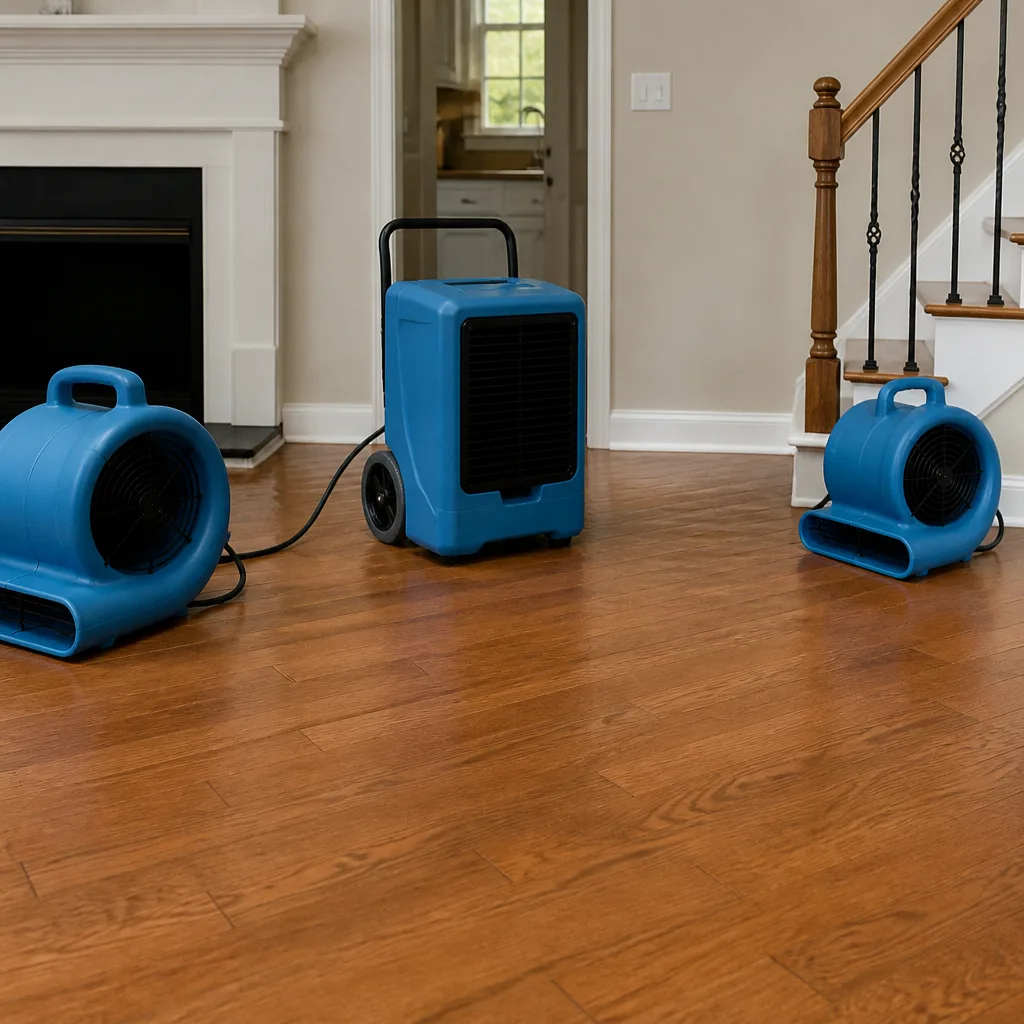
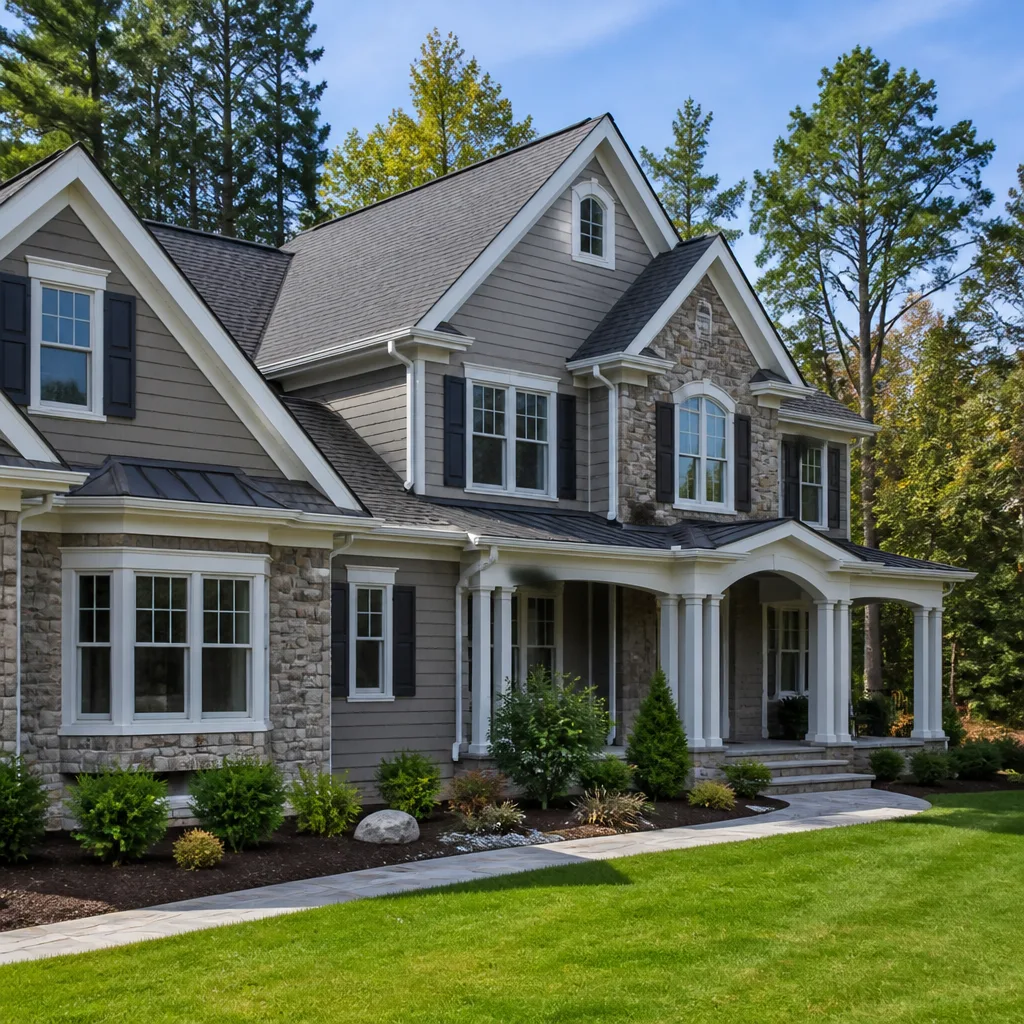
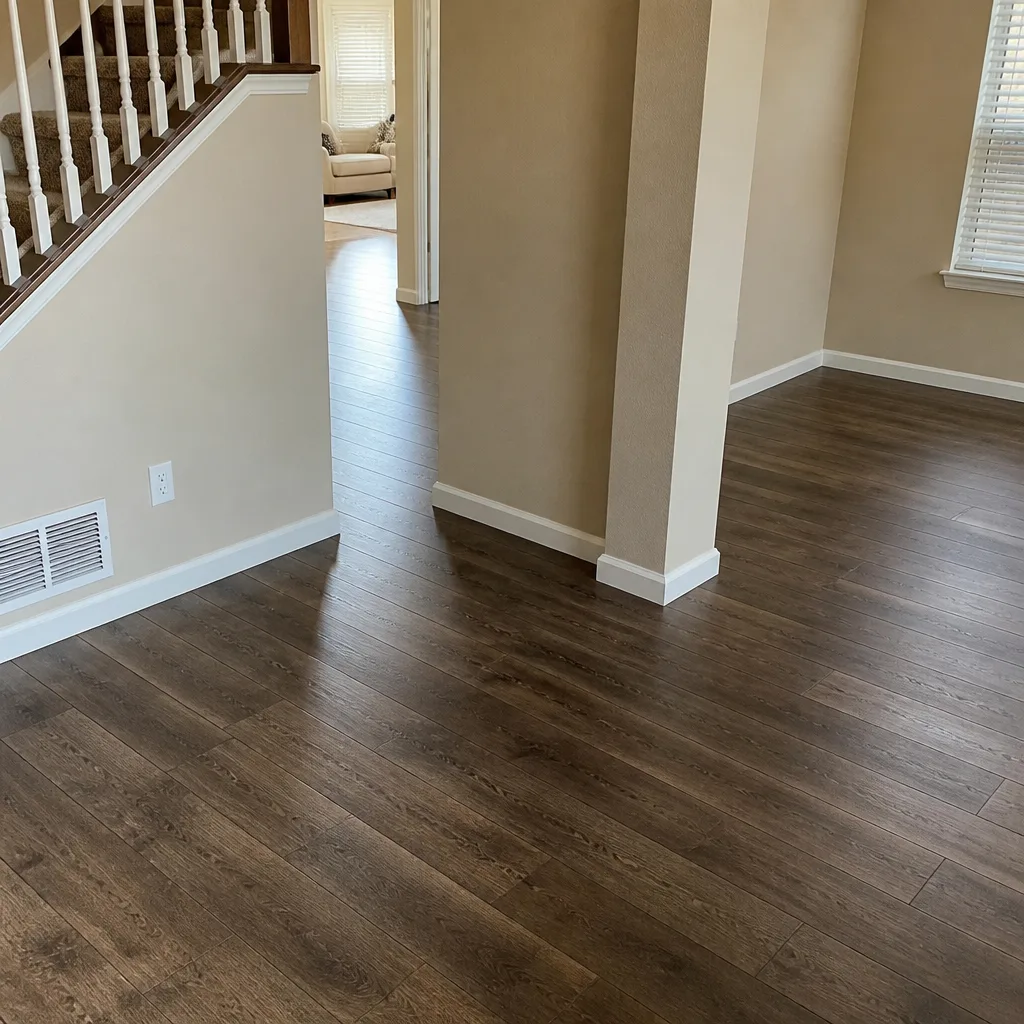
 Before
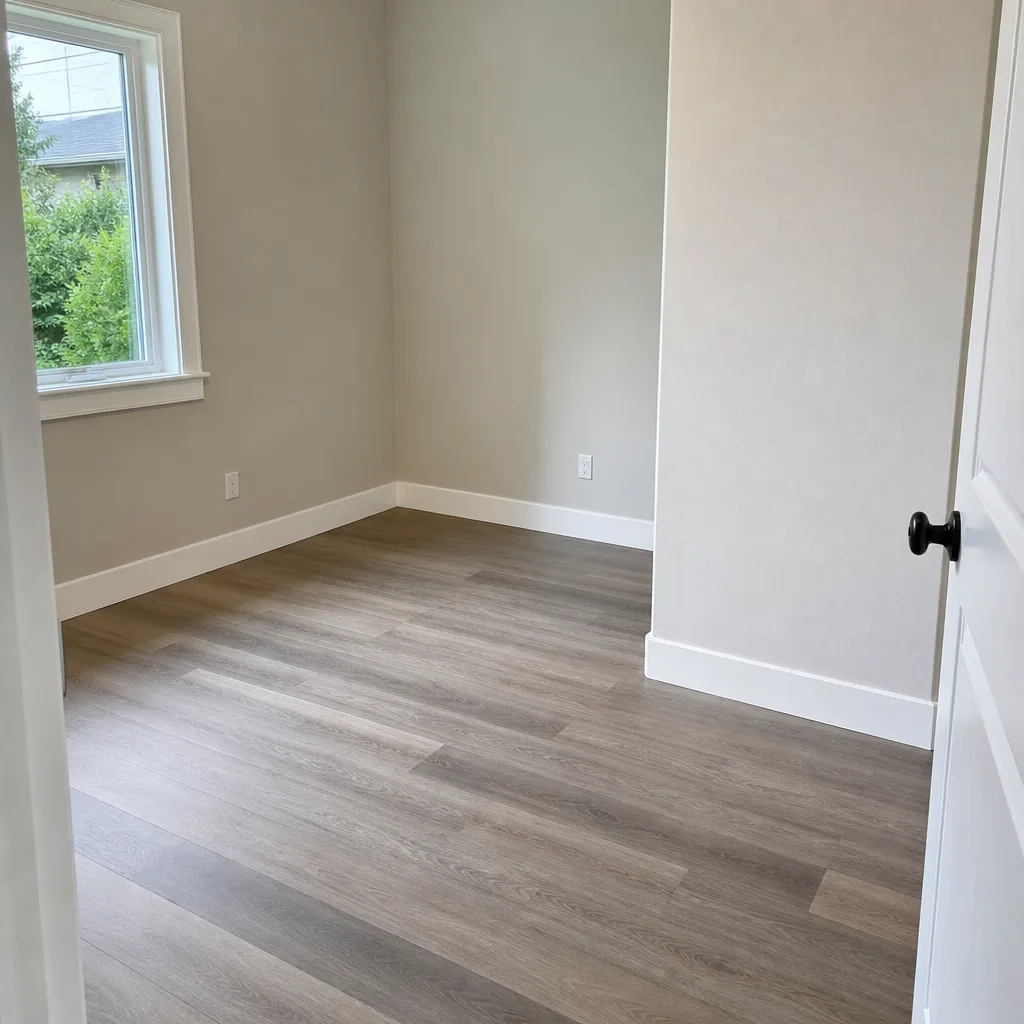 After
After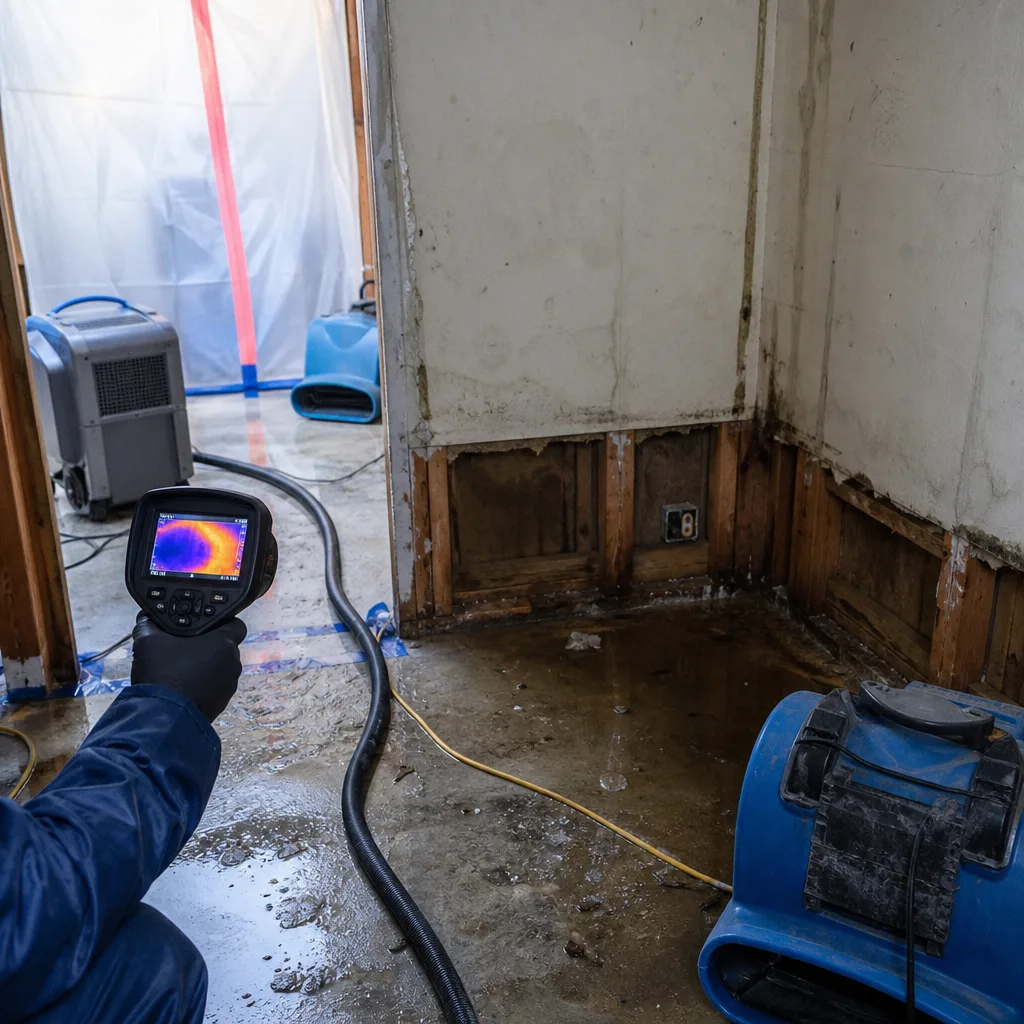 Before
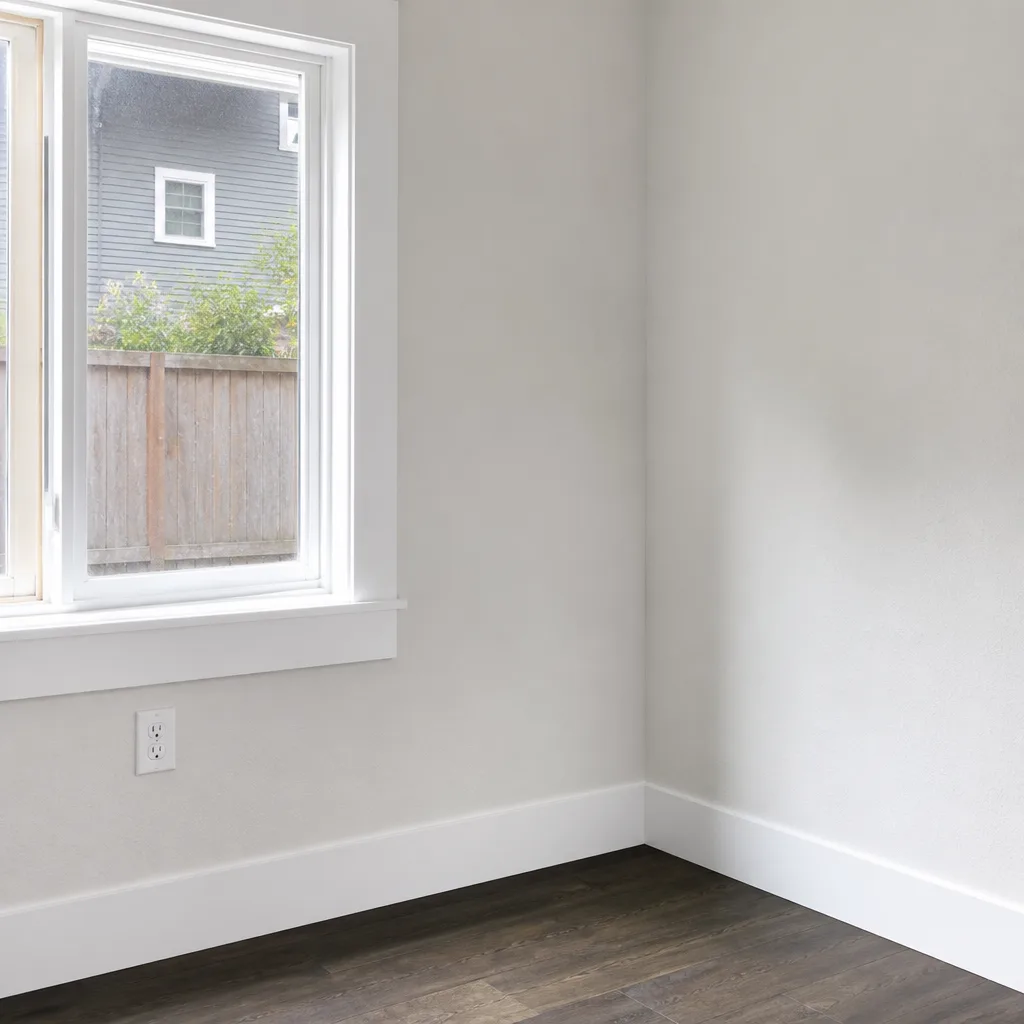 After
After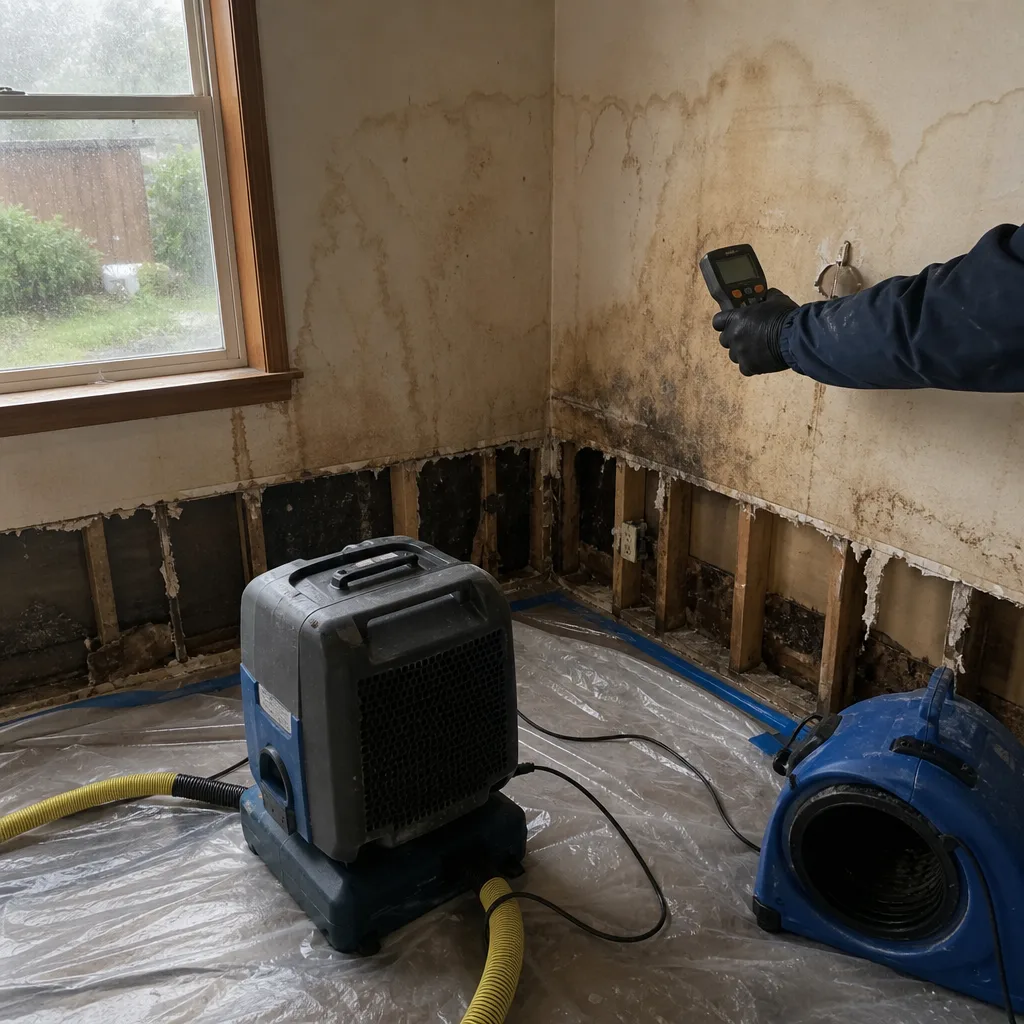 Before
 After
AfterFast, Reliable Water Damage Restoration Across Kent
Water damage restoration in Kent typically runs $2,800-$7,500 for residential jobs, with emergency extraction starting at $1,200 and full structural drying adding $1,600-$4,200 depending on square footage and material saturation. Most Kent homeowners see our crew on-site within 60-90 minutes of calling (425) 671-5392. We’re familiar with the crawl-space foundations on East Hill and West Hill, the tilt-up warehouses along the valley floor, and the specific drainage patterns that keep Kent properties wet long after the rain stops.
Our dispatch and scheduling are coordinated from our Seattle office, but crews serve Kent locally every day. We know the difference between a sudden pipe burst on SE 240th Street and the slow crawl-space saturation that East Hill tract homes hide for months. That local knowledge changes what we bring, how we scope the job, and what documentation your adjuster needs.
Why DryMark Restoration Seattle Is Kent’s Preferred Water Damage Restoration Company
Kent homeowners and facility managers know us for one thing above all: we put the price in writing before anyone touches your property. Haven Standard, Clause 1. Alicia Brennan built Back to Dry Restoration in 2011 after years as a claims adjuster watching homeowners lose coverage fights over missing documentation. We’ve restored 12,000+ homes since then, every one with a written price before work started and a photo record when the crew left.
Our Kent response times average under 90 minutes because we route crews from the metro office with GPS-mapped knowledge of local flood zones. We know which East Hill blocks back up first during atmospheric river events and which valley-floor warehouse slabs share drainage mains that fail simultaneously. That specificity shows up in our drying logs, and those logs show up in paid claims.
A live person answers every call, 24 hours a day, 7 days a week. No voicemail while water is still moving through your subfloor. Every technician is background-checked, uniformed, and licensed, with credentials produced on request. The 365-Day Done Right Promise, stamped under The Haven Standard, applies to every Kent job we take.
Our Water Damage Restoration Services in Kent
Emergency Water Extraction
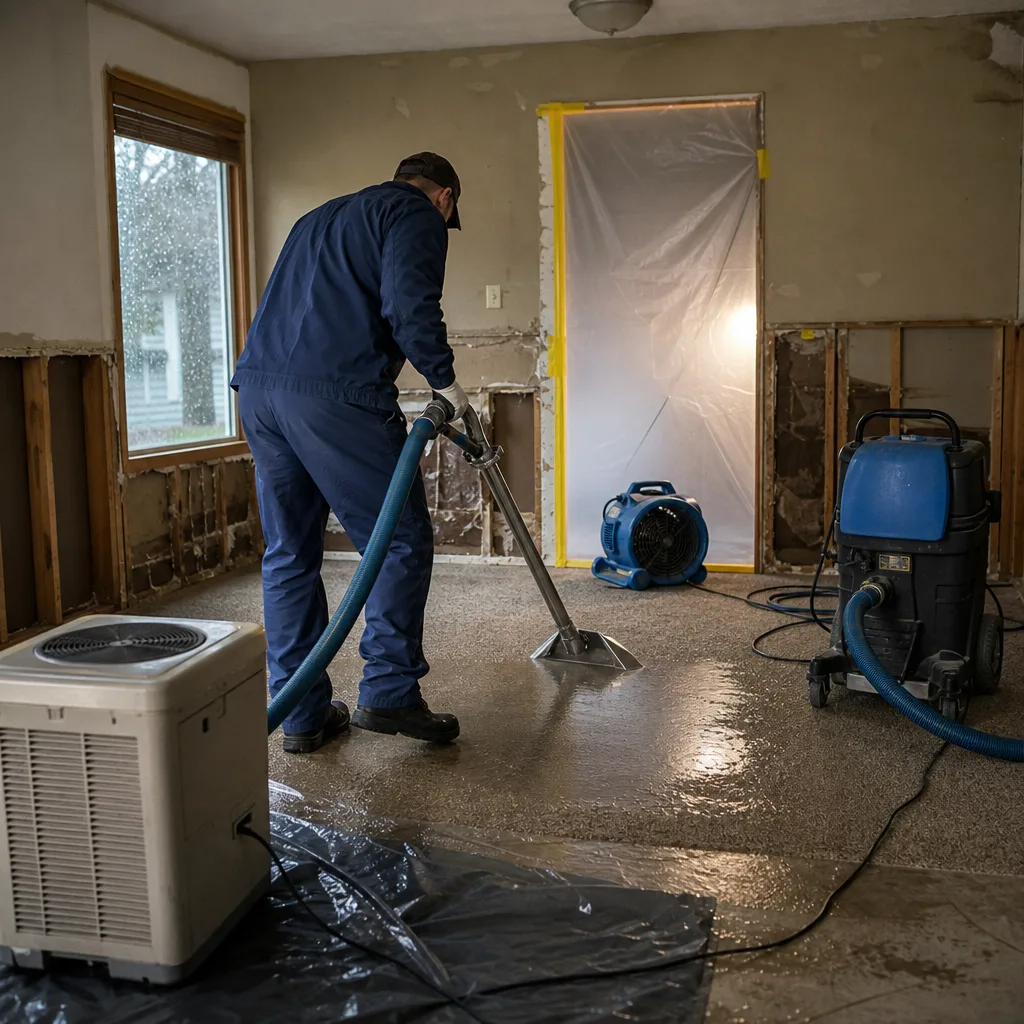
When a water loss hits a Kent property, speed matters most in the first four hours. Our crews arrive with truck-mounted extraction systems and portable submersible pumps sized for everything from a single-family rambler on West Hill to a 40,000-square-foot distribution center on the valley floor. We document standing water depth, affected square footage, and material classification - carpet, pad, hardwood, or slab - before extraction begins, so your adjuster sees exactly what was there. For Water Damage Restoration emergencies in Kent, extraction is always Step One.
Structural Drying & Dehumidification
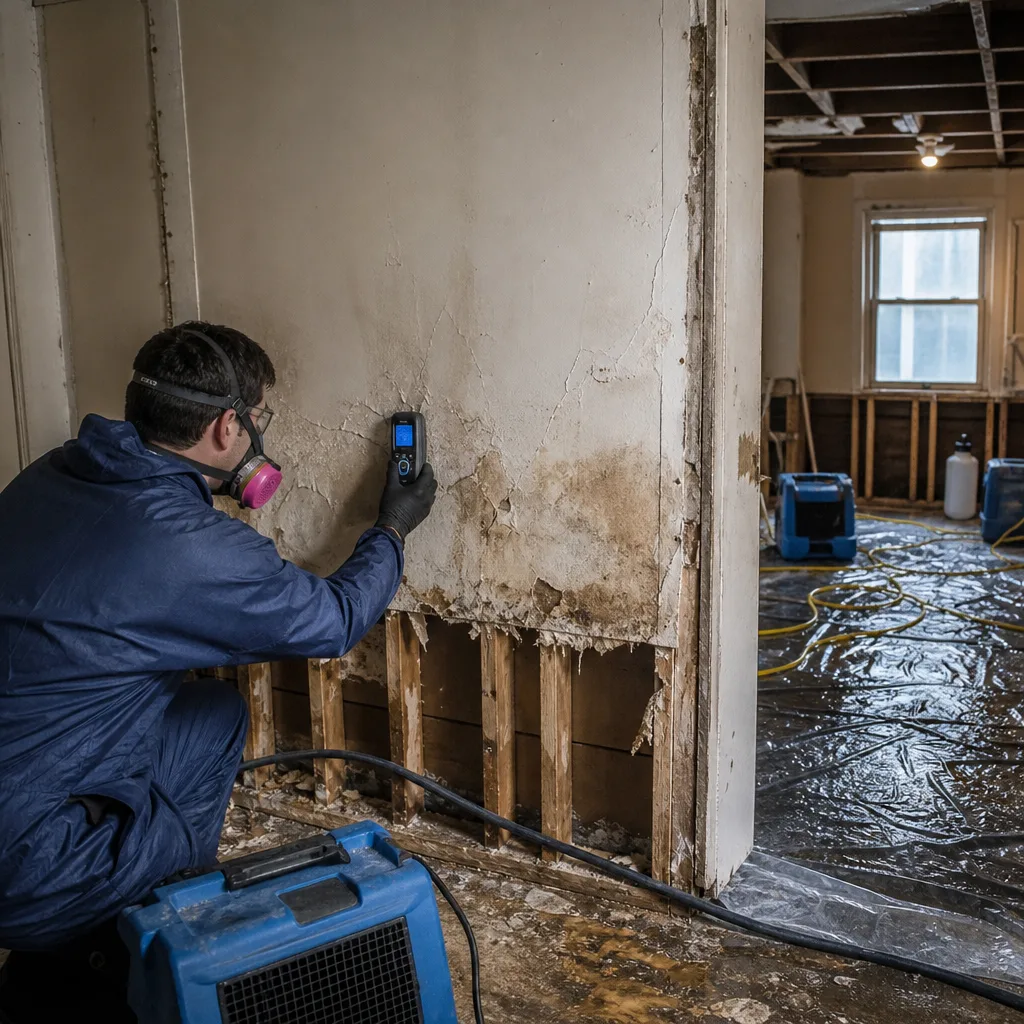
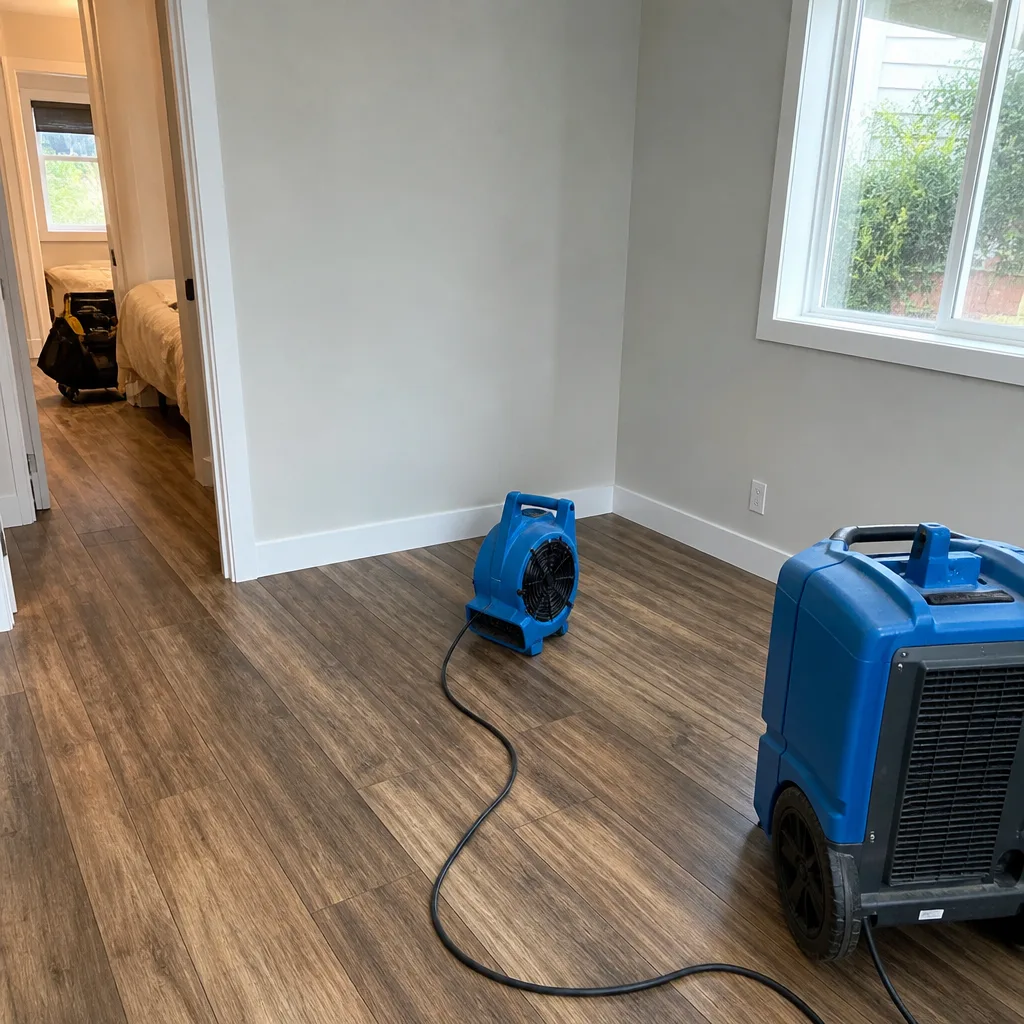
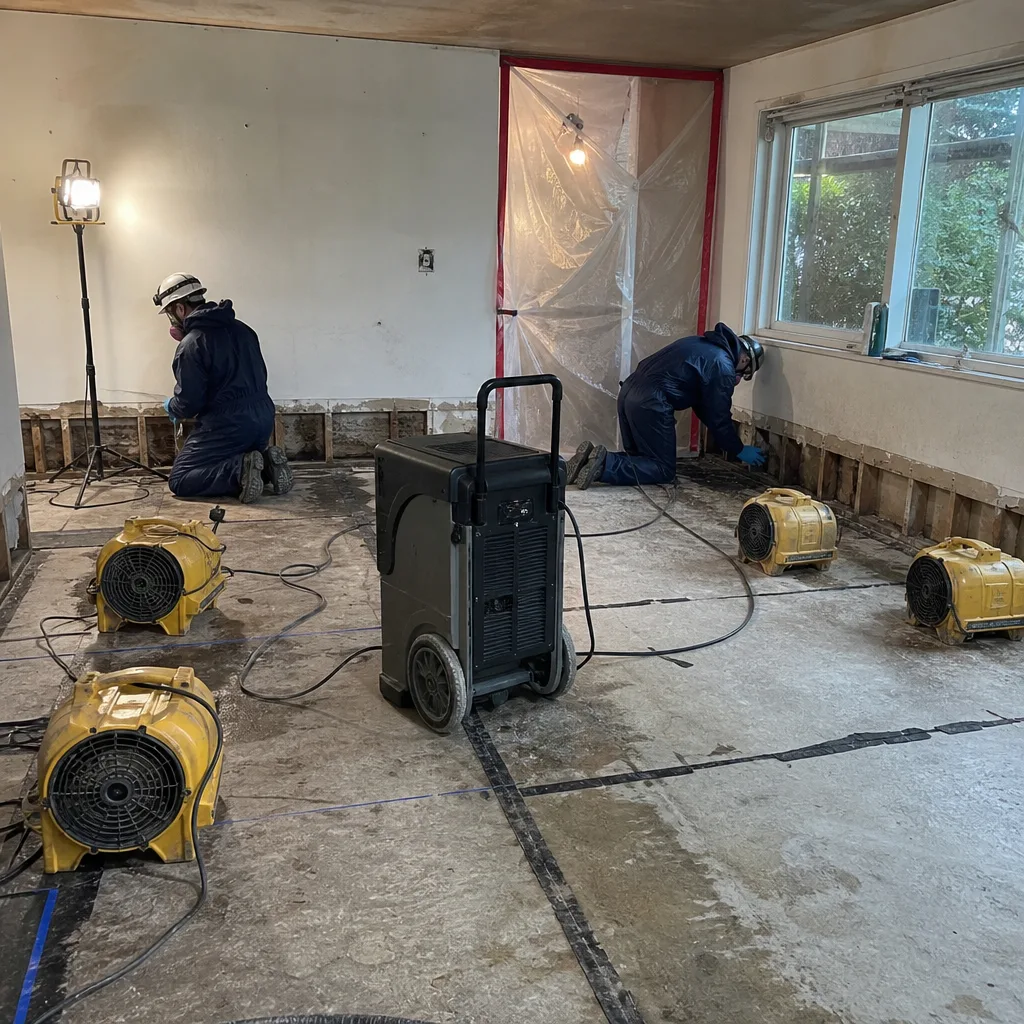
Kent’s defining water damage pattern isn’t dramatic flooding. It’s the slow, hidden saturation in 1970s-1990s crawl spaces on East Hill and West Hill, where clay-loam soils shed stormwater into enclosed foundations that stay wet for weeks. Our structural drying process starts with moisture mapping: we record baseline readings on every joist, subfloor panel, and foundation wall, then deploy Dri-Eaz and Phoenix dehumidifiers with Injectidry cavity-drying systems to hit target equilibrium moisture content. Daily psychrometric data - temperature, relative humidity, and vapor pressure differential, which is the force that actually moves moisture out of wood - gets logged to IICRC and RIA standards. These drying logs become the documentation that turns restoration invoices into payable claims.
Flood Cleanup
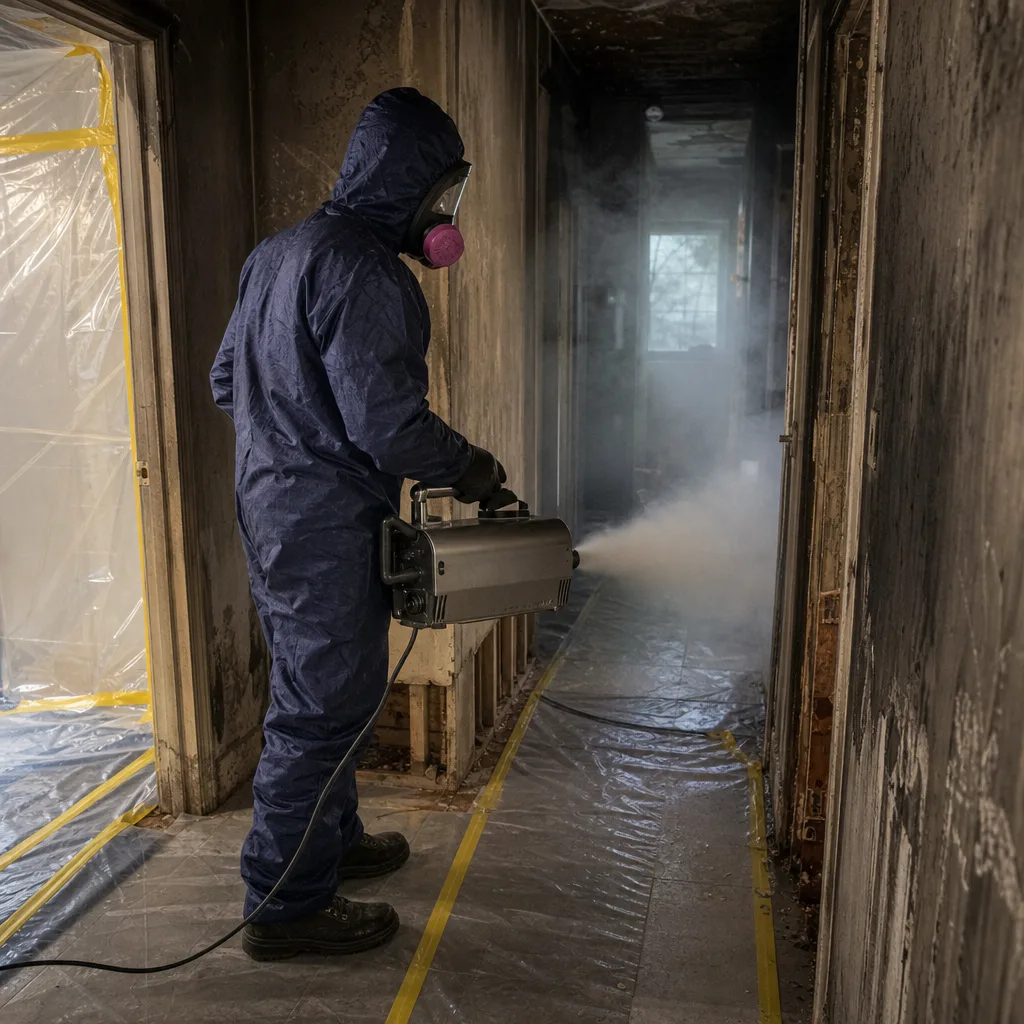
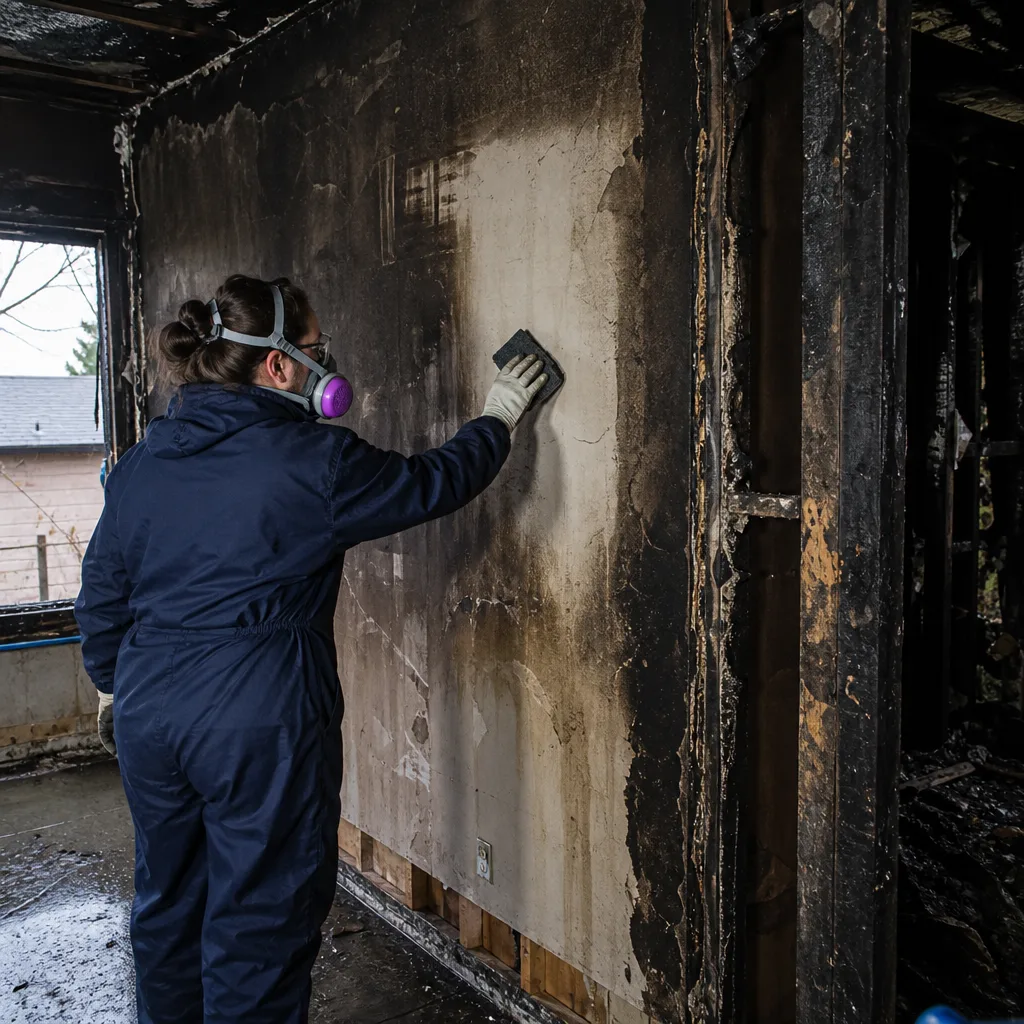
Kent sits in a unique position: the floor of the Green River Valley is a FEMA-designated Special Flood Hazard Area, buffered only by the Howard Hanson Dam upstream in the Cascades. When dam seepage concerns triggered King County flood warnings in 2009-2011, valley-floor properties faced block-wide inundation risk that doesn’t exist in neighboring suburbs like Renton or Issaquah. Our flood cleanup crews understand that Kent flood losses often involve Category 3 gray water backing through drainage infrastructure, not clean rainwater. We deploy containment, antimicrobial treatment, and full PPE protocols from arrival, with photo documentation at every phase. For properties near the Green River corridor, we also assess foundation integrity and coordinate with your adjuster on potential FEMA claim documentation.
Burst Pipe Restoration
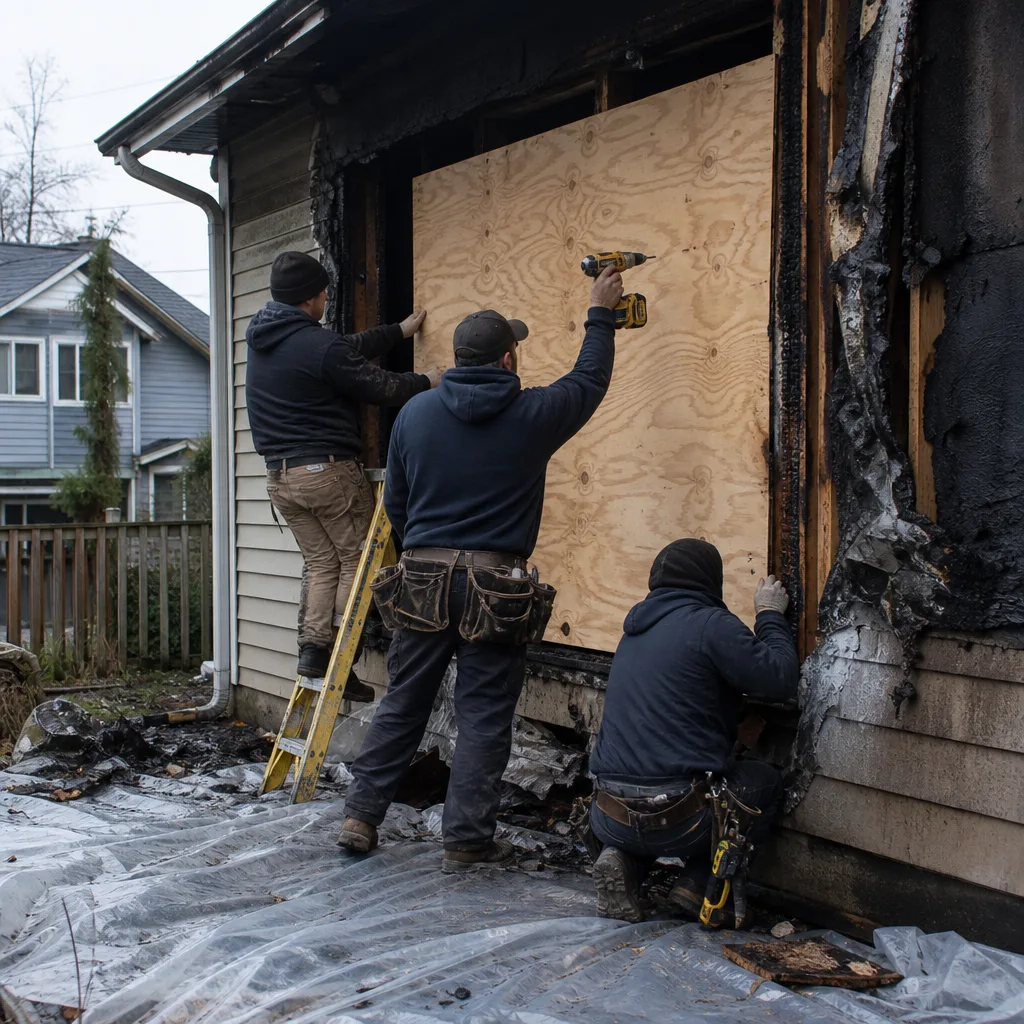
Burst pipe calls spike in Kent during cold snaps, but the more common scenario we see is the slow-pressure failure in original galvanized or early copper lines in 1980s East Hill homes. When a pipe bursts inside a wall cavity, water travels horizontally along baseplates and vertically through insulation before visible damage appears. We use thermal imaging to trace the migration path, remove only the drywall or siding necessary for access, and dry the cavity with directed airflow before mold colonizes. Our written scope specifies exactly which materials come out, which stay, and what the drying timeline looks like.
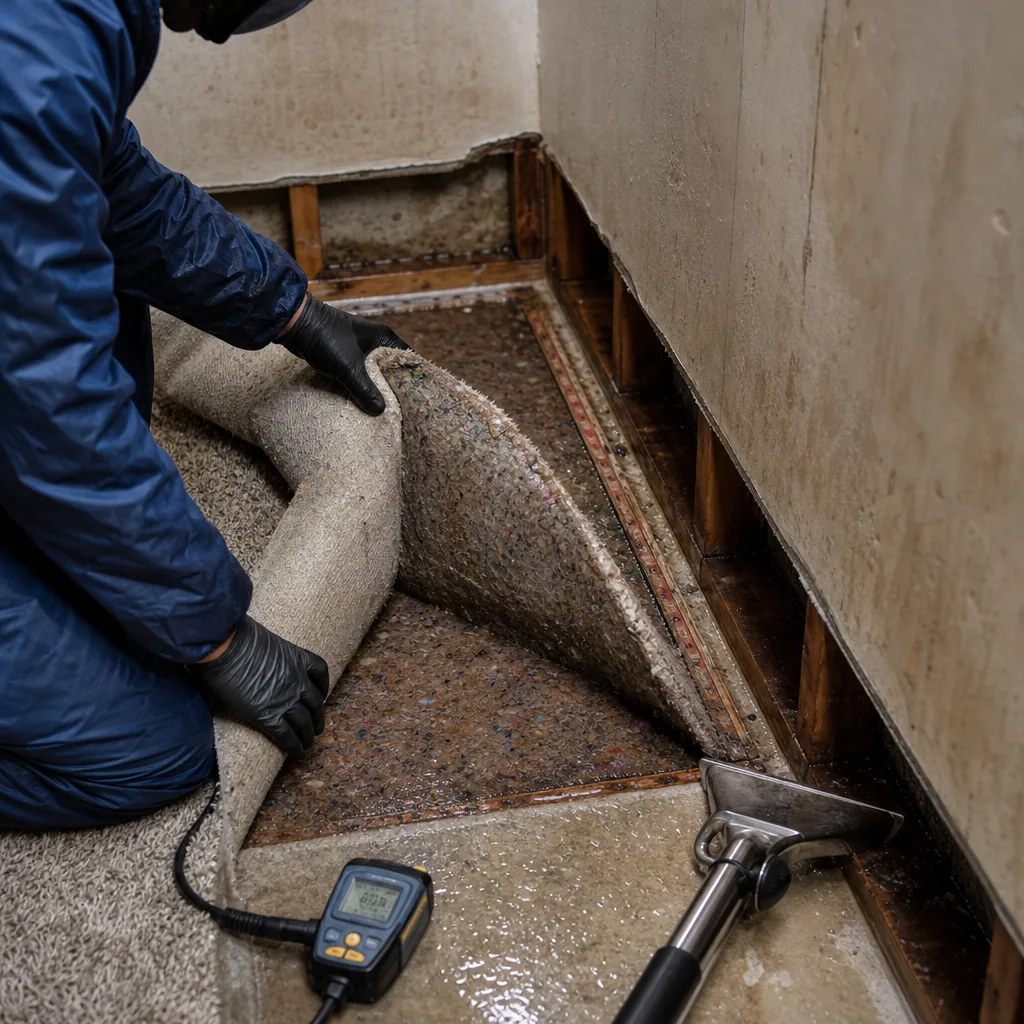
What happens when you call
- 1
A real person answersNo phone trees - you reach a local pro.
- 2
You get an upfront price rangeHonest numbers before anyone is dispatched.
- 3
A background-checked tech heads outLicensed & insured, dispatched right away.
- 4
You approve before work beginsNothing starts until you say go.
BeforeAfterTrusted Brands We Service in Kent
Our Kent crews deploy professional-grade drying systems from Dri-Eaz, Phoenix, and Injectidry - equipment selected specifically for the Pacific Northwest’s cool, high-humidity drying environment. Injectidry’s interstitial drying systems are critical for Kent’s crawl-space homes, where conventional air movers can’t reach joist cavities or subfloor voids. We stock replacement hoses, fittings, and filtration media locally, so equipment stays running through multi-day drying cycles without waiting on Seattle warehouse delivery. All work is documented to IICRC, RIA, and IFA standards, with daily logs attached to your final invoice.
Common Water Damage Restoration Problems We See in Kent Homes
- Crawl-space flooding on East and West Hill goes undetected for months. The 1970s-1990s tract homes that dominate Kent’s hillside neighborhoods were built with enclosed crawl spaces and minimal vapor barriers. Moisture accumulates under the house year-round, but homeowners rarely inspect down there. By the time a floor feels soft near a foundation vent, subfloor framing has already absorbed enough moisture to trigger mold colonization.
- Original black corrugated ABS drain pipe from the early 1980s cracks and leaks sewage. East Hill homes built in that era frequently have this legacy drainage material in their crawl spaces. Root intrusion or simple age degradation causes slow cracks that release Category 3 water - actual sewage - into the enclosed space. The smell is often faint or absent because the crawl space vents to the exterior, so the first sign is structural damage, not odor.
- Atmospheric river events overwhelm valley-floor drainage and back water into commercial slabs. Kent’s tilt-up warehouses and distribution centers sit on ground that was marshland before development. When intense rainfall hits simultaneously across the Green River basin, stormwater infrastructure backs up and enters ground-floor slabs through floor drains or foundation joints. Multiple blocks can be affected at once, making rapid response critical to prevent Category 2 losses from becoming Category 3 biohazard jobs.
- Homeowners run box fans on damp crawl spaces instead of calling for professional drying. A box fan moves air but doesn’t change the vapor pressure differential that removes moisture from wood. More importantly, it doesn’t produce the moisture logs and photo documentation that insurance adjusters require. By the time the homeowner realizes the “ventilation” isn’t working, mold has colonized drywall and framing beyond the 24-to-48-hour safe window.
Pricing for Water Damage Restoration in Kent, WA
Here’s what water damage restoration costs in Kent’s market:
| Service | Typical Range in Kent |
|---|---|
| Emergency water extraction (residential) | $1,200 - $2,800 |
| Structural drying & dehumidification | $1,600 - $4,200 |
| Crawl-space water removal + drying | $2,400 - $5,500 |
| Category 3 sewage cleanup | $3,500 - $8,000 |
| Full residential restoration (drywall, flooring, paint) | $7,500 - $18,000 |
| Commercial flood cleanup (per 1,000 sq ft) | $4,500 - $9,000 |
Three factors move Kent jobs to the higher end: Category 3 contamination requiring antimicrobial treatment and PPE protocols, crawl-space access limitations that extend drying time, and valley-floor commercial properties with large square footage and slab-on-grade construction. Every job gets a written price before work begins, Haven Standard, Clause 1. Bring a competitor’s written estimate and we’ll review it free - our Second Opinion service. Call (425) 671-5392 for an exact quote on your specific loss.
We Also Serve Cities Near Kent
Our crews respond daily from the metro office to Water Damage Restoration in Kent and neighboring communities: Renton to the north, Federal Way to the southwest, Issaquah across the hills to the east, and Bellevue across Lake Washington. Each city has distinct drainage patterns and housing stock, and our scoping reflects that local knowledge.
Serving Kent, WA - Our Local Coverage Area
We’re based in the Kent area and know this community well. Use the map below to see our service coverage - if you’re nearby, we can almost certainly help.
FAQs - Water Damage Restoration in Kent
East Hill’s clay-loam soils shed water downhill into the Green River Valley instead of absorbing it, and your 1970s-1990s tract home likely has minimal grading, poor perimeter drainage, and a crawl space with limited vapor barrier coverage. The water arrives fast and leaves slowly because there’s nowhere for it to go once it’s under your house. Professional moisture mapping and targeted dehumidification with documented daily logs is the only way to prove the space is actually dry, not just surface-dry. Call (425) 671-5392 and we’ll show you the current moisture readings.
Yes. Cracked ABS drain pipe carrying sewage or gray water releases Category 3 water, the highest contamination classification under IICRC standards. This requires antimicrobial treatment, PPE protocols, and often removal of saturated porous materials. The East Hill field vignette we see regularly: homeowners discover the crack only when the subfloor feels soft, by which point framing has been wet for weeks. We document the source, the contamination category, and the remediation scope in writing before any work starts. Haven Standard, Clause 1.
Mold colonization typically begins 24 to 48 hours after water contacts organic material like wood framing or paper-faced drywall. Kent’s cool, humid climate doesn’t slow this timeline meaningfully because crawl spaces and wall cavities maintain stable temperatures year-round. The real risk in Kent homes is the hidden loss that starts the clock without anyone knowing. Our moisture mapping finds water you can’t see, and our drying logs prove we stopped colonization before it started. Call (425) 671-5392 for emergency response.
Yes. The dam is the sole flood-control buffer for the entire Green River Valley, and its operational status affects whether your loss is a standard insurance claim or involves FEMA flood coverage. During the 2009-2011 seepage concerns, valley-floor properties faced evacuation warnings and potential federal disaster declarations. We document dam-related flood events with specific language adjusters and FEMA reviewers recognize, including water source classification and block-wide infrastructure failure patterns. If you’re in the FEMA Special Flood Hazard Area, your documentation needs are different than a hillside home’s.
We deploy Dri-Eaz and Phoenix LGR dehumidifiers, XPOWER and B-Air air movers, and Injectidry interstitial drying systems for wall and ceiling cavities. For Kent’s crawl-space homes, Injectidry is often the critical tool because conventional air movers can’t direct airflow through joist bays or subfloor voids. All equipment is monitored daily with psychrometric readings - temperature, relative humidity, and vapor pressure differential - logged to IICRC and RIA standards. You receive the complete drying log with your final documentation package.
Call (425) 671-5392 now for a free, written estimate on water damage restoration in Kent. A live person answers 24/7. We put the price in writing before work begins, document every visit with photos, and back every job with the 365-Day Done Right Promise under The Haven Standard.
Written by Alicia Brennan, Owner at Back to Dry Restoration, serving Kent and the greater Puget Sound area since 2011.