
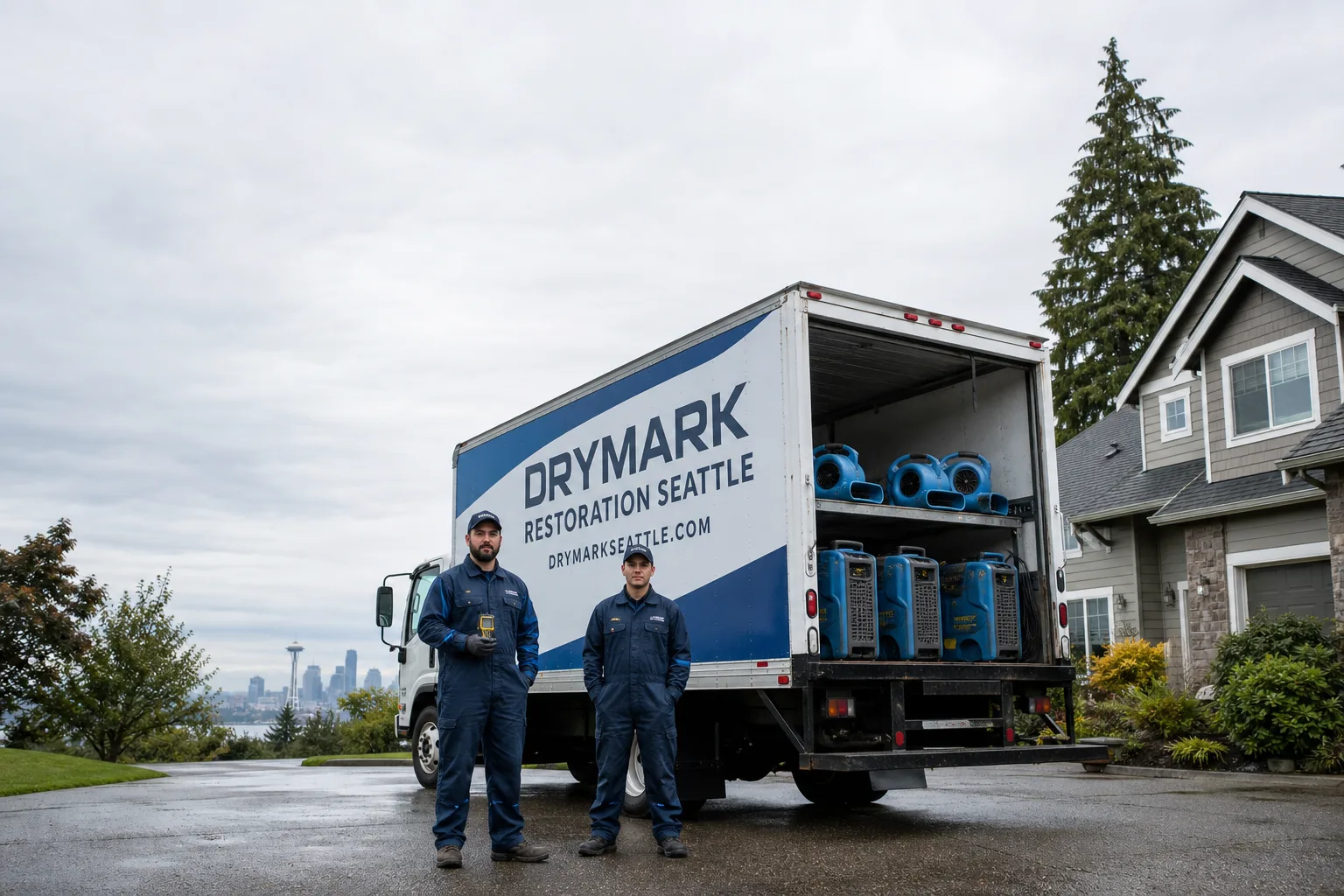
Free visual inspection and a written scope of work before any mitigation begins - photos, moisture readings, and drying logs go in your claim file
The scope we write is the scope we bill. Anything new gets shown to you, in writing, before we touch it.
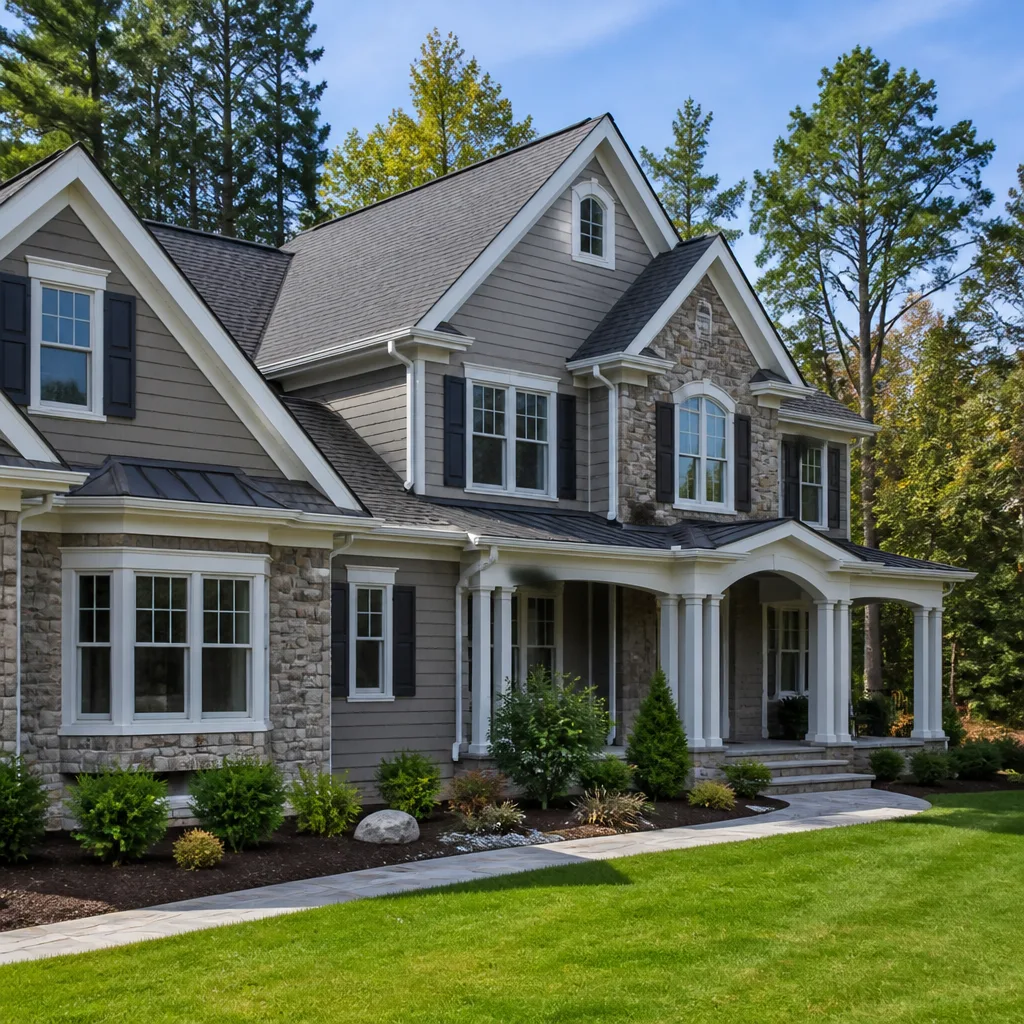
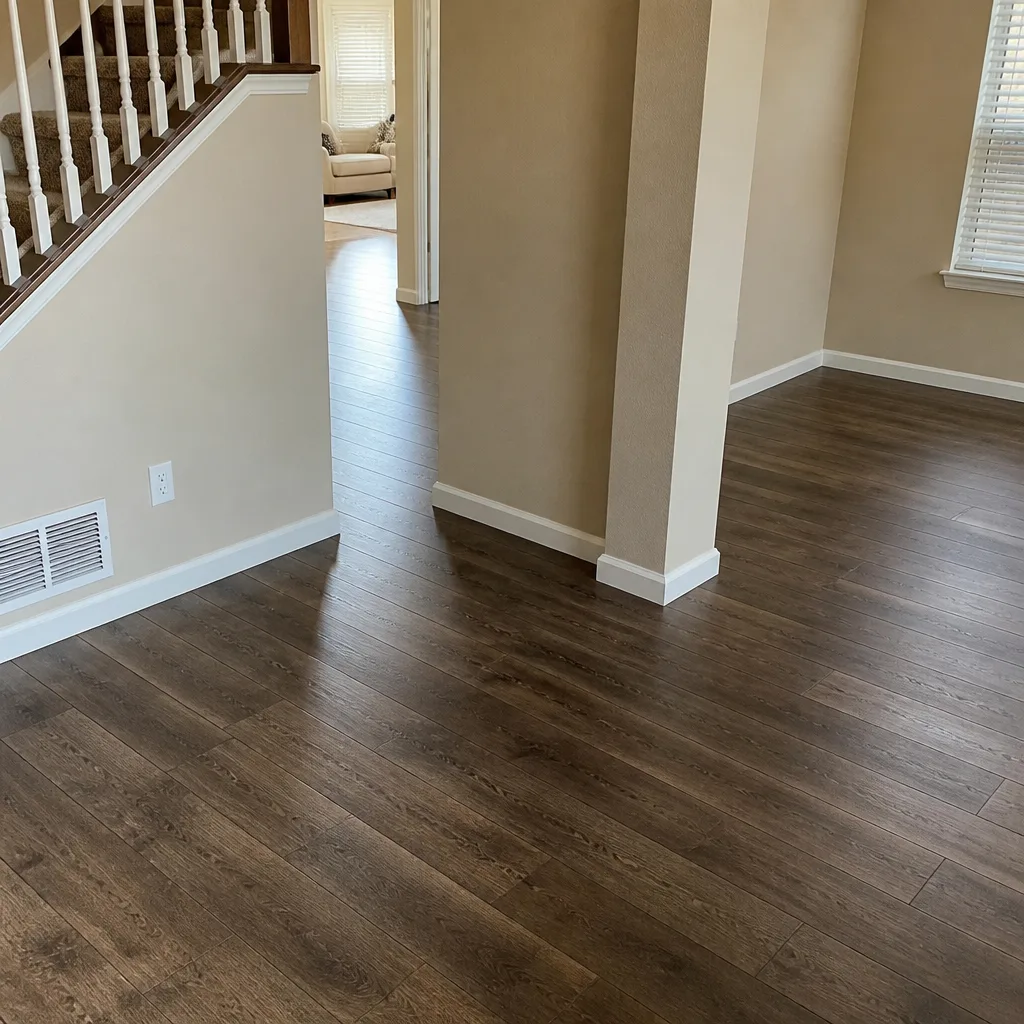
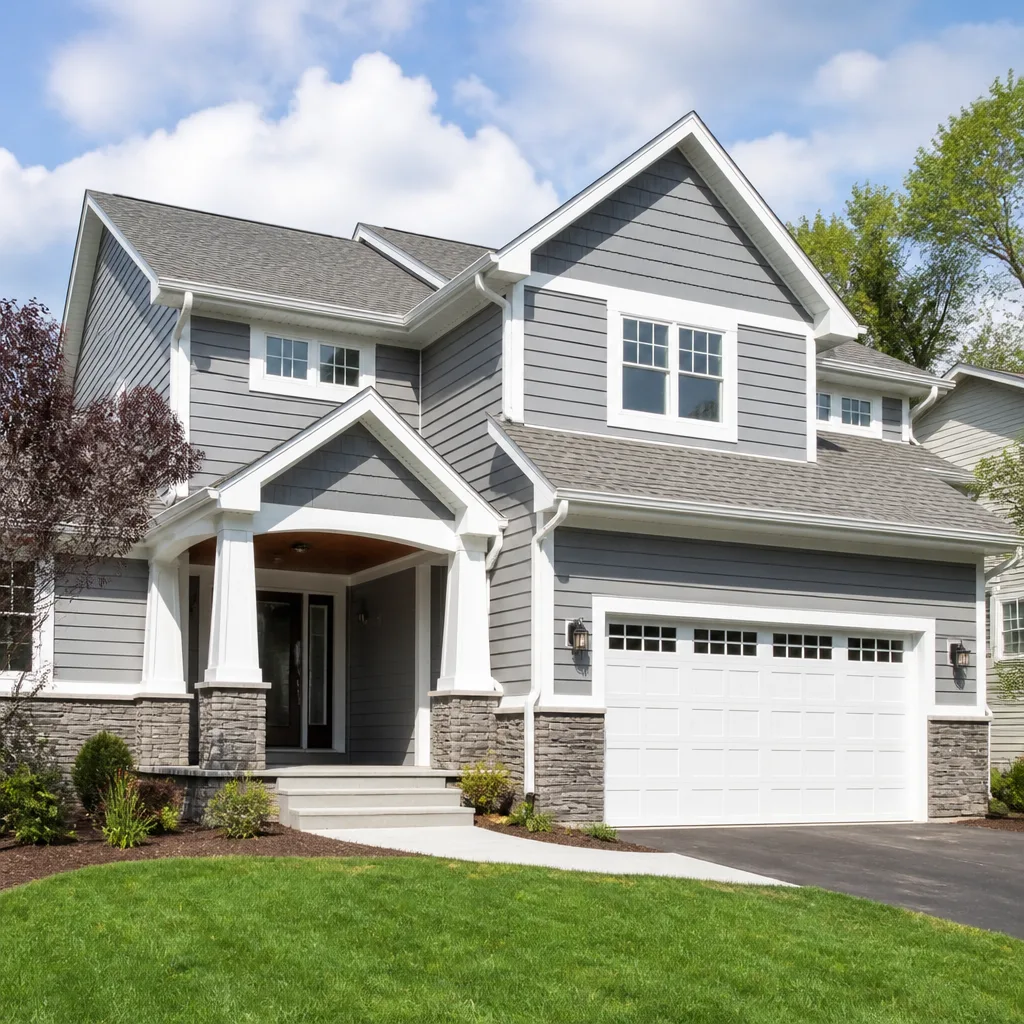
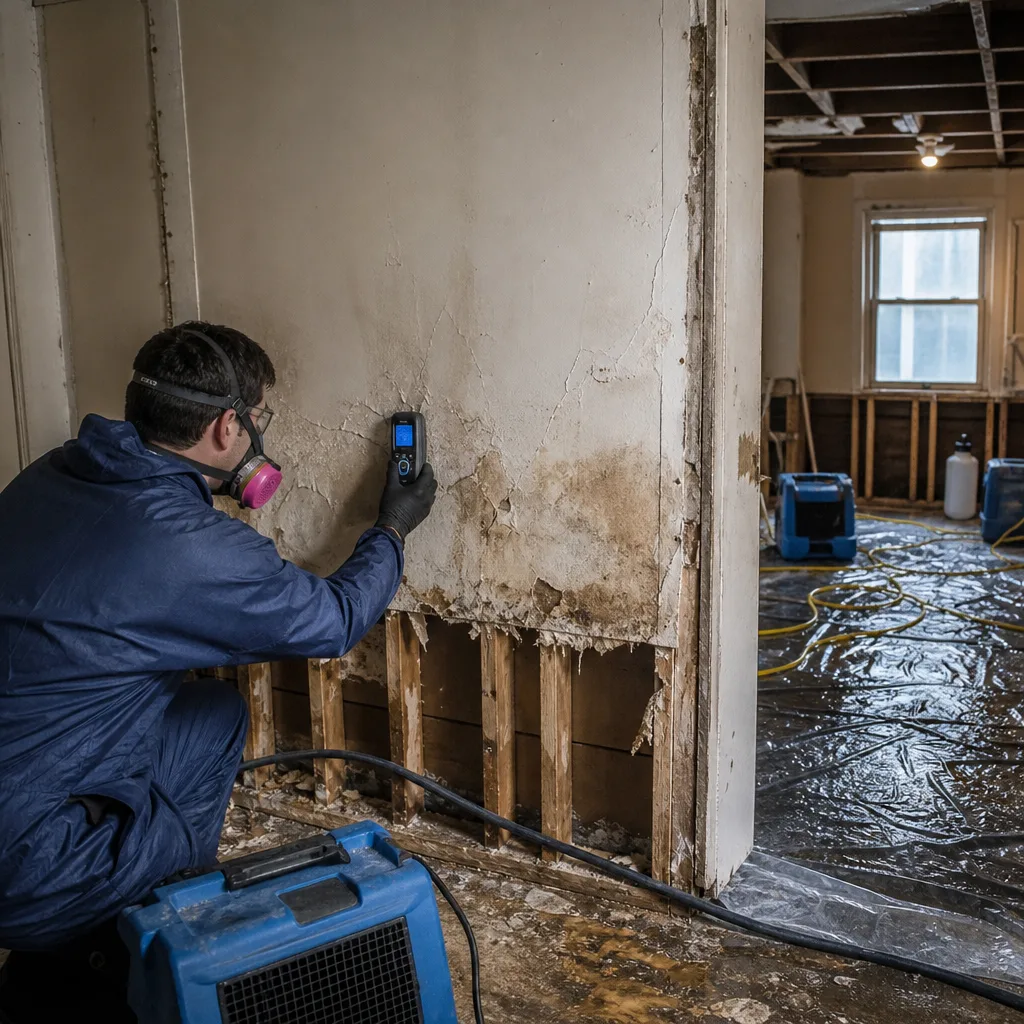 Before
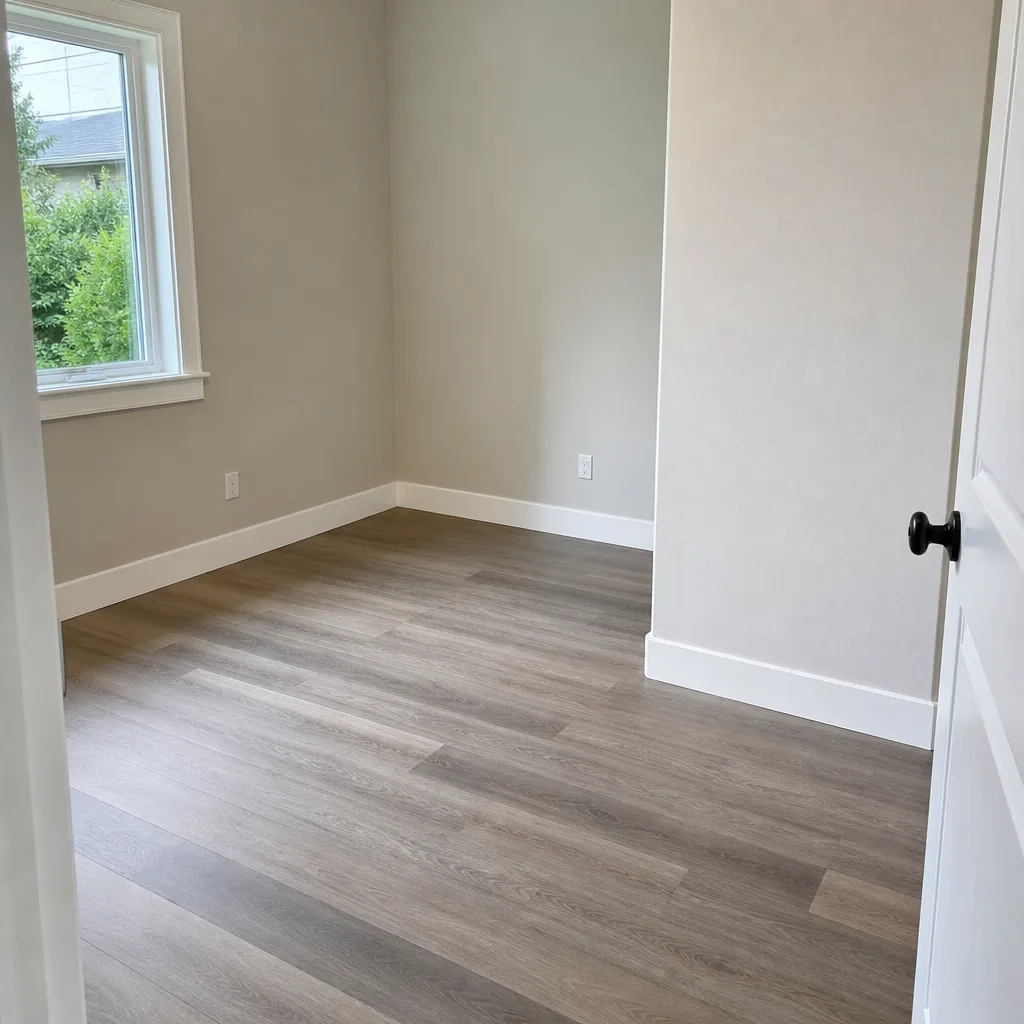 After
After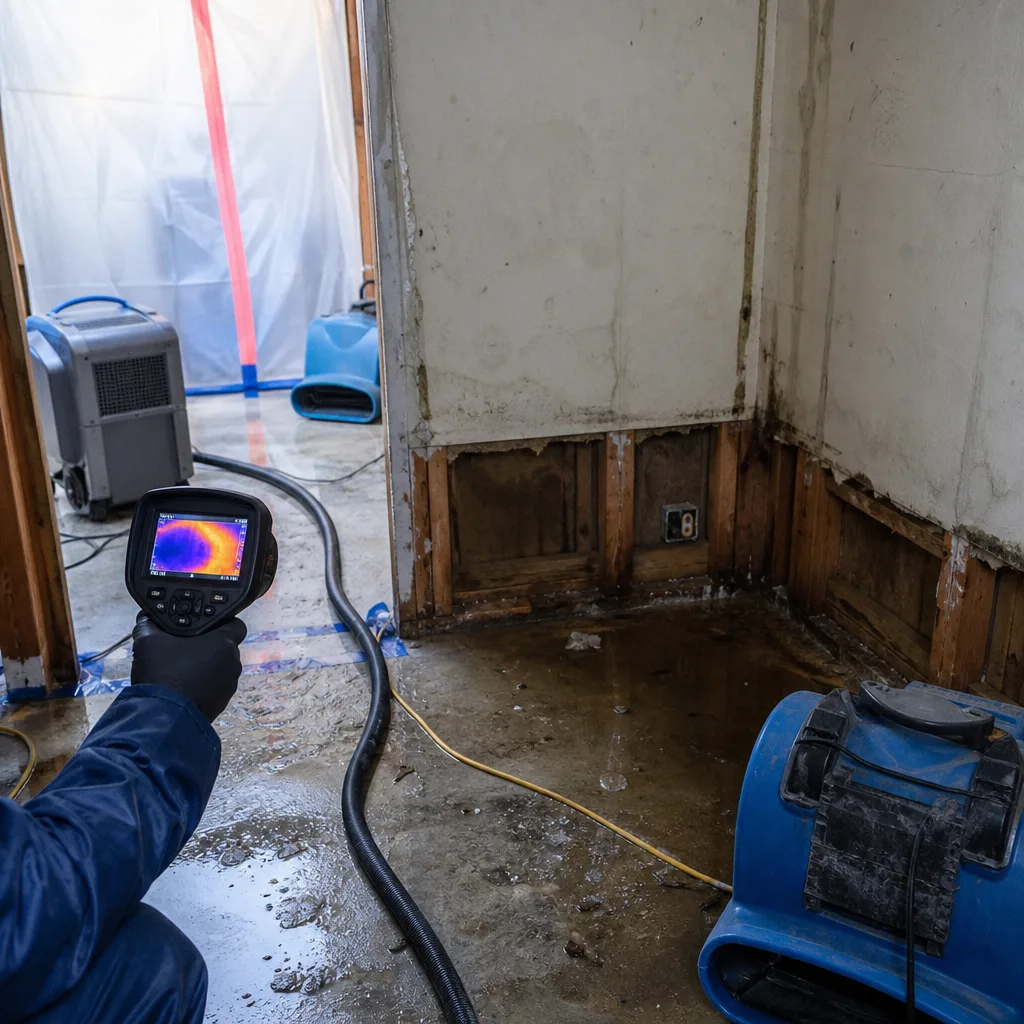 Before
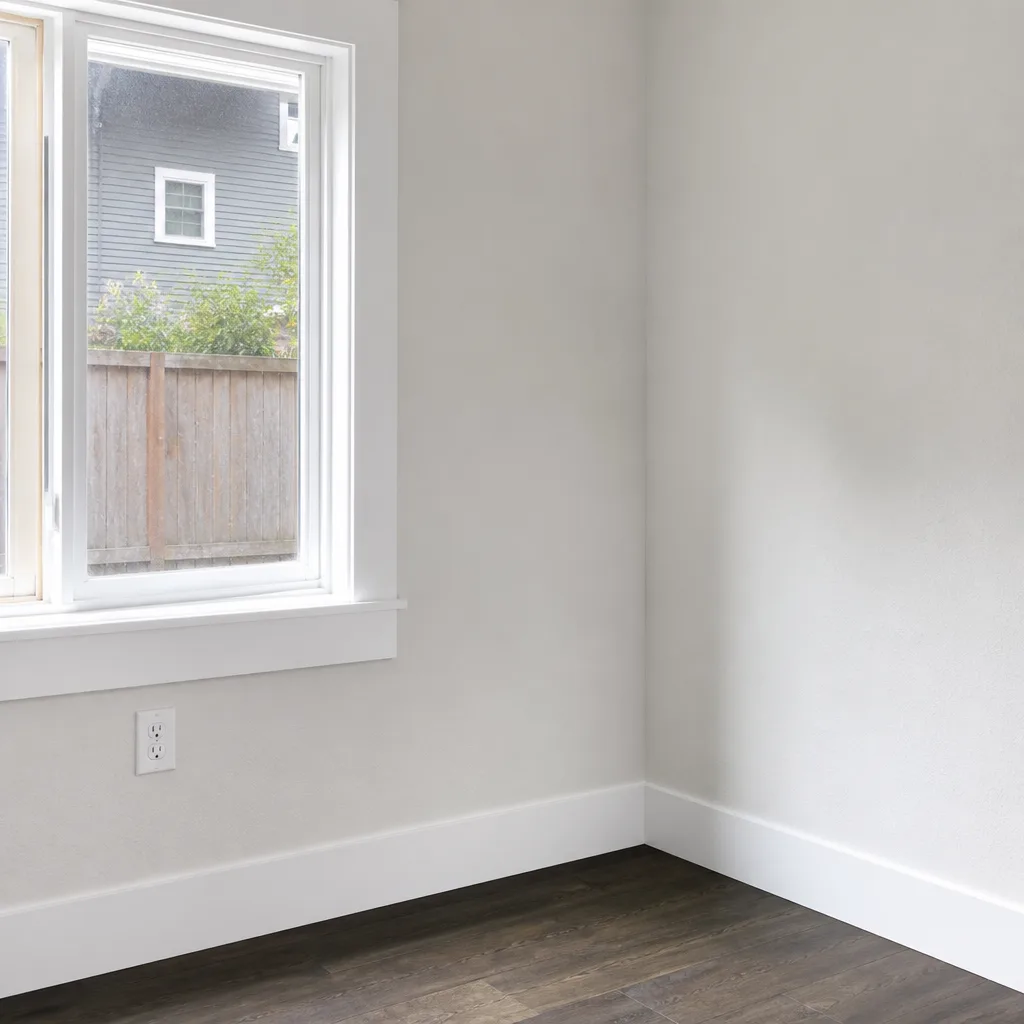 After
After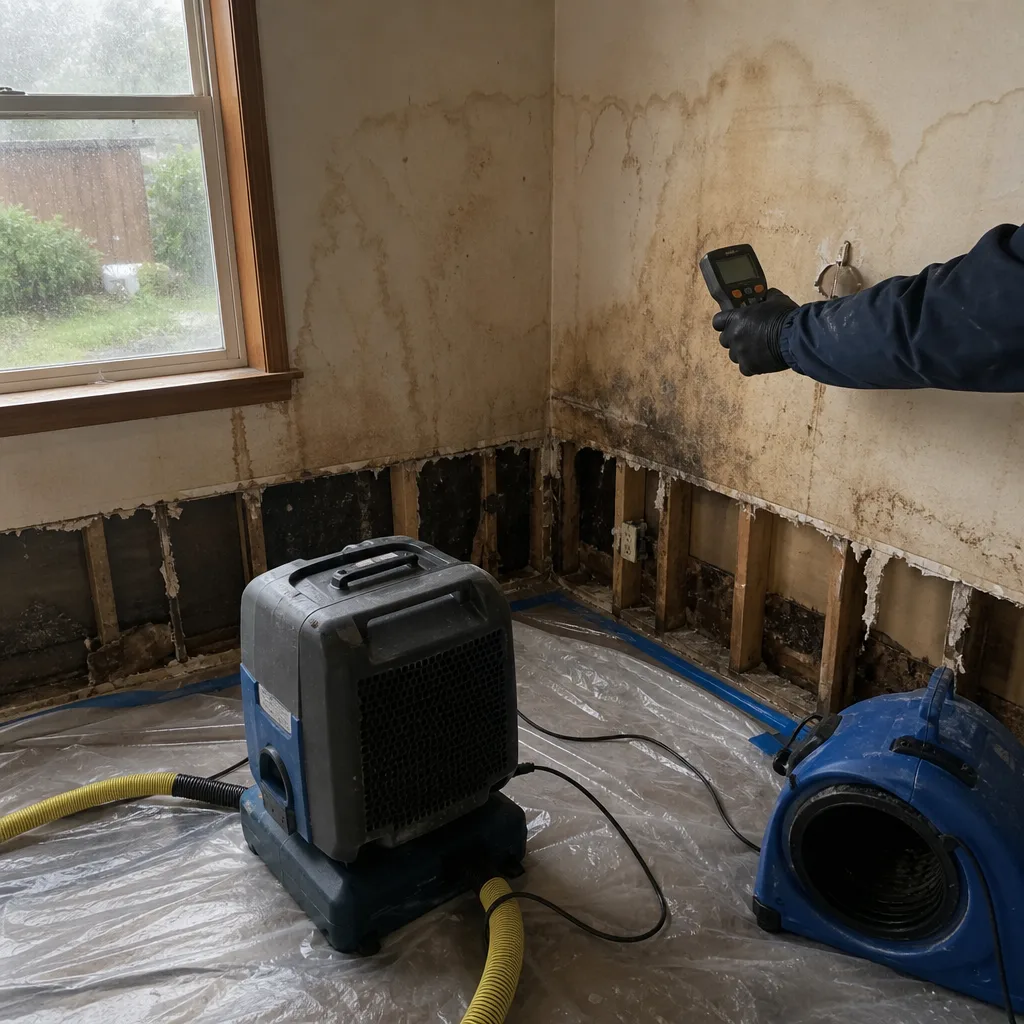 Before
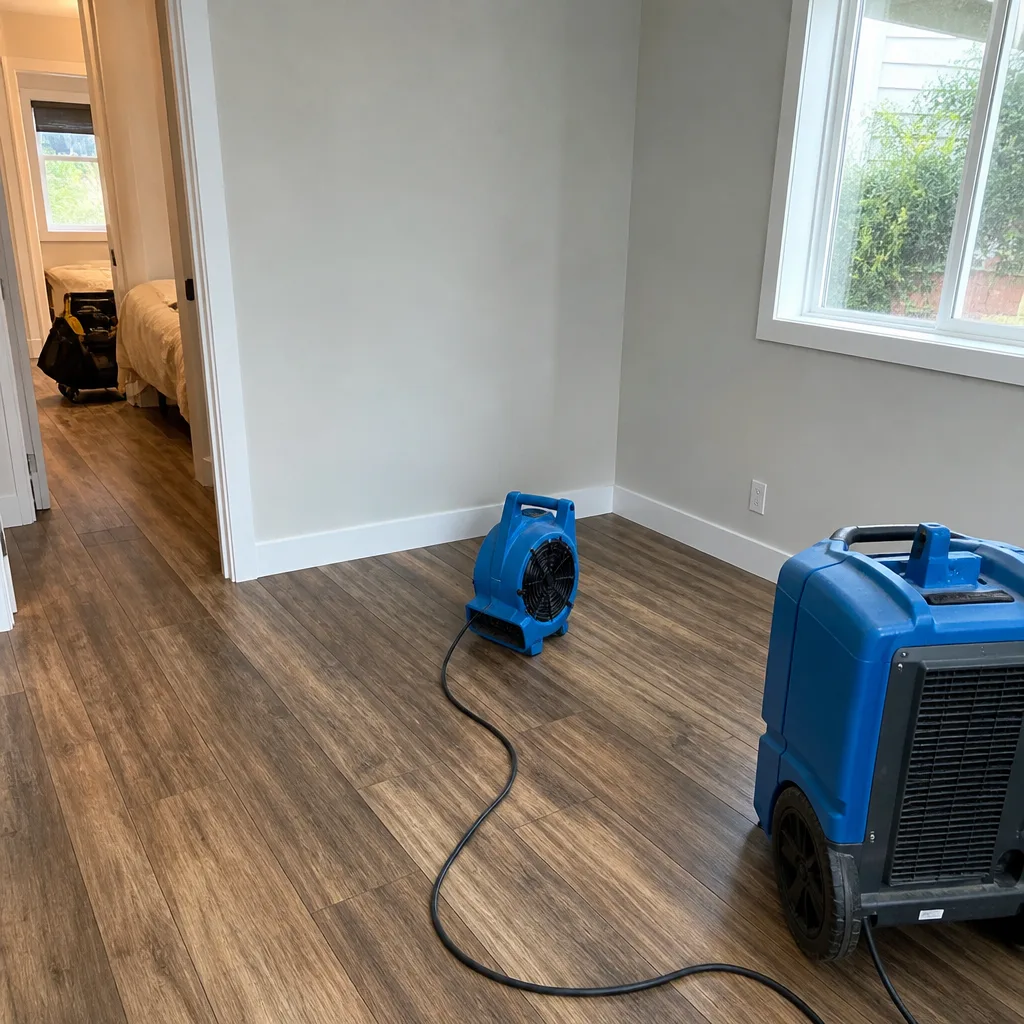 After
AfterFast, Reliable Fire & Smoke Damage Restoration Across Kent
Fire and smoke damage restoration in Kent typically costs $3,200-$8,500 for a partial residential fire with smoke remediation, while full-structure rebuilds after major loss start around $15,000 and scale with square footage and material classification. Most Kent homeowners receive a written scope and price within 24 hours of our first site visit, with emergency board-up and stabilization available the same day you call. Our Fire & Smoke Damage Restoration crews dispatch from our Seattle office and carry the documentation systems that turn restoration invoices into payable insurance claims, not disputes. If you’re standing in a damaged home anywhere from the valley floor to East Hill, call (425) 671-5392 now. A live person answers, 24 hours a day, 7 days a week.
Why DryMark Restoration Seattle Is Kent’s Preferred Fire & Smoke Damage Restoration Company
We’ve restored fire-damaged homes in Kent since 2011, and the pattern we see most is this: the fire itself is only half the loss. The other half is smoke migration into wall cavities, crawl spaces, and legacy plumbing penetrations that standard cleaning misses entirely. Our 12,000+ restored homes include hundreds in King County’s southern corridor, and our documentation-first approach, built by a former claims adjuster, means every Kent job ships with a photo record on every visit, daily drying logs, and a written price stamped before any work begins, per Haven Standard, Clause 1.
Kent’s geography shapes the work in ways that matter. The Green River Valley’s clay-loam soils and low elevation create crawl-space environments where smoke odor wicks into framing and stays there. East Hill’s 1980s tract homes add another variable: original black corrugated ABS drain pipe and discontinued garage-door hardware that most restoration crews don’t know to look for. We do. Our technicians are background-checked, uniformed, and licensed, and they arrive with the trade vocabulary to explain psychrometric data, vapor pressure differential, and tertiary drying in plain language you can relay to your adjuster.
Our 365-Day Done Right Promise, backed by The Haven Standard, is a signed guarantee, not a verbal assurance. If it’s not done right, we make it right. Period.
Our Fire & Smoke Damage Restoration Services in Kent
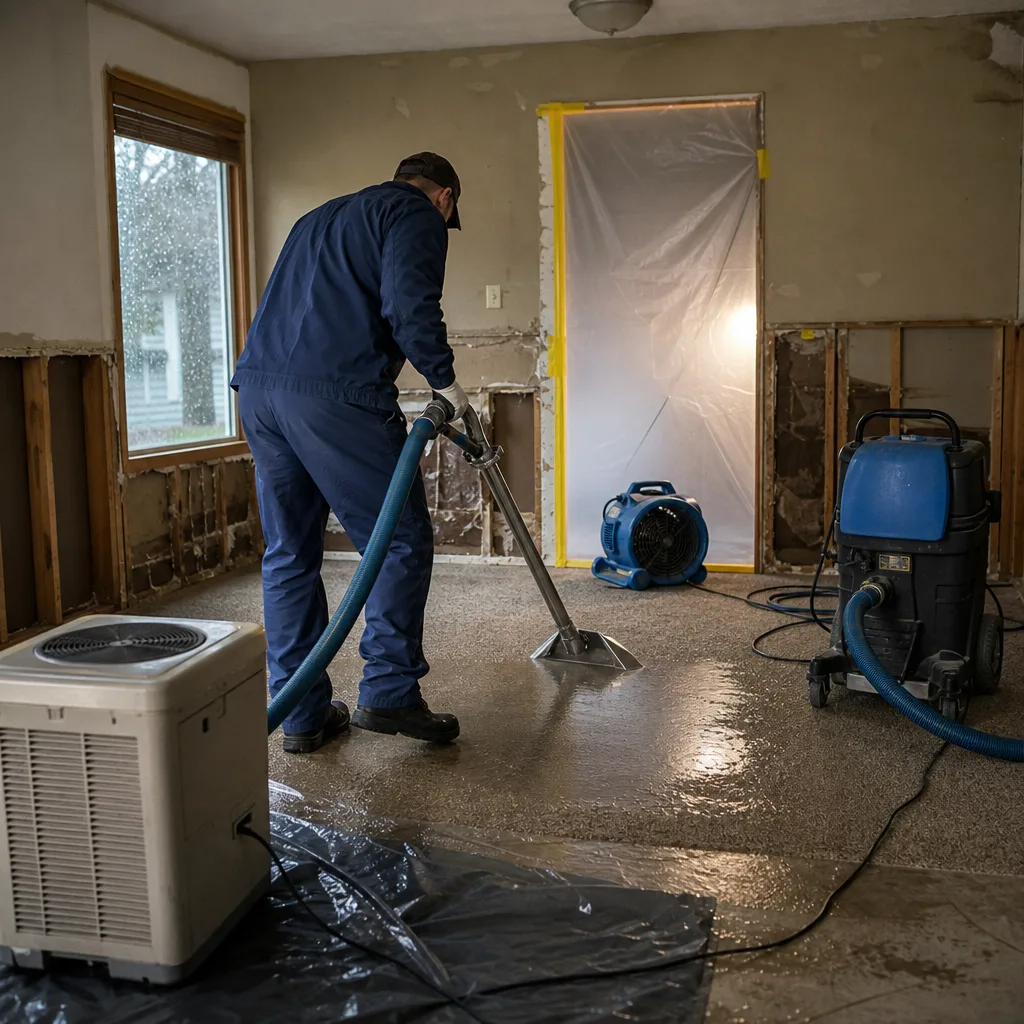
Fire Damage Cleanup
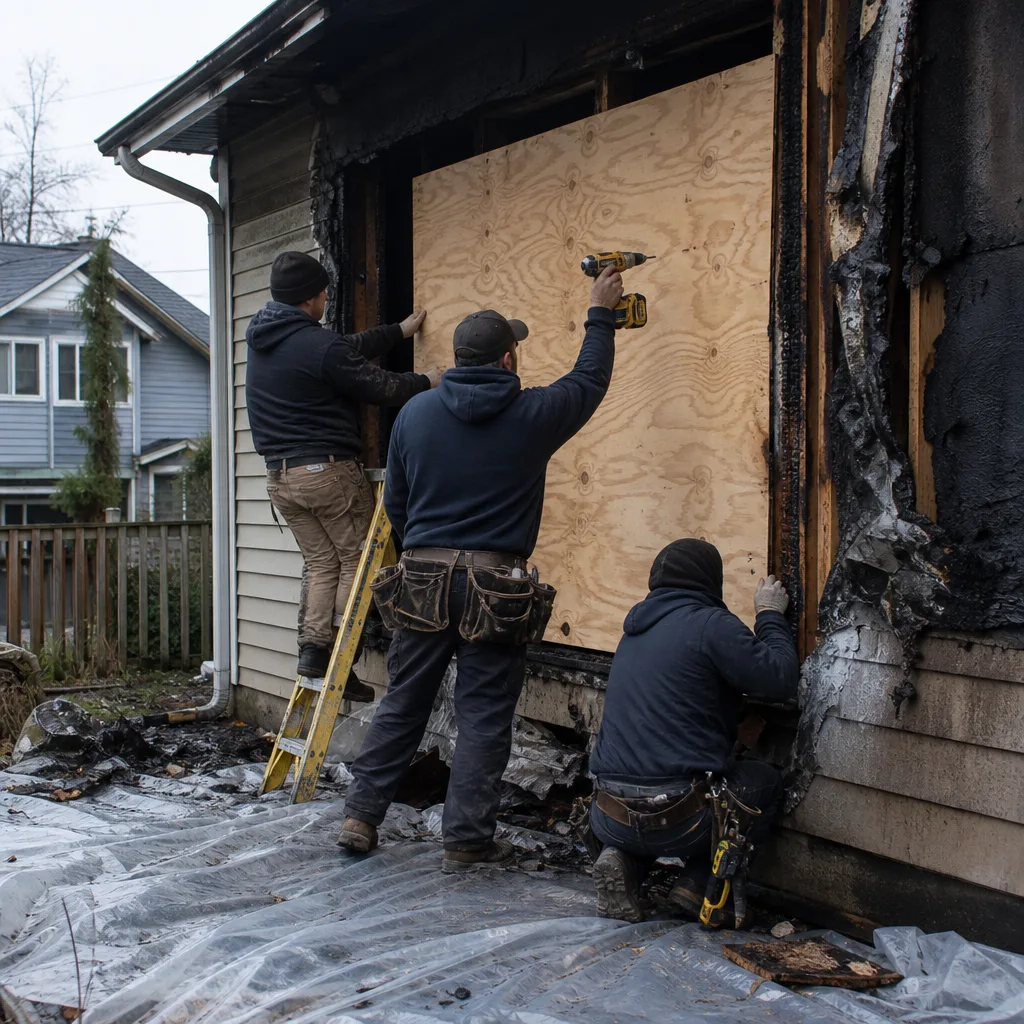
Fire damage cleanup in Kent starts with stabilization and ends with a documented clearance. We board up compromised openings, tarp exposed roof sections, and run a photo-documented assessment before any demolition begins. On the valley floor, where tilt-up warehouses and distribution centers sit dense with combustible inventory, commercial fire losses scale fast and require IICRC-documented material classification from hour one. In East Hill’s residential tracts, we pay special attention to the original ABS drain pipe that often runs through or beneath burned stud bays. A cracked line under fire stress turns a Category 1 water event into Category 3 biohazard contamination if it isn’t caught in the initial scope. We catch it. Every time.
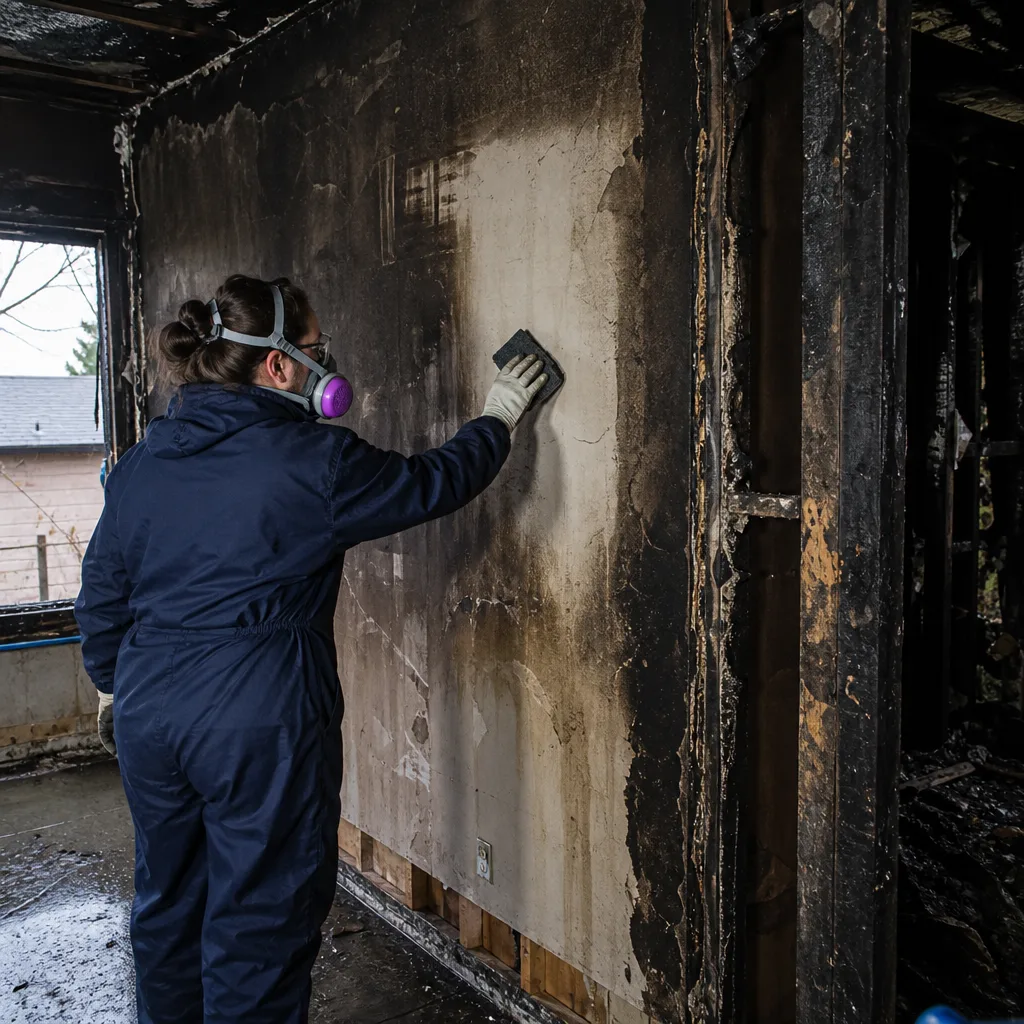
Smoke & Soot Removal
Smoke and soot removal is where most Kent fire jobs spend their time and budget. Soot is acidic and begins etching finishes within hours; smoke particulates penetrate drywall, insulation, and HVAC ductwork on thermal currents you can’t see. In Kent’s older East Hill homes, we regularly find smoke has traveled through unsealed crawl-space framing and legacy ABS plumbing penetrations into wall cavities far from the original fire. Crews that seal containment without first running moisture readings miss this pathway entirely. We use Injectidry systems and negative-air machines to establish containment, then document particulate levels with readings your adjuster can verify. The result is a scope that covers the full migration path, not just the obvious damage.
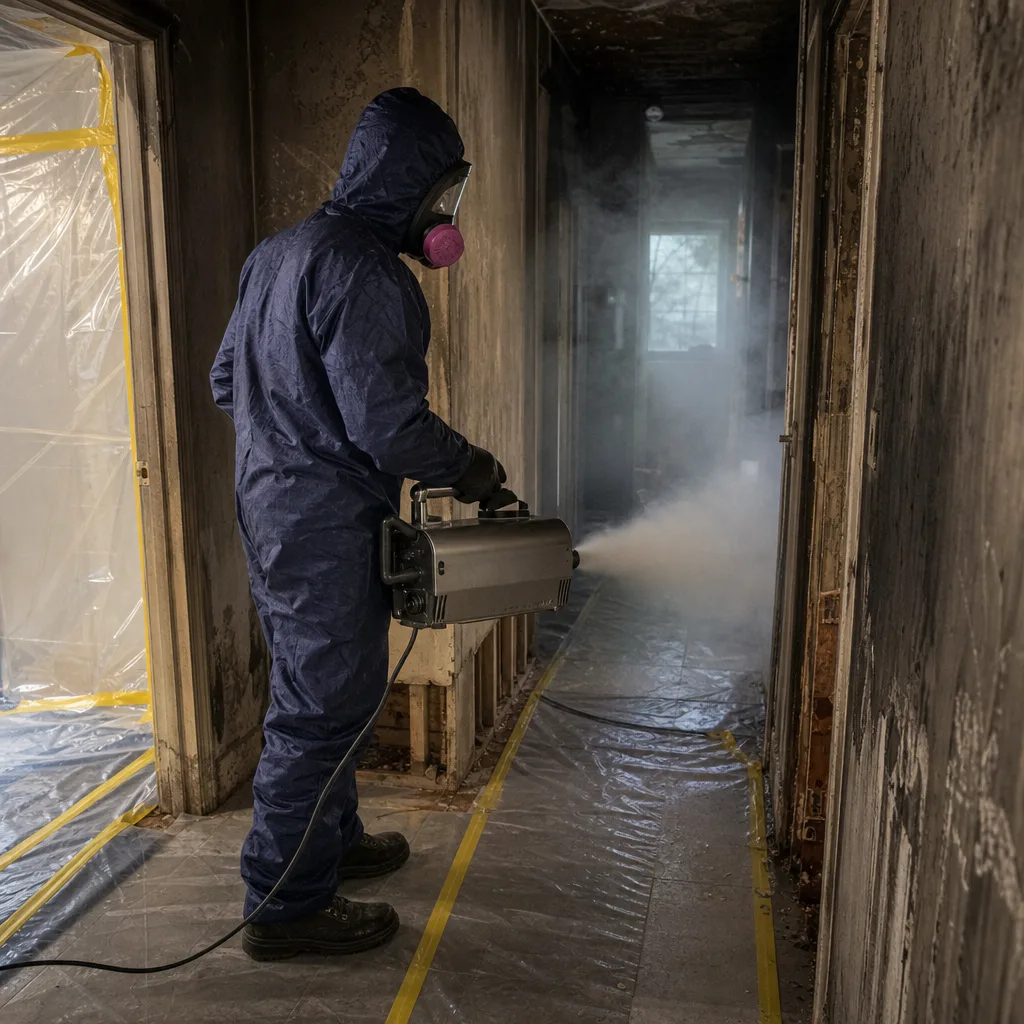
Odor Removal & Deodorization
Odor removal in Kent fire restoration fails when the source isn’t found. Masking agents and ozone blasts on surface-level smoke leave the root cause untouched, and in Kent’s climate, that means odor returns with the first atmospheric river season. Our process targets the source: thermal fogging for porous materials, hydroxyl generators for occupied spaces, and sealed-source extraction where smoke has wicked into subfloor or crawl-space framing. On East Hill’s 1980s homes, we’ve learned to treat the crawl space as part of the odor zone, not separate from it. The original ABS drain pipe and unsealed penetrations create a chimney effect that carries smoke odor back into living spaces months after the initial cleanup. We map it, treat it, and log the readings.
Contents Cleaning & Pack-Out
Contents cleaning and pack-out in Kent begins with a room-by-room inventory, photo-documented and barcoded, before anything leaves the premises. Kent homeowners often ask whether partial smoke damage requires full pack-out. The answer depends on particulate migration and HVAC contamination, not visible soot alone. We evaluate each item on the IICRC material classification scale: non-porous items (glass, metal, sealed ceramics) typically clean on-site; porous items (upholstery, unsealed wood, textiles) may require off-site ultrasonic or dry-cleaning treatment. Our warehouse facility provides climate-controlled storage during restoration, and every item is tracked in the same documentation system that feeds your insurance claim. The Haven Standard requires a written inventory before transport, and we deliver it.
What happens when you call
- 1
A real person answersNo phone trees - you reach a local pro.
- 2
You get an upfront price rangeHonest numbers before anyone is dispatched.
- 3
A background-checked tech heads outLicensed & insured, dispatched right away.
- 4
You approve before work beginsNothing starts until you say go.
BeforeAfterTrusted Brands We Service in Kent
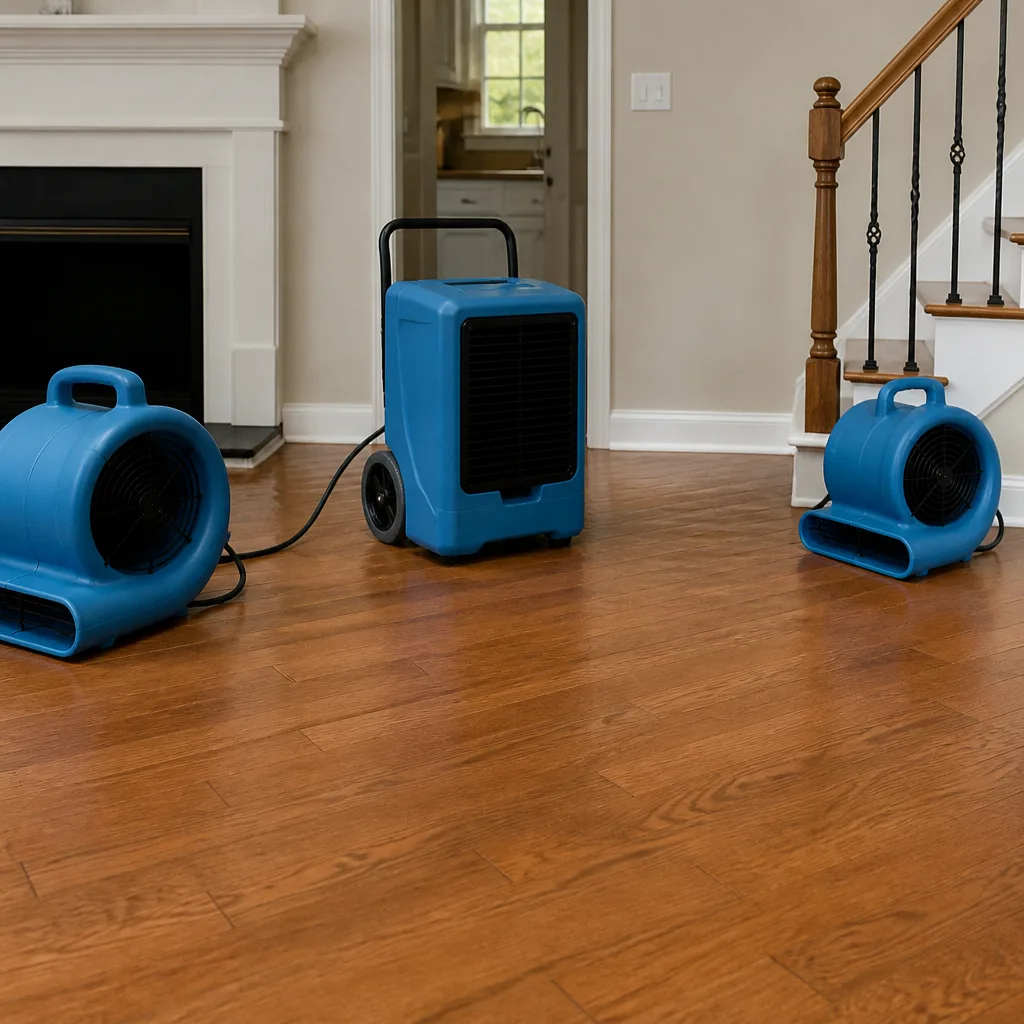
Our equipment inventory includes professional-grade drying and decontamination systems from Dri-Eaz, Phoenix, and Injectidry, documented to IICRC, RIA, and IFA standards. For Kent’s legacy housing stock, this matters because older homes don’t respond to modern equipment presets without adjustment. A Phoenix dehumidification unit set to standard residential parameters will over-dry a 1980s East Hill tract home with original single-pane windows and minimal insulation, causing secondary damage we then have to document and correct. Our technicians calibrate equipment to the structure, not the other way around, and they log those settings in the daily drying reports that accompany your claim file.
Common Fire & Smoke Damage Restoration Problems We See in Kent Homes
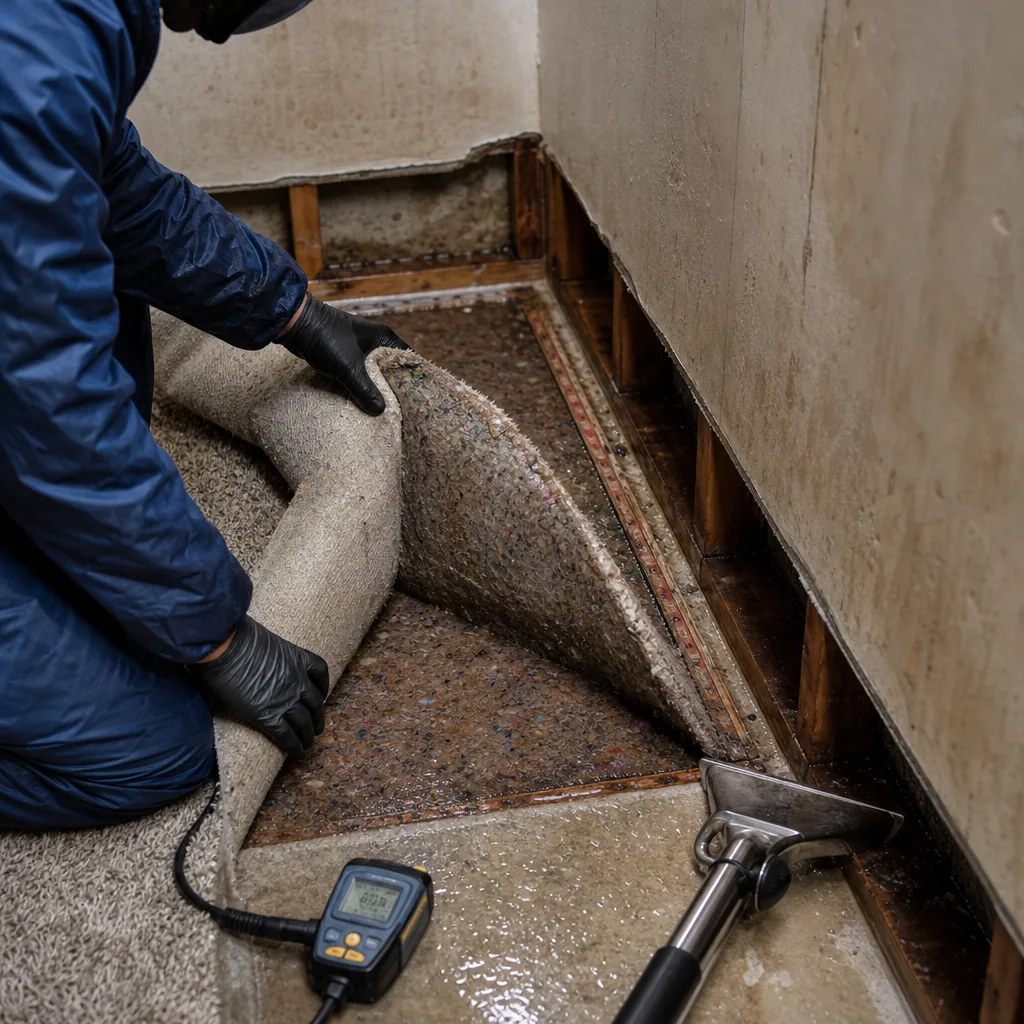
- Smoke odor wicking from unsealed crawl-space framing. East Hill’s 1980s homes were built with minimal vapor barriers and original ABS penetrations that connect wall cavities directly to the crawl space. Fire damage in the kitchen or utility room often sends smoke down these pathways, and crews who seal containment at the living-space level miss the source entirely. We map moisture and particulate levels in the crawl space before declaring the odor zone contained.
- Ash and soot contamination of legacy ABS drain pipe. The original black corrugated ABS drain pipe in Kent’s older homes runs through or beneath fire-damaged walls. When heat stress cracks these lines, sewage moisture mixes with fire residue in the crawl space. Misclassified as ordinary soot, this Category 3 contamination never gets the antimicrobial treatment it requires. We test and treat it as standard protocol.
- Legacy garage door openers “repaired” with unavailable parts. East Hill’s 1980s homes frequently have original one-piece or early sectional doors with smoke-damaged openers whose replacement parts haven’t been manufactured in decades. A retrofit bracket sourced from discontinued inventory fails within months, leaving the homeowner with a non-functional door after the structural repair is already signed off. We document pre-loss condition and recommend retrofit over repair when parts availability is gone.
- Valley-floor commercial slab saturation after sprinkler discharge. Kent’s distribution centers and warehouses on the Green River Valley floor face a distinct fire-loss profile: activated sprinkler systems discharge hundreds of gallons onto concrete slabs with minimal drainage slope, and the clay-loam subgrade wicks that moisture laterally into adjacent inventory bays. The fire damage is in one bay; the water loss spans six. We scope both.
Pricing for Fire & Smoke Damage Restoration in Kent, WA
Fire and smoke damage restoration pricing in Kent follows the loss category and the documentation required, not a flat rate. Here’s what we see in this market:
- Emergency board-up and stabilization: $450-$1,200
- Smoke and soot remediation, partial residential (single room to 500 sq ft): $3,200-$5,800
- Full-structure smoke remediation with odor removal: $6,500-$12,000
- Contents pack-out, inventory, and cleaning (typical 3-bedroom home): $2,800-$6,500
- Structural repair and reconstruction after major fire loss: $15,000-$45,000+ depending on square footage and material classification
What moves these numbers: the extent of smoke migration into HVAC systems and wall cavities, whether legacy ABS plumbing requires biohazard treatment, and whether contents require off-site cleaning versus on-site restoration. Every Kent job receives a written price before work begins, per Haven Standard, Clause 1, with no scope-creep additions once the crew is inside. We also provide a Free Second Opinion on any competitor’s written estimate. Call (425) 671-5392 for your exact scope.
We Also Serve Cities Near Kent
Our Fire & Smoke Damage Restoration in Kent crews serve the full southern King County corridor, including Renton to the north, Federal Way to the southwest, Issaquah to the east across the hills, and Bellevue across Lake Washington. Dispatch and scheduling are coordinated from our Seattle office, with crews assigned to Kent locally for response times that match the urgency of fire loss.
Serving Kent, WA - Our Local Coverage Area
We’re based in the Kent area and know this community well. Use the map below to see our service coverage - if you’re nearby, we can almost certainly help.
FAQs - Fire & Smoke Damage Restoration in Kent
The smoke is likely wicking through unsealed crawl-space framing and original ABS plumbing penetrations that connect directly to your wall cavities. East Hill’s 1980s tract homes were built with minimal vapor barriers, so the crawl space functions as a chimney for odor migration. Crews who seal containment at the living-space level without first running moisture and particulate readings in the crawl space miss the source entirely. We map the full pathway, treat the crawl space as part of the odor zone, and log the readings in your drying documentation. Call (425) 671-5392 and we’ll scope it.
Replacement parts for 1980s one-piece and early sectional door openers have been discontinued for years, so “repair” with sourced brackets typically fails within months. We document the pre-loss condition, check parts availability against manufacturer obsolescence lists, and recommend retrofit when the hardware is gone. This avoids the classic trap: structural fire repair signed off, then the door fails again because the opener couldn’t be properly fixed. Your written scope will specify retrofit or repair before any work starts, per Haven Standard, Clause 1.
Yes. Kent’s valley-floor properties sit in a FEMA-designated Special Flood Hazard Area with clay-loam soils that shed water into the basin rather than absorbing it. After a fire, sprinkler discharge or suppression water has nowhere to go, and the slab subgrade wicks moisture laterally into adjacent spaces. This means fire restoration on the valley floor routinely includes water-loss mitigation that hillside cities like Issaquah or Bellevue don’t face in the same scope. Our drying logs document both the fire damage and the secondary water migration, which your adjuster needs to see for full coverage.
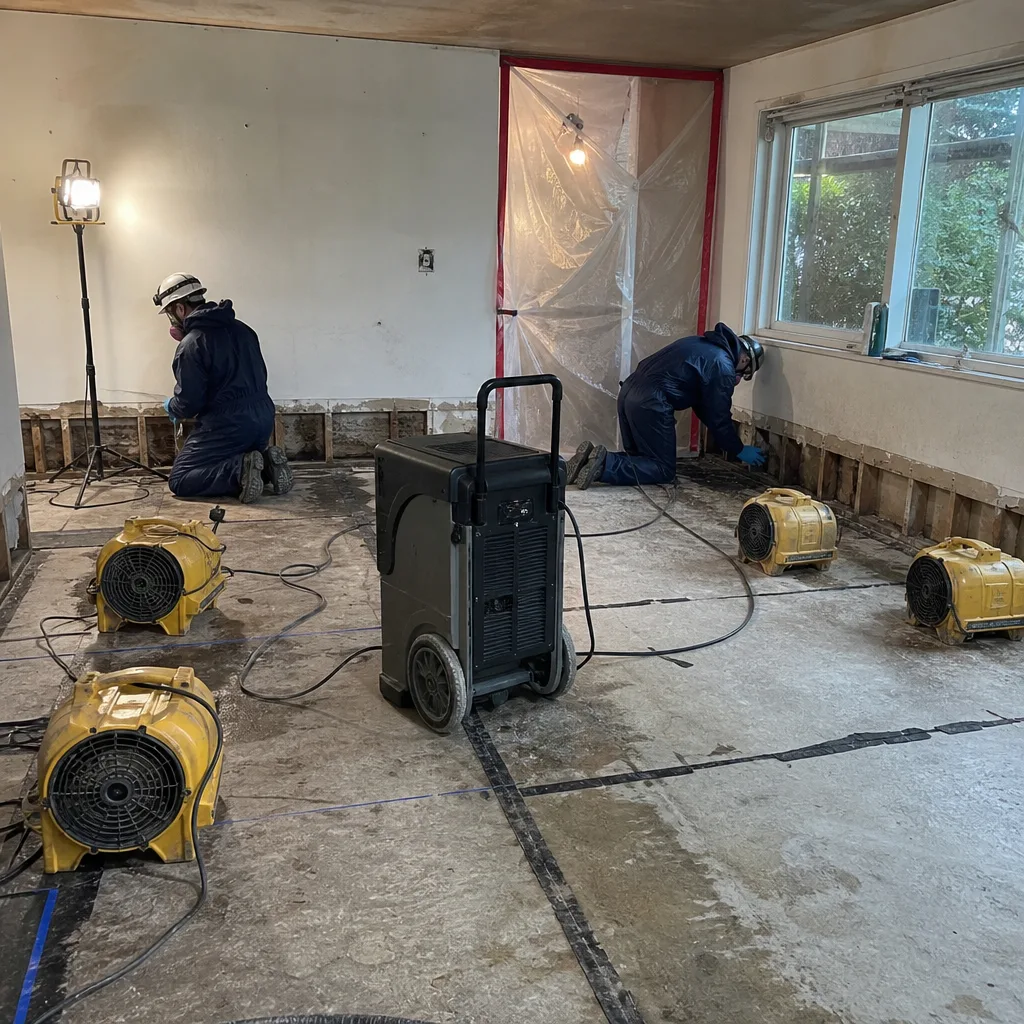
Mold colonization can begin 48-72 hours after water introduction in Kent’s climate, and fire suppression typically introduces hundreds of gallons. The Pacific Northwest’s October-April wet season extends this window because ambient humidity already approaches saturation. In East Hill’s crawl-space homes, the enclosed space under the structure holds moisture even longer. We begin moisture mapping and set Dri-Eaz air movers with Phoenix dehumidification within hours of stabilization, not days, and we log daily readings until the structure reaches IICRC dry standard. Call (425) 671-5392 for immediate dispatch.
Partial smoke damage often requires selective pack-out, not whole-home removal. We evaluate each room for particulate migration and HVAC contamination; items in unaffected zones may remain on-site with protective covering. The decision depends on whether smoke has entered the return-air pathway or traveled through wall cavities to adjacent spaces. Our inventory system barcodes and photo-documents every item before transport, and The Haven Standard requires a written inventory as a standard deliverable, never an upsell. Call (425) 671-5392 for a scope that specifies what stays and what goes.
Written by Alicia Brennan, Owner at Back to Dry Restoration, serving Kent and the greater Puget Sound region since 2011.