
Free visual inspection and a written scope of work before any mitigation begins - photos, moisture readings, and drying logs go in your claim file
The scope we write is the scope we bill. Anything new gets shown to you, in writing, before we touch it.
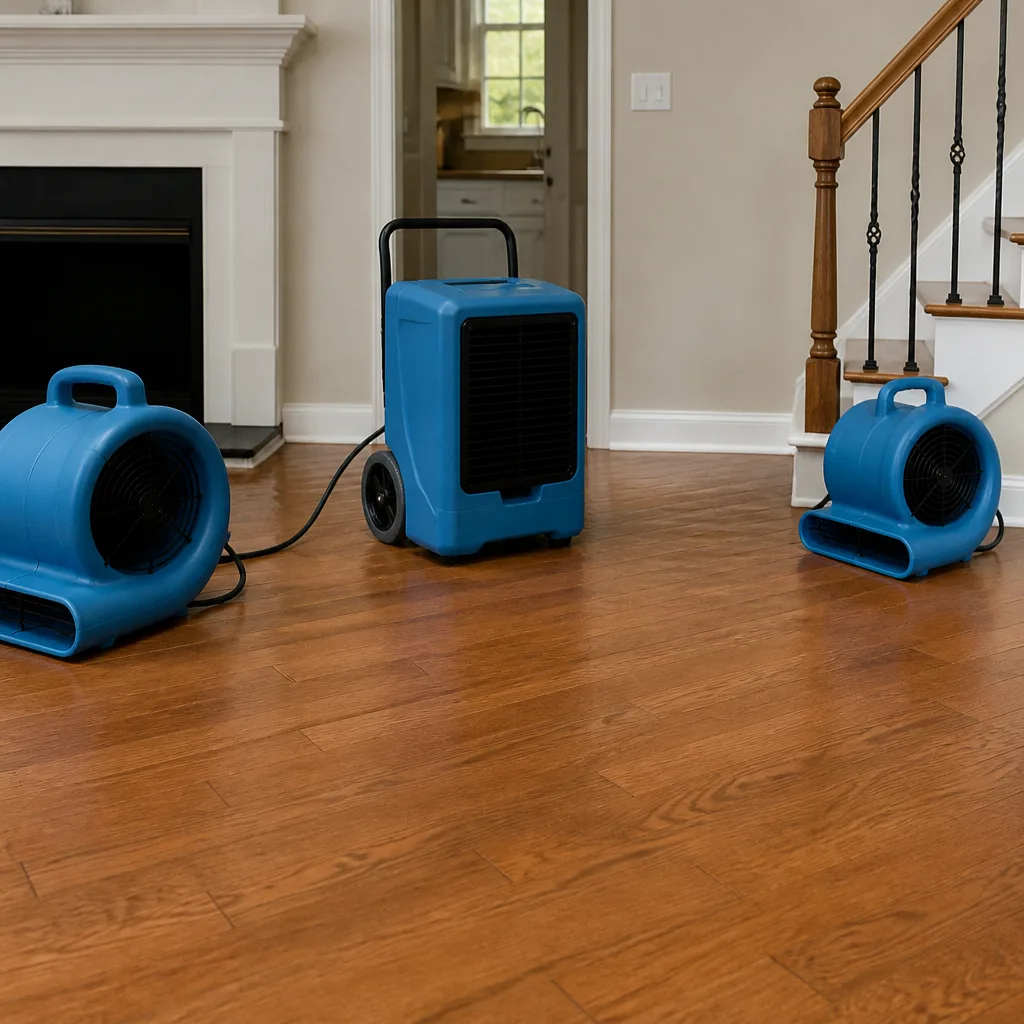
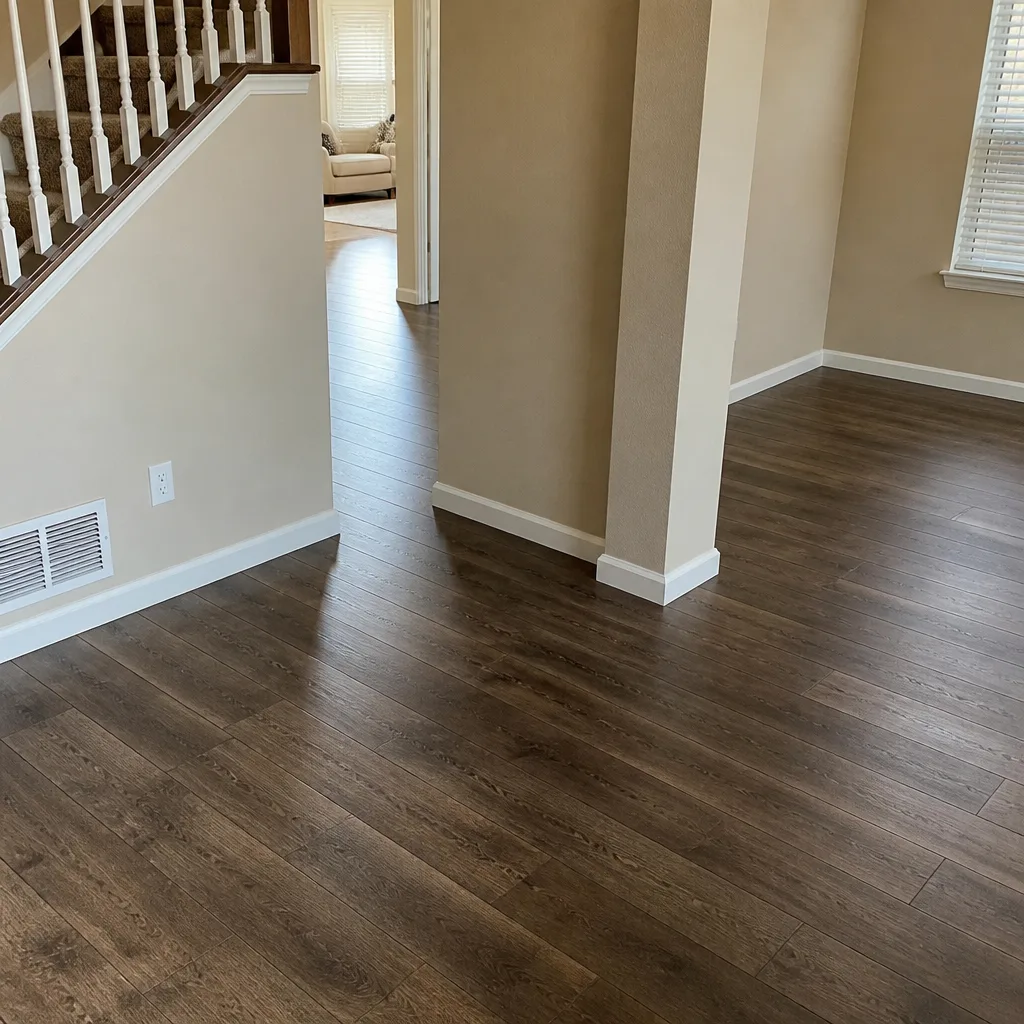
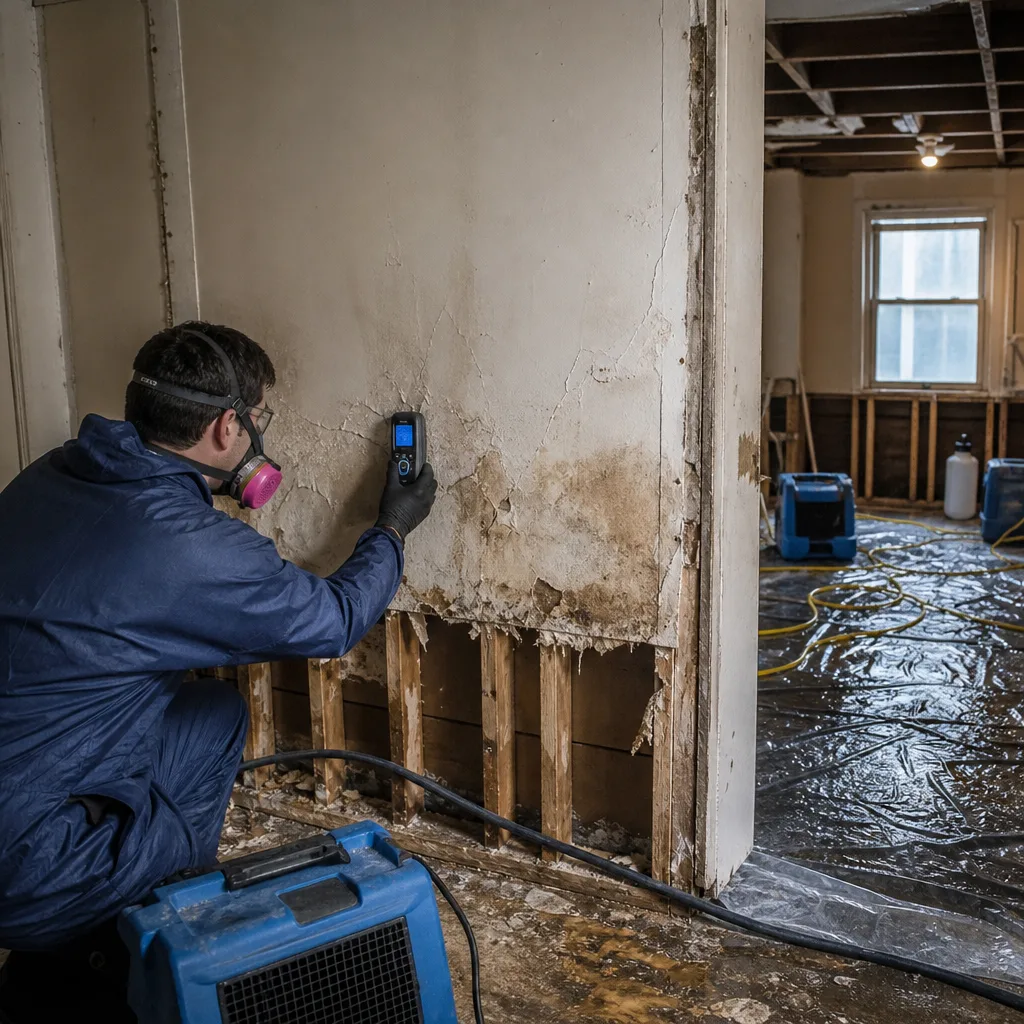 Before
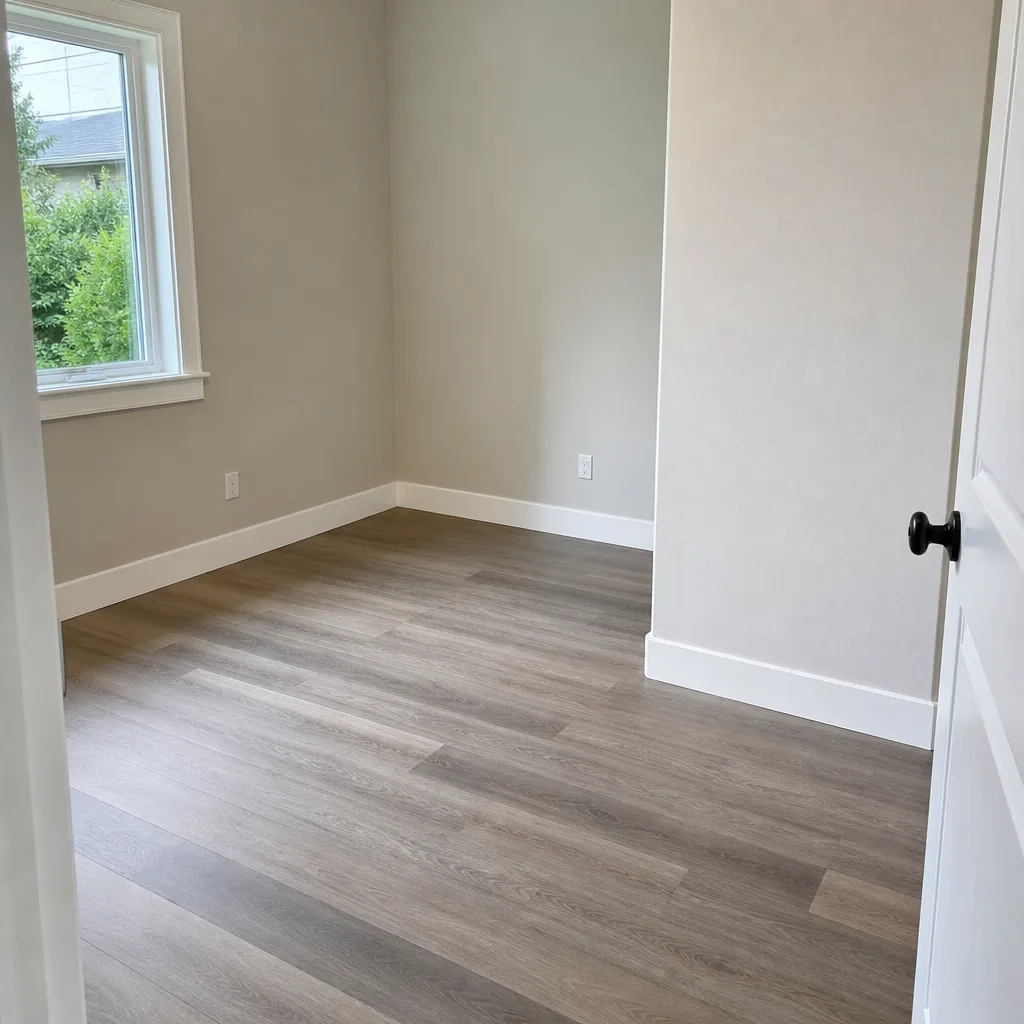 After
After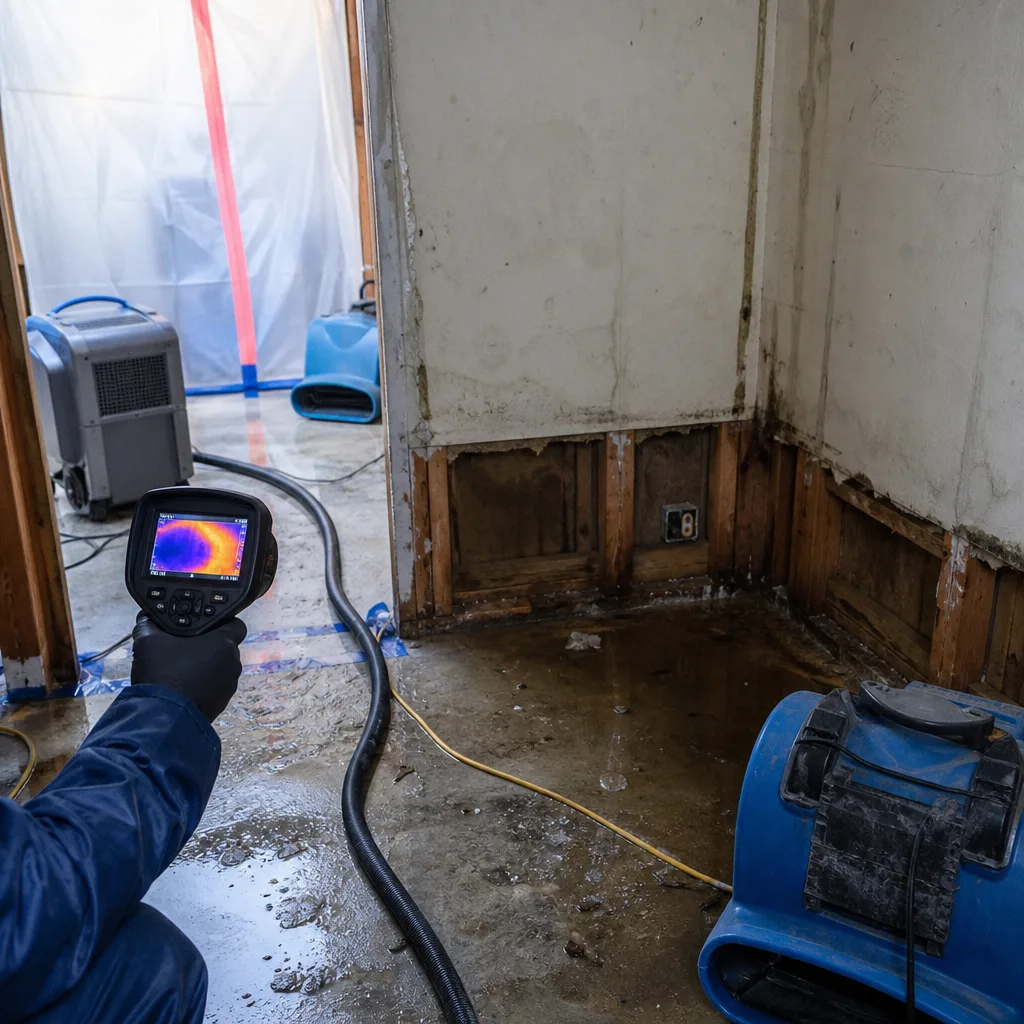 Before
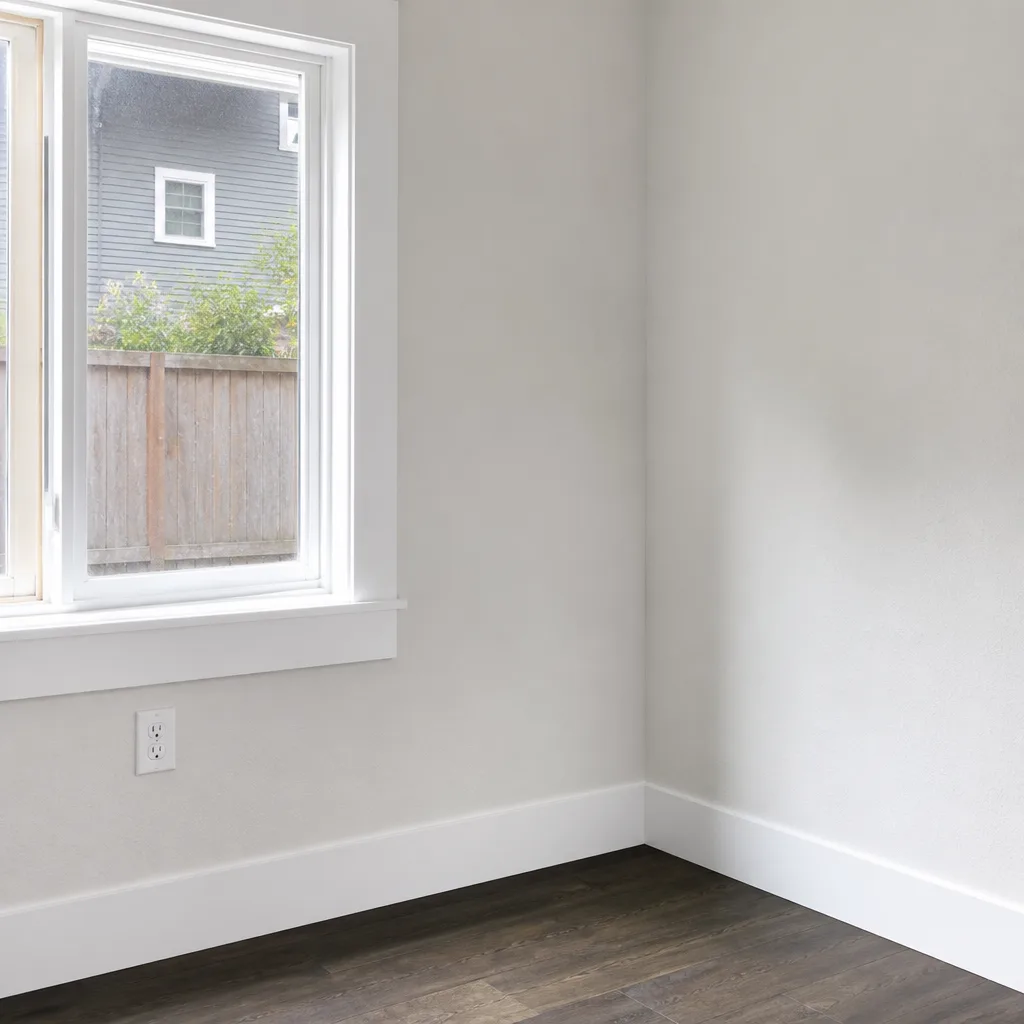 After
After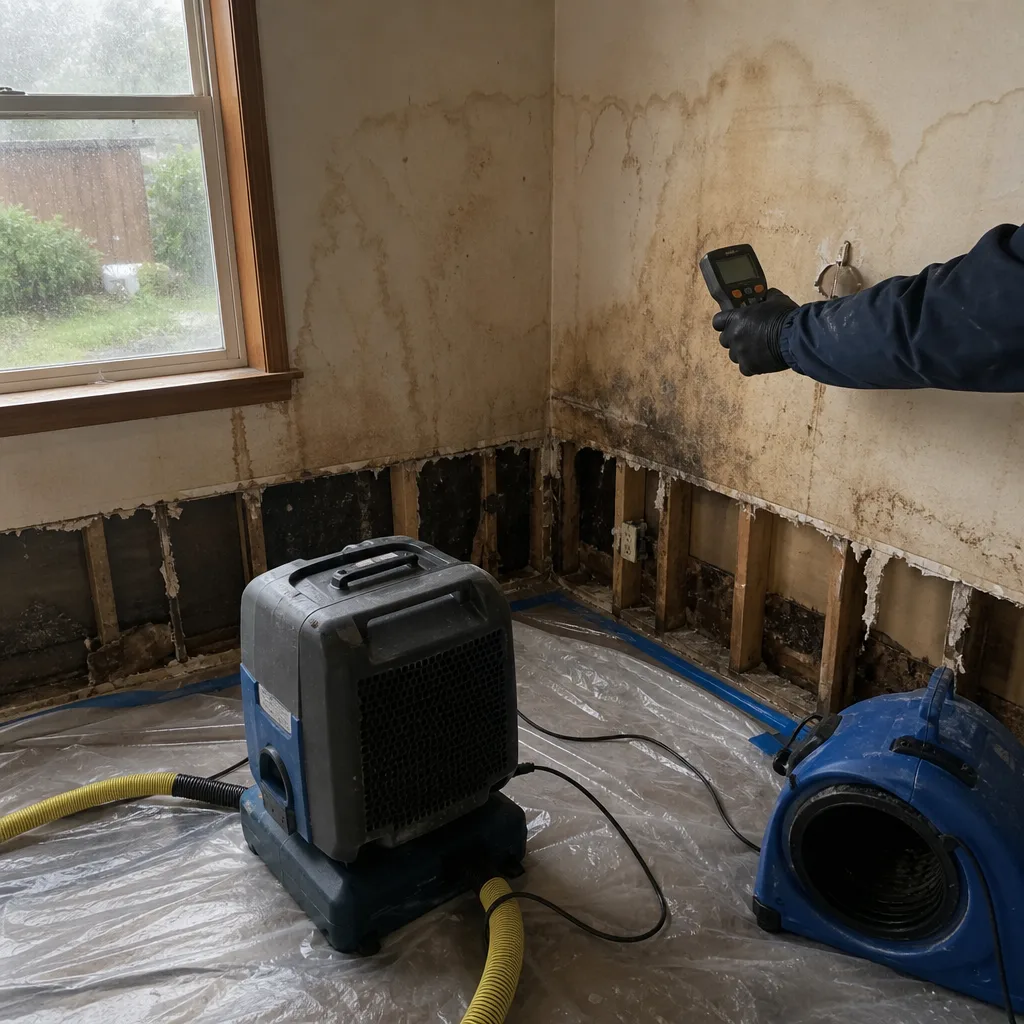 Before
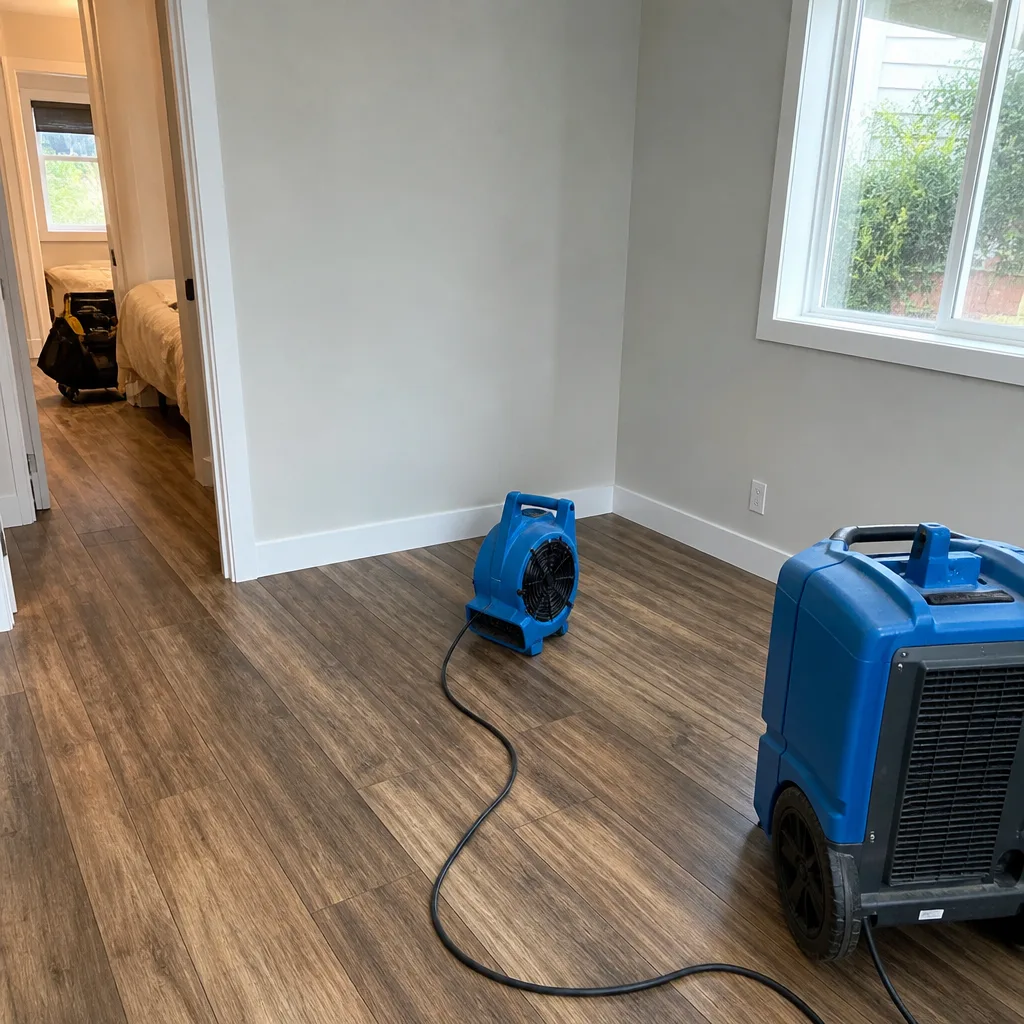 After
AfterStructural Drying & Dehumidification in Seattle, WA
Structural drying and dehumidification is the mechanical process of removing moisture from building materials like subflooring, wall studs, and joists before mold growth or structural degradation begins. In Seattle, where our high relative humidity and frequent rain patterns can slow natural evaporation, relying on open windows for drying is ineffective. DryMark Restoration Seattle uses professional-grade equipment like Injectidry systems to force dry air into wall cavities and under flooring, ensuring materials return to their safe moisture content levels without the need for unnecessary demolition. Learn more about our Water Damage Restoration services.
We provide this service as a core component of Water Damage Restoration in Seattle, focusing on documented, measurable results that satisfy insurance adjusters. Every job starts with a written price before our crews begin, following the Haven Standard, Clause 1. When you need a professional assessment of your home’s moisture levels, call us at (425) 671-5392 to schedule an inspection.
When You Need Structural Drying & Dehumidification
You need structural drying when standing water has been removed, but the “hidden” moisture remains trapped in porous materials. This is especially critical after Basement Water Removal, where moisture often lingers in foundation materials. If left unaddressed, this trapped water leads to secondary damage, including warped floorboards, microbial growth, and compromised structural integrity. We typically deploy these services in the following scenarios:
- Saturated Subflooring: After a pipe burst or appliance leak in kitchens or laundry rooms, water often wicks into the subfloor. Without specialized drying, this leads to floor cupping and rot that requires expensive replacement.
- Moisture Behind Drywall: When water leaks down inside wall cavities, the insulation and wooden studs hold moisture for weeks. We use Injectidry panels to circulate dry, heated air directly into these voids, bypassing the need to tear out the entire wall.
- High Humidity Post-Flood: Seattle’s climate often keeps ambient humidity high, preventing wet materials from drying on their own. Industrial dehumidifiers are required to create a vapor pressure differential, which pulls moisture out of the building materials and into the air for extraction.
- Hardwood Floor Saturation: Hardwood floors act like a sponge. If we catch the saturation early, we can often save the floor by directing airflow underneath the boards, preventing the permanent warping that occurs after 48-72 hours of exposure.
- Crawlspace Dampness: In homes with pier-and-beam foundations, water often pools in the crawlspace. We dry the joists and sub-flooring to prevent mold from traveling upward into the living space.
Our Structural Drying & Dehumidification Process
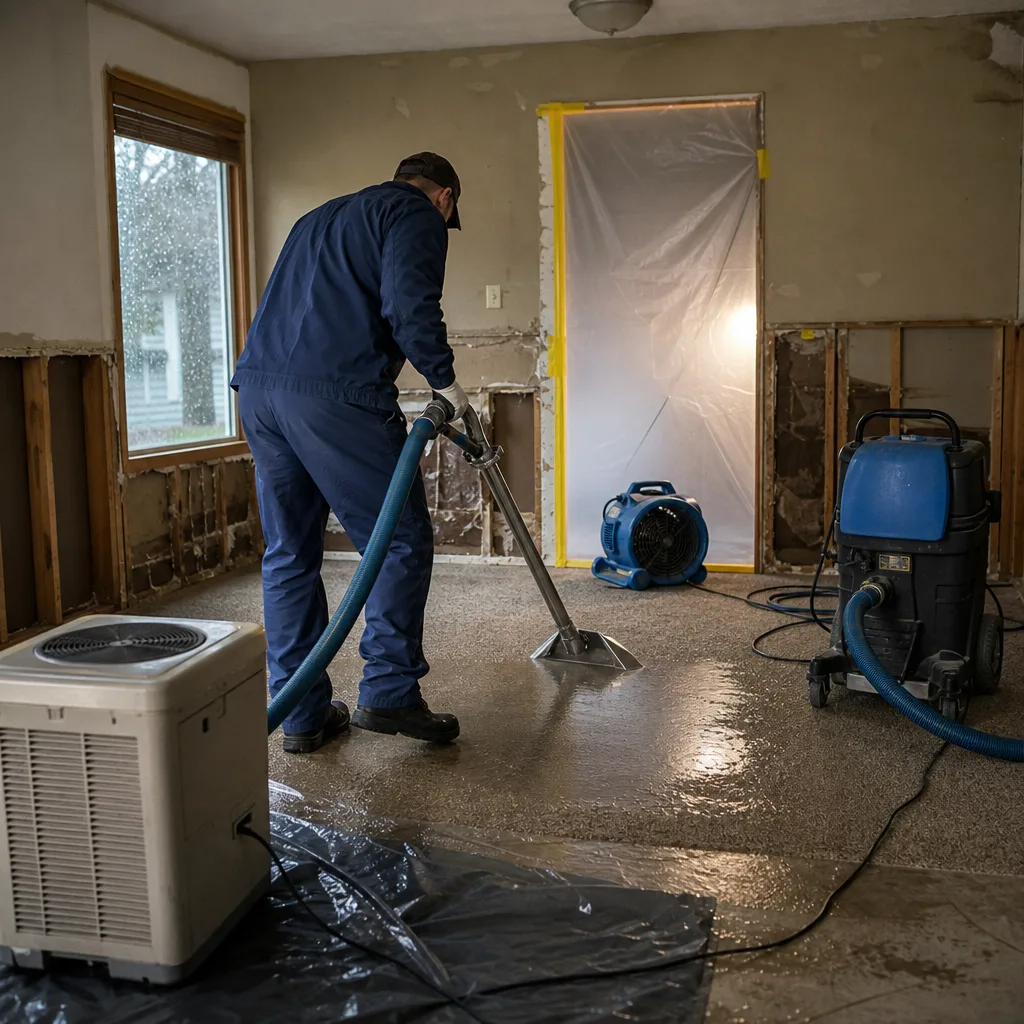
Our approach is rooted in IICRC standards, focusing on data-driven drying logs rather than guesswork. We document every step to ensure your insurance claim is supported by actual evidence.
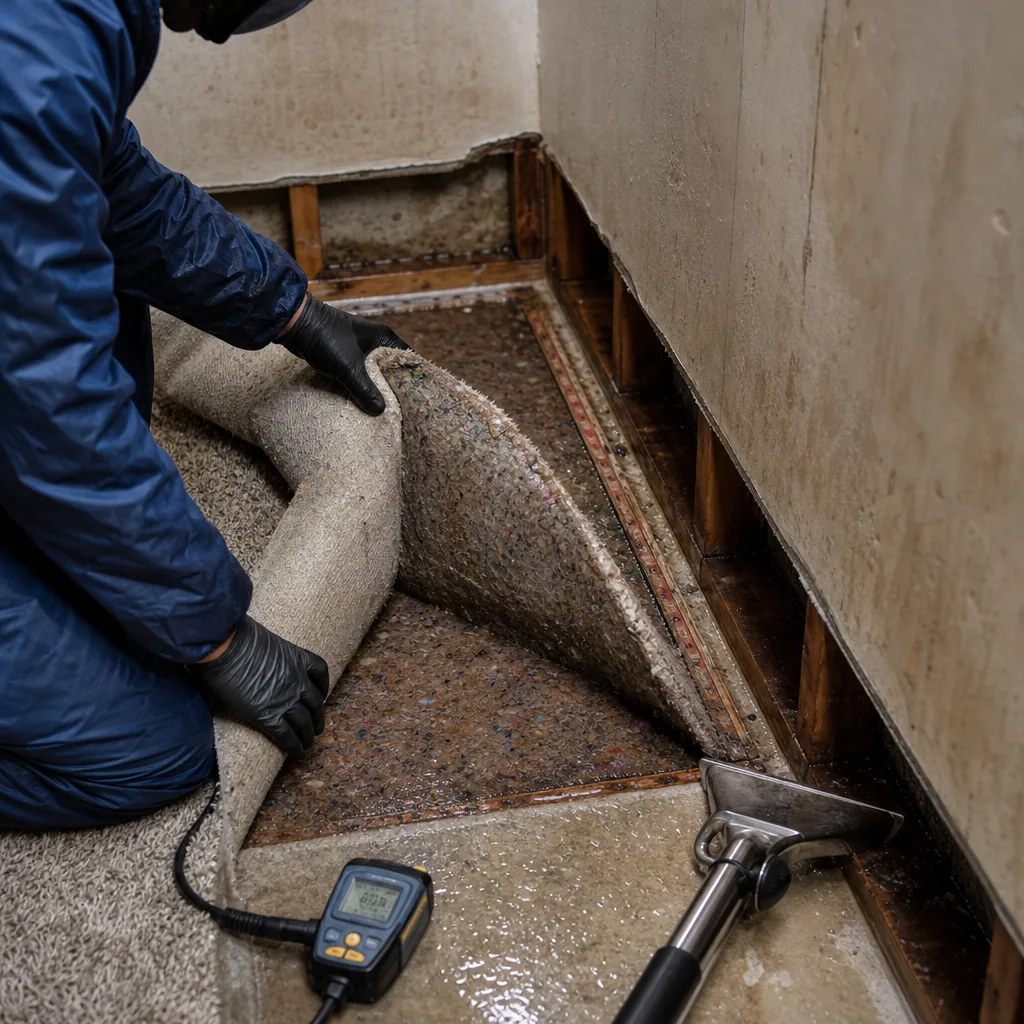
- Initial Moisture Mapping: We arrive with calibrated moisture meters to determine exactly which materials are wet and to what depth. We document these readings in a room-by-room log, which establishes the baseline for your claim.
- Written Scope and Price: Before we plug in a single piece of equipment, we provide a written price for the entire drying project. You will know exactly what the cost is, with no hidden fees or scope creep, per the Haven Standard.
- Equipment Deployment: We place industrial dehumidifiers and air movers strategically. For deep saturation, we utilize Injectidry systems to force dry air into enclosed cavities, such as behind baseboards or under cabinets.
- Daily Monitoring and Logs: We return daily to check moisture levels, adjust equipment settings based on the psychrometric data (the relationship between temperature, humidity, and airflow), and update the drying log. This log is the critical document that proves the work was necessary and effective for your insurance company.
- Final Verification: Once the moisture content of the affected materials returns to the standard equilibrium for your home, we provide a final report. This includes the photo record and the final moisture readings, proving the structure is dry and safe.
BeforeAfterStructural Drying & Dehumidification Pricing in Seattle
How Much Does Water Damage Restoration Cost? (2026 Price Guide) - Seattle, WA depends on the class of water loss (how wet the material is) and the square footage affected. Because every home is different, we do not use flat-rate “per visit” pricing. Instead, we provide a written estimate based on the specific cubic footage of the affected area and the equipment required to return it to a dry standard.
| Service Component | Estimated Cost Range |
|---|---|
| Initial Moisture Assessment & Mapping | $250 - $450 |
| Daily Equipment Rental (Dehumidifiers/Fans) | $150 - $300 per day |
| Injectidry/Cavity Drying Setup | $400 - $800 (One-time setup fee) |
| Daily Monitoring & Documentation Logs | $150 - $250 per visit |
We provide a written price before any work begins. If you have received a quote from another company, we offer a Free Second Opinion. Bring their estimate to us, and we will review it against our standards at no charge. Call (425) 671-5392 to discuss your specific situation.
FAQs - Structural Drying & Dehumidification
How long does the drying process usually take?
Structural drying typically takes between 3 to 5 days, depending on the material type and the extent of the saturation. Materials like hardwood or dense insulation take longer to dry than drywall, and our daily monitoring visits allow us to track this progress accurately so we can remove equipment as soon as the moisture content reaches safe levels. Call (425) 671-5392 for an assessment of your specific timeline.
Is it cheaper to repair or replace the water-damaged materials?
It is almost always more cost-effective to dry and restore materials in place rather than replacing them, especially when dealing with structural framing or hardwood flooring. Replacement involves demolition, debris removal, and the high cost of new materials and labor, whereas structural drying preserves the existing build and reduces the overall scope of the claim. We provide a written comparison if you are unsure which path is best for your home.
Do I need to leave my home while the equipment is running?
You do not need to move out, but the drying equipment is loud and generates a significant amount of heat. Our dehumidifiers and air movers are designed to run 24 hours a day to be effective, which can make your living space uncomfortable while the fans are running. If the damage is localized to one room, we can often seal that area off to minimize the impact on the rest of your home.
Why is documentation so important for my insurance claim?
Insurance adjusters require proof that the drying work was necessary and that the equipment was monitored daily to justify the costs on your claim. Without a documented drying log and moisture readings, adjusters may deny payment for equipment rental or service fees. We provide a complete photo record and daily drying logs for every job to ensure your claim is fully supported. Call (425) 671-5392 if you need help documenting your water damage, or find Water Damage Restoration Near Me in Seattle, WA.
Written by Alicia Brennan, Owner at DryMark Restoration Seattle, serving Seattle.