
Free visual inspection and a written scope of work before any mitigation begins - photos, moisture readings, and drying logs go in your claim file
The scope we write is the scope we bill. Anything new gets shown to you, in writing, before we touch it.
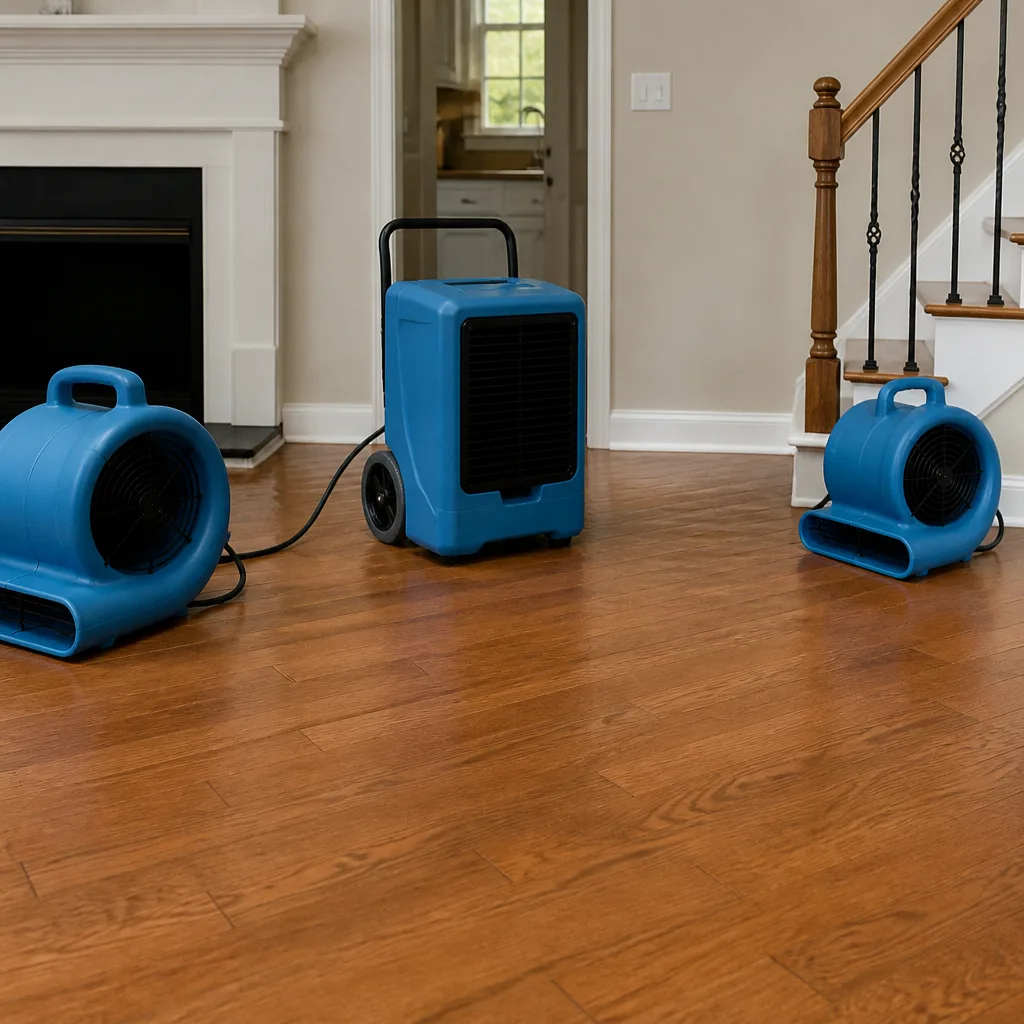
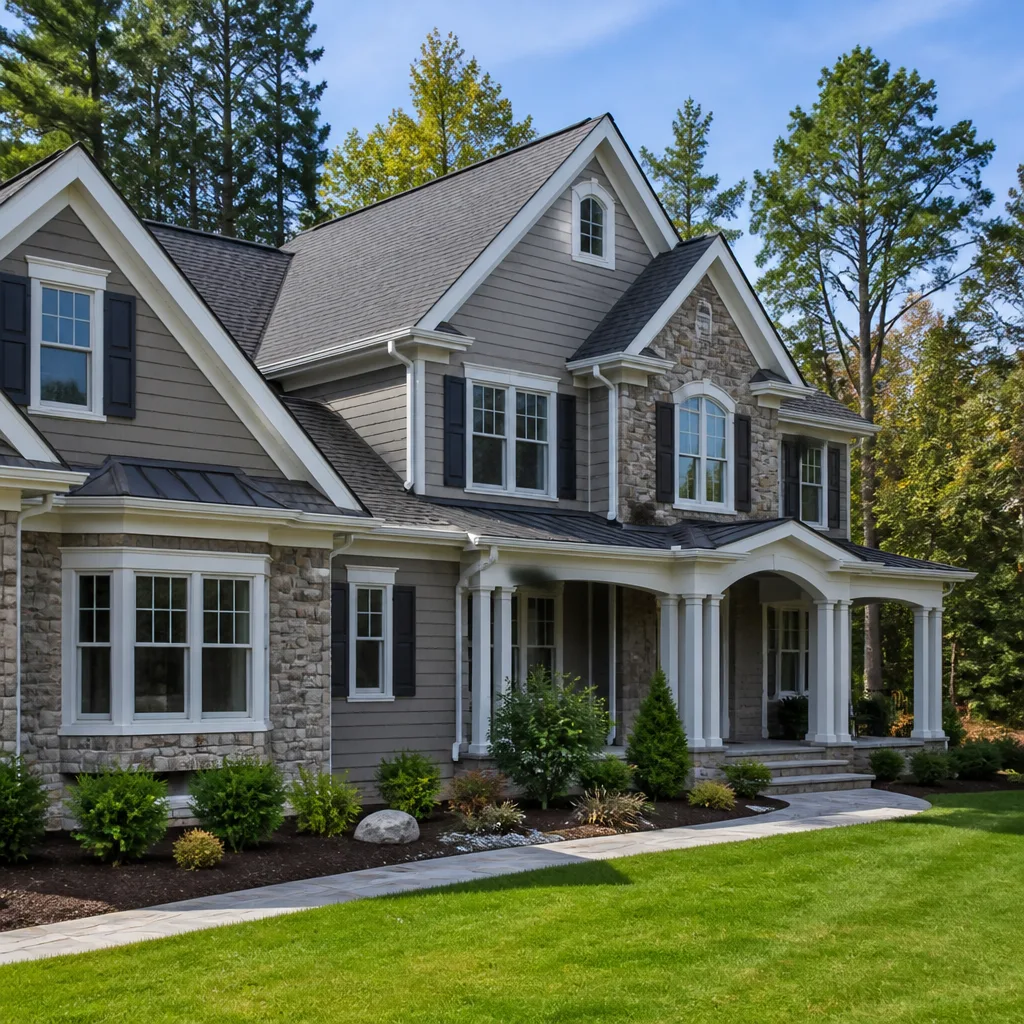
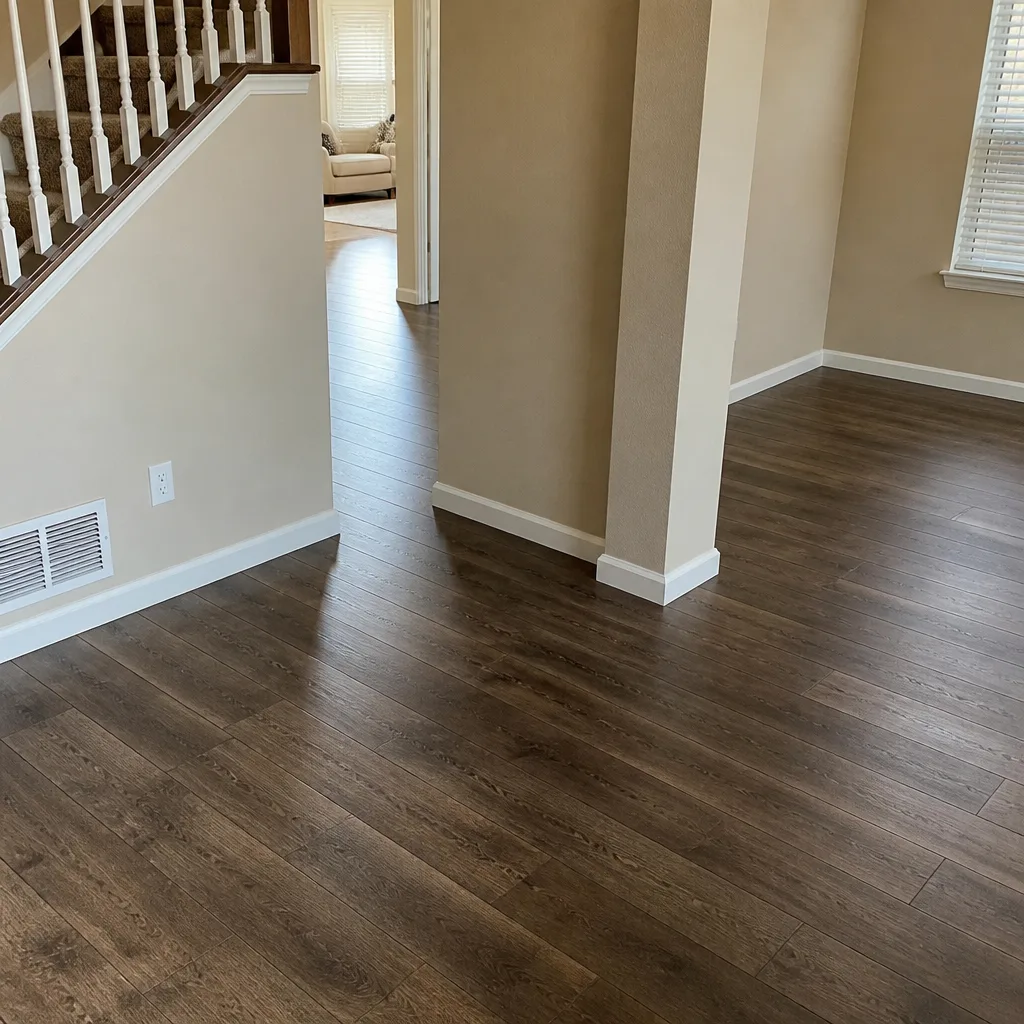
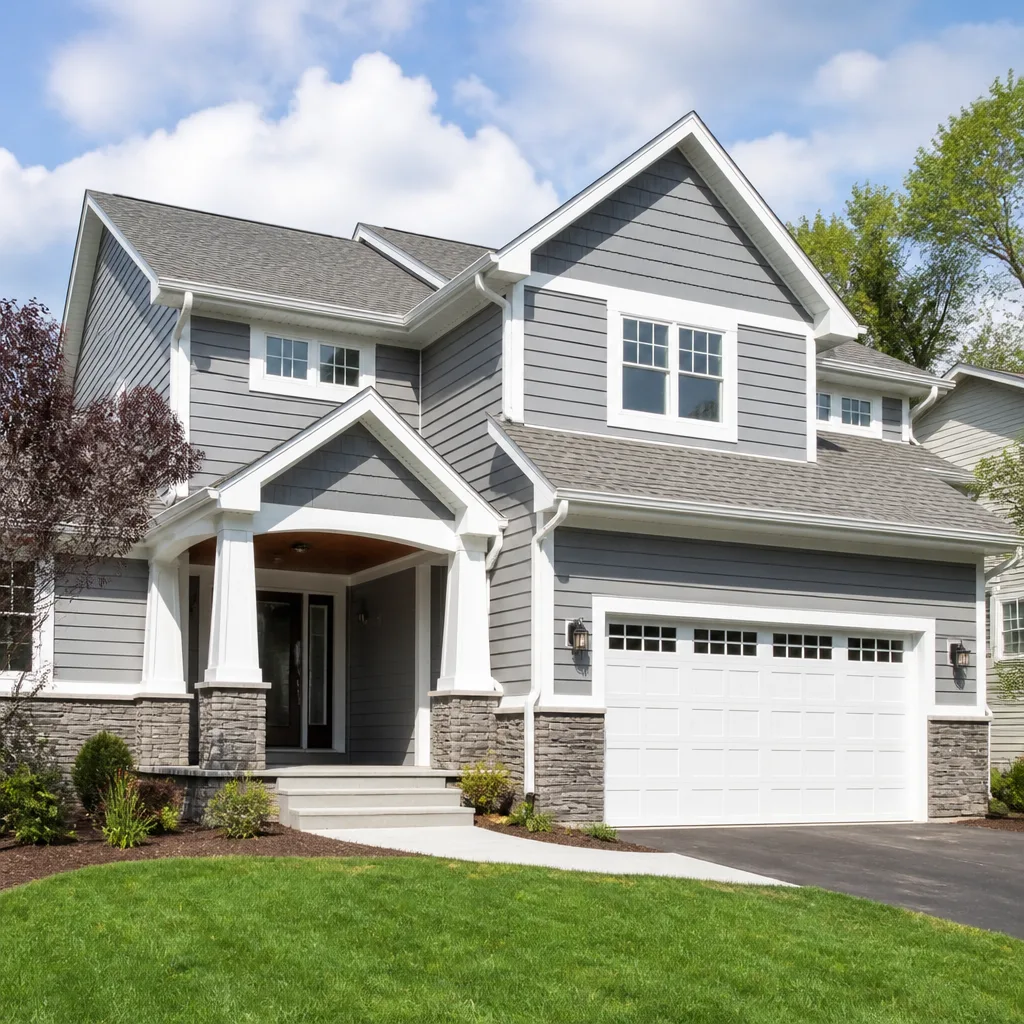
 Before
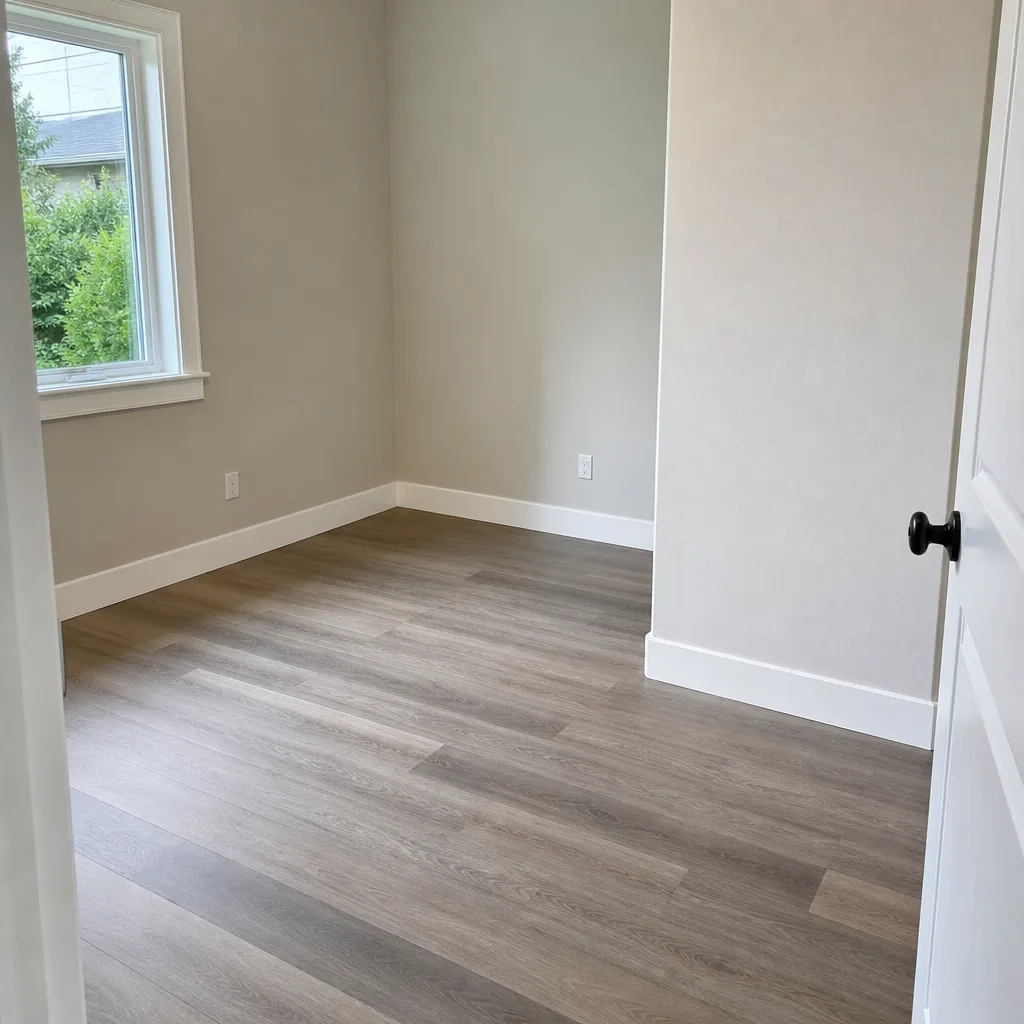 After
After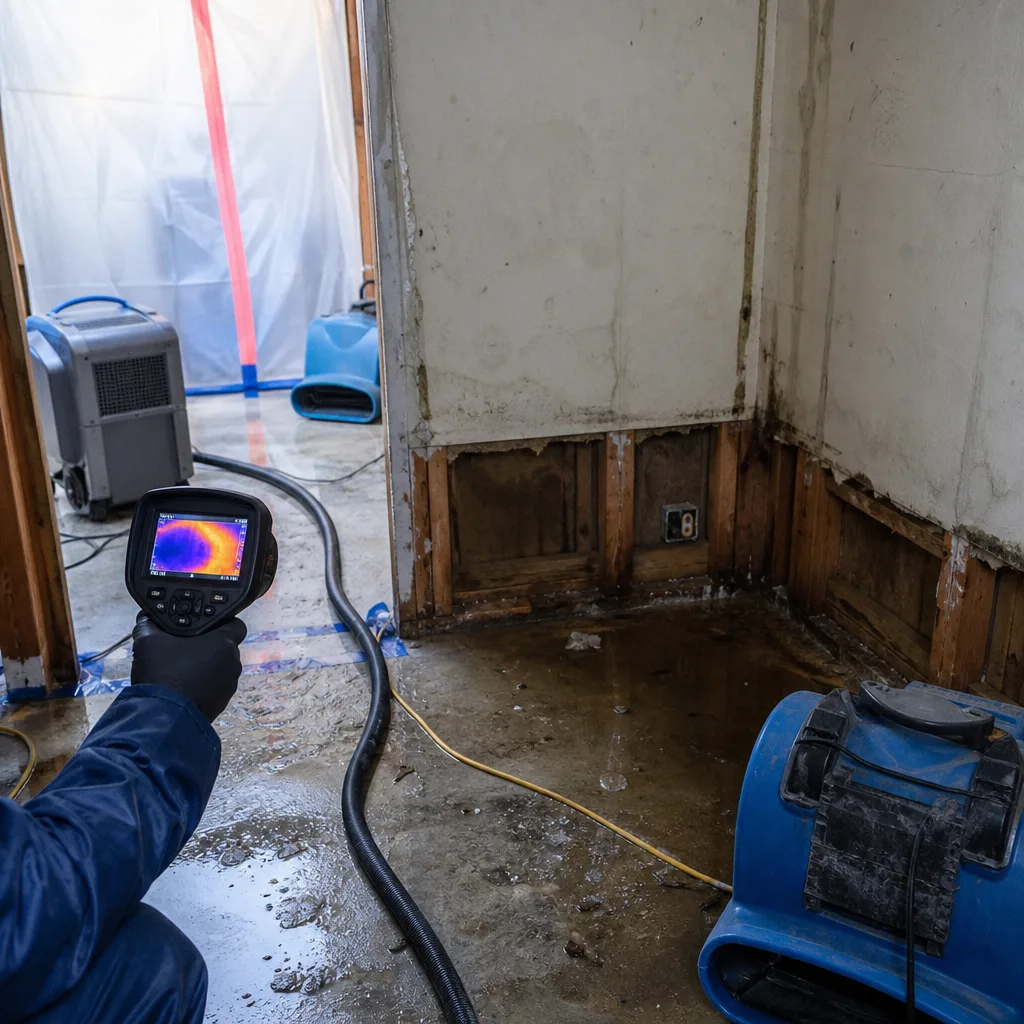 Before
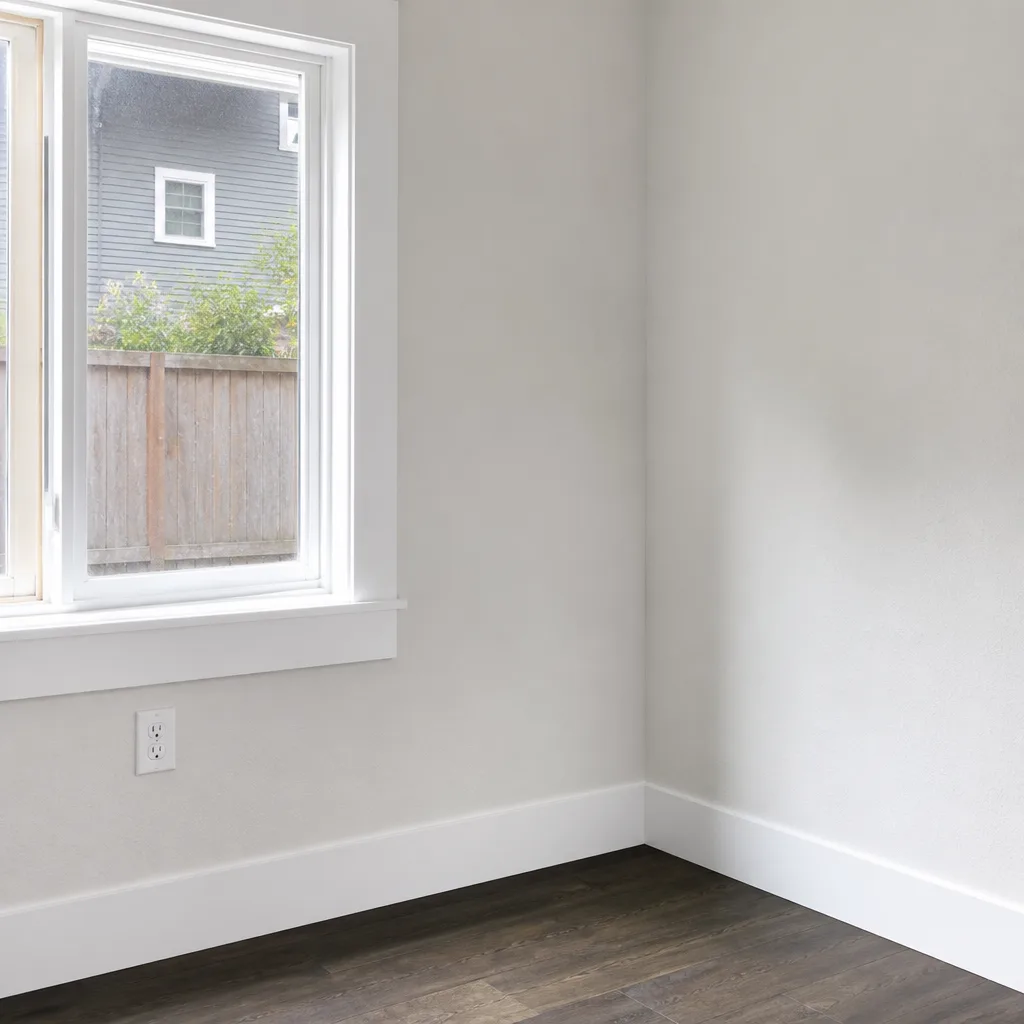 After
After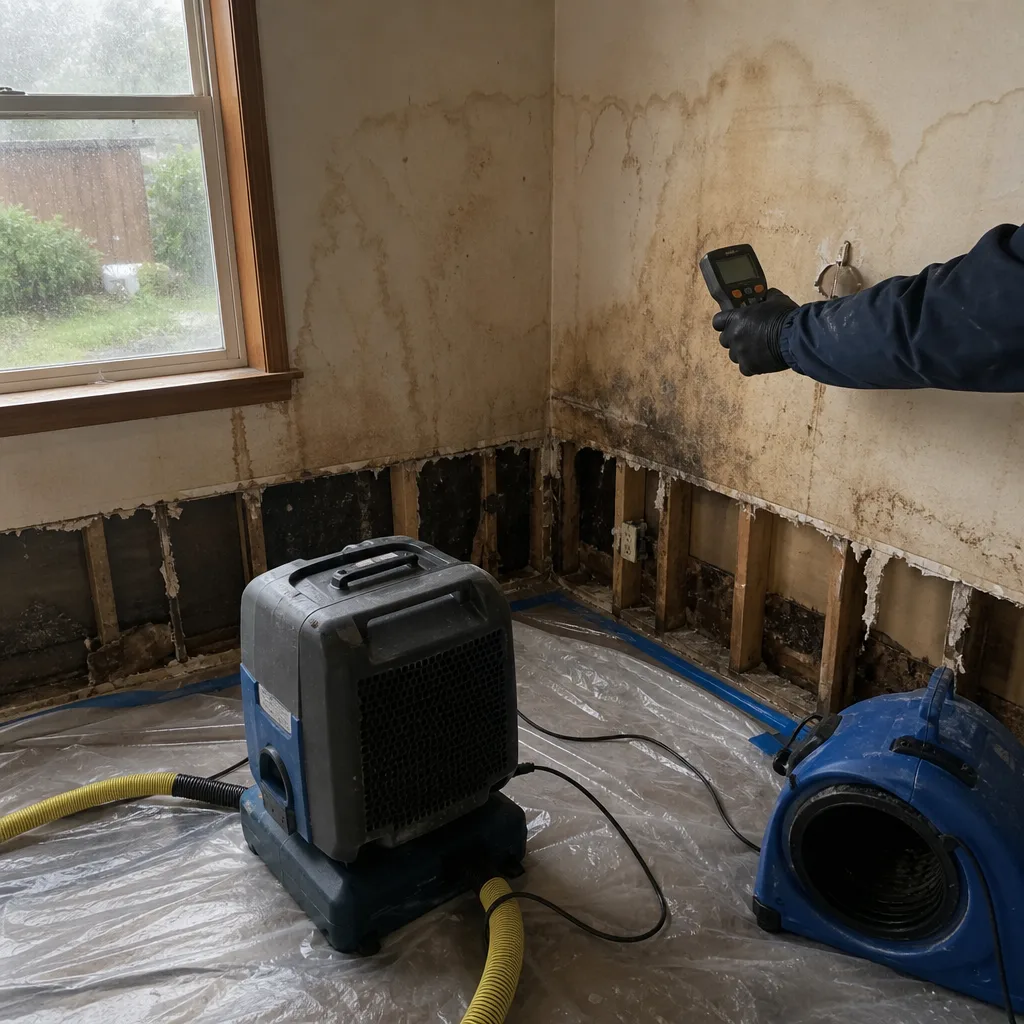 Before
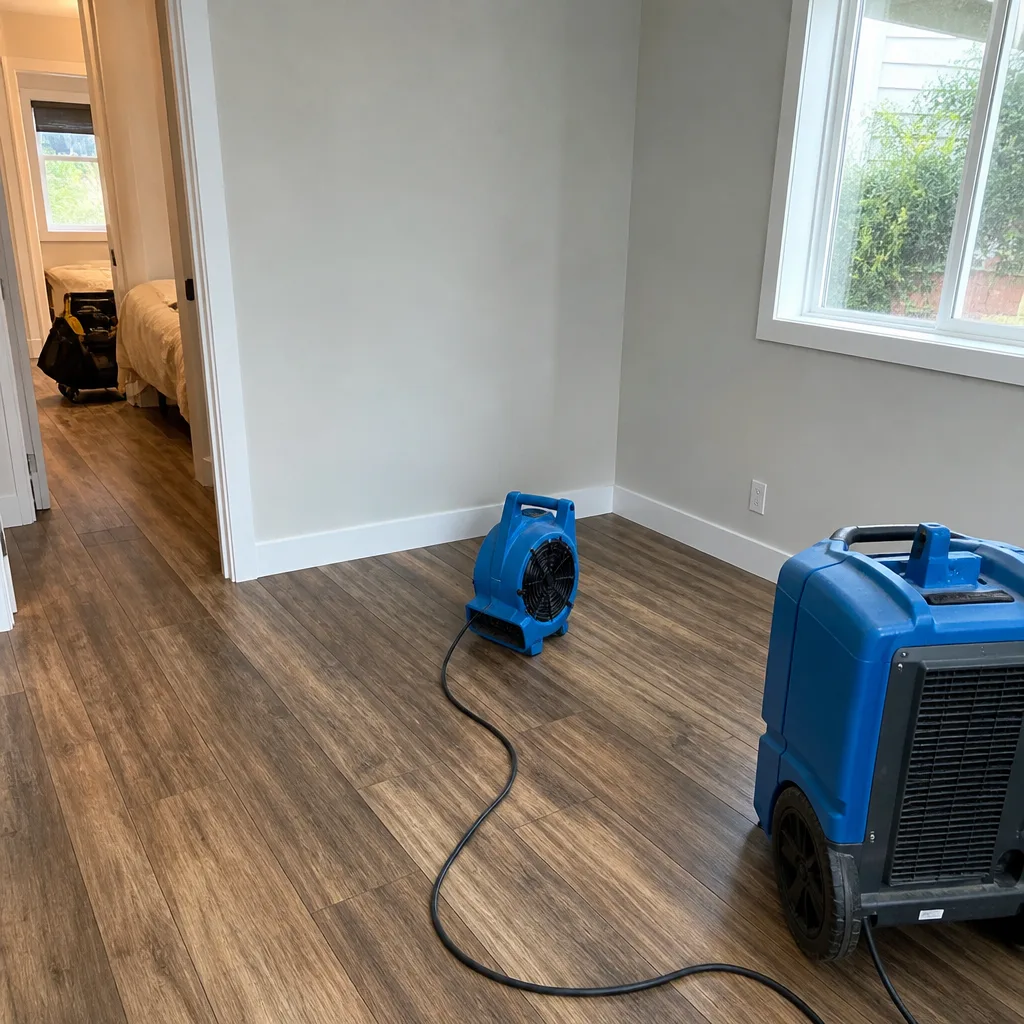 After
AfterTrusted Sewage Cleanup for Seattle Homeowners
Sewage cleanup in Seattle typically costs $2,800-$7,500 depending on contamination extent, affected materials, and whether the loss reached wall cavities or crawl spaces. Most Category 3 water losses in the metro area require same-day dispatch to prevent microbial amplification, and DryMark Restoration Seattle arrives with extraction equipment, antimicrobial inventory, and documentation protocols already loaded. Call (425) 671-5392 and a live person will answer, 24 hours a day, 7 days a week - no voicemail, no callback queue while sewage continues to migrate.
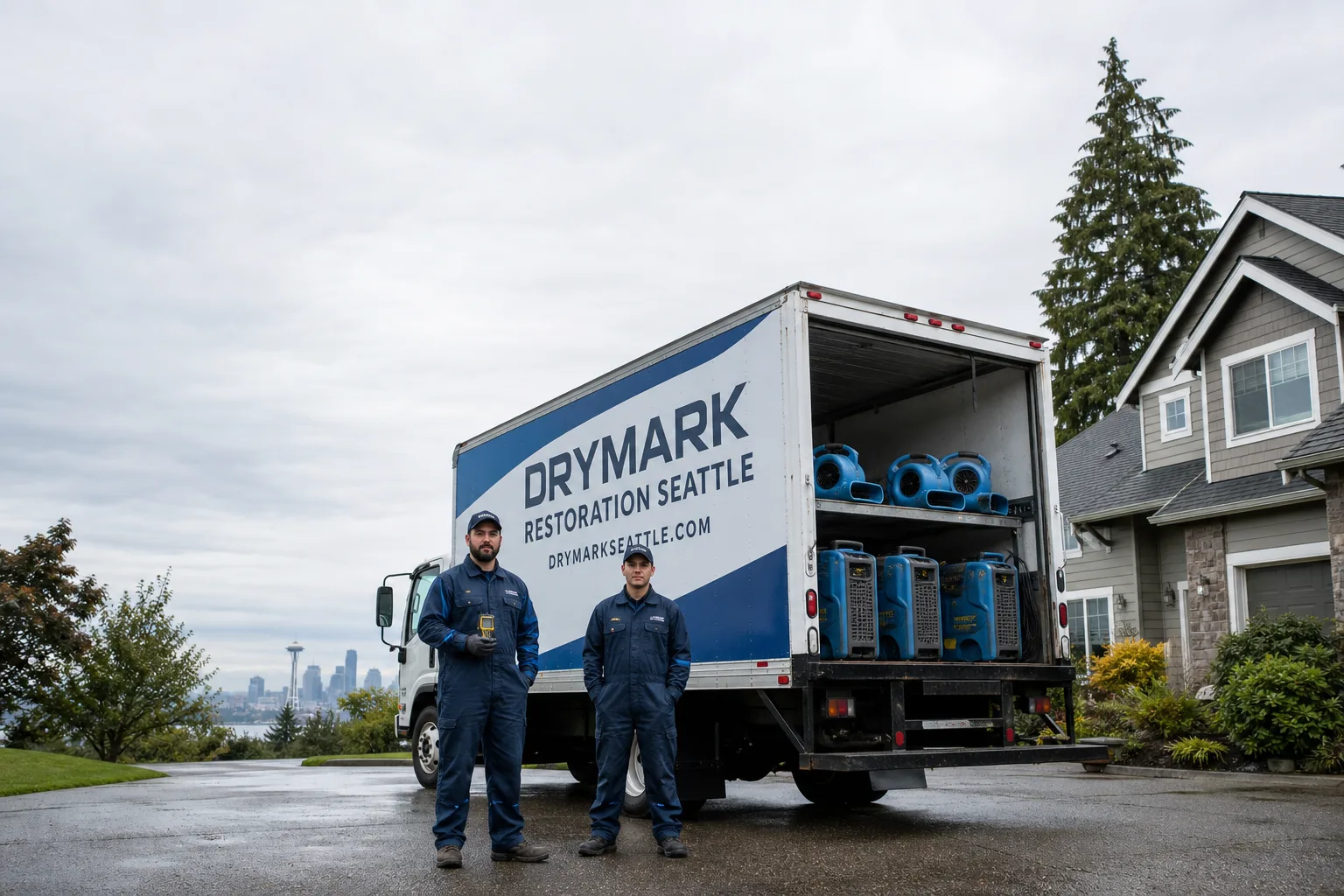
We’ve restored 12,000+ homes since 2011, every one with a written price before work started and a documented record when the crew left. Alicia Brennan founded Back to Dry Restoration after years as a claims adjuster watching homeowners lose coverage fights over missing documentation. That origin is why our Seattle crews arrive with moisture meters, thermal cameras, and the protocol to produce daily drying logs that turn restoration invoices into claims insurers pay without dispute. Our technicians are background-checked, uniformed, and named on your work order before they arrive at your door.
Seattle’s combination of older sewer infrastructure, high water tables in neighborhoods like West Seattle and Georgetown, and the freeze-thaw cycles that crack lateral lines means sewage backups aren’t rare here. We’ve extracted black water from basements in Ballard after tree-root intrusions, sanitized crawl spaces in Beacon Hill following septic pump failures, and documented Category 3 losses in Capitol Hill row houses where the backup reached finished living spaces. Each job followed the same sequence: written scope signed before work began, photo record on every visit, moisture readings logged to IICRC standards, and a 365-Day Done Right Promise backed by The Haven Standard.
What Our Sewage Cleanup Service Includes
Sewage Backup Cleanup
A sewage backup occurs when wastewater reverses flow from the main sewer line or lateral into your home, typically through floor drains, toilets, or the lowest fixture in the house. In Seattle, we see this most often in pre-1950s homes with combined sewer-stormwater lines that overload during heavy rains, particularly in neighborhoods like Georgetown and South Park where the infrastructure predates modern separation. DryMark Restoration Seattle responds with truck-mounted extraction units, then deploys Injectidry cavity drying systems to pull moisture from wall voids without destructive tear-out when structurally viable.
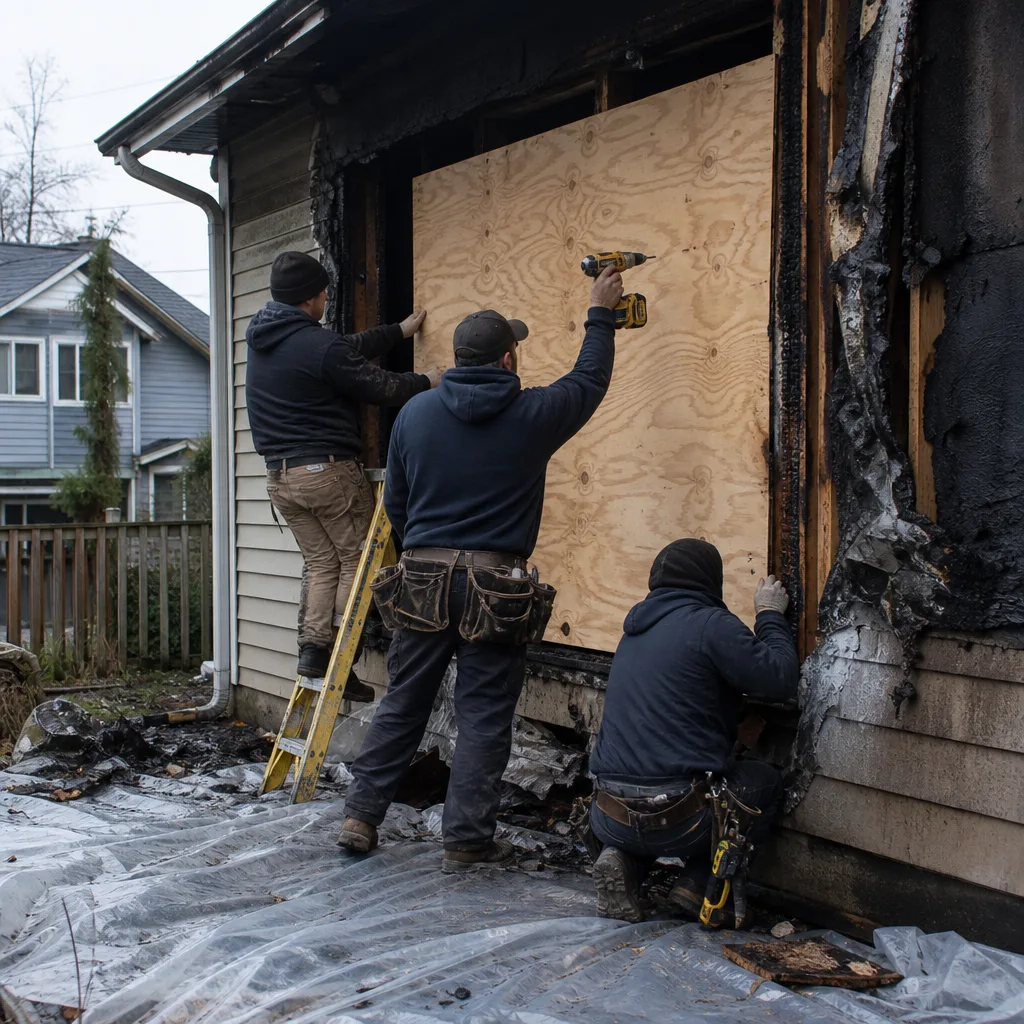
Toilet Overflow Cleanup
Toilet overflows range from contained bowl spills to sustained flows that saturate subflooring and seep into ceiling cavities below. The critical distinction is between clean water overflow (supply line) and contaminated overflow (sewage or soiled water), which determines whether materials can be salvaged or must be removed per IICRC S500 standards. Our Seattle crews test contamination category on-site with ATP meters, document the reading in your file, and build the written scope around that classification so your adjuster sees the justification for every removal decision.
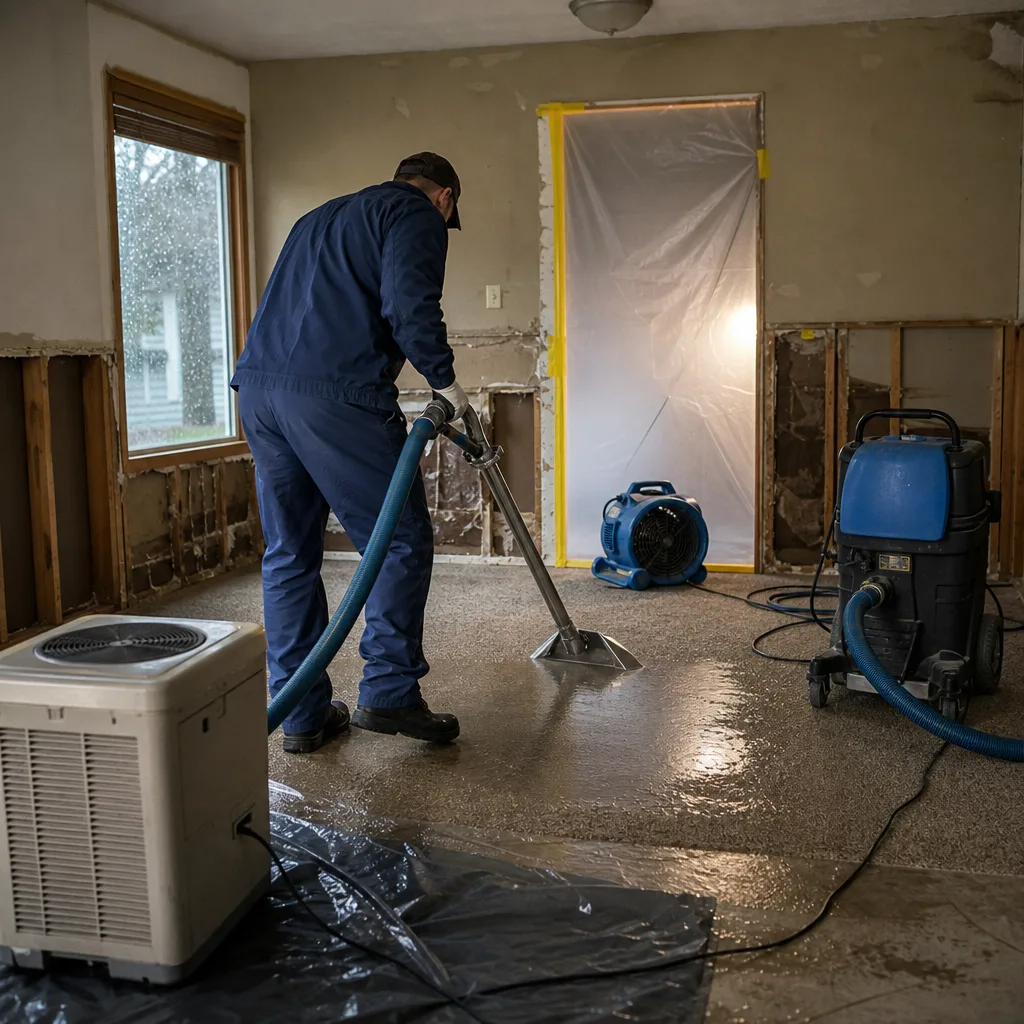
Septic Failure Cleanup
Septic system failures release untreated effluent into drain fields, crawl spaces, or basement areas when tanks overflow, drain fields saturate, or distribution boxes clog. In King County’s outlying areas and older unsewered pockets of Bellevue and Seattle proper, we’ve extracted septic effluent from crawl spaces where the contamination sat long enough to require full vapor barrier replacement and soil treatment. Our process includes effluent extraction, affected soil assessment, structural drying to below 16% wood moisture content, and antimicrobial application documented with before-and-after ATP readings.
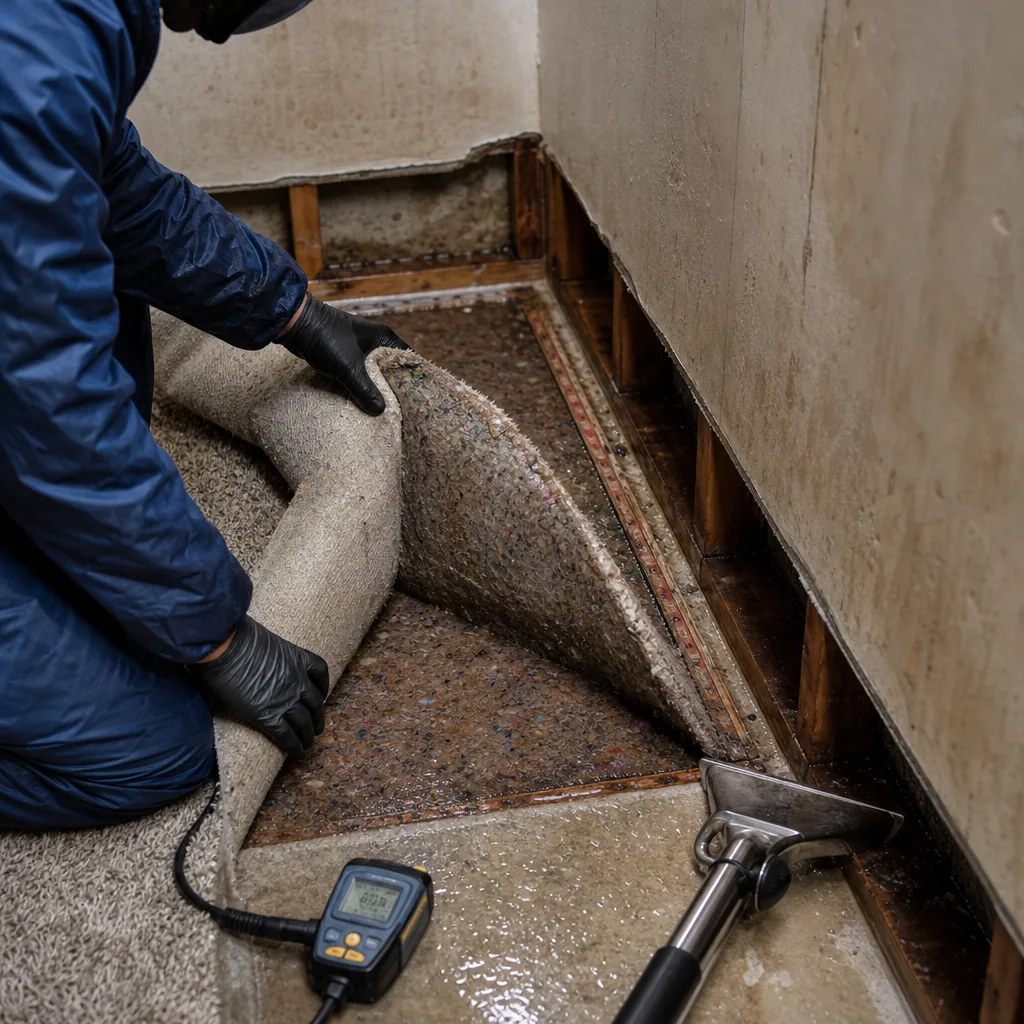
Black Water Extraction
Black water, or Category 3 water, contains pathogenic agents and gross contamination from sewage, flooding, or other sources. Extraction is only the first phase; porous materials that absorb black water - carpet, pad, drywall below the water line, particleboard subfloor - are classified as non-salvageable per IICRC standards and must be removed with photographic documentation for insurance purposes. DryMark Restoration Seattle uses weighted extraction wands and submersible pumps sized to the loss, then produces a room-by-room inventory of removed materials with dimensions and replacement classifications.
Sanitization & Disinfection
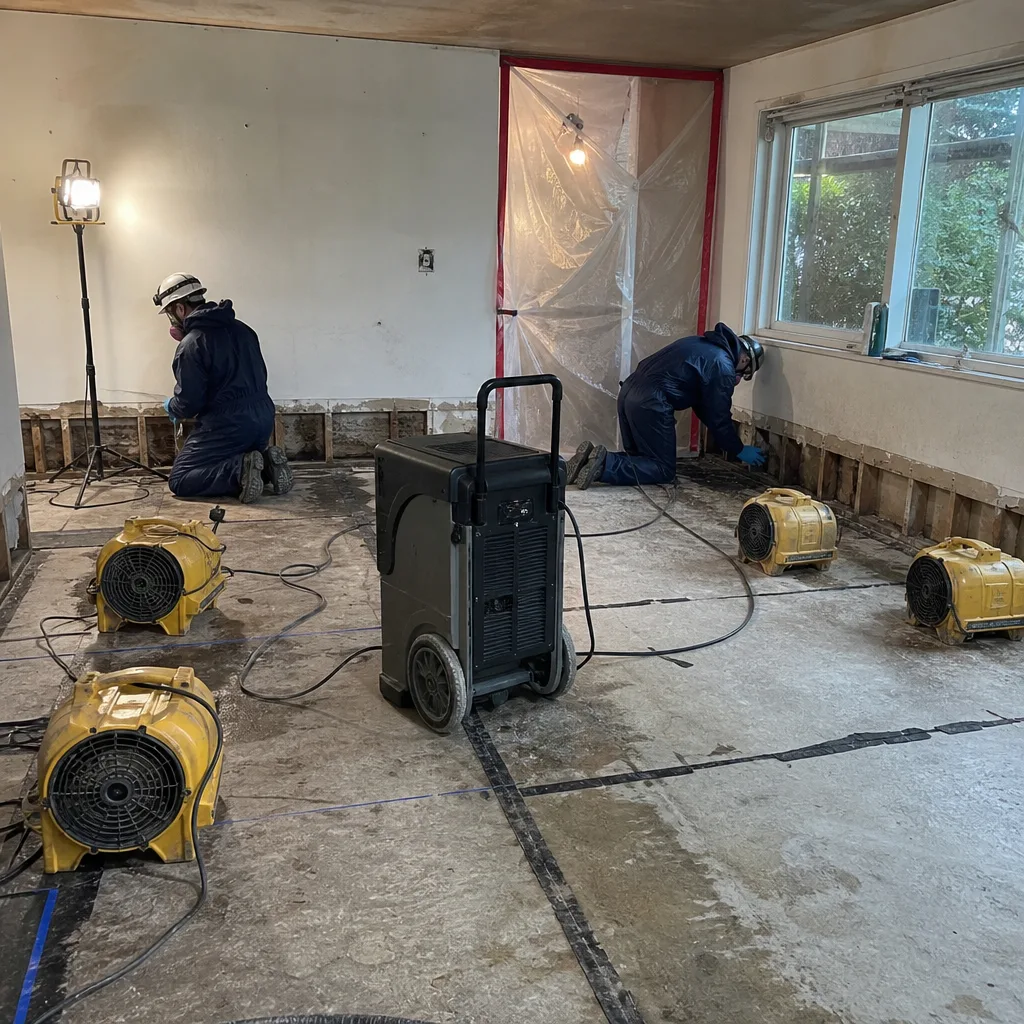
After extraction and removal, all affected hard surfaces receive antimicrobial treatment followed by HEPA vacuuming and, where indicated, thermal fogging or hydroxyl generation for odor control. We use EPA-registered disinfectants applied at manufacturer-specified dwell times, documented in your drying log with product name, concentration, and application timestamp. For Seattle properties with finished basements or HVAC systems that may have circulated contaminated air, we inspect ductwork and coordinate duct cleaning scope additions with your written approval.
Crawl Space Sewage Removal
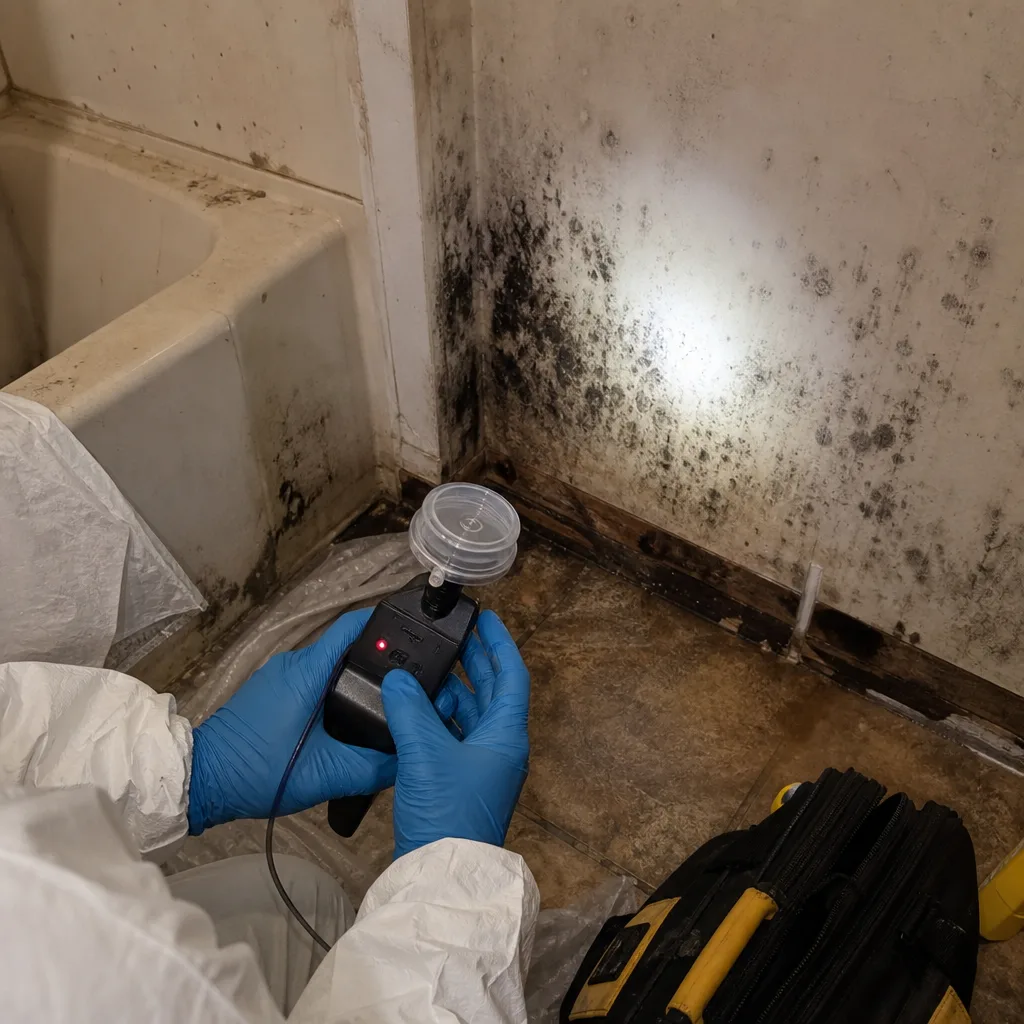
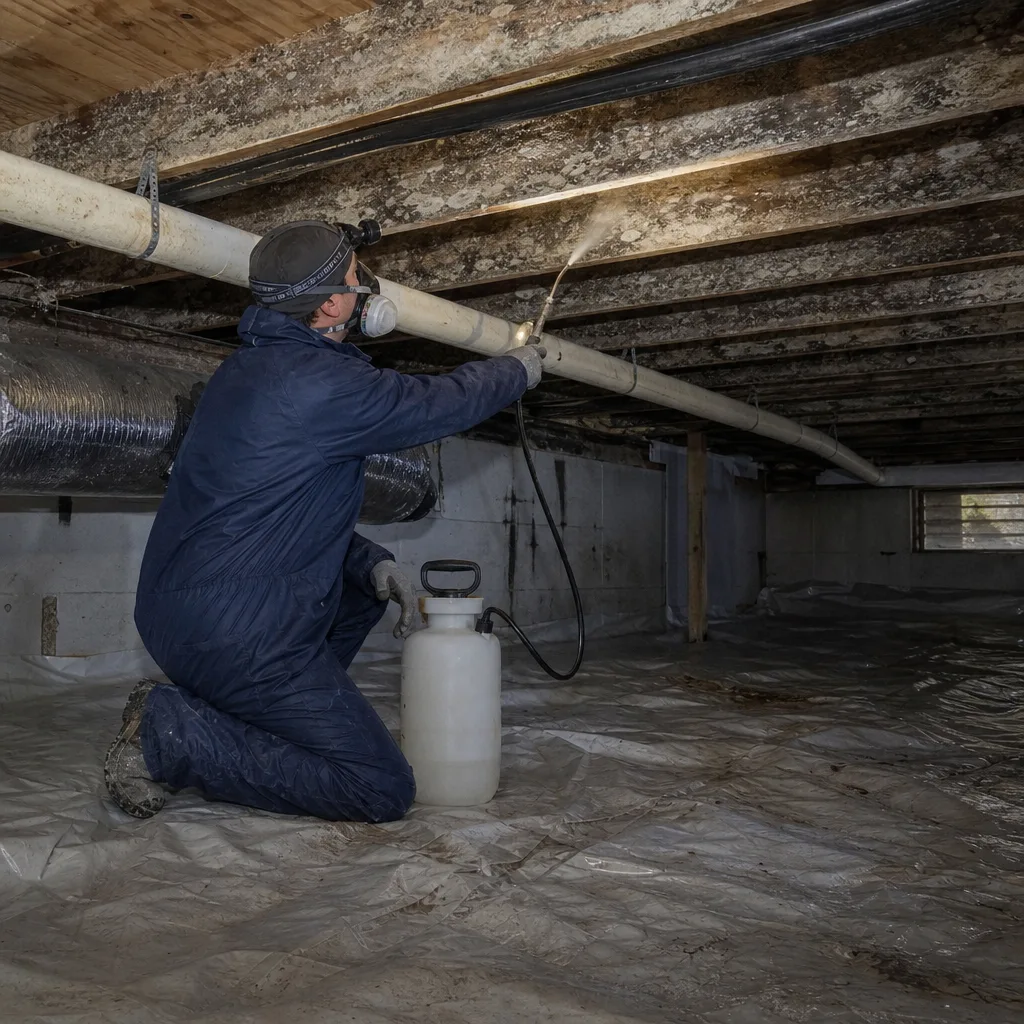
Crawl space sewage losses present unique challenges: limited access, vapor barrier disruption, soil contamination, and the potential for long-term moisture elevation that triggers mold amplification. In Seattle’s damp climate, a crawl space with sewage contamination that isn’t fully dried within 72 hours often develops secondary mold issues that complicate insurance coverage. Our crews deploy low-grain refrigerant dehumidifiers and air scrubbers with charcoal pre-filters, establish negative air pressure where required, and produce psychrometric data - temperature, relative humidity, and vapor pressure differential readings - that demonstrate drying progress to your adjuster in plain numbers.
What happens when you call
- 1
A real person answersNo phone trees - you reach a local pro.
- 2
You get an upfront price rangeHonest numbers before anyone is dispatched.
- 3
A background-checked tech heads outLicensed & insured, dispatched right away.
- 4
You approve before work beginsNothing starts until you say go.
Brands We Service for Sewage Cleanup
We’ve serviced hundreds of Injectidry systems and stock their OEM panel drying attachments and hose assemblies. When sewage saturates wall cavities in Seattle’s older homes with lath-and-plaster construction, Injectidry’s positive-pressure drying panels allow us to dry the cavity without removing historic plaster, provided the contamination hasn’t reached the gypsum layer. We document the cavity moisture readings before and after panel deployment, and we note the vapor pressure differential that indicates whether the wall is actually drying or merely circulating moist air.
Our equipment inventory also includes IICRC-documented drying systems from Phoenix and XPOWER, with dehumidifiers rated to the low specific humidity conditions that Seattle’s marine climate demands. Whether you have a loss requiring Injectidry cavity drying, Phoenix LGR dehumidification, or any other professional-grade system, we can deploy the right equipment with the documentation that supports your claim.
BeforeAfterSigns You Need Sewage Cleanup Right Now
- Multiple drains backing up simultaneously. When your toilet, tub, and sink all drain slowly or bubble, the blockage is likely in your main sewer line rather than a single fixture. This pattern often precedes a full backup, and in Seattle’s older neighborhoods with clay or Orangeburg pipe, it can indicate a collapsed lateral that needs immediate professional attention before wastewater enters your living space.
- Sewage odor that persists after normal cleaning. The gases from sewage contamination - hydrogen sulfide, methane, and other compounds - penetrate porous materials and HVAC systems in ways that surface cleaning cannot address. If you smell sewage in your Seattle home more than 24 hours after a known backup, contamination has likely reached wall cavities, subflooring, or crawl space areas requiring professional extraction and treatment.
- Visible water staining with gray or dark discoloration. Clean water stains dry light brown; sewage contamination typically leaves gray, black, or greenish discoloration from organic matter and bacterial growth. In finished basements, these stains often appear at baseboard level first, indicating water migration behind the wall that requires moisture mapping and possible cavity inspection.
- Warping or softening of flooring near drains or fixtures. Vinyl plank that bubbles, tile that sounds hollow, or hardwood that cups near a toilet or floor drain suggests subsurface moisture accumulation. With sewage contamination, this moisture carries pathogens that continue to amplify until the subfloor is extracted and dried to below the 16% moisture content threshold for wood materials.
- Recent flooding with unknown water source. Seattle’s winter storm drains can backflow into basements during king tide events, and the water may appear “clean” while carrying urban runoff contaminants classified as Category 3 under IICRC standards. If you cannot confirm the water source was a broken supply line, assume contamination and call for professional assessment with ATP testing before attempting salvage of porous materials.
Our Sewage Cleanup Process - Step by Step
- 1
Emergency dispatch and containment. When you call (425) 671-5392, a live person answers and dispatches the nearest available crew with extraction equipment, antimicrobial inventory, and documentation kits already loaded. The first technician on-site establishes containment zones with 6-mil polyethylene sheeting and negative air machines if the loss has affected living spaces, preventing cross-contamination to unaffected areas of your Seattle home.
- 2
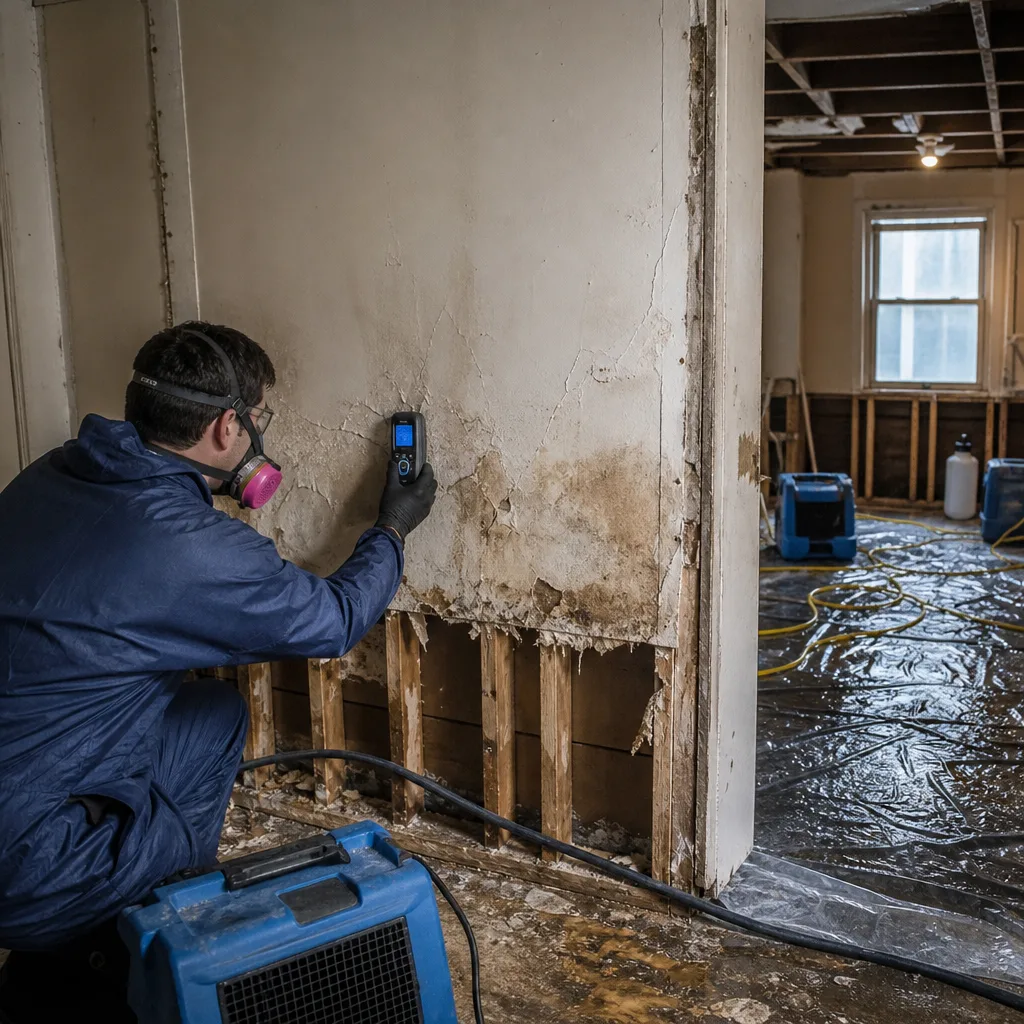
Contamination assessment and moisture mapping. We test water category with ATP meters, map moisture intrusion with thermal imaging and pin/non-invasive moisture meters, and identify all affected materials by type and dimension. This produces the baseline documentation your insurer needs: where the water traveled, what it touched, and which materials are classified salvageable versus non-salvageable under IICRC S500.
- 3
Written scope and price before work begins. Haven Standard, Clause 1: a written price is delivered before anyone starts work, every time, with no scope-creep additions once the crew is inside. Your scope lists each line item - extraction hours, equipment rental days, material removals, antimicrobial applications - with unit prices and quantities. You sign before we begin; your adjuster receives the same document.
- 4
Extraction, removal, and antimicrobial treatment. We extract standing water with truck-mounted or portable units, remove non-salvageable materials with photographic documentation, and apply EPA-registered disinfectants at manufacturer-specified dwell times. Crawl spaces receive vapor barrier assessment; wall cavities may receive Injectidry panel drying if moisture readings support salvageability and contamination hasn’t reached the gypsum.
- 5
Drying, verification, and final documentation. We deploy professional-grade drying systems from Dri-Eaz, Phoenix, XPOWER, B-Air, and Injectidry, logging daily psychrometric data: temperature, relative humidity, and vapor pressure differential. Drying continues until materials reach established dry standards, verified with moisture meter readings documented in your file. You receive a photo record of every visit, the complete drying log, and the signed 365-Day Done Right Promise under The Haven Standard.
How Much Does Sewage Cleanup Cost in Seattle?
A typical sewage backup cleanup in Seattle runs $2,800-$4,500 for a contained basement or single-room loss with no wall cavity intrusion. Losses that reach wall voids, crawl spaces, or multiple floors range $4,500-$7,500, with complex cases involving finished basement demolition, HVAC decontamination, or extensive crawl space soil treatment occasionally exceeding that range. Toilet overflow cleanup with limited subfloor saturation typically falls at the lower end, $1,800-$3,200, while septic failure cleanup with crawl space soil contamination and vapor barrier replacement often reaches $5,000-$8,500.
Several factors move the price within these ranges: square footage affected, contamination category confirmation, material type (tile and concrete are less expensive to restore than hardwood and finished drywall), and whether the loss requires after-hours emergency dispatch. The age of your Seattle home matters too - pre-1950s construction with plaster and lath demands different techniques than 1990s drywall, and homes in neighborhoods like Queen Anne or Magnolia with hillside drainage issues may have water migration patterns that extend the drying timeline.
What affects the price most is scope discipline. Some Seattle restoration companies quote low to secure the job, then add line items once the crew is inside and the homeowner is under pressure. Haven Standard, Clause 1 exists to end that practice: your written price is fixed before work begins. The only additions are changes you request or conditions discovered during work that were genuinely unforeseeable at estimate time, and those require your signed change order.
What’s included in our free estimate: on-site contamination assessment with ATP testing, moisture mapping with thermal imaging, a room-by-room scope with line-item pricing, and a copy of our standard drying log format so you see what documentation you’ll receive. We also offer a Free Second Opinion on any competitor’s written estimate - bring another company’s scope and we’ll review it at no charge, identifying missing line items or inflated quantities where we find them.
To avoid overpaying, get any estimate in writing with unit prices, demand documentation of moisture readings before and after drying, and verify that antimicrobial applications specify product name and EPA registration number. Vague scopes with lump-sum pricing and no drying log commitment are the most common source of post-loss disputes we see in Seattle insurance claims.
Sewage Cleanup Near Seattle - Our Service Area
DryMark Restoration Seattle dispatches crews throughout the metro core and surrounding communities with typical response times of 45-90 minutes during emergency hours. We regularly perform Sewage Cleanup in Seattle proper, from Ballard and Fremont to Beacon Hill and Rainier Valley, and maintain active accounts in Sewage Cleanup in Kirkland, Sewage Cleanup in Bellevue, and surrounding cities including Manchester, Tukwila, Redmond, Renton, SeaTac, Bothell, Sammamish, Lynnwood, and Issaquah. Each crew carries the equipment inventory to begin extraction immediately upon arrival, and our dispatch coordinates with your insurance adjuster’s preferred documentation format where known.
Serving Seattle, WA - Our Local Coverage Area
We’re based in the Seattle area and know this community well. Use the map below to see our service coverage - if you’re nearby, we can almost certainly help.
Frequently Asked Questions - Sewage Cleanup in Seattle
Sewage cleanup is the professional extraction, removal, sanitization, and drying of spaces contaminated by wastewater containing pathogens, organic matter, and other hazardous substances. The process follows IICRC S500 standards for Category 3 water losses, classifying affected materials as salvageable or non-salvageable based on porosity and contamination level, then documenting each decision for insurance purposes. DryMark Restoration Seattle produces a written scope, daily moisture logs, and a photo record on every visit so your claim file contains the evidence adjusters need to approve payment.
Most contained sewage cleanups in Seattle require 3-5 days from extraction to final verification, with complex losses involving crawl spaces or multiple rooms extending to 7-10 days. The drying phase alone typically runs 48-72 hours after extraction and removal, with daily moisture readings logged to confirm materials reach established dry standards before equipment is retrieved. Call (425) 671-5392 for a timeline estimate specific to your loss - our crew can assess contamination extent and moisture intrusion depth on-site and give you a written schedule with your scope.
Sewage cleanup in Seattle typically ranges $2,800-$7,500 depending on contamination extent, affected square footage, and whether wall cavities or crawl spaces require treatment. Contained basement backups with no structural intrusion fall at the lower end; losses with finished basement demolition, HVAC contamination, or septic failure with soil treatment reach the higher range. Your exact price is determined by on-site assessment and delivered in writing before work begins - Haven Standard, Clause 1 - with no additions without your signed approval.
Yes, we deploy Injectidry systems regularly for cavity drying in Seattle’s older homes where plaster removal would be disproportionately destructive. Our inventory includes their panel drying attachments and hose assemblies, and our technicians document cavity moisture readings before and after deployment to verify vapor pressure differential improvement. Whether your loss requires Injectidry or another professional drying system, we select and document the equipment based on your structure’s specific conditions.
Yes, live phone coverage is available 24 hours a day, 7 days a week with no voicemail on emergency lines. When you call (425) 671-5392, a person answers, gathers your address and loss description, and dispatches the nearest crew with equipment already loaded. Most Seattle metro locations receive crew arrival within 45-90 minutes during emergency hours, and we begin extraction and containment immediately upon arrival.
Every sewage cleanup is covered by our 365-Day Done Right Promise under The Haven Standard: if it’s not done right, we make it right. This is a written warranty, not a verbal assurance, and it covers both the workmanship of our restoration and the documentation quality that supports your insurance claim. The warranty is signed and stamped on every job, with Alicia Brennan’s name as the standing guarantee behind the company’s commitment.
Ensure safe access to the affected area, identify the location of your main water shutoff if the loss is ongoing, and gather your insurance policy number and adjuster contact if available. Do not enter contaminated areas without proper PPE, do not attempt to save porous materials that have contacted sewage, and do not run HVAC systems that may circulate contaminated air. Our crew brings all necessary protective equipment, containment materials, and documentation supplies - your preparation is primarily ensuring we can access the loss and that you have not put yourself at risk attempting preliminary cleanup.
Schedule Your Sewage Cleanup Service in Seattle Today
Call (425) 671-5392 now and a live person will answer, 24 hours a day, 7 days a week. We’ll dispatch a crew to assess your loss, produce a written price before any work begins, and start extraction with the documentation protocols that turn restoration invoices into payable insurance claims. Your estimate is free, your scope is fixed, and your 365-Day Done Right Promise is guaranteed under The Haven Standard.
Written by Alicia Brennan, Owner at DryMark Restoration Seattle, serving Seattle since 2011.