
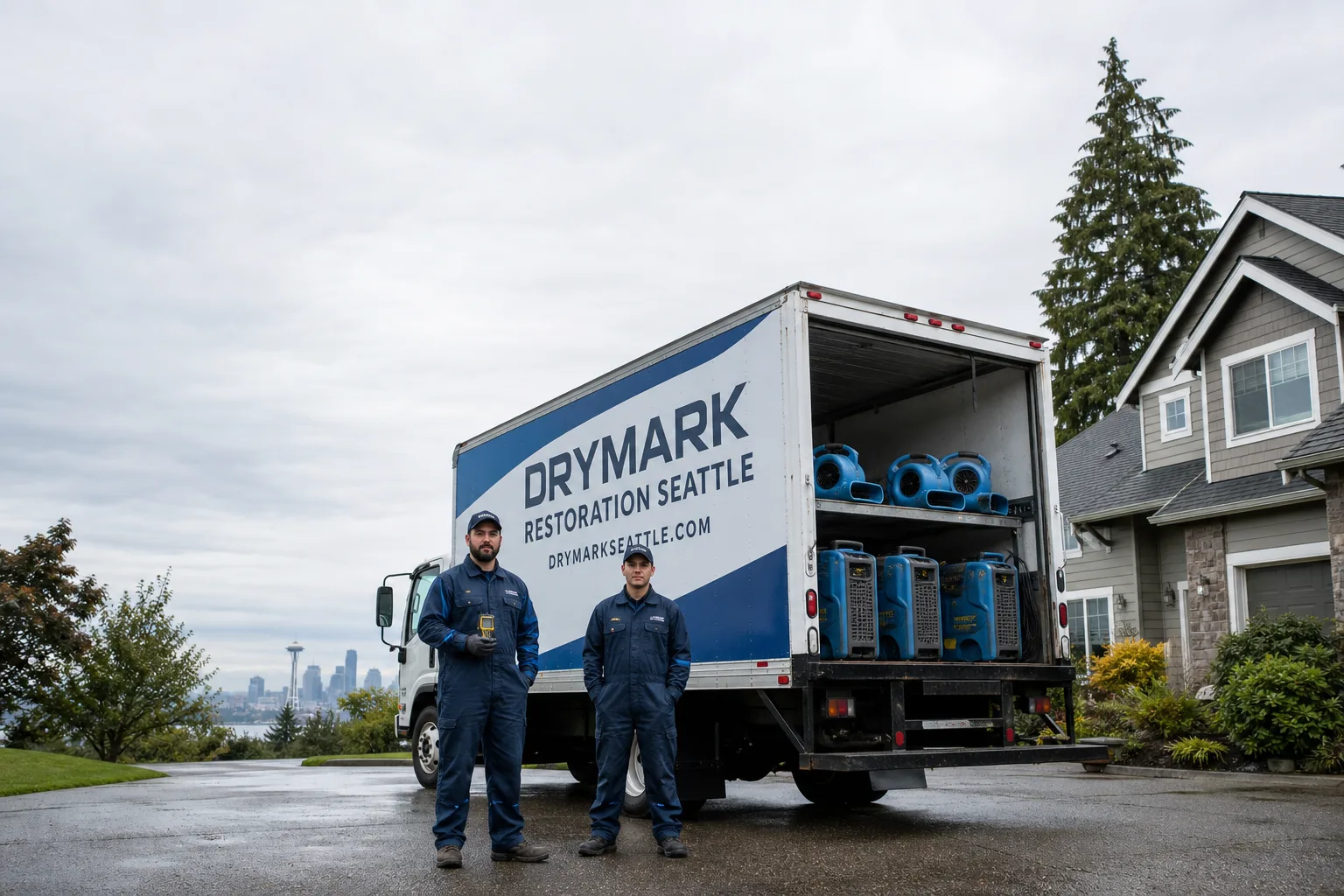
Free visual inspection and a written scope of work before any mitigation begins - photos, moisture readings, and drying logs go in your claim file
The scope we write is the scope we bill. Anything new gets shown to you, in writing, before we touch it.
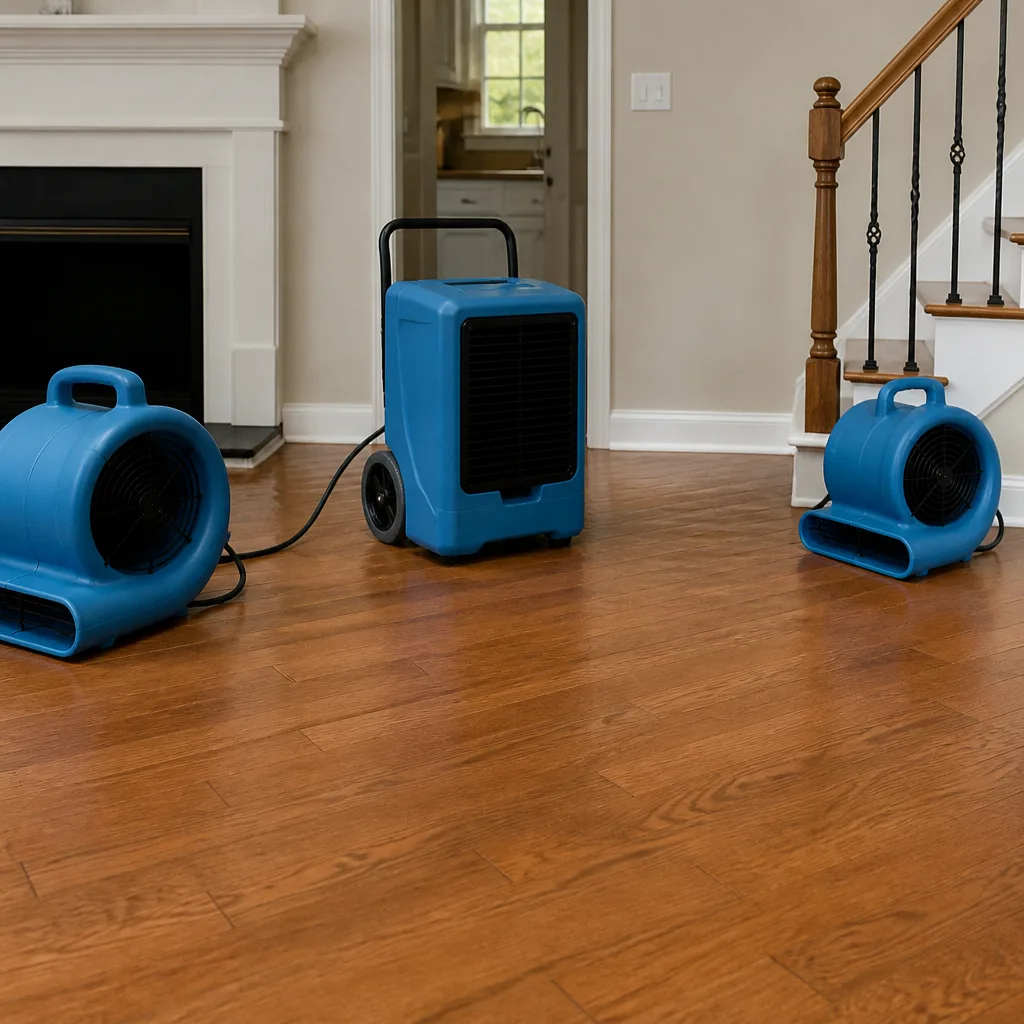
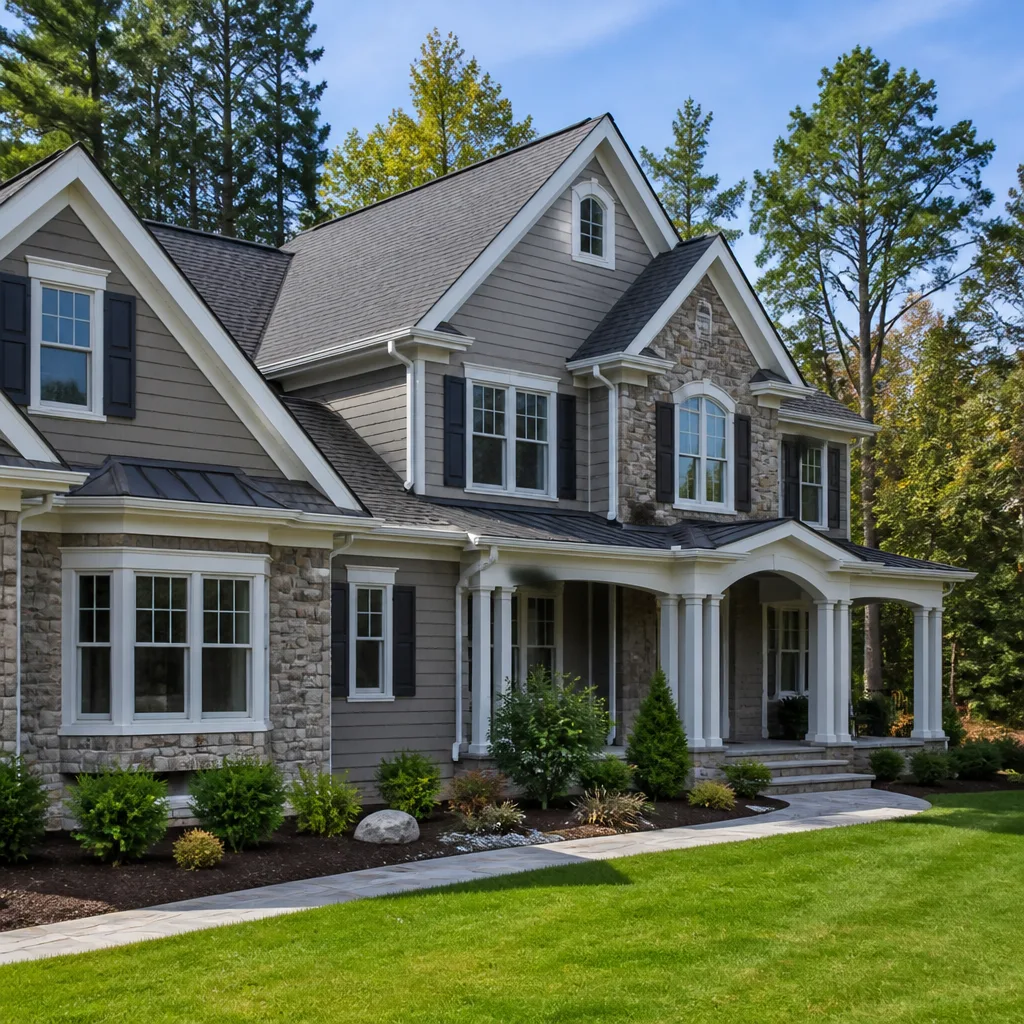
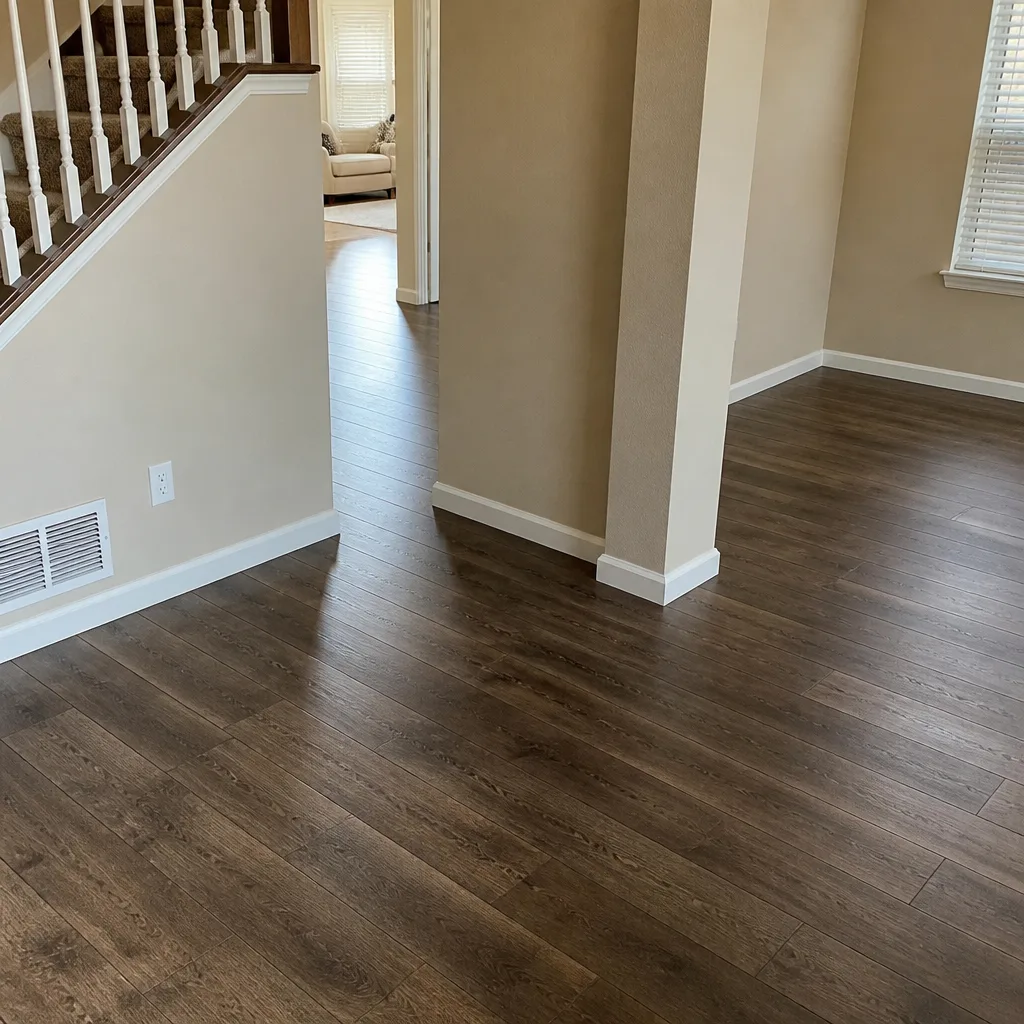
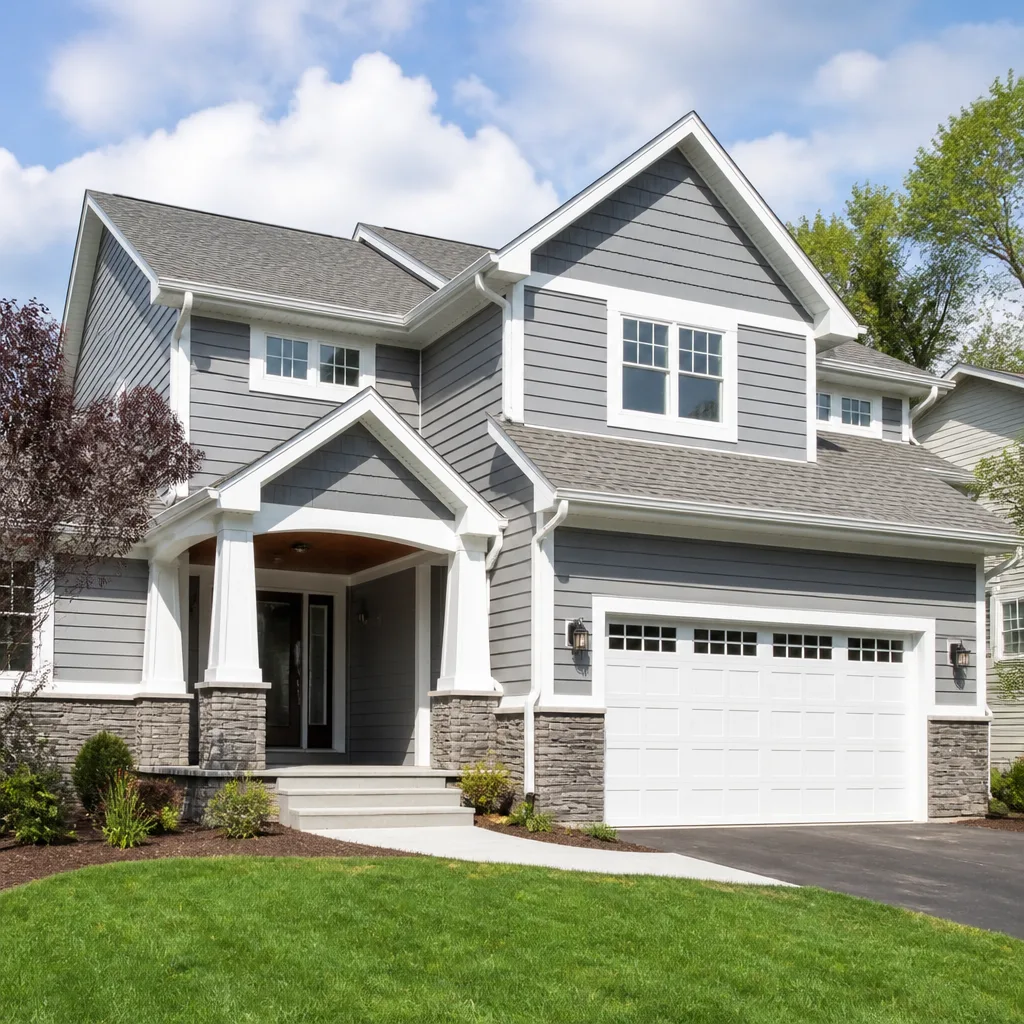
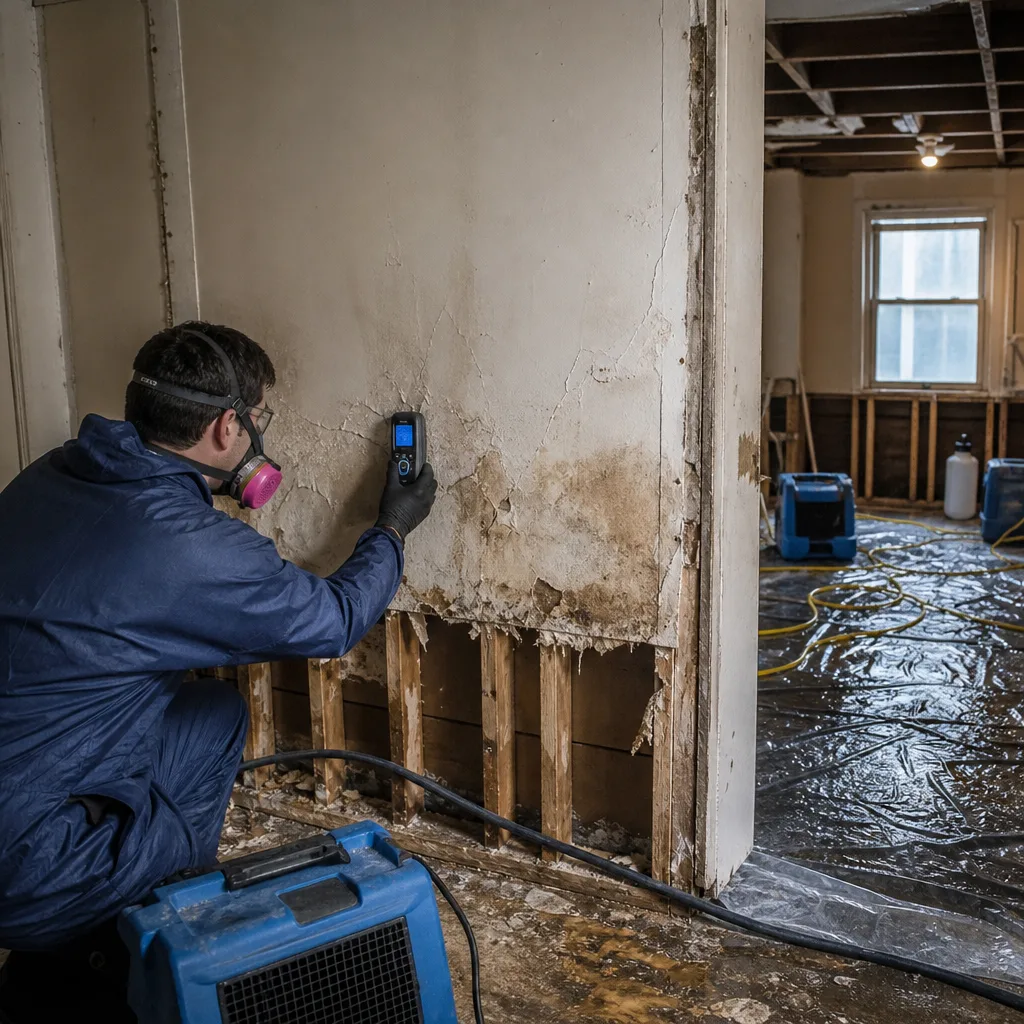 Before
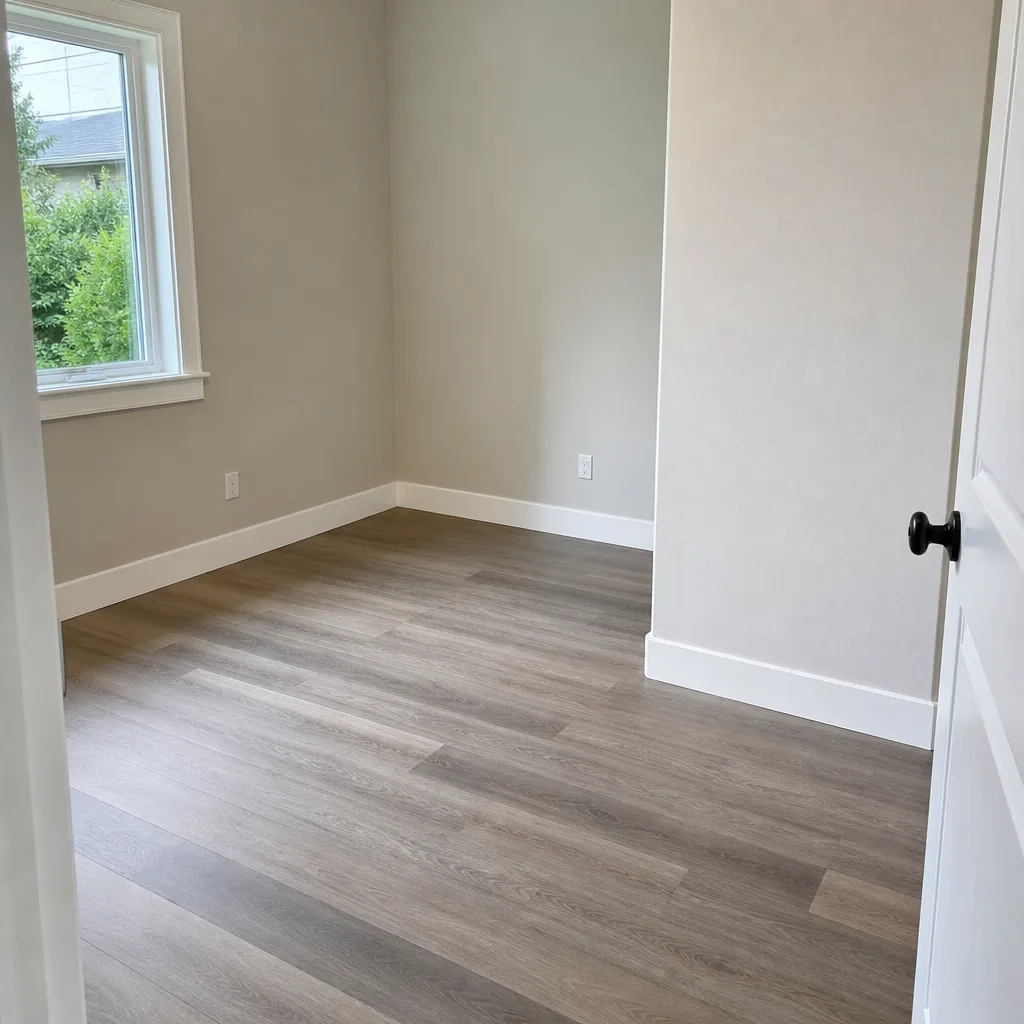 After
After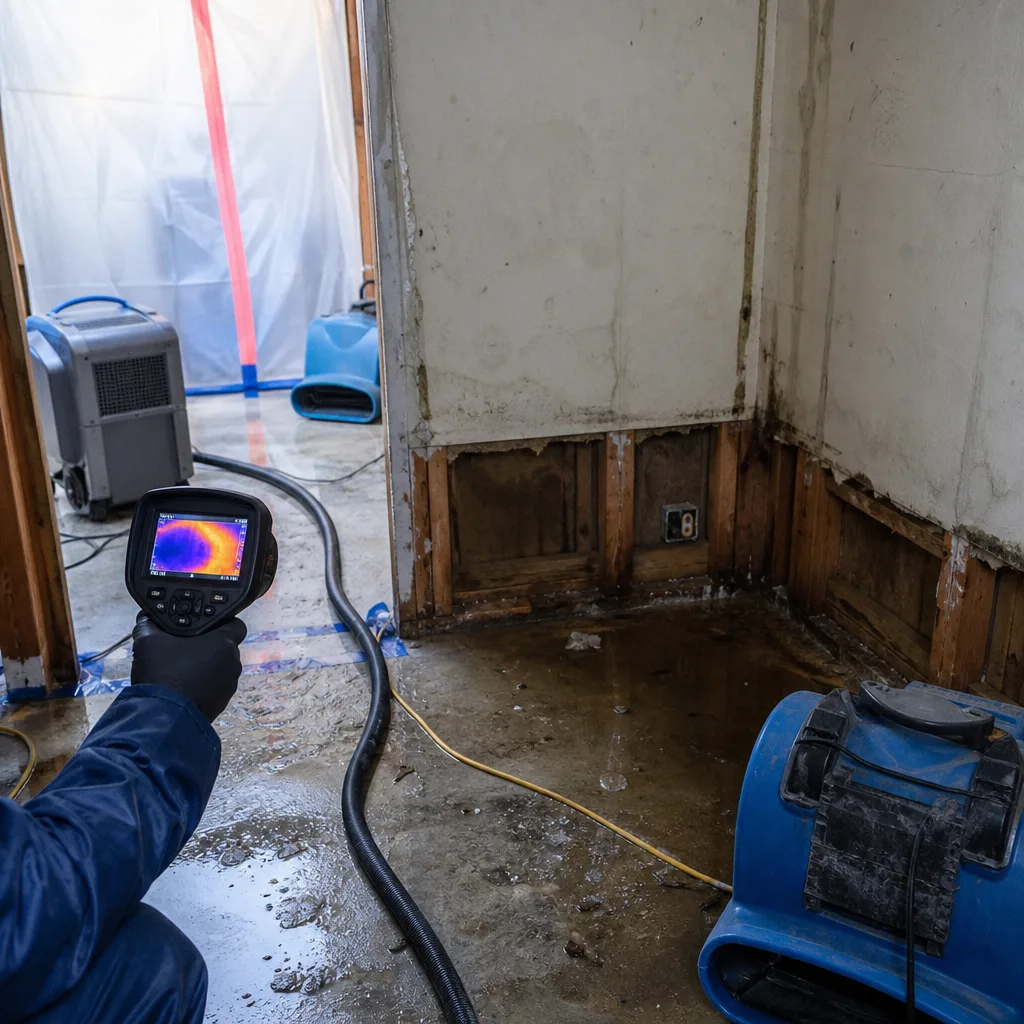 Before
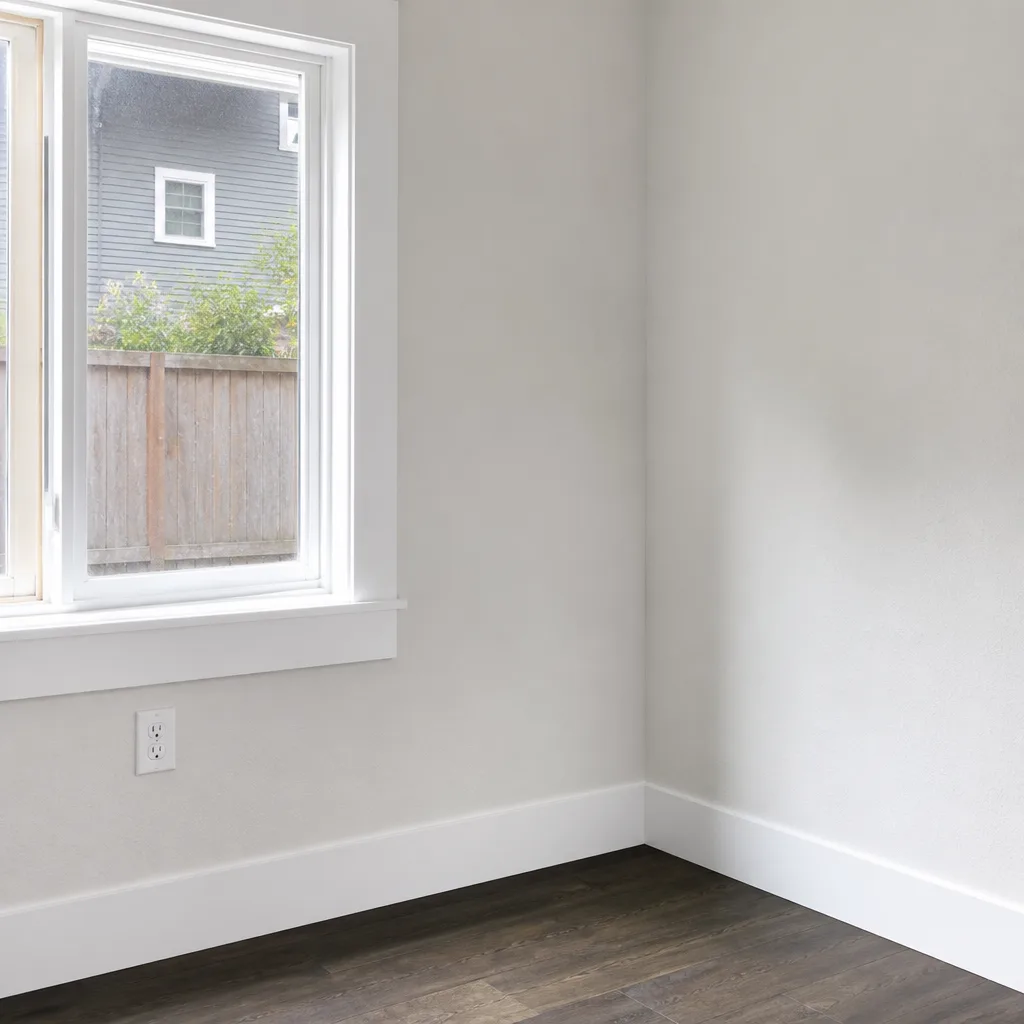 After
After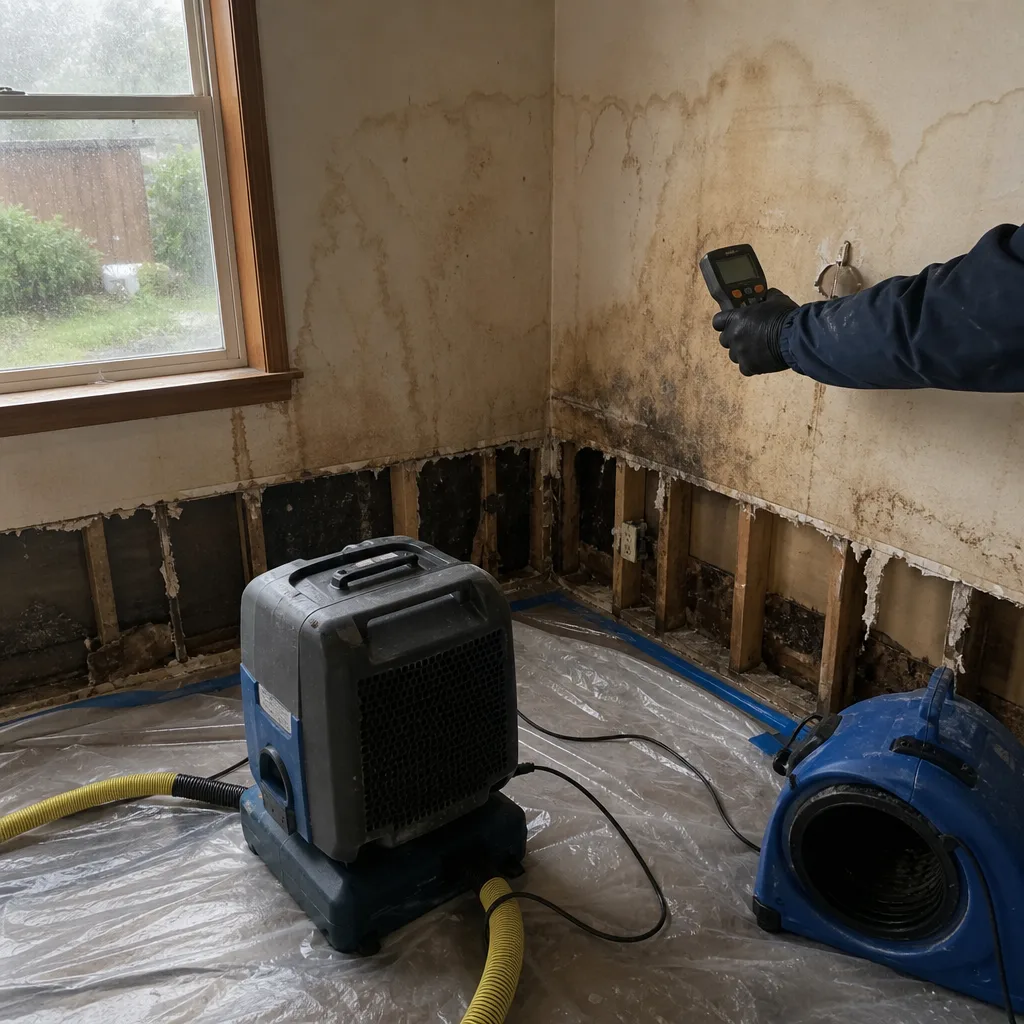 Before
 After
AfterFast, Reliable Mold Remediation Across Lynnwood
Mold remediation in Lynnwood typically costs $1,800-$4,500 for crawl-space treatment and $350-$950 for localized inspection and removal, with most projects completed in 3-7 days depending on square footage and containment needs. We dispatch crews to Lynnwood from our Seattle office, and our Mold Remediation team carries the equipment to begin containment and air-scrubbing on arrival. Call (425) 671-5392 for a written estimate before any work starts - Haven Standard, Clause 1.
Lynnwood’s 1960s-1970s ranch and split-level stock was built with vented crawl spaces and original vapor barriers that have now degraded past 50 years. That housing profile, combined with Alderwood series soils and a shallow hardpan clay layer, creates moisture conditions you won’t find in newer suburbs to the east or basement-heavy neighborhoods to the south. We know the difference because we’ve documented it.
Why DryMark Restoration Seattle Is Lynnwood’s Preferred Mold Remediation Company
We’ve restored more than 12,000 homes since 2011, and a significant share of those jobs have been in Lynnwood’s crawl-space ranches near Scriber Lake, Martha Lake, and the Alderwood Mall corridor. Homeowners here find us because they read our three-star reviews too - the ones that mention our documentation, our written prices, and our willingness to explain why a crawl space re-colonized after a competitor’s spot treatment.
Our response time to Lynnwood is same-day for active mold emergencies, with live phone coverage 24 hours a day, 7 days a week - no voicemail trees. Alicia Brennan built this company around the documentation gap that costs homeowners their insurance claims, and that origin shows up in how we work Lynnwood jobs: photo records on every visit, daily moisture logs, and a written scope before anyone opens a containment barrier.
We coordinate dispatch from our Seattle office, but our crews serve Lynnwood with local familiarity - they know which neighborhoods drain toward Scriber Creek, which streets sit on the perched water table, and why a home near 196th Street SW may take water repeatedly regardless of roof condition.
Our Mold Remediation Services in Lynnwood
Mold Inspection & Testing
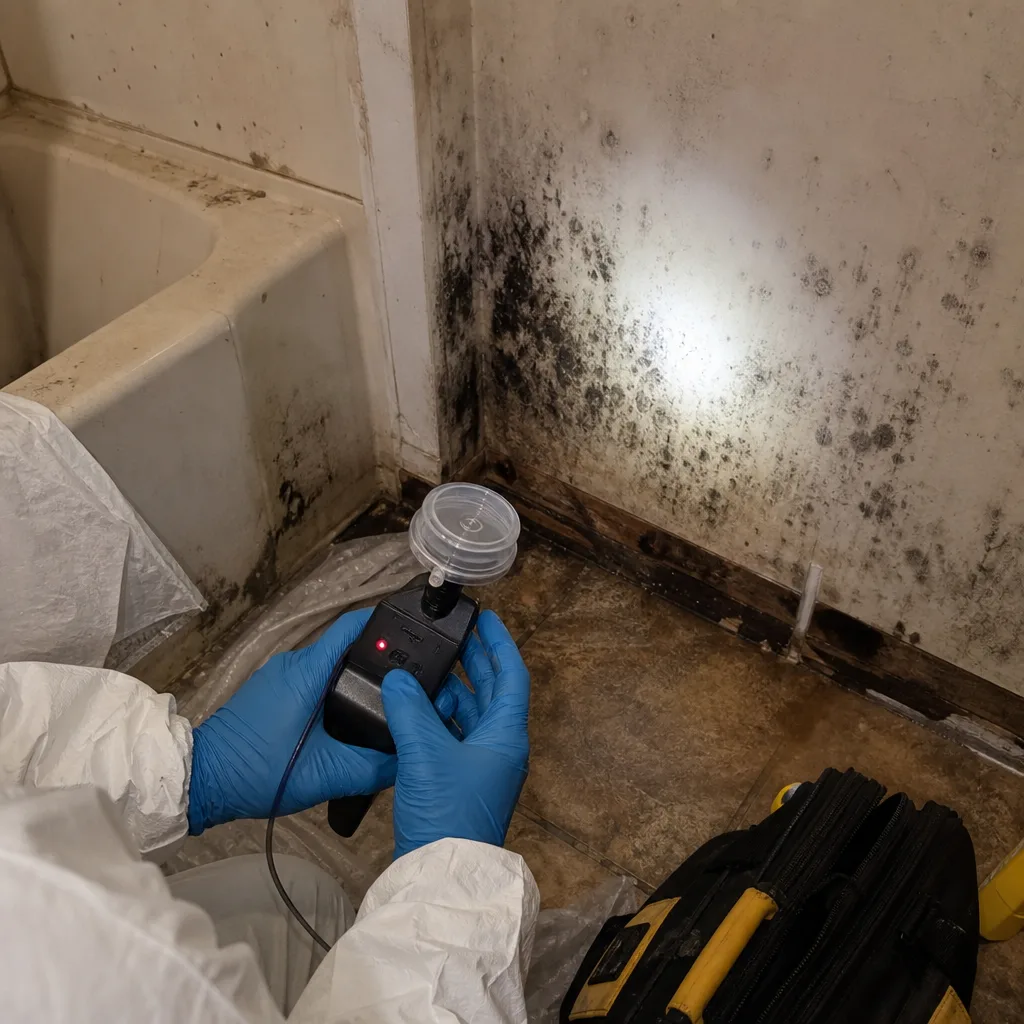
A proper mold inspection in Lynnwood starts with understanding where the moisture is coming from, not just where the mold is growing. We use moisture meters, thermal imaging, and psychrometric data - measurements of temperature, humidity, and vapor pressure - to trace the water path back to its source. In Lynnwood’s 1960s-1970s ranches, that source is often the degraded vapor barrier and hardpan-driven groundwater, not a recent leak. We document every reading, every photo, and every material classification in a written report you can submit to your insurer or adjuster.
Crawl Space Treatment
This is the service we perform most often in Lynnwood, and it’s where our local soil knowledge matters most. The Alderwood series glacial till beneath neighborhoods near Scriber Lake and throughout central Lynnwood holds a shallow hardpan clay layer that perches water every wet season. Surface water routes laterally into crawl spaces rather than draining downward. We don’t spot-treat joists and leave. We assess whether the vapor barrier is salvageable, whether the floor framing needs antimicrobial treatment or removal, and whether encapsulation is the only lasting solution. Our field teams log moisture readings across every joist bay and sheathing panel so you have documented evidence of the scope.
Moisture & Humidity Control
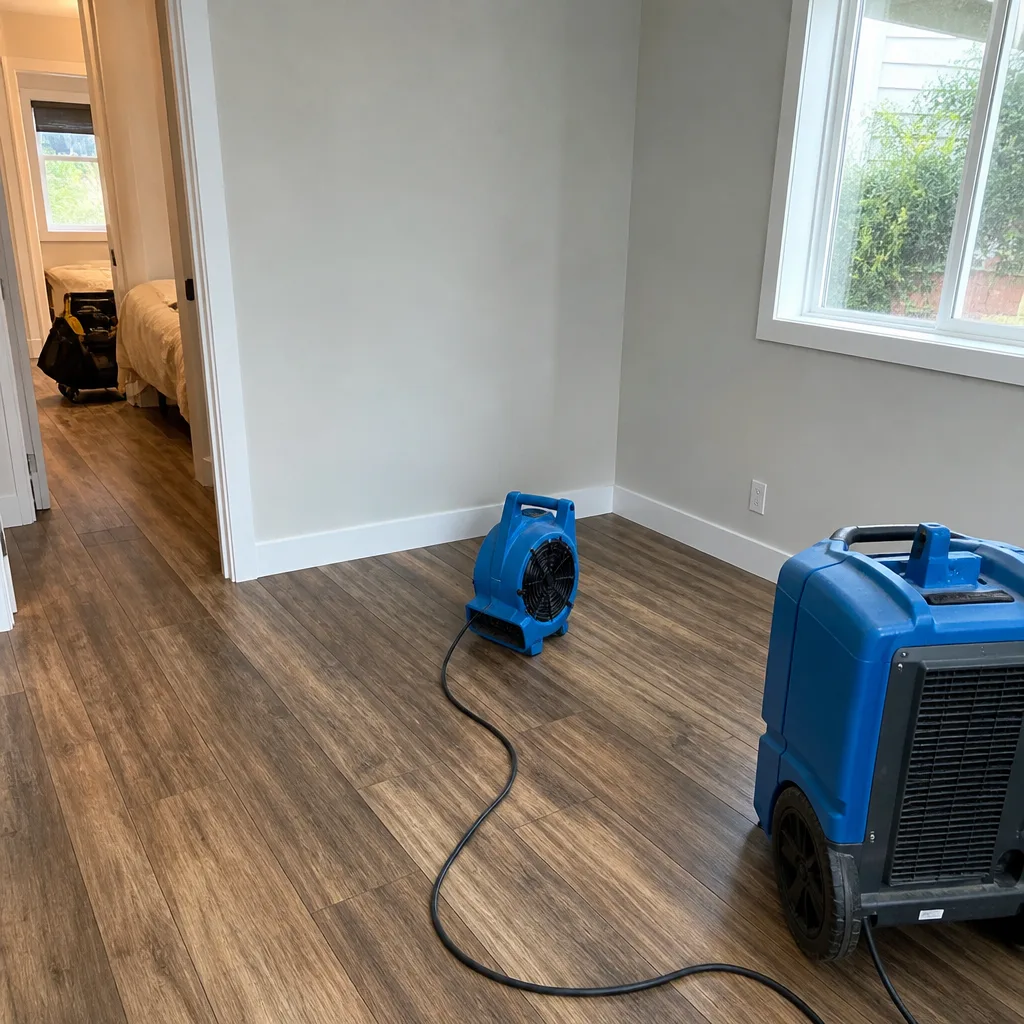
Lynnwood’s marine climate keeps relative humidity elevated through summer months that inland areas dry out in. Materials that were wet in October may still read above 16% wood moisture content in July - the threshold where mold colonies continue spreading rather than arresting. We install professional-grade dehumidification systems from Dri-Eaz and Phoenix, sized to the crawl-space volume and documented to IICRC and IFA standards. The drying logs we produce become part of your job file, not a folder we throw away when the equipment leaves.
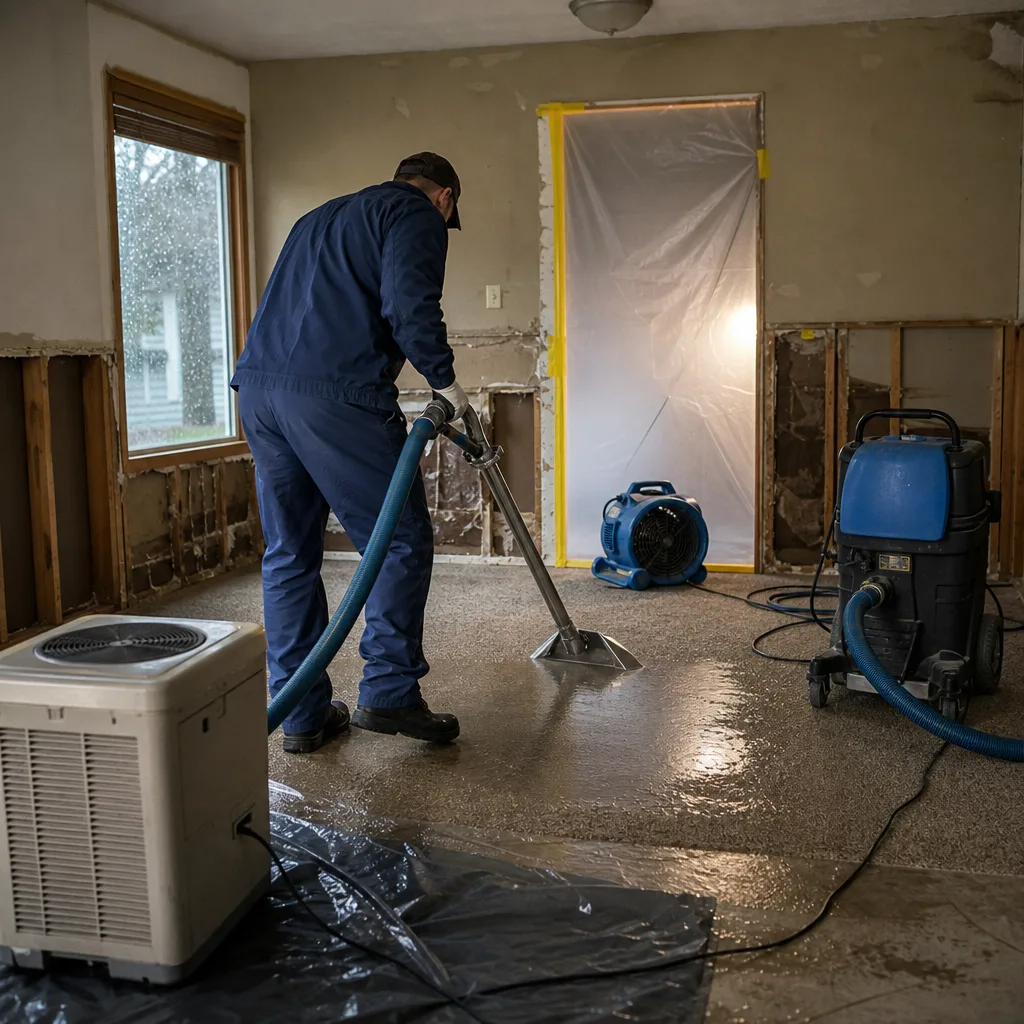
Black Mold Remediation
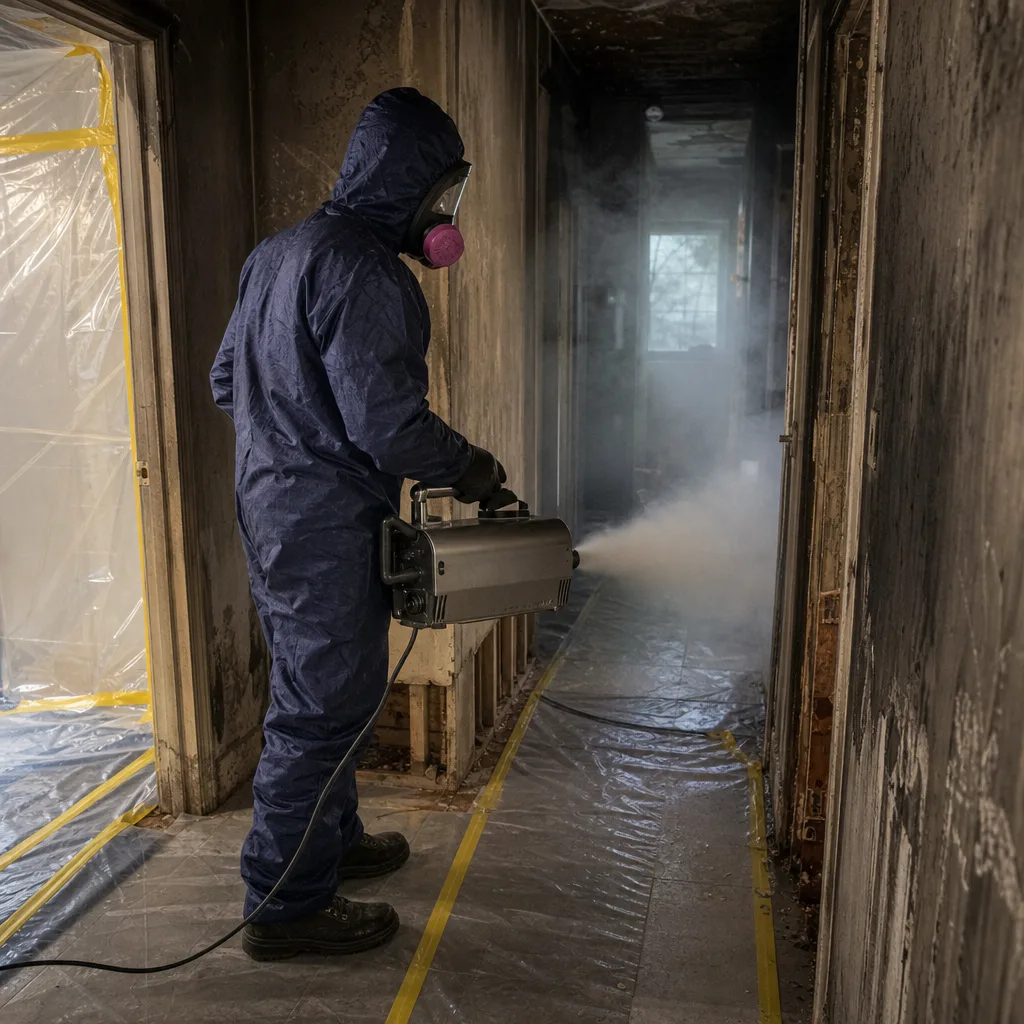
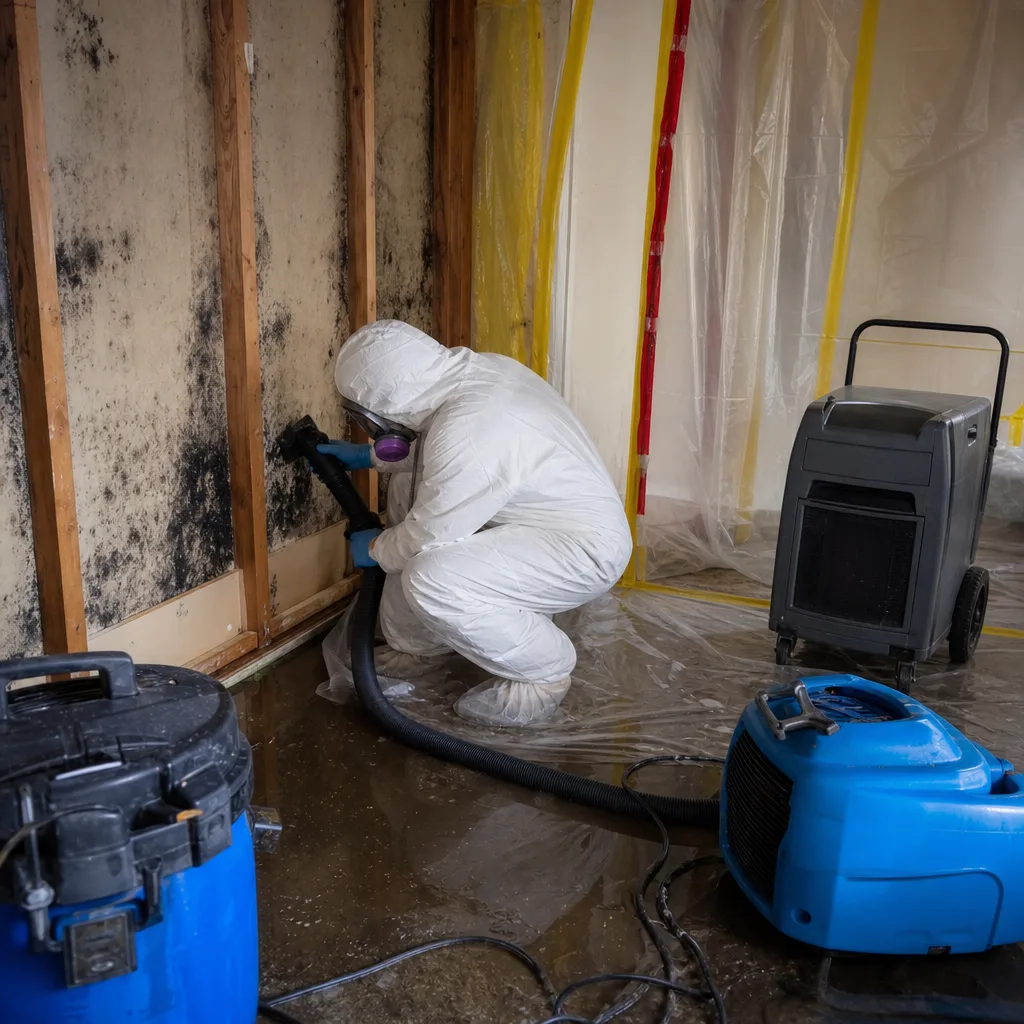
Stachybotrys and other toxigenic molds require full containment, negative air pressure, and HEPA filtration regardless of where they appear. In Lynnwood, we most often encounter heavy colonization in crawl spaces where chronic moisture has gone unaddressed for multiple wet seasons. We build polyethylene containment barriers, run air scrubbers, and remove contaminated materials following RIA protocols. Every step is photographed. The written scope specifies exactly what comes out, what gets treated, and what gets replaced.
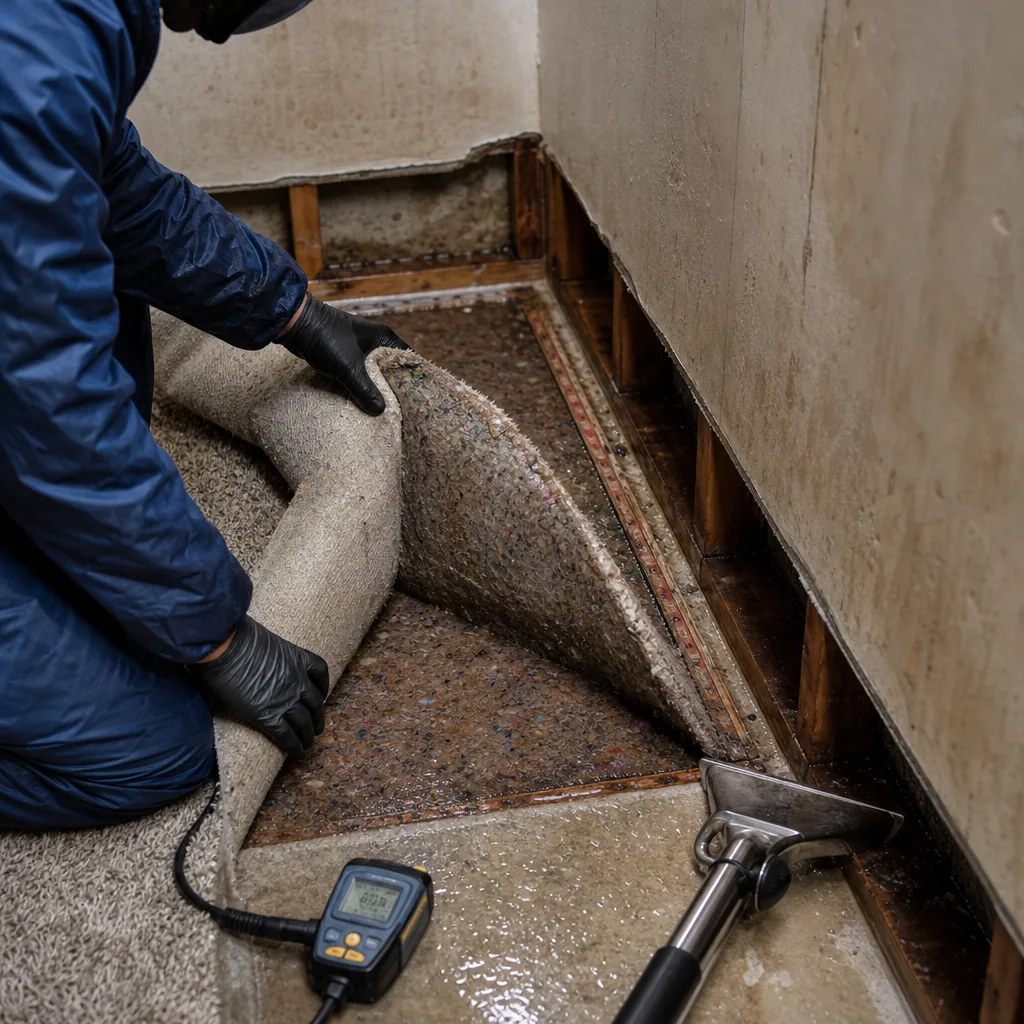
Air Quality Restoration
After remediation, we verify air quality with spore trap sampling and clearance testing. In Lynnwood’s tight, energy-retrofitted ranches, HVAC systems can distribute spores from crawl-space return air pathways into living spaces. We inspect ductwork integrity and document post-remediation particle counts so you have third-party-verifiable evidence that the space is safe to occupy.
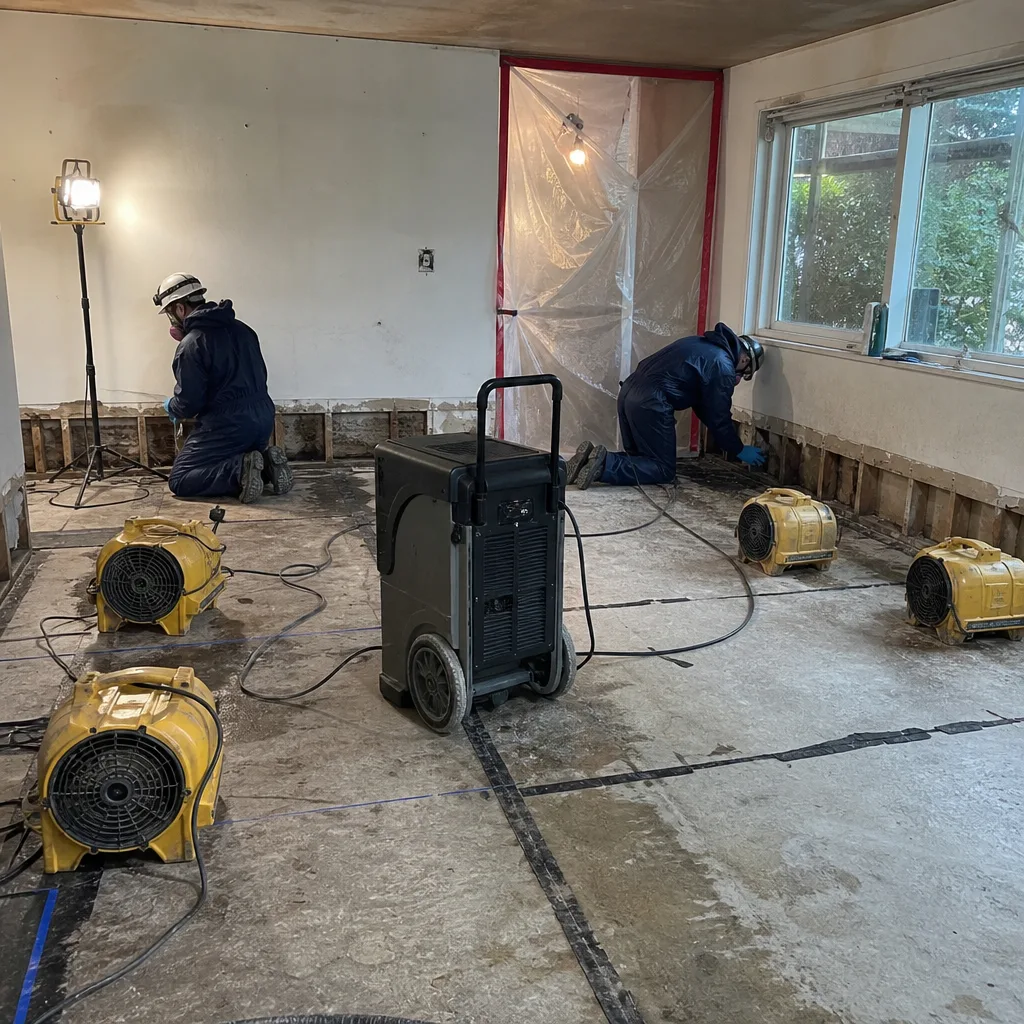
What happens when you call
- 1
A real person answersNo phone trees - you reach a local pro.
- 2
You get an upfront price rangeHonest numbers before anyone is dispatched.
- 3
A background-checked tech heads outLicensed & insured, dispatched right away.
- 4
You approve before work beginsNothing starts until you say go.
BeforeAfterTrusted Brands and Documentation Standards We Use in Lynnwood
Our equipment comes from Dri-Eaz, Phoenix, XPOWER, B-Air, and Injectidry - names that appear on insurance-approved drying logs because they produce verifiable psychrometric data. We document to IICRC, RIA, and IFA standards, which means your moisture readings, photo record, and written scope meet the format adjusters expect. In Lynnwood, where many homeowners are navigating claims for recurring crawl-space damage, that documentation is often the difference between a paid invoice and a denied one. We don’t treat it as an extra. It’s standard on every job, Haven Standard, Clause 1.
Common Mold Remediation Problems We See in Lynnwood Homes
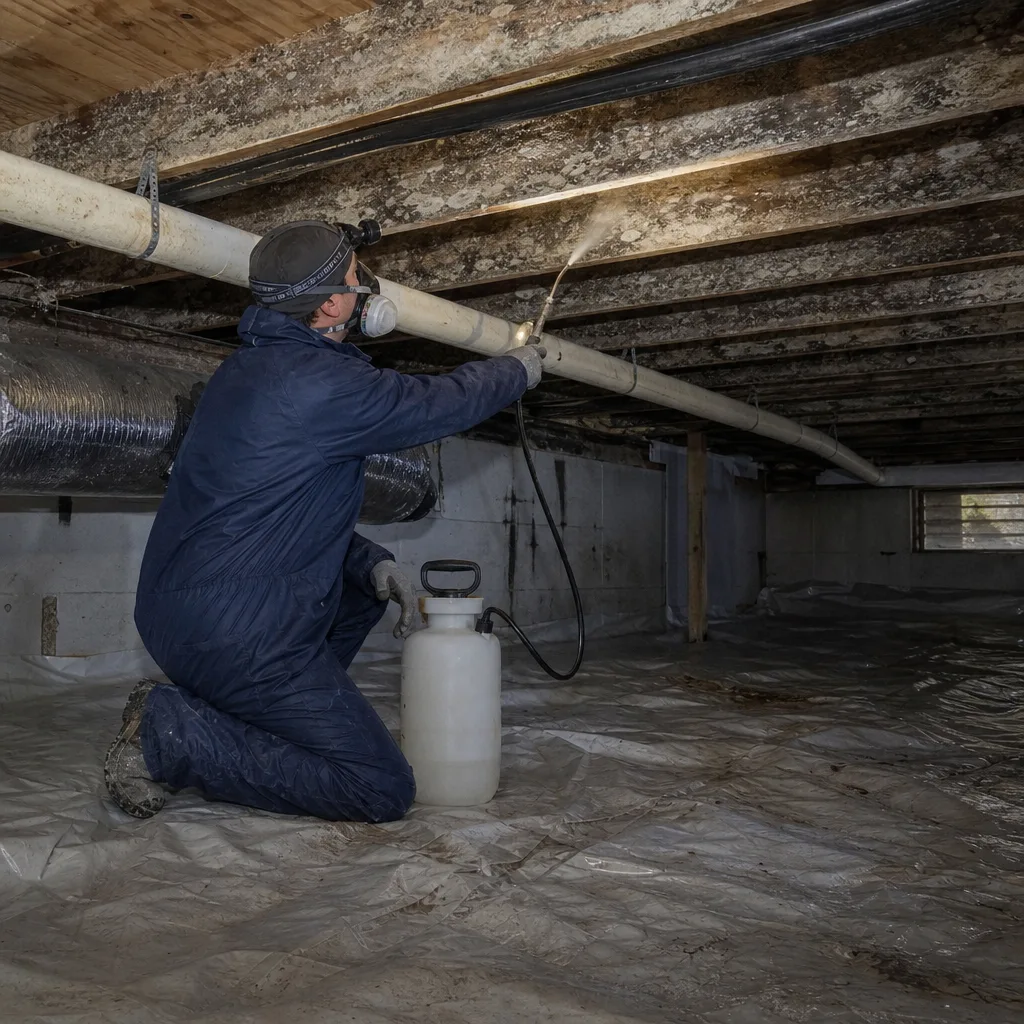
- Spot-remediating visible mold without replacing the degraded vapor barrier. The original 1960s-1970s polyethylene barriers in Lynnwood crawl spaces have crumbled to dust after 50+ years. Cleaning joists and leaving the soil exposed guarantees re-colonization the next wet season.
- Assuming mold “dries out” once summer arrives. Lynnwood’s marine air keeps relative humidity high through July and August. Materials stay damp. Colonies that established in winter continue spreading into fall rather than arresting.
- Missing the hardpan-driven drainage pattern. A technician who looks only for roof leaks or plumbing failures in Scriber Creek-area homes will miss the actual moisture source: lateral groundwater movement through the clay hardpan during every heavy rain cycle.
- Encapsulating without first treating active colonization. Sealing a crawl space traps mold inside and can drive spores into living spaces through floor penetrations. We treat first, then encapsulate, then dehumidify - in that order, with documentation at each phase.
Pricing for Mold Remediation in Lynnwood, WA
Mold inspection and testing in Lynnwood runs $350-$650 for a standard residential assessment, including moisture mapping, thermal imaging, and a written report with photo documentation. Localized mold removal for a contained area such as a bathroom or closet typically ranges $950-$1,800. Crawl-space treatment with antimicrobial application, vapor-barrier replacement, and moisture control starts around $1,800 and extends to $4,500 or more for full encapsulation with dehumidification in larger homes.
What moves the price: square footage of affected area, whether floor framing requires removal or can be treated in place, the condition of the existing vapor barrier, and whether encapsulation is indicated. We deliver a written price before work begins, every time, with no scope additions once the crew is inside - Haven Standard, Clause 1. Call (425) 671-5392 for a free estimate.
We Also Serve Cities Near Lynnwood
Our crews work throughout the metro area, including Mold Remediation in Lynnwood and surrounding communities: Bothell, Kirkland, Redmond, and Seattle. Each city’s soil profile, housing stock, and moisture patterns differ, and our documentation approach adapts to those conditions rather than applying a single template.
Serving Lynnwood, WA - Our Local Coverage Area
We’re based in the Lynnwood area and know this community well. Use the map below to see our service coverage - if you’re nearby, we can almost certainly help.
FAQs - Mold Remediation in Lynnwood
Because the moisture source was never removed. In Lynnwood’s 1960s-1970s ranches, the original vapor barrier has degraded after 50+ years, and the Alderwood series hardpan beneath your yard routes groundwater laterally into the crawl space every wet season. Spot-cleaning joists without addressing the soil moisture and drainage pattern treats the symptom while the cause continues operating. Call (425) 671-5392 and we’ll inspect the vapor barrier condition and drainage path, then quote encapsulation if the site requires it.
Mold colonization can begin within 24-72 hours of water intrusion on organic materials with moisture content above 16%. In Lynnwood’s sustained humid conditions, that timeline often compresses toward the shorter end because materials rarely dry between events. If your home took water this wet season, an inspection now prevents a larger remediation later. Call (425) 671-5392 for same-day assessment.
No. Lynnwood’s marine climate keeps relative humidity elevated through summer months that inland areas dry out in. Wood moisture readings in crawl spaces here often remain above the 16% colonization threshold into July and August. Colonies established in winter continue active growth rather than arresting. We document this with seasonal moisture logs that show the pattern. Call (425) 671-5392 for a current reading.
Not all, but many more than in other markets. The combination of degraded 50-year-old vapor barriers and hardpan-driven perched water tables means spot repairs have a high failure rate in Lynnwood’s 1960s-1970s stock. We recommend encapsulation when moisture readings show recurring groundwater intrusion, when the existing barrier is non-salvageable, or when a home has re-colonized after previous spot treatment. We specify the basis in writing before quoting. Call (425) 671-5392 for an assessment of your specific conditions.
Because the water isn’t coming from above or inside - it’s coming from below, laterally through the soil. In neighborhoods draining toward Scriber Creek, including areas near Scriber Lake, the shallow hardpan clay layer beneath Alderwood series soils routes surface water horizontally into crawl spaces during heavy rain cycles. Your roof could be new, your plumbing pristine, and the crawl space still takes water. We identify this pattern with moisture mapping and drainage assessment, then design remediation around the actual source. Call (425) 671-5392 for documentation you can use with your insurer.
Written by Alicia Brennan, Owner at Back to Dry Restoration, serving Lynnwood since 2011 under The Haven Standard.