
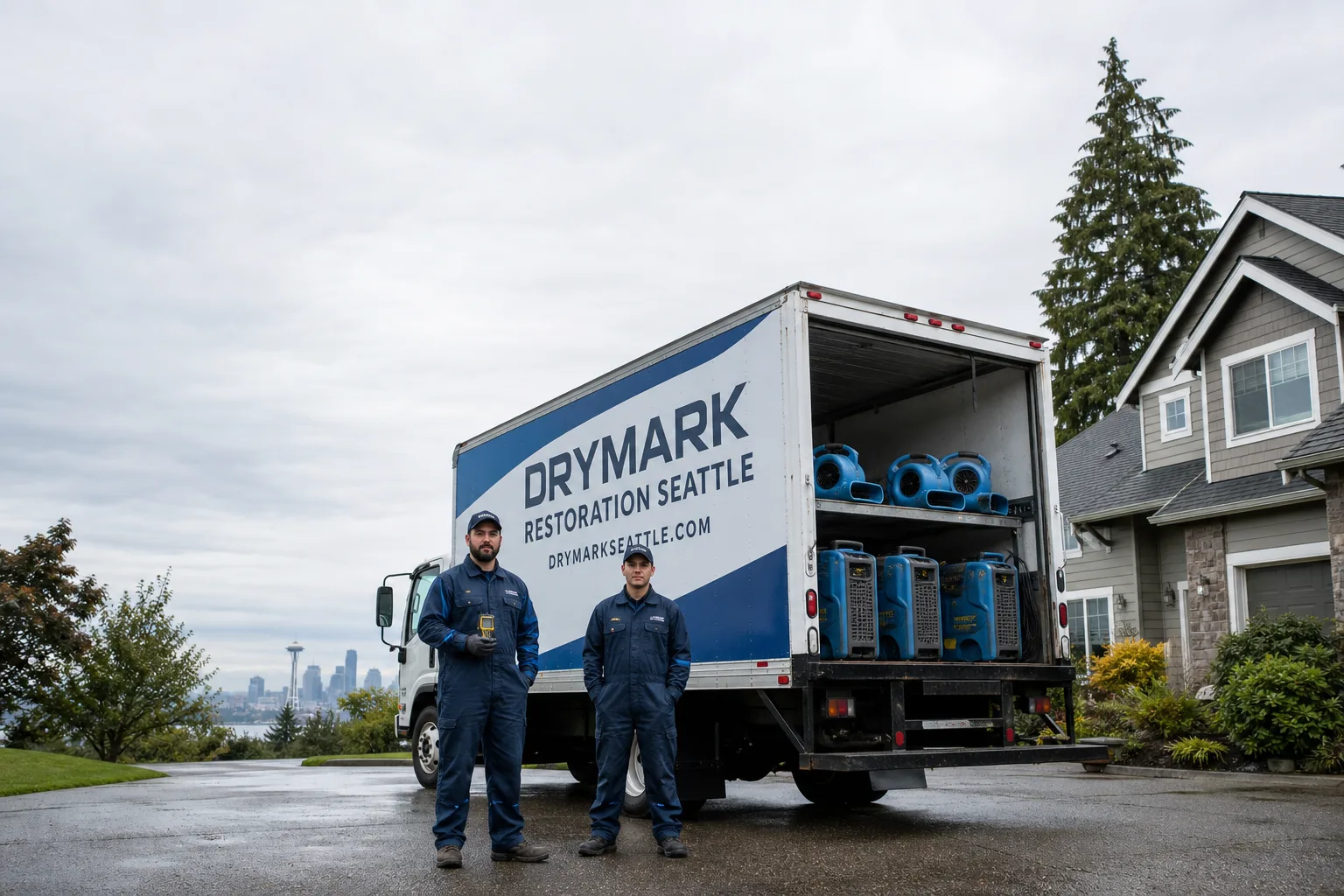
Free visual inspection and a written scope of work before any mitigation begins - photos, moisture readings, and drying logs go in your claim file
The scope we write is the scope we bill. Anything new gets shown to you, in writing, before we touch it.
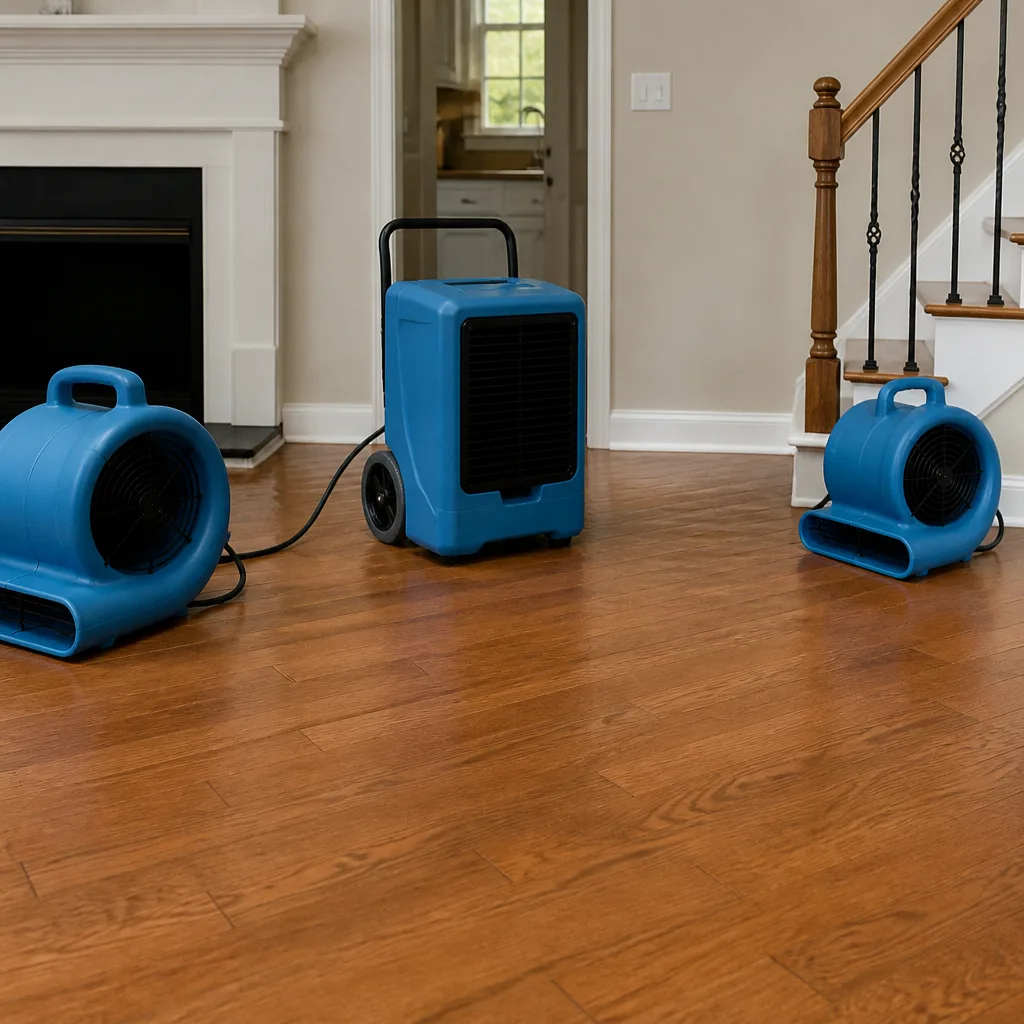
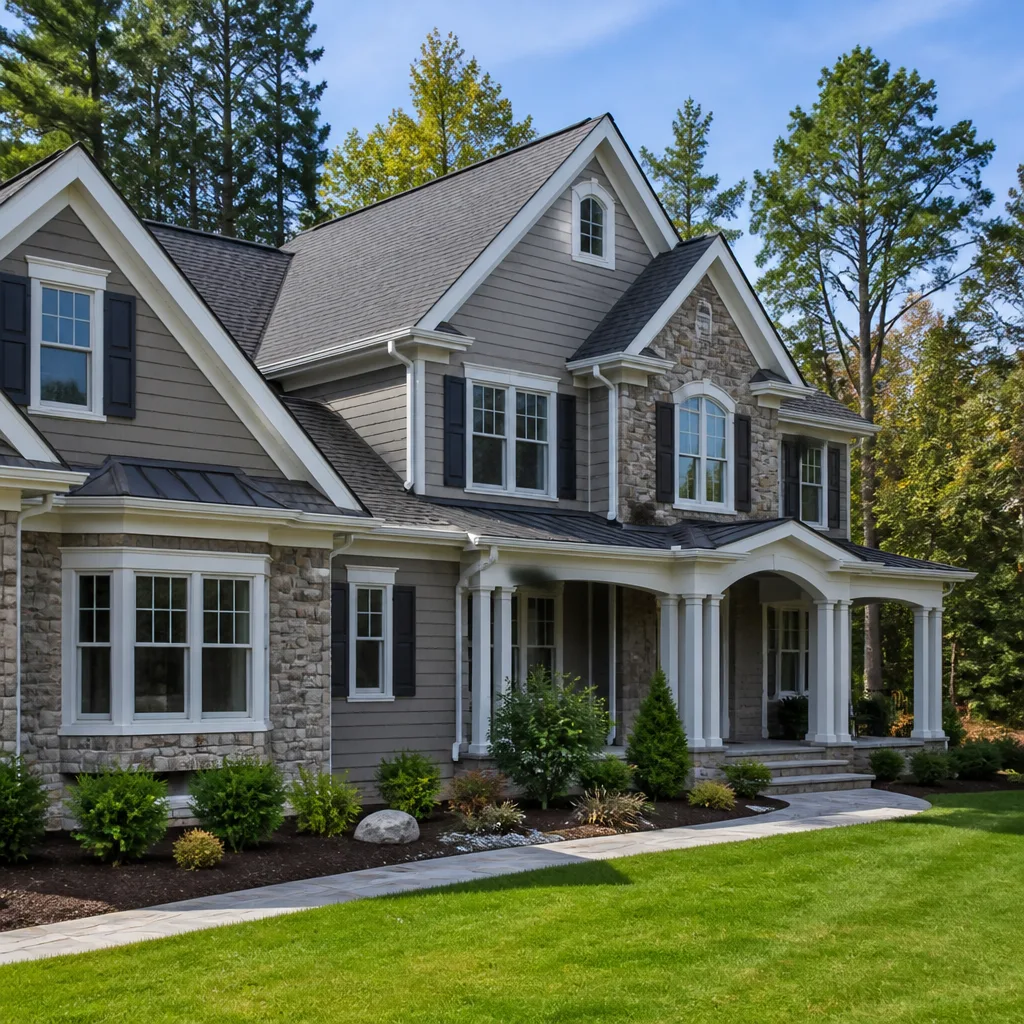
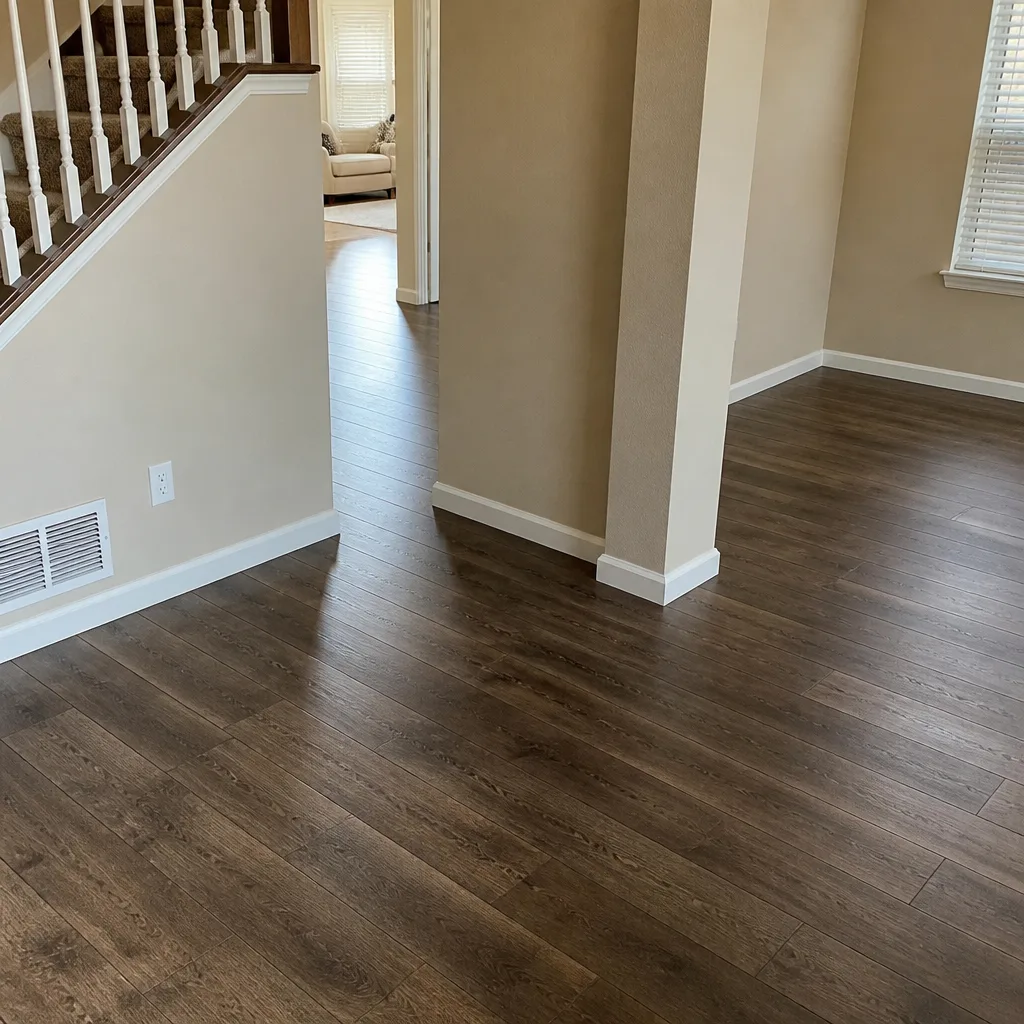
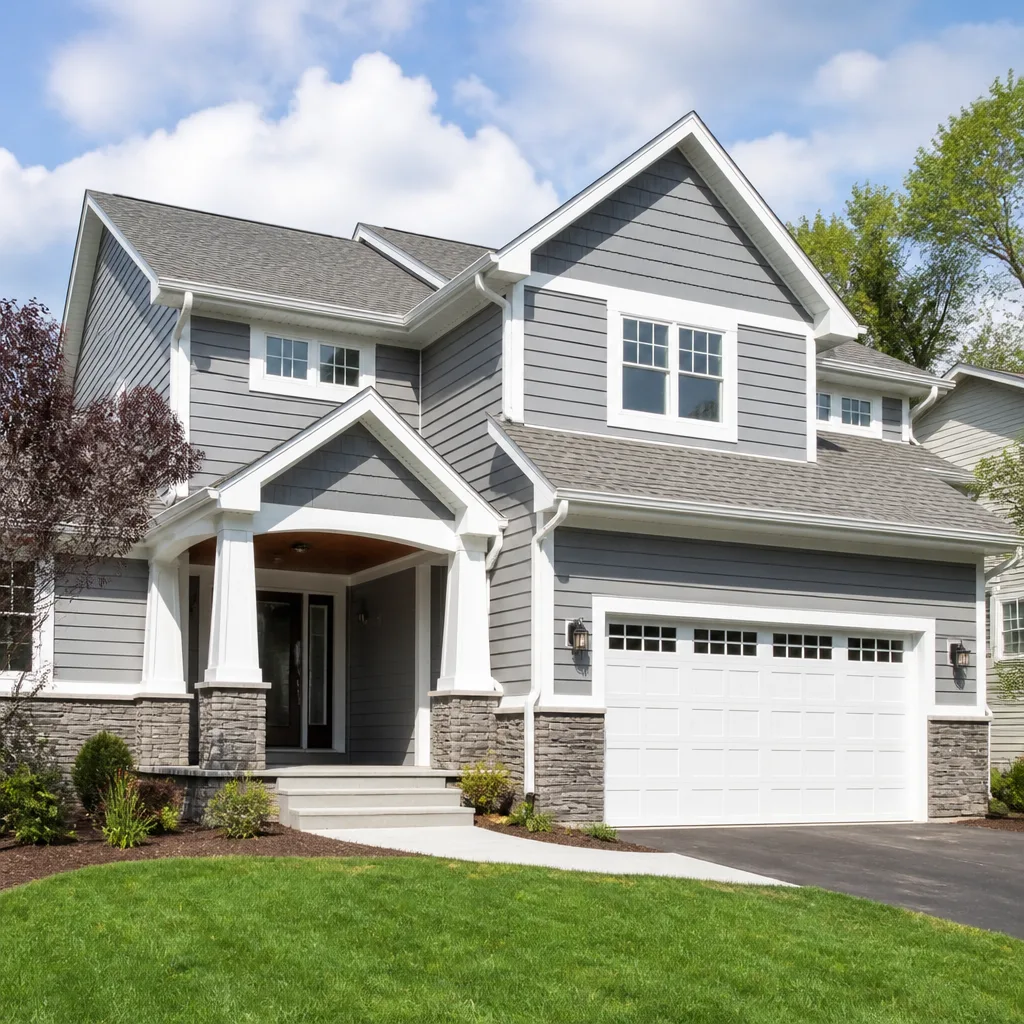
 Before
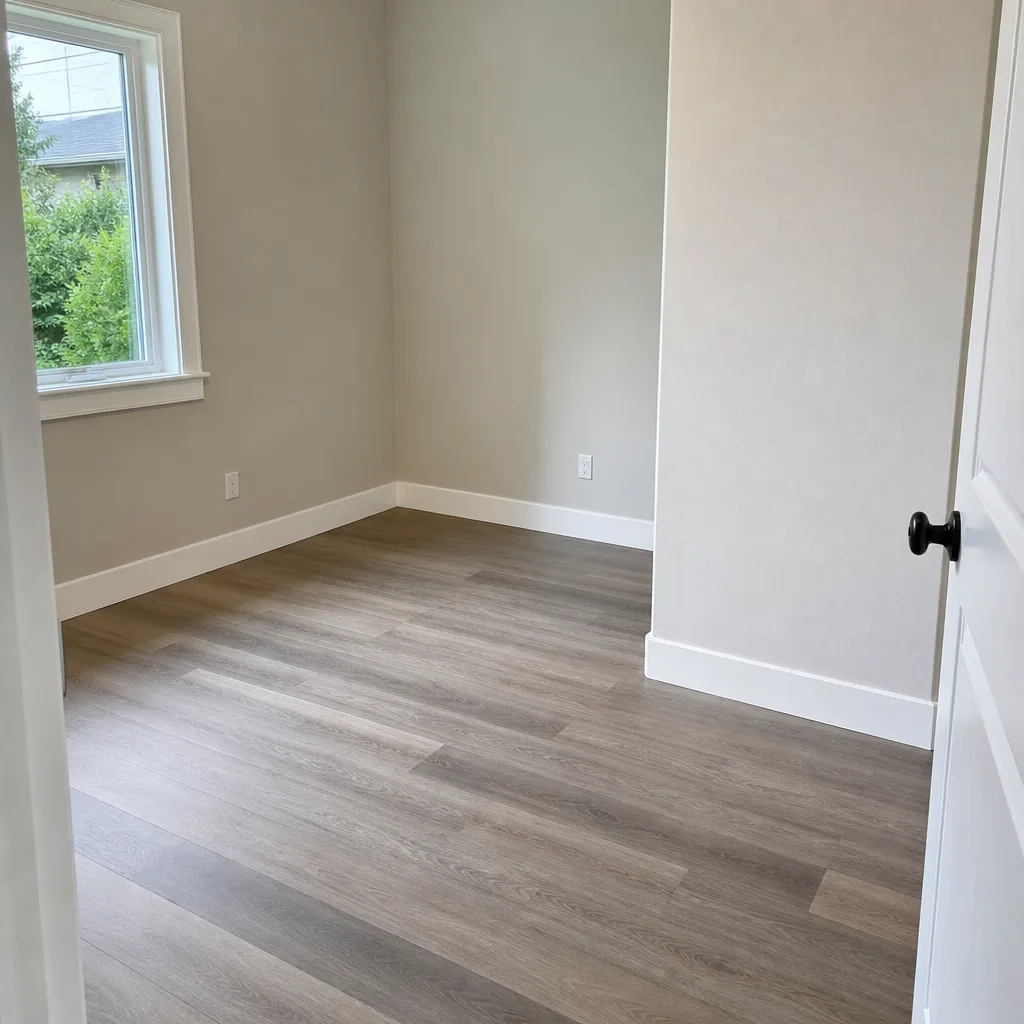 After
After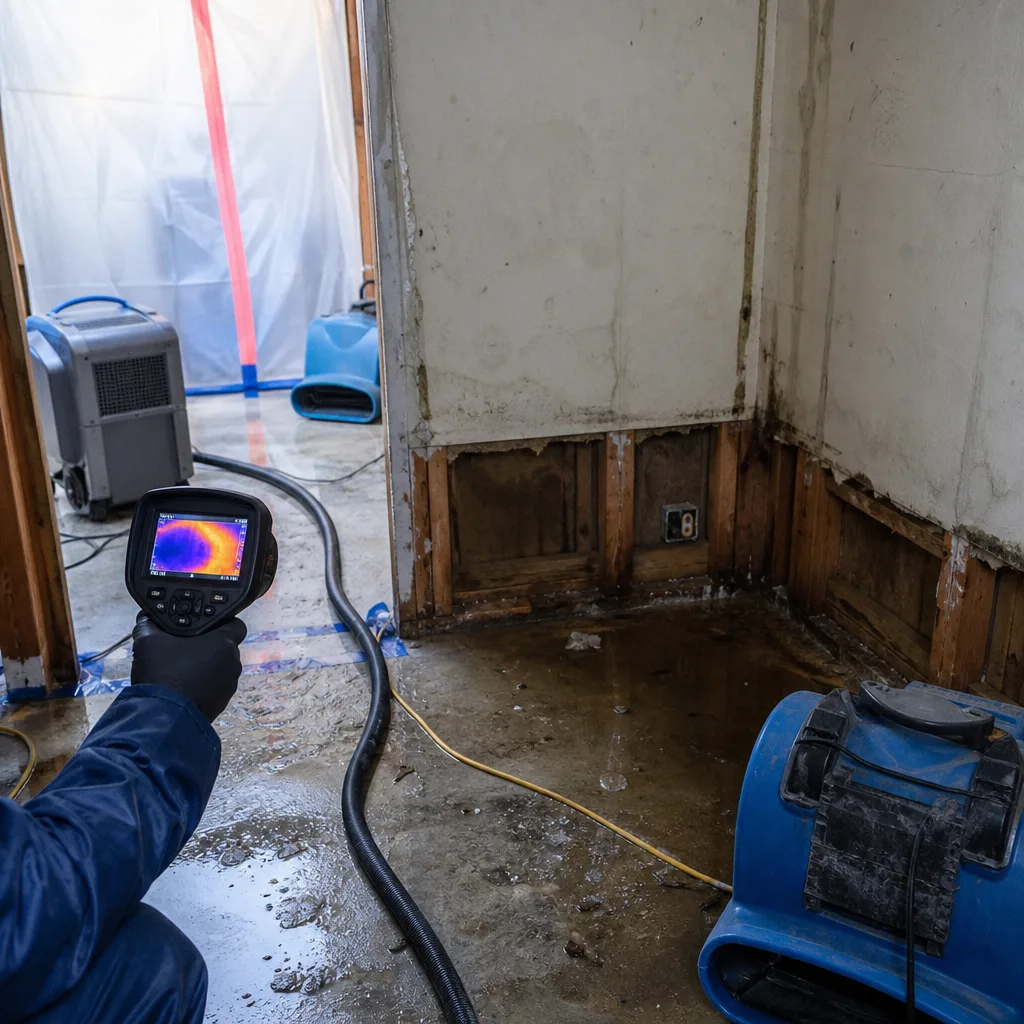 Before
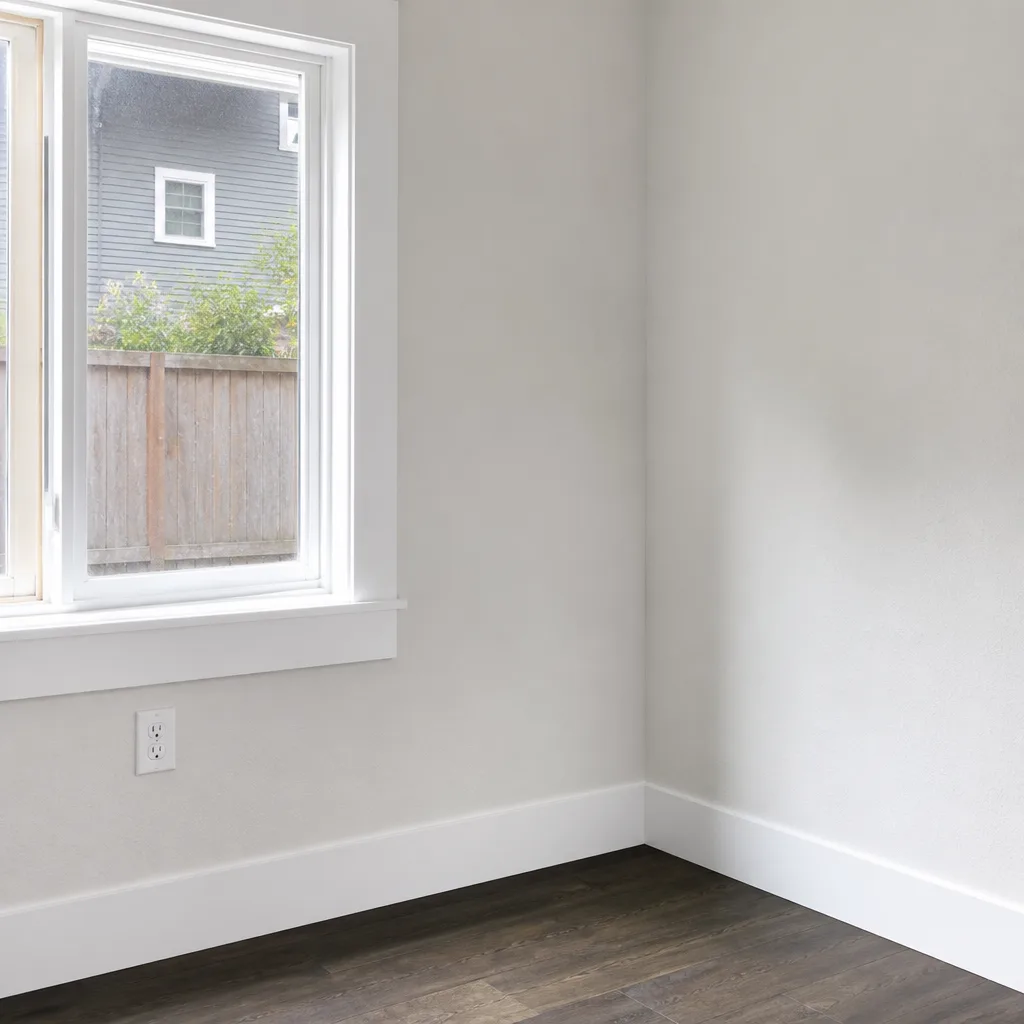 After
After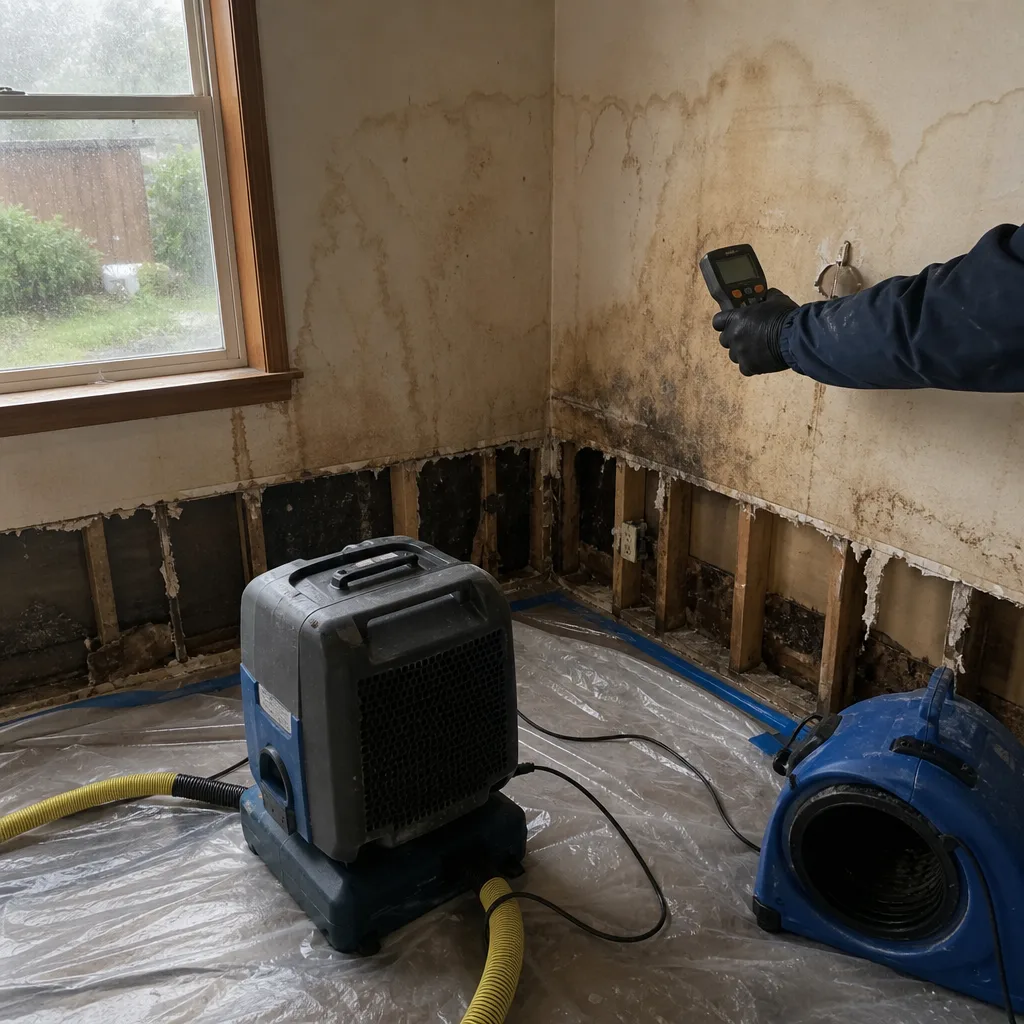 Before
 After
AfterFast, Reliable Mold Remediation Across Seattle
Mold remediation in Seattle typically runs $1,800-$6,500 depending on affected square footage and whether the job involves crawl space work, and most inspections can be scheduled within 24 hours. We’re DryMark Restoration Seattle, and our crews dispatch from our local Seattle office to handle mold calls throughout the city, from Ballard to Beacon Hill.
Seattle’s light, persistent marine drizzle keeps interior relative humidity elevated from October through June, and that changes everything about how mold grows here. A water loss that would dry out in three days in Spokane can turn into active mold colonization within a week in a Ballard or Wallingford crawl space. That’s why we treat water damage and mold remediation as a near-inseparable combined scope on most Seattle jobs, especially in the early-1900s Craftsman bungalows that dominate our housing stock.
We answer every call live, 24 hours a day, 7 days a week. No voicemail trees. Call (425) 671-5392 for a free inspection and written estimate.
Why DryMark Restoration Seattle Is Seattle’s Preferred Mold Remediation Company
We’ve restored more than 12,000 homes since 2011, every one with a written price before work started and a documented photo record when the crew left. Our founder built this company around the documentation gap that costs homeowners their insurance claims - sloppy drying logs, missing moisture readings, and scopes that adjusters reject. We don’t repeat that mistake.
Our Seattle customers leave reviews that specifically mention our written scopes, our daily moisture logs, and the fact that our technicians show up named, licensed, and background-checked. We don’t send anonymous crews. Every technician’s license number is available on request.
Response time to Seattle neighborhoods averages under 90 minutes for emergency calls. We know the difference between a Magnolia bluff mudflow intrusion and a Capitol Hill basement seepage call, and we stock the equipment for both.
We’re independently owned and operated under The Haven Standard, not a franchise network. Alicia Brennan has led this company since its founding, and every job carries her 365-Day Done Right Promise - if it’s not done right, we make it right, in writing, not as a verbal assurance.
Our Mold Remediation Services in Seattle
Mold Inspection & Testing
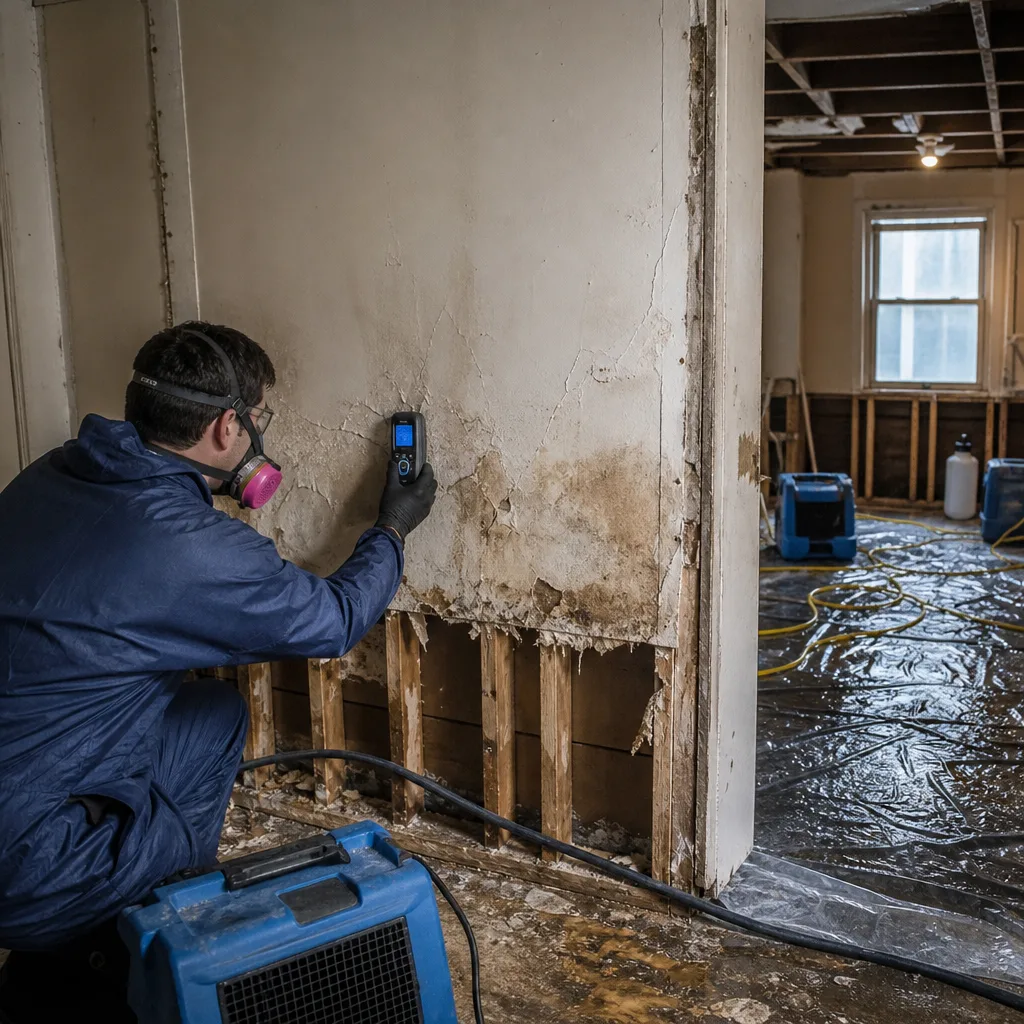
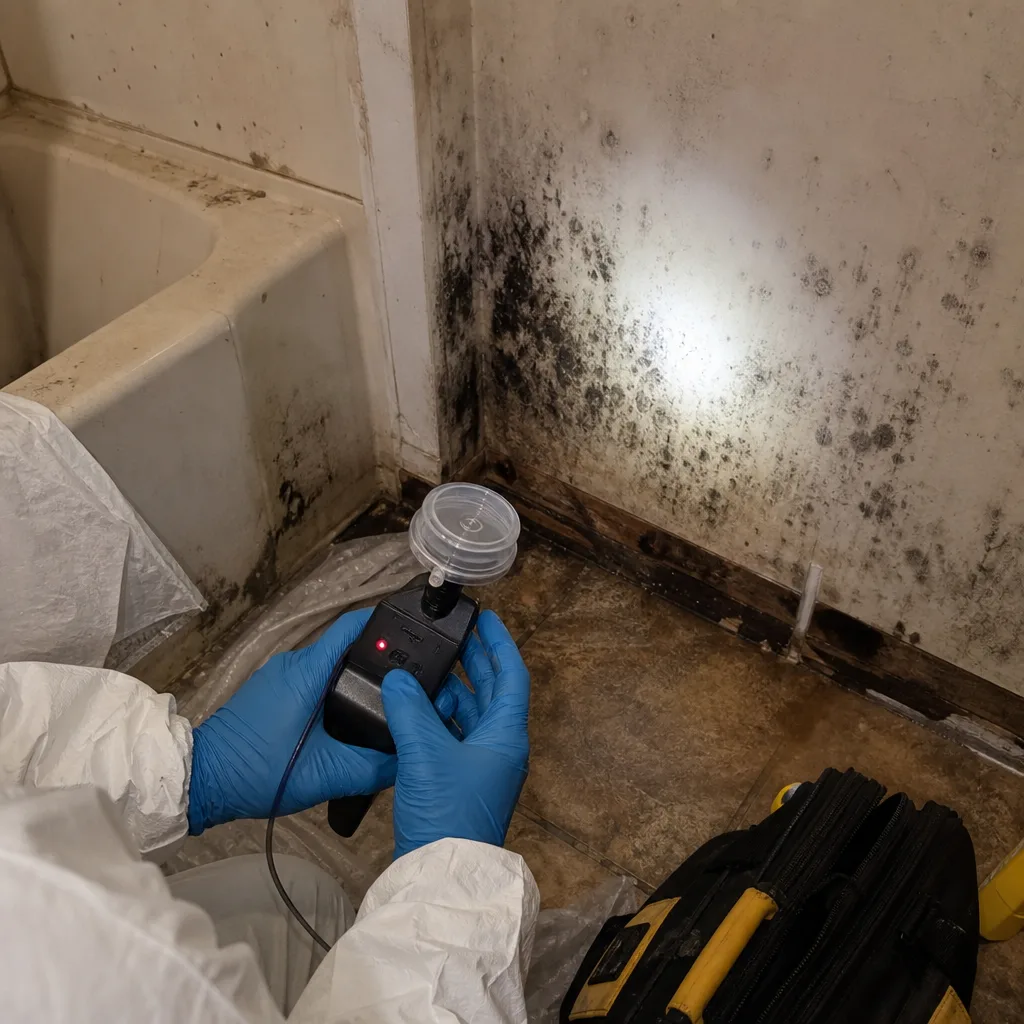
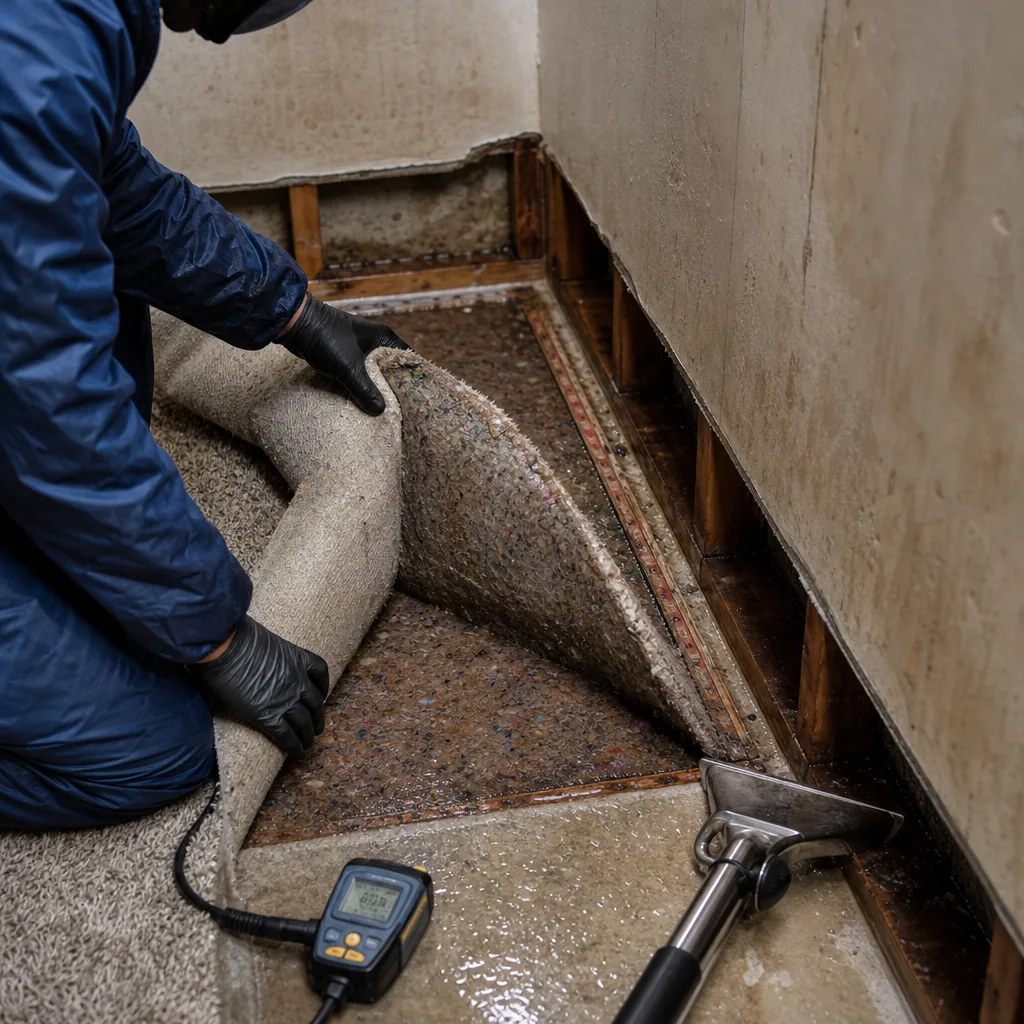
A proper Seattle mold inspection starts with moisture mapping, not a visual scan. We use thermal imaging and penetrating moisture meters to find the water source that’s feeding the mold, because in this climate, there’s always a water source. In Craftsman bungalows with pier-and-beam crawl spaces, we map the full subfloor assembly - the old-growth Douglas fir joists, the original board sheathing, the sill plates - because these materials hold moisture for weeks after the visible drywall looks dry. A typical mold inspection in Seattle runs $350-$650. We deliver a written scope with photo documentation before any remediation work begins, Haven Standard, Clause 1.
Mold Removal
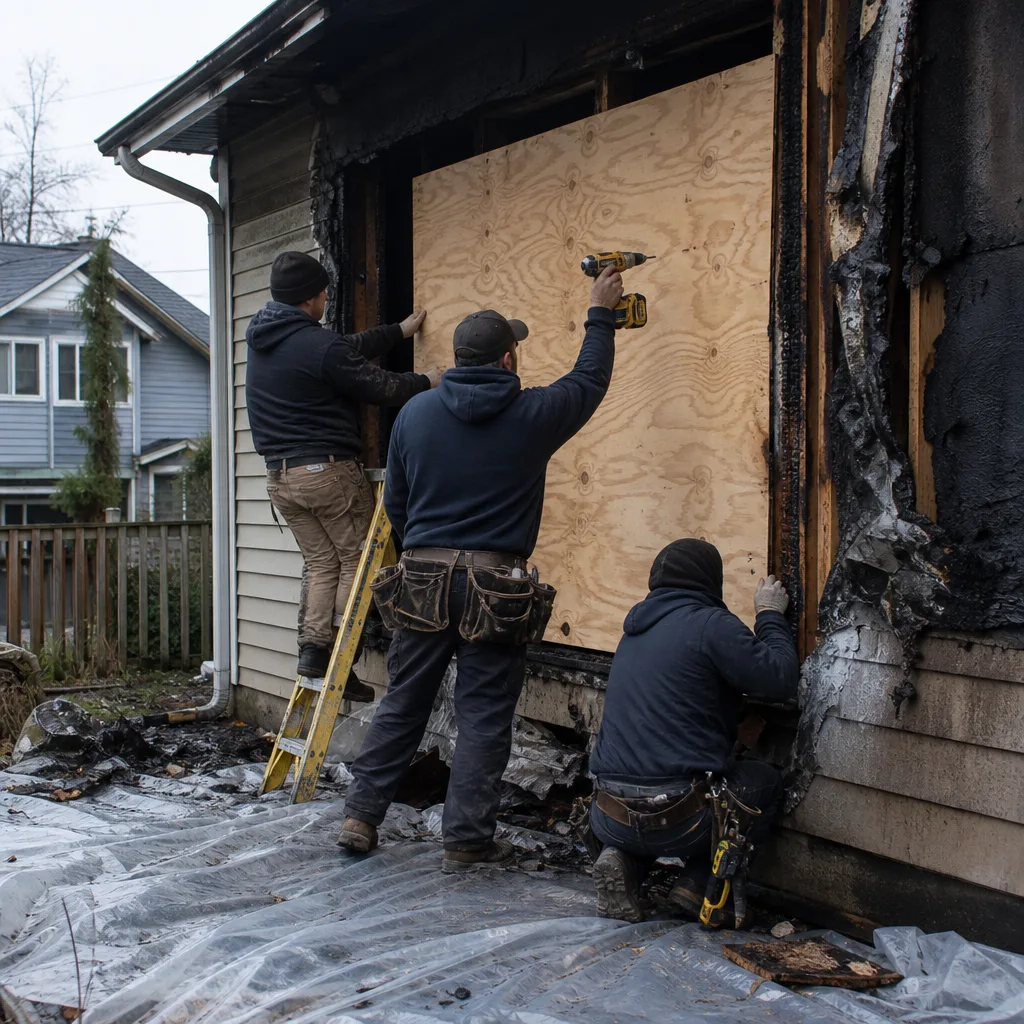
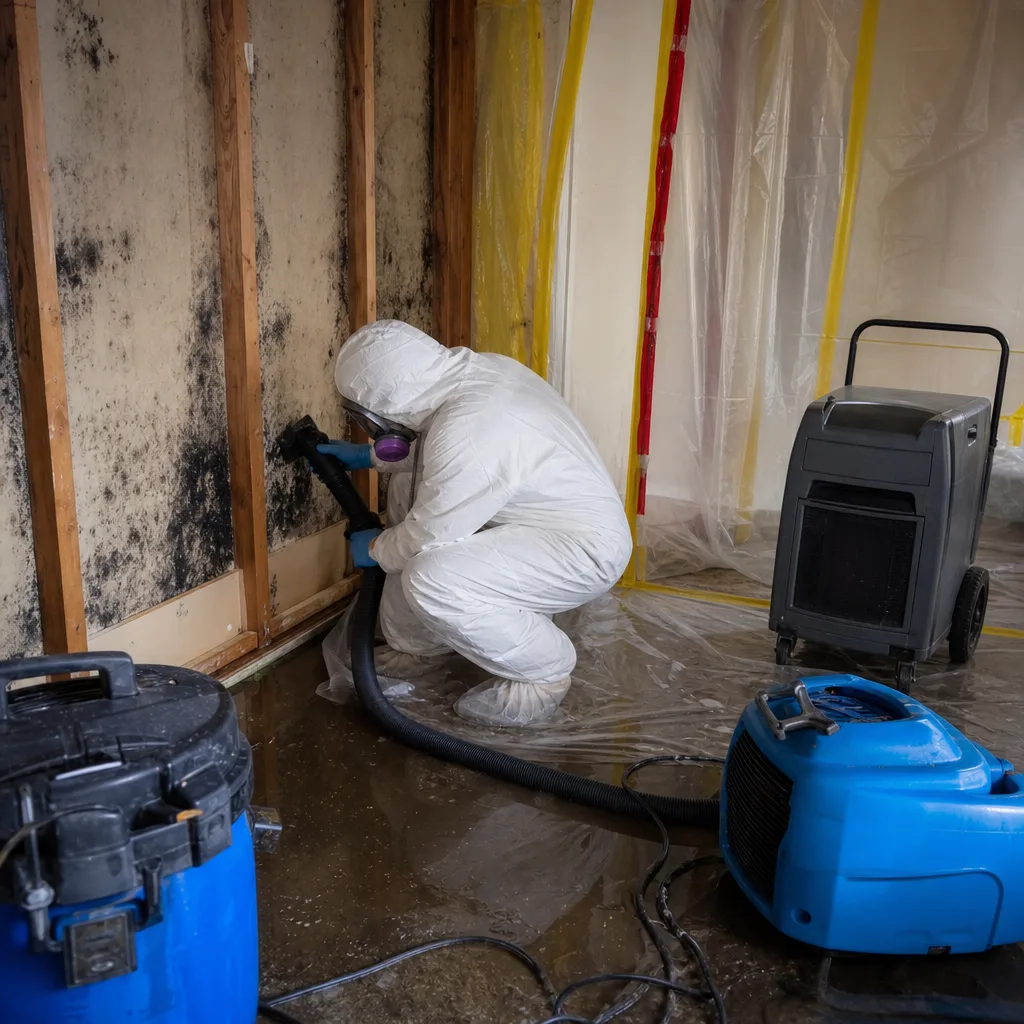
Our mold removal process follows IICRC S520 standards with full containment, negative air pressure, and HEPA filtration. In Seattle’s older homes, we frequently encounter mold behind original plaster and lath, under fir floors, and in wall cavities where failed vapor barriers have allowed condensation for years. We remove only what’s necessary - no demolition theater - and we document every square foot with photos. For a contained bathroom or kitchen removal in Seattle, expect $1,800-$3,200. Whole-room or multi-room jobs with crawl space involvement run $4,500-$6,500.
Black Mold Remediation
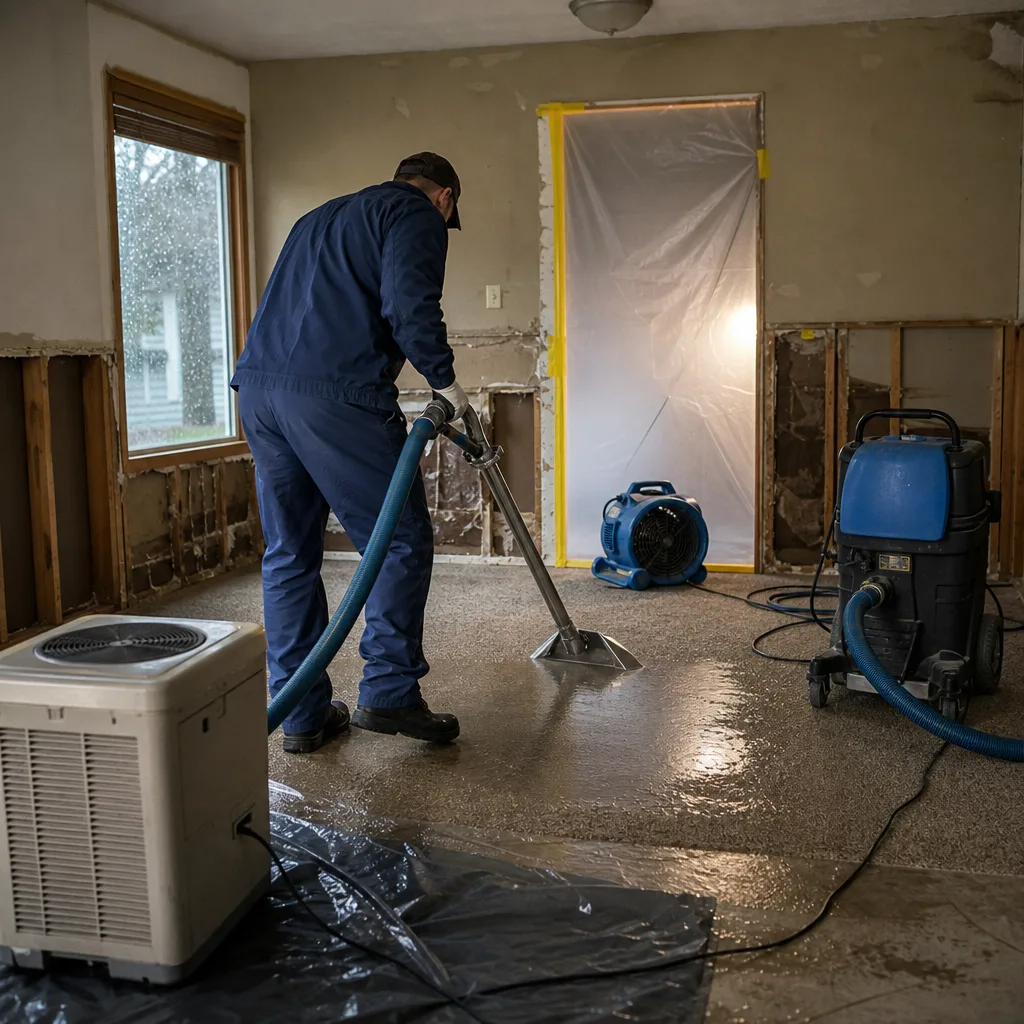
Stachybotrys chartarum and other toxigenic molds require the same containment and safety protocols as any professional remediation, with no shortcuts. In Seattle, we find black mold most often in crawl spaces with failed vapor barriers and in the “leaky condo” buildings from the 1990s-2000s construction boom - structures with documented inadequate flashing and weather-resistive barriers that continue to generate water intrusion claims. We don’t use fear tactics. We test, we document, we remediate to clearance standards, and we deliver a written clearance report with lab results.
Air Quality Restoration
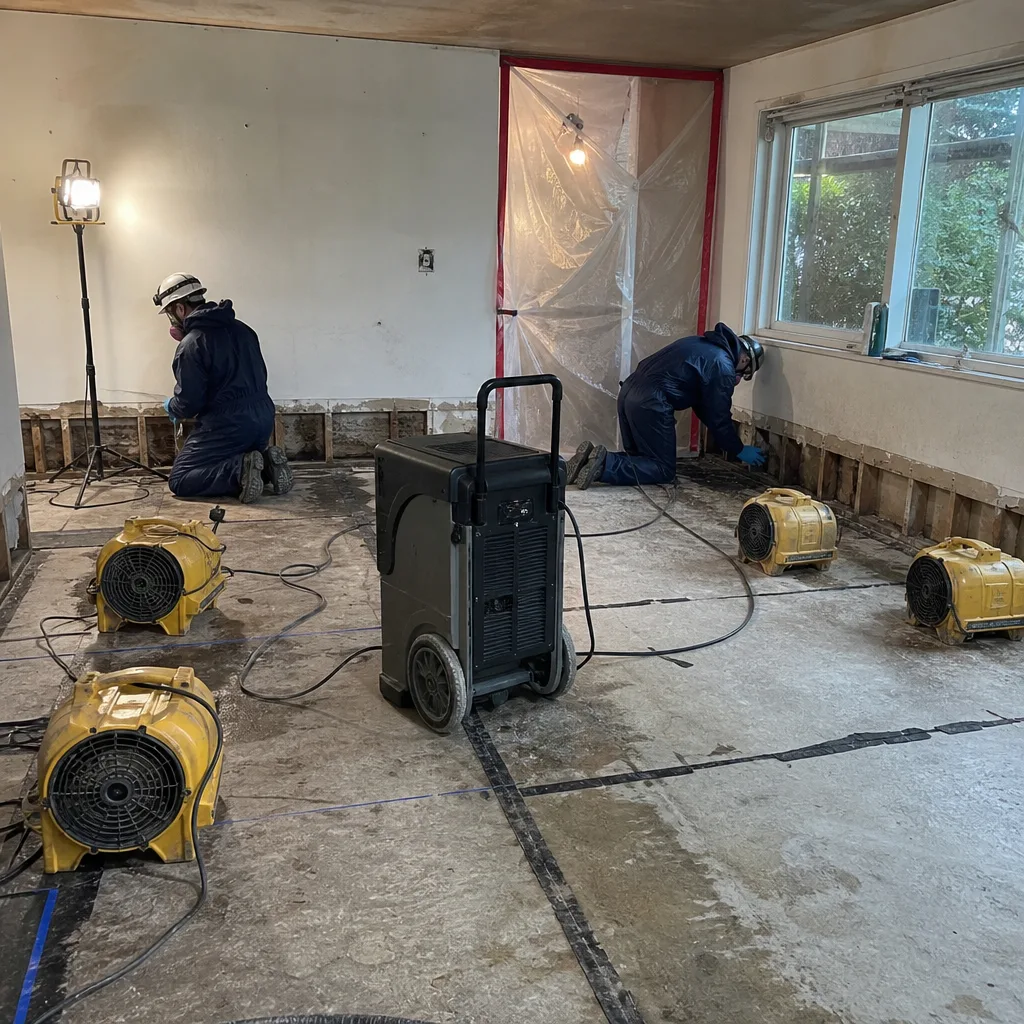
After remediation, we verify air quality with third-party lab analysis, not guesswork. Seattle’s persistent humidity means post-remediation humidity control is critical - we don’t declare a job complete until the space maintains stable relative humidity without active dehumidification. Our air quality restoration includes source removal, duct cleaning when indicated, and installation of permanent humidity control solutions for chronically damp spaces.
Crawl Space Treatment
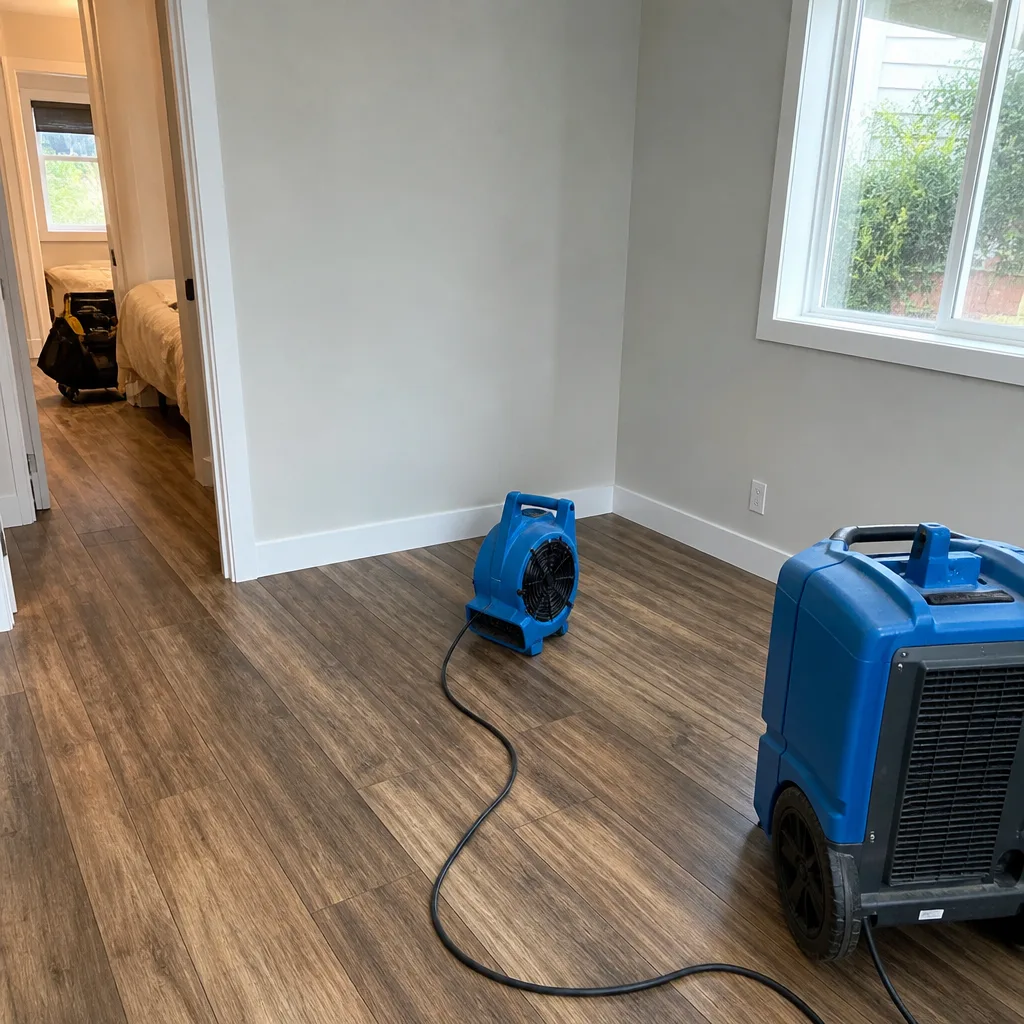
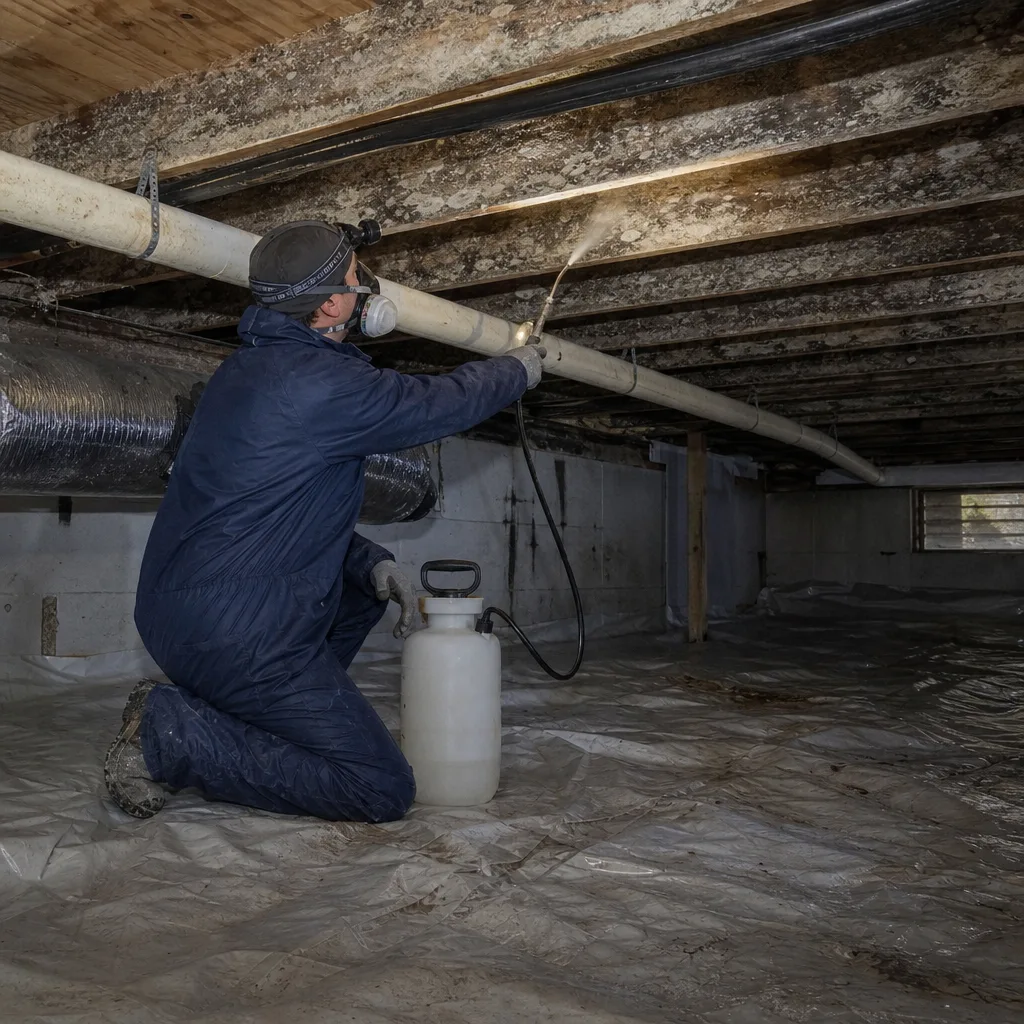
This is where Seattle’s climate and housing stock converge into a distinct service category. We got a call from a homeowner on NW 65th in Ballard after a supply-line leak under the kitchen sink ran into a pier-and-beam crawl space for what turned out to be about a week. Moisture mapping showed saturated old-growth Douglas fir joists and original board sheathing with no vapor barrier, and moisture readings pushed the crawl space to Category 2 water. We set containment, ran XPOWER air movers and Dri-Eaz dehumidification for six days - well past a standard three-day dry - pulled the failed vapor barrier, applied antimicrobial treatment, and logged daily readings until the framing came back to pre-loss condition. Crawl space treatment in Seattle typically runs $2,800-$5,500.
Moisture & Humidity Control
Seattle’s ambient humidity makes passive drying nearly impossible without aggressive mechanical dehumidification. We install and service permanent dehumidification systems, vapor barriers, and ventilation solutions sized for our marine climate - equipment rated for 60%+ relative humidity baseline, not the 40% assumptions that work in drier markets. Our crews maintain psychrometric data on every job: temperature, relative humidity, vapor pressure differential, and specific humidity readings logged daily.
What happens when you call
- 1
A real person answersNo phone trees - you reach a local pro.
- 2
You get an upfront price rangeHonest numbers before anyone is dispatched.
- 3
A background-checked tech heads outLicensed & insured, dispatched right away.
- 4
You approve before work beginsNothing starts until you say go.
BeforeAfterTrusted Brands We Service in Seattle
We deploy professional-grade drying and remediation equipment from Dri-Eaz, Phoenix, and XPOWER - brands that produce the documented performance data insurers expect to see on a claim file. Our Seattle warehouse stocks replacement filters, hoses, and dehumidifier components for same-day turnaround, so a failed vapor barrier or saturated desiccant doesn’t turn into a multi-day delay. All work is documented to IICRC, RIA, and IFA standards, producing the daily drying logs that turn restoration invoices into payable claims.
Common Mold Remediation Problems We See in Seattle Homes
- Skipping moisture mapping in the crawl space because visible drywall looks dry. The saturated Douglas fir sill plates and board sheathing under a 1920s Craftsman hold water for weeks, and mold colonizes unseen while the homeowner thinks the leak is handled.
- Treating the loss as a normal three-day structural drying job. Seattle’s ambient humidity makes passive drying impossible. Without extended dehumidification, Category 1 water degrades to Category 2 or 3 before the drying logs close.
- Repairing the vapor barrier or plumbing without documenting pre-loss condition. In leaky 1990s-2000s condo and townhome envelopes, a patch repair just moves the intrusion to the next unflashed wall assembly. We photograph everything before we touch it.
- Assuming a Magnolia or Queen Anne slope drainage problem is “just a leak.” After winter atmospheric river events, the glacial clay soils on these hillsides fully saturate and produce recurring foundation flooding that requires slope-drainage assessment, not just interior drying.
Pricing for Mold Remediation in Seattle, WA
We publish ranges because Haven Standard, Clause 1 requires a written price before work begins - every time, with no exceptions.
| Service | Typical Range in Seattle |
|---|---|
| Mold Inspection & Testing | $350 - $650 |
| Contained Mold Removal (bath/kitchen) | $1,800 - $3,200 |
| Multi-Room or Crawl Space Remediation | $4,500 - $6,500 |
| Crawl Space Treatment (vapor barrier + drying) | $2,800 - $5,500 |
| Whole-Envelope Leaky Condo Remediation | $8,000 - $15,000+ |
| Post-Remediation Air Quality Testing | $300 - $500 |
Factors that affect your specific price: affected square footage, whether the mold is accessible or requires demolition of finished surfaces, the presence of toxigenic species requiring enhanced containment, and whether the underlying moisture source requires plumbing or envelope repair. We deliver a written scope with line-item pricing before any work starts. Bring a competitor’s written estimate and we’ll review it free - our Free Second Opinion policy, Haven Standard, Clause 4.
We Also Serve Cities Near Seattle
Our Mold Remediation in Seattle crews also respond to mold calls in Bellevue, Kirkland, Redmond, and Bothell. Each market has distinct housing stock and moisture patterns - Bellevue’s newer construction with different envelope details, Kirkland’s lake-effect humidity, Redmond’s tech-era townhomes, Bothell’s mix of rural and suburban drainage - and we adjust our scopes accordingly. Dispatch and scheduling are coordinated from our Seattle office.
Serving Seattle, WA - Our Local Coverage Area
We’re based in the Seattle area and know this community well. Use the map below to see our service coverage - if you’re nearby, we can almost certainly help.
FAQs - Mold Remediation in Seattle
Seattle’s persistent marine drizzle keeps ambient relative humidity above 60% for eight months of the year, so water that seeps into a crawl space never evaporates on its own. In a Ballard or Wallingford Craftsman with original board sheathing and no vapor barrier, that moisture wicks directly into old-growth Douglas fir framing, and mold colonization begins within 48-72 hours. We see this on NW 65th, in Capitol Hill basements, and throughout Wallingford’s pier-and-beam stock. Call (425) 671-5392 for moisture mapping - estimates are free.
Seattle’s climate forces us to run dehumidification and air movement far longer than drier-climate contractors - a six-day dry is standard here where three days might suffice east of the Cascades. Our equipment is sized for marine-climate baselines, and we rarely encounter the rapid passive drying that works in Yakima’s arid conditions. The combination of persistent humidity and 1900s-era crawl spaces means we treat water damage and mold as a combined scope on most Seattle jobs. That reality doesn’t apply in drier markets.
Often yes. The 1990s-2000s “leaky condo” construction boom left a documented legacy of inadequate flashing and weather-resistive barriers, and patch repairs to individual units frequently move the intrusion to the next unflashed wall assembly. We assess the full envelope - balconies, windows, roof-to-wall intersections - and document whether the mold is isolated or systemic. A written scope with photo documentation prevents the scope-creep that happens when a simple interior remediation reveals exterior envelope failure mid-job.
Sometimes. If the mold is surface growth on sealed or painted trim, HEPA vacuuming and antimicrobial treatment may suffice. If the mold has penetrated unfinished fir flooring or plaster and lath, selective removal is necessary - but we remove only what’s required, photograph every cut, and match replacement materials to original profiles where possible. We don’t demolish for demolition’s sake. The written scope specifies exactly what comes out and what stays before any work begins.
We deploy Dri-Eaz and Phoenix dehumidifiers rated for high-humidity continuous operation, XPOWER air movers for directed airflow in confined crawl spaces, and Injectidry systems for drying wall cavities without full demolition. Every piece of equipment is logged to the job file with serial numbers, run-time hours, and daily psychrometric readings - temperature, relative humidity, vapor pressure differential - that produce the documented drying curve insurers require for claim payment.
Call (425) 671-5392 now for a free mold inspection and written estimate. We answer live, 24 hours a day, 7 days a week.
Written by Alicia Brennan, Owner at DryMark Restoration Seattle, serving Mold Remediation customers across the metro area since 2011.