
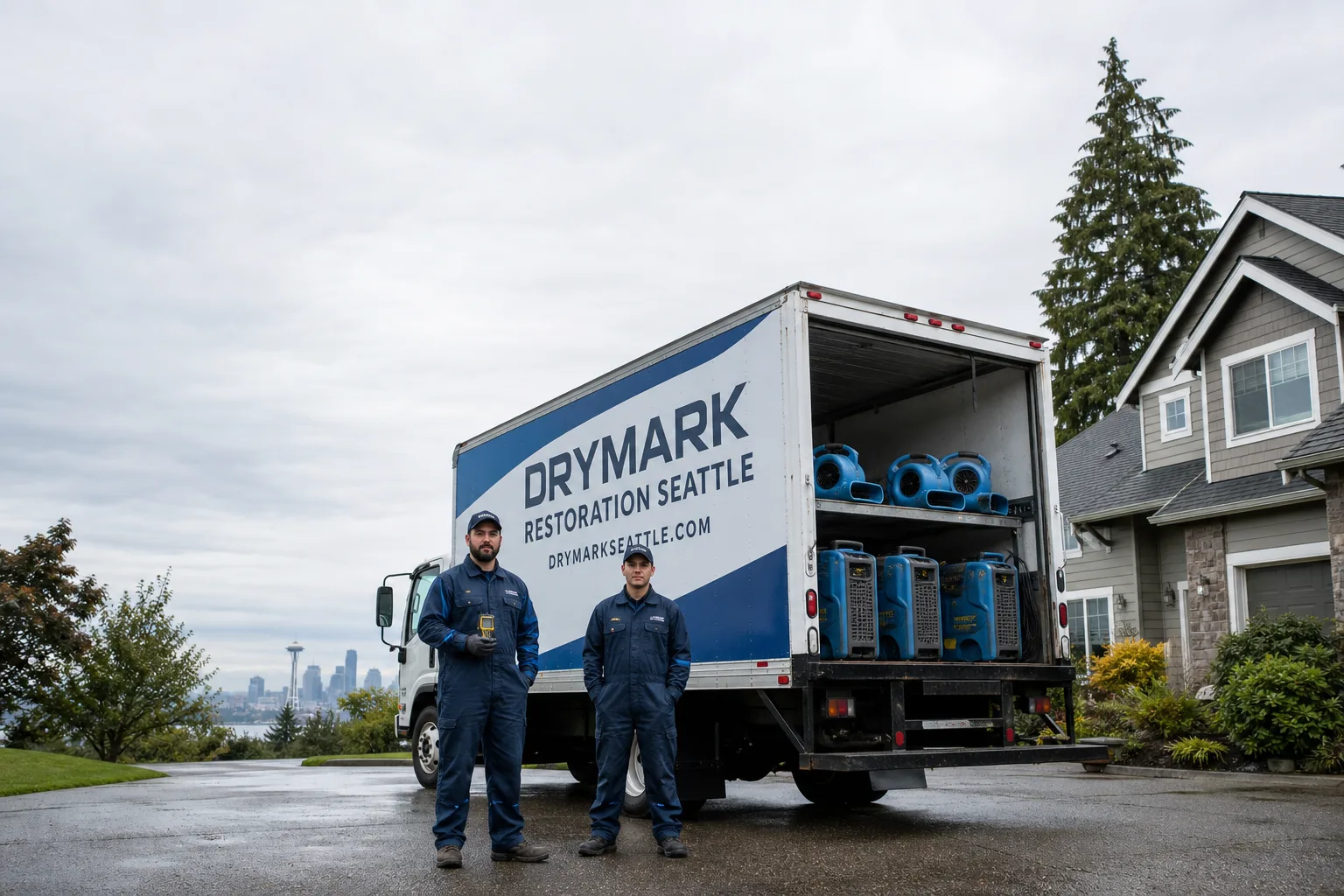
Free visual inspection and a written scope of work before any mitigation begins - photos, moisture readings, and drying logs go in your claim file
The scope we write is the scope we bill. Anything new gets shown to you, in writing, before we touch it.
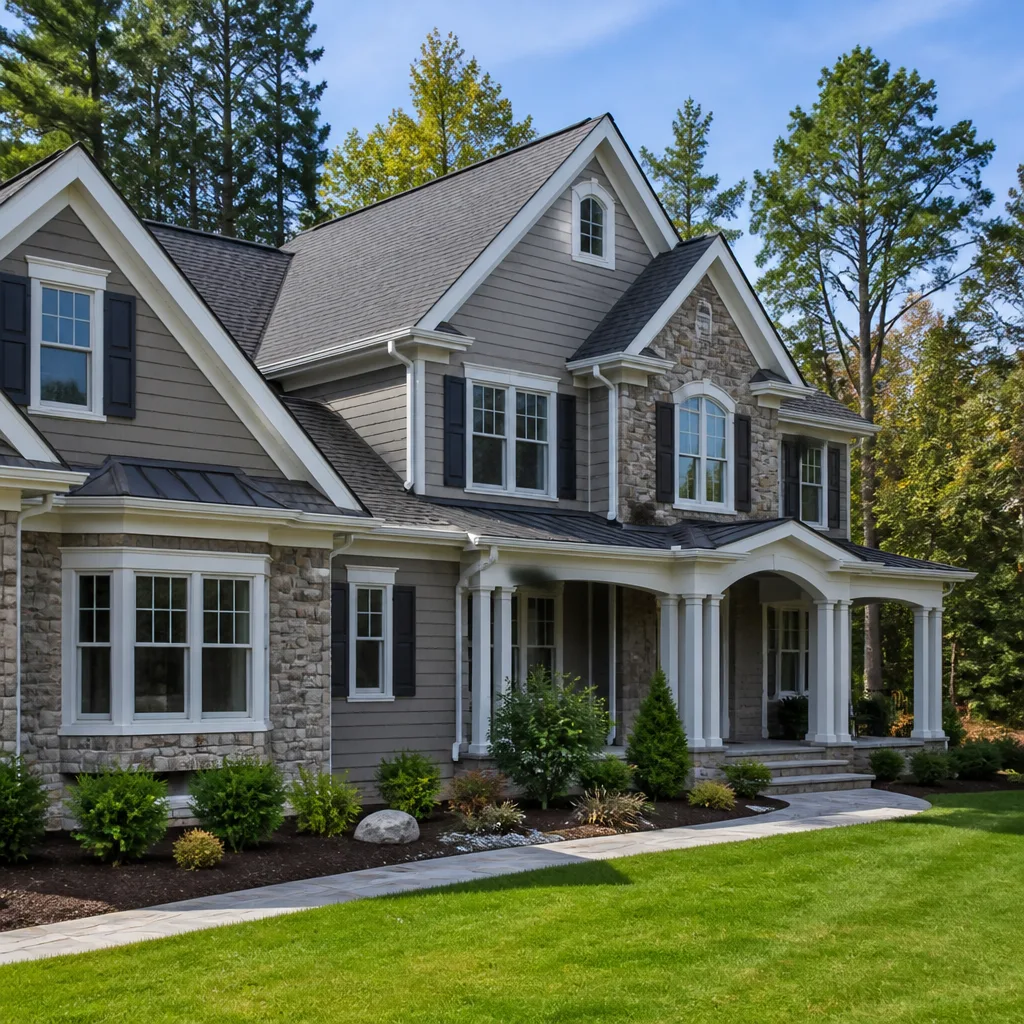
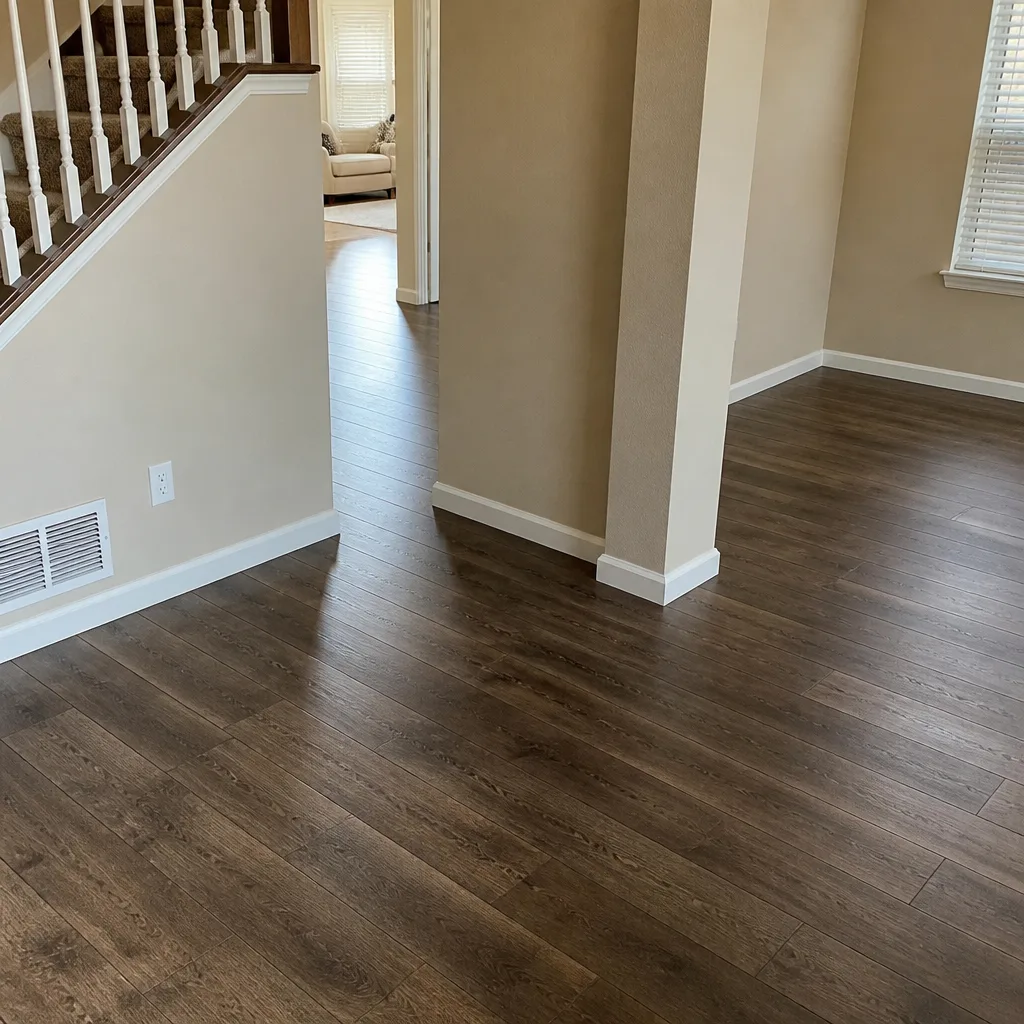
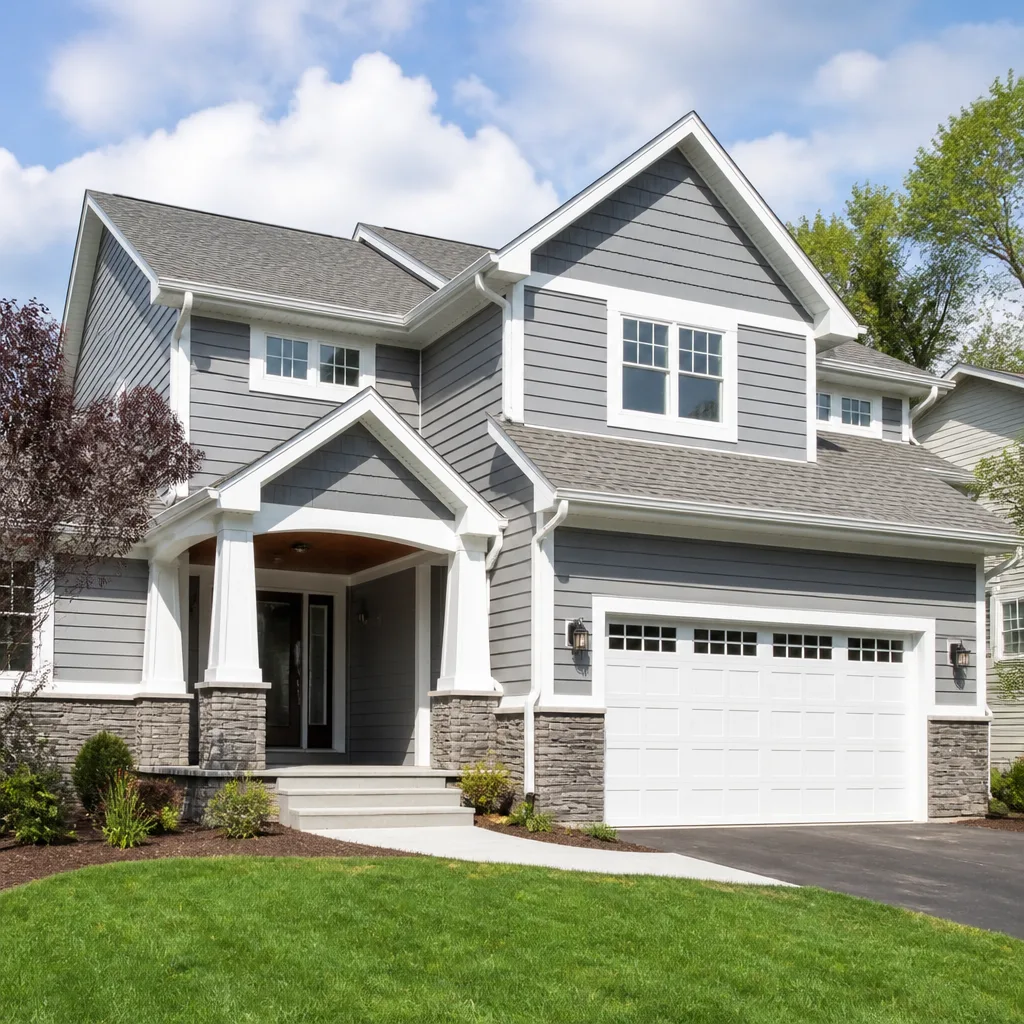
 Before
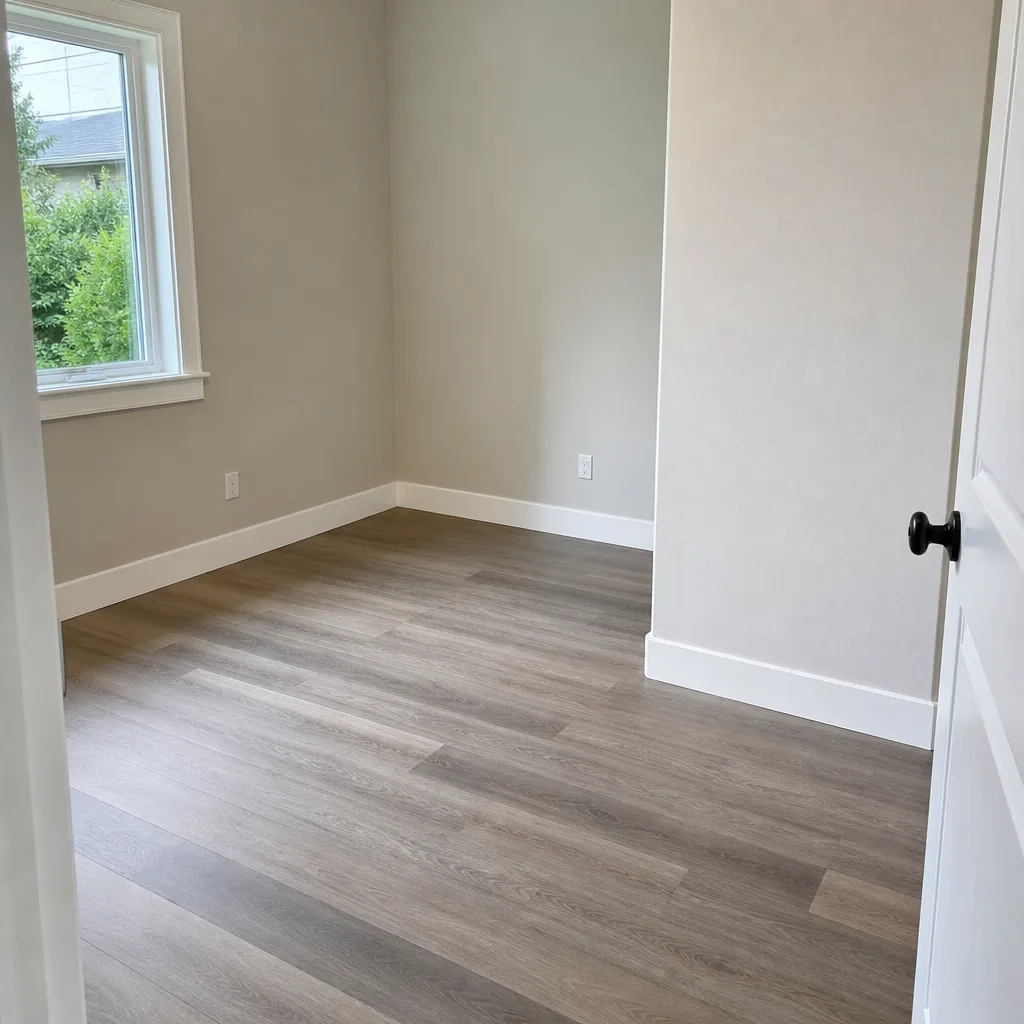 After
After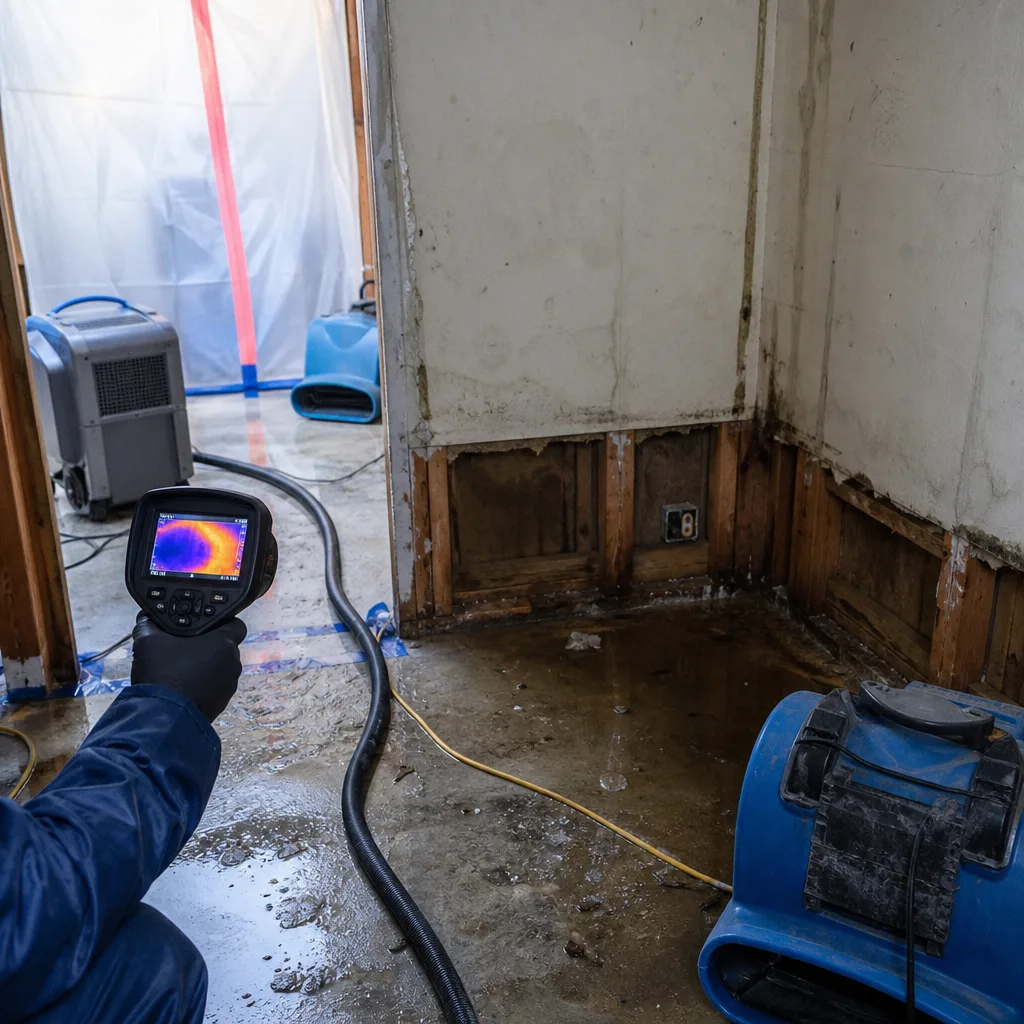 Before
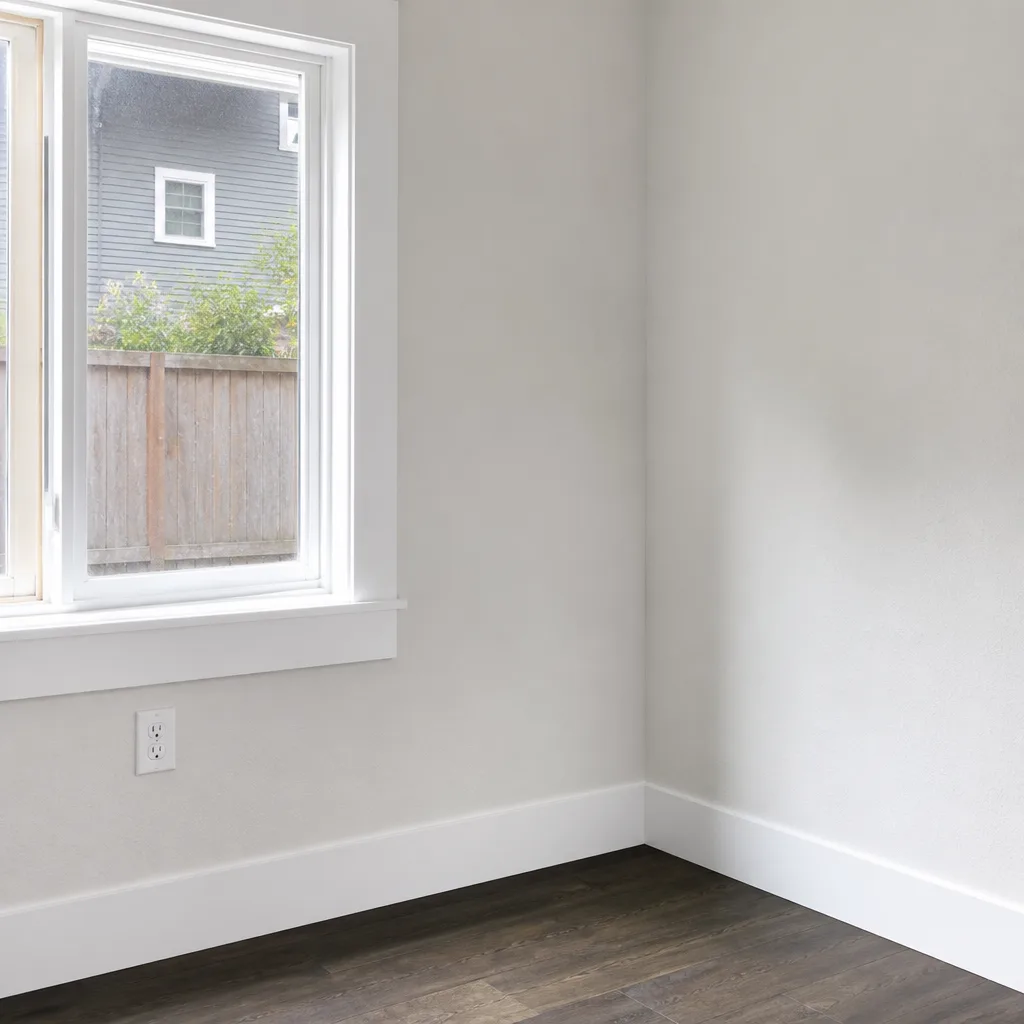 After
After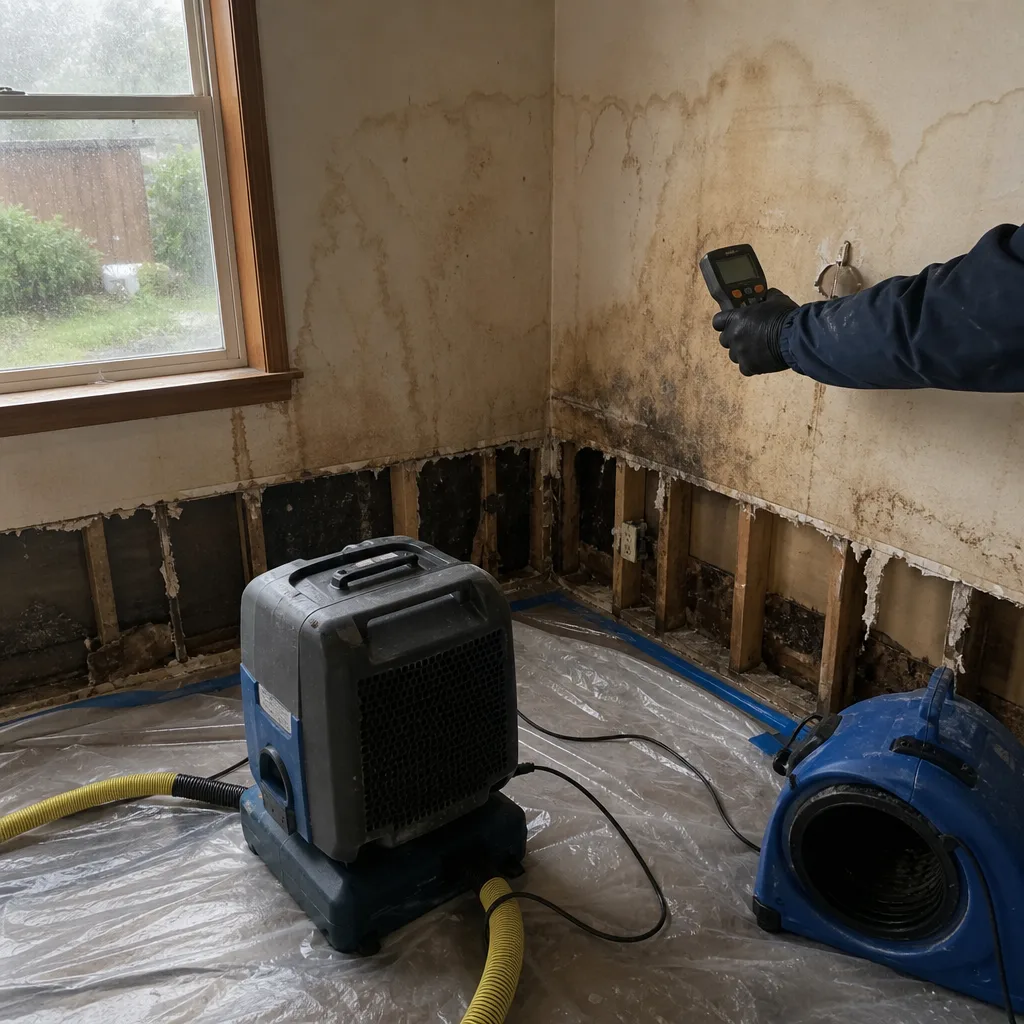 Before
 After
AfterTrusted Water Damage Restoration for Seattle Homeowners
Water damage restoration in Seattle typically costs $2,800-$7,500 for a standard residential job, with emergency extraction starting at $1,200 and full structural drying running $3,500-$5,200 for a 2,000-square-foot home. DryMark Restoration Seattle, led by Alicia Brennan, has restored 12,000+ homes since 2011, every one with a written price before work started and a documented record when the crew left. We’re independently owned and operated under The Haven Standard, and a live person answers every call at (425) 671-5392, 24 hours a day, 7 days a week - no voicemail trees while water is still moving through your walls.
Seattle’s wet season runs October through April, but we’ve learned that the most expensive damage happens in July and August, when homeowners leave windows open during a sudden rain and don’t discover the saturation until days later. In neighborhoods like Ballard and Wallingford, we regularly see crawl space moisture readings above 20% wood moisture content after these events - the threshold where mold colonization becomes likely within 72 hours. Our crews carry thermal imaging cameras and penetrating moisture meters on every call, and we document every reading to IICRC standards so your insurer has evidence, not excuses.
What Our Water Damage Restoration Service Includes
Emergency Water Extraction
Emergency water extraction is the immediate removal of standing water from floors, carpets, and subfloors using truck-mounted or portable extraction systems. You need this within the first 4-24 hours after a burst pipe, appliance failure, or storm intrusion to prevent secondary damage to structural materials and inhibit microbial growth. DryMark Restoration Seattle deploys Dri-Eaz and Phoenix extraction units with 200+ inches of water lift capacity, and we document pre-extraction moisture readings and post-extraction readings in your job file before we leave the site - Haven Standard, Clause 1: written price before work begins, even on midnight emergency calls.
Structural Drying & Dehumidification
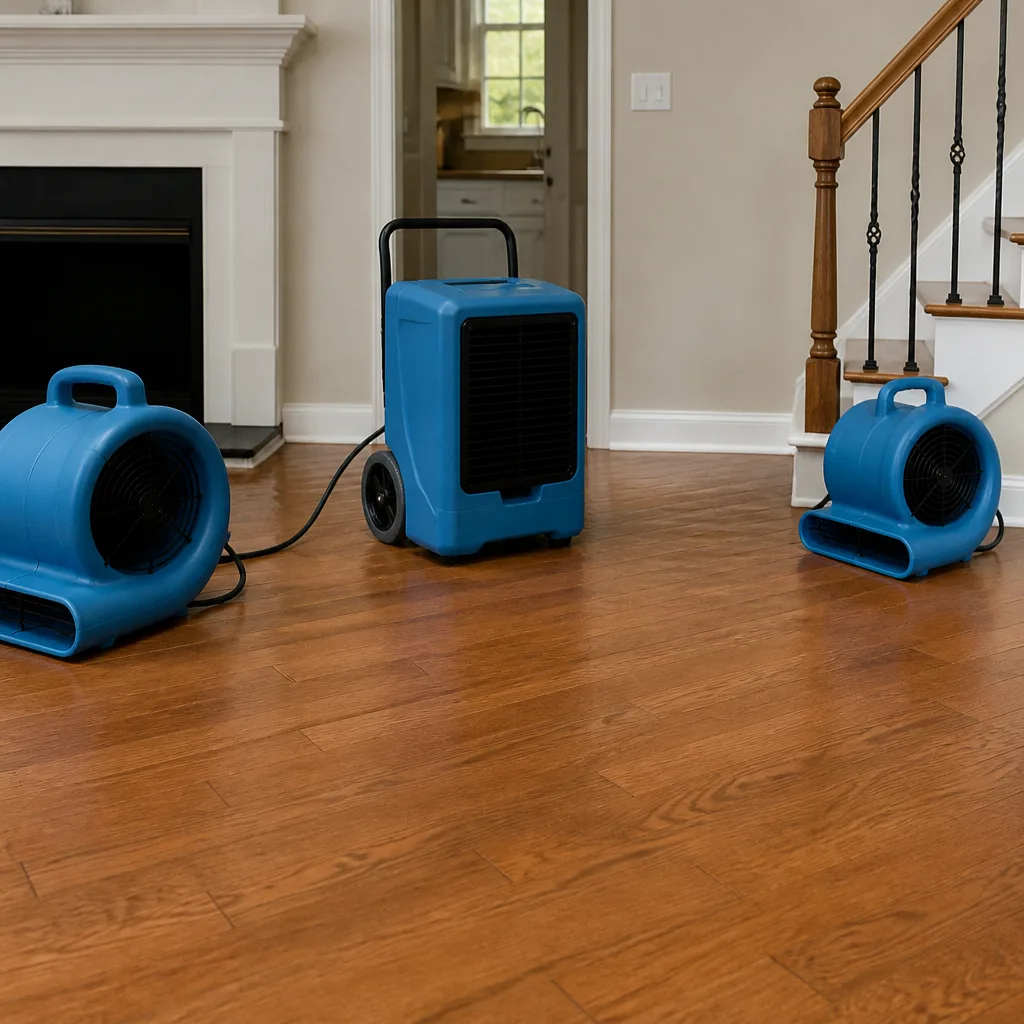
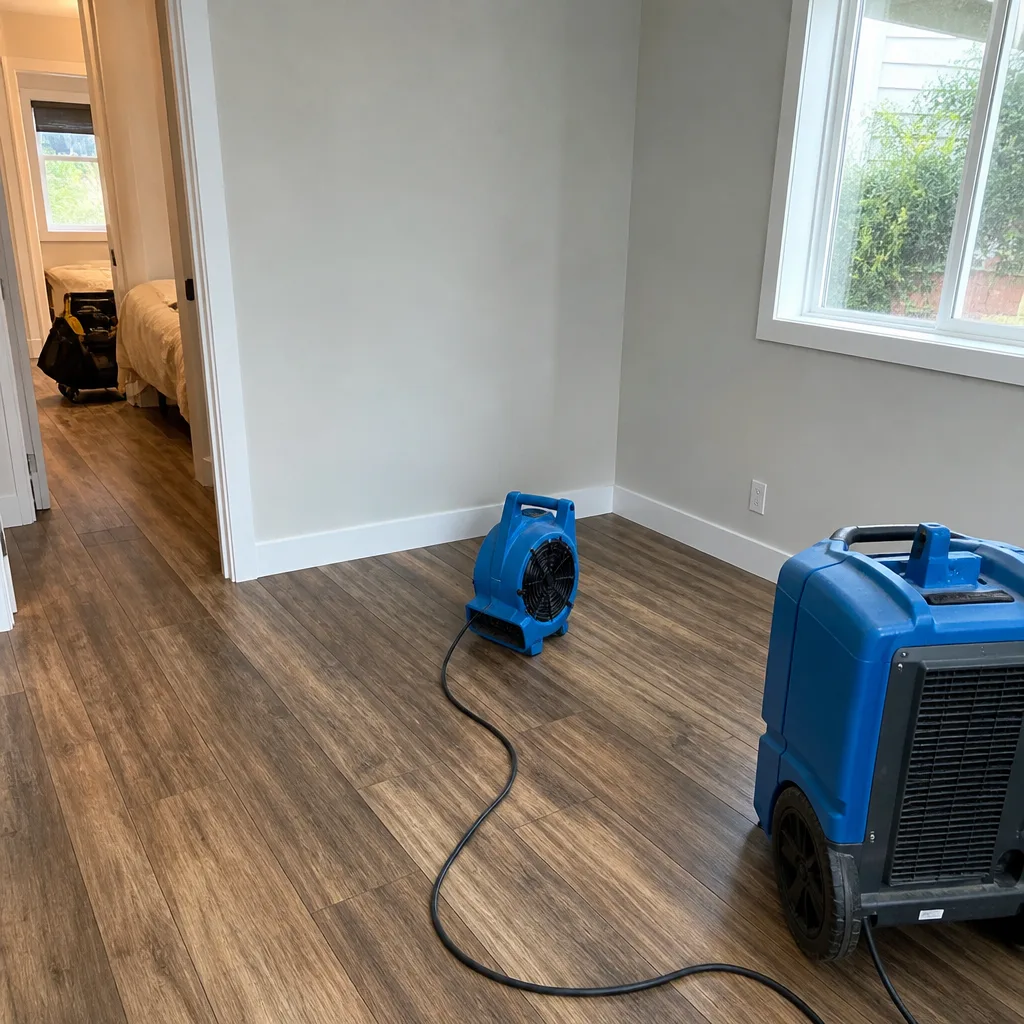
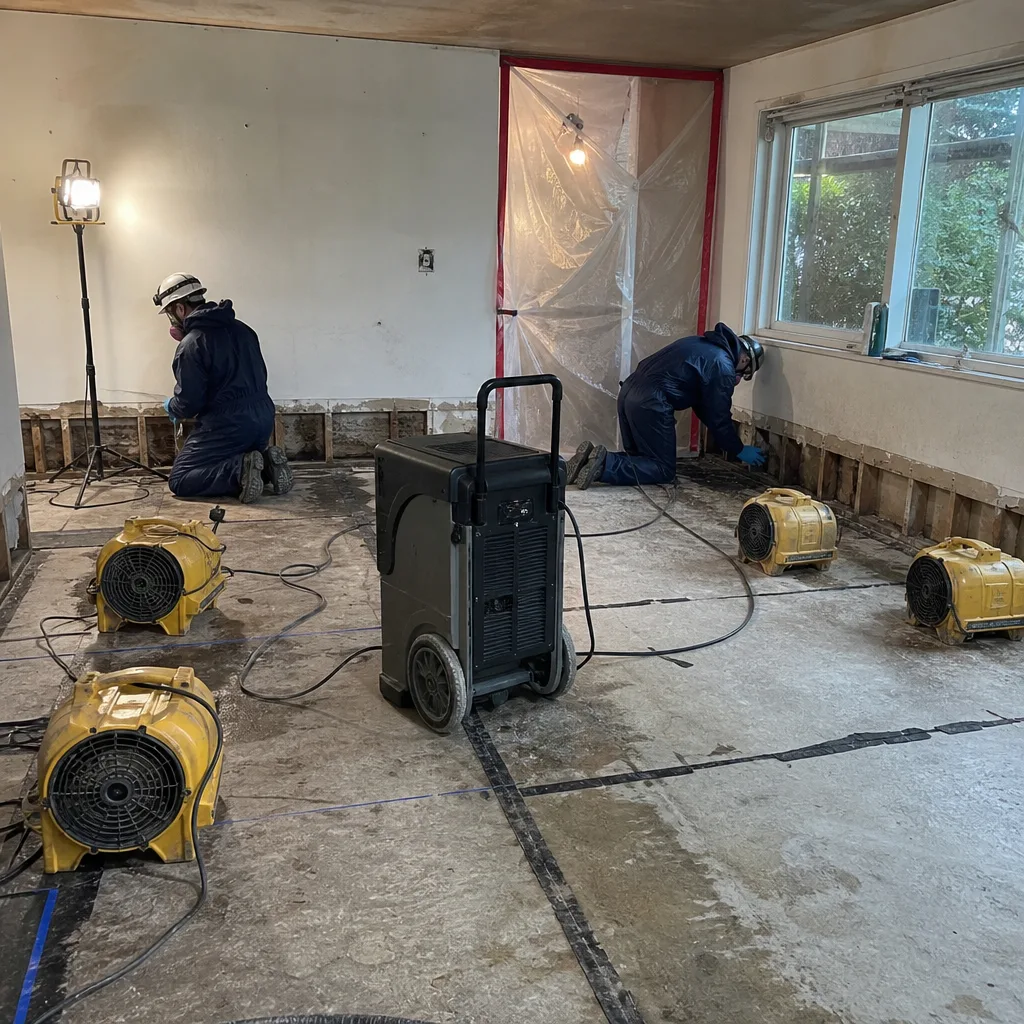
Structural drying is the controlled removal of moisture from wall cavities, ceiling assemblies, hardwood floors, and framing using air movers, dehumidifiers, and targeted drying systems. You need this when moisture has migrated beyond surface materials into structural components, which happens in nearly every water loss that isn’t caught within the first hour. We calculate psychrometric data - temperature, relative humidity, and vapor pressure differential - to establish a drying goal and adjust equipment placement daily, with each day’s readings logged and photographed for your adjuster.
Flood Cleanup
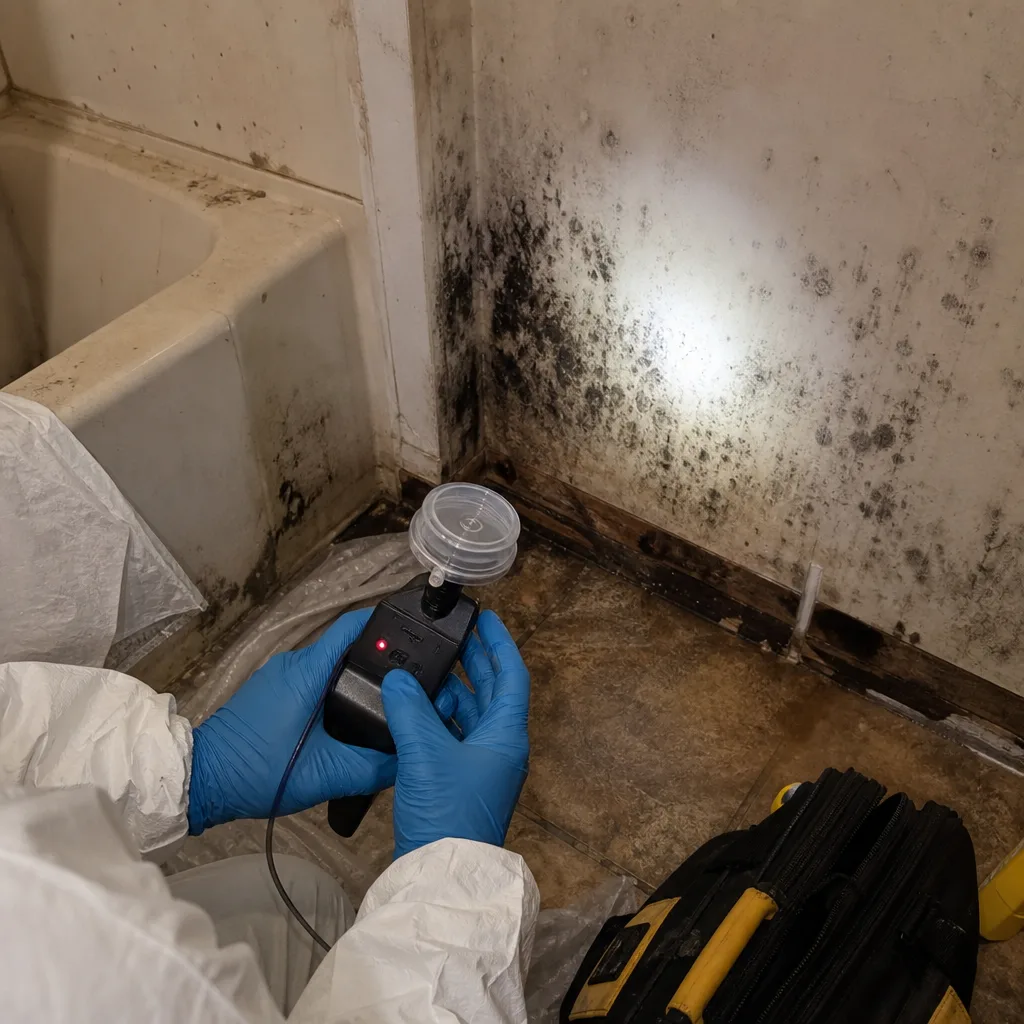
Flood cleanup addresses water intrusion from exterior sources: overflowing storm drains, king tide backflow in low-lying Seattle neighborhoods like Georgetown and South Park, or groundwater seepage through foundation cracks. You need this when water carries contaminants from soil, roadway runoff, or sewage systems, requiring Category 2 or Category 3 water protocols per IICRC S500 standards. Our crews test water contamination levels on arrival, establish a proper containment perimeter, and dispose of affected porous materials according to Washington State Department of Ecology guidelines - documented with photo evidence at each stage.
Burst Pipe Restoration
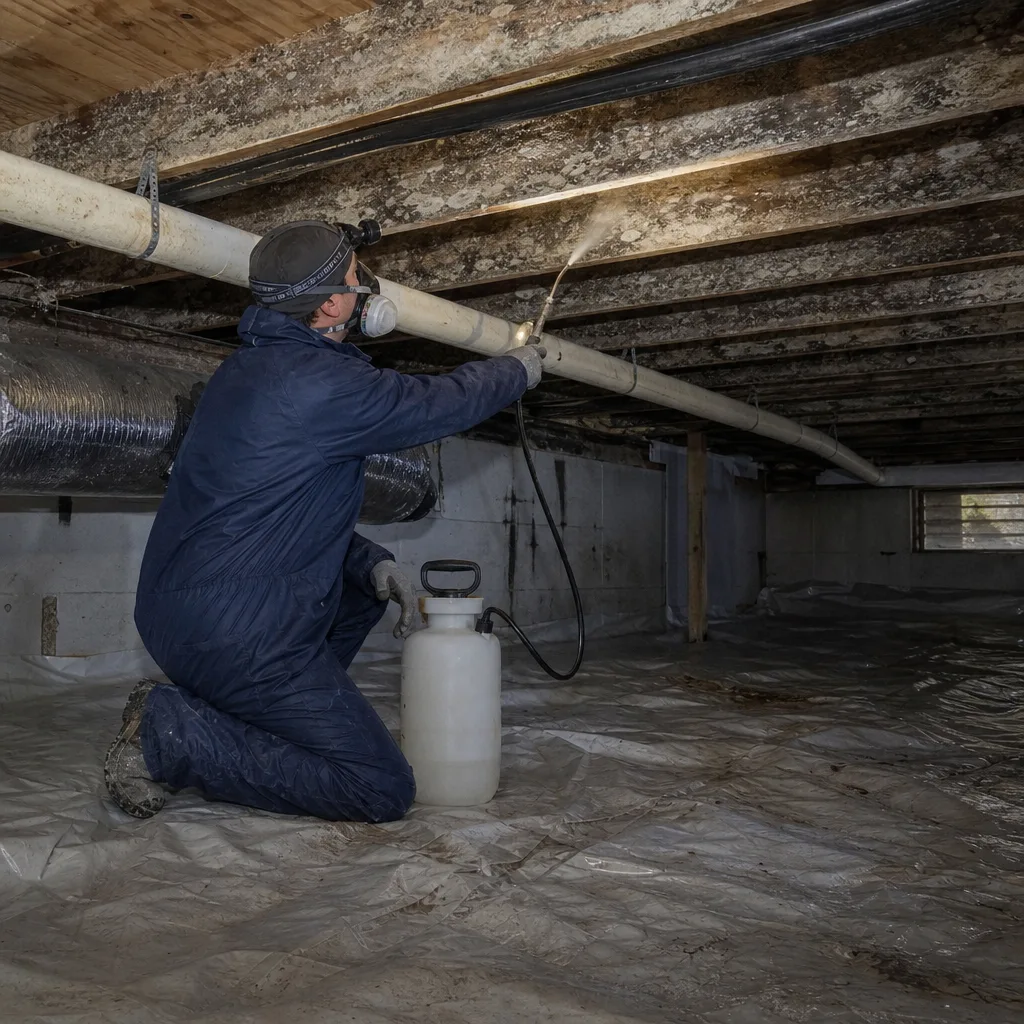
Burst pipe restoration covers the water damage resulting from frozen, corroded, or pressure-failed plumbing systems, common in Seattle’s older homes with galvanized steel or polybutylene piping. You need this when pressurized water has been flowing for hours, often saturating multiple floors before the main shutoff is located. We map the migration path using infrared thermography, remove water from affected cavities with Injectidry interwall drying systems, and provide a written scope that separates emergency mitigation from plumbing repair - so you know exactly what your policy covers and what falls to your plumber.
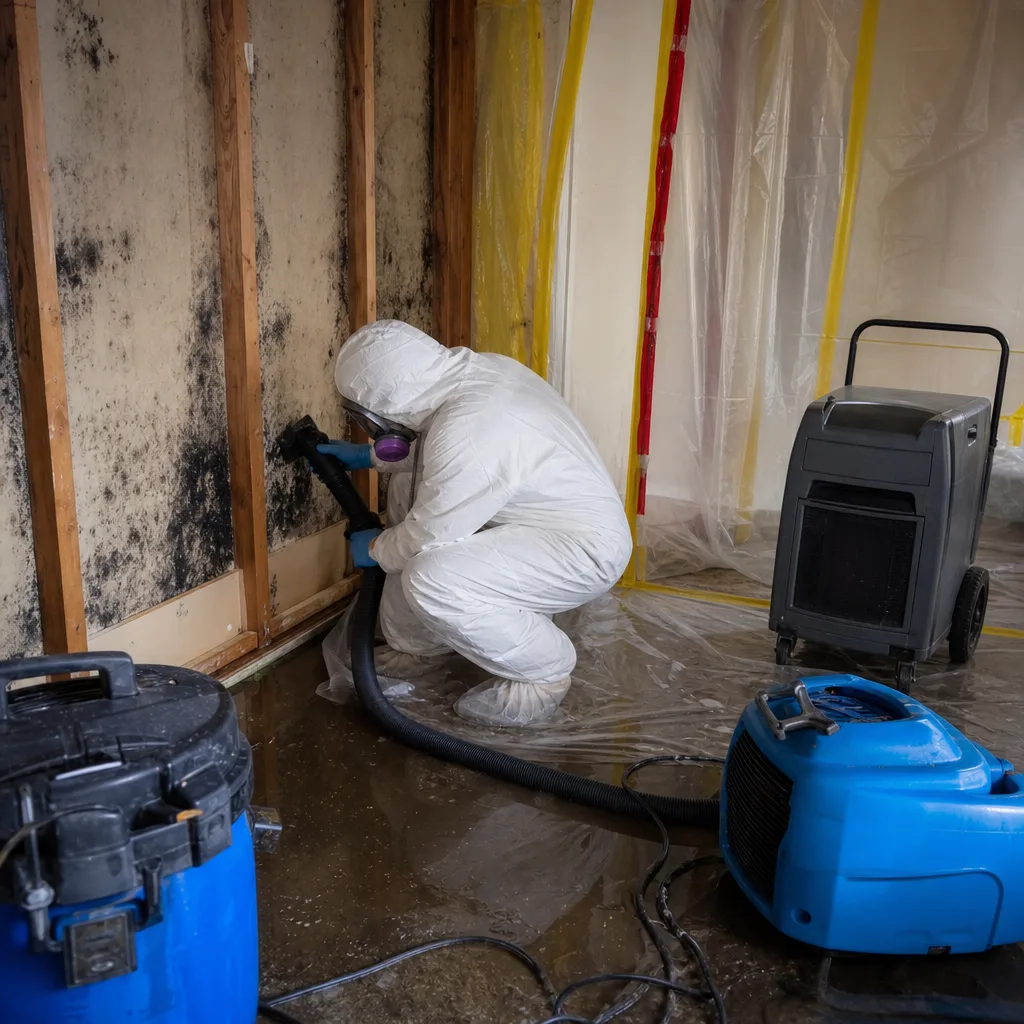
Basement Water Removal
Basement water removal addresses flooding in below-grade spaces where hydrostatic pressure, failed sump pumps, or foundation seepage introduce water against concrete walls and slab floors. You need this when your basement has standing water, damp efflorescence on walls, or a sump pump that runs continuously without clearing the pit. In Seattle’s Beacon Hill and Rainier Valley neighborhoods, we frequently encounter basements with inadequate perimeter drainage; our crews pump to daylight or storm connection per local code, then deploy B-Air and XPOWER axial fans to achieve vapor pressure differential that pulls moisture from concrete substrates.
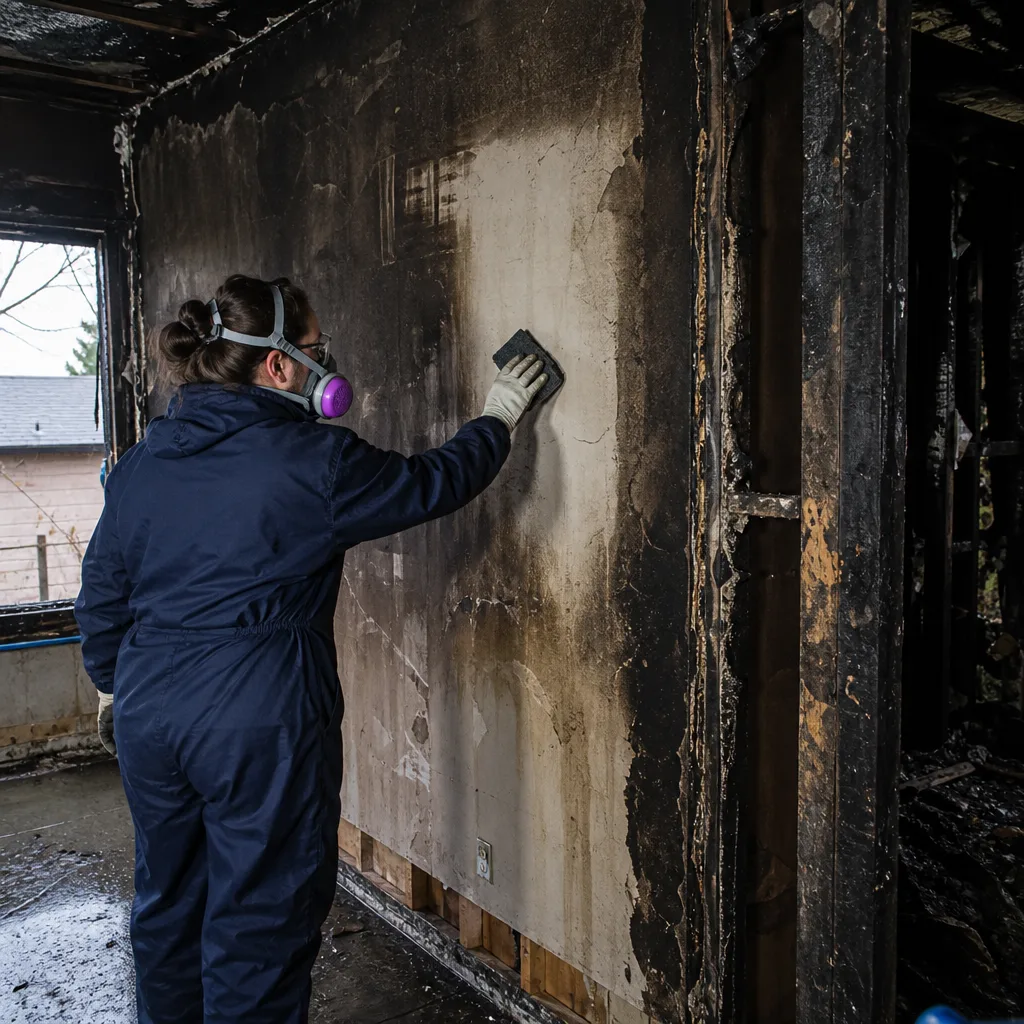
Ceiling & Roof Leak Water Damage
Ceiling & Roof Leak Water Damage restoration addresses the interior consequences of compromised roofing, ice dam buildup, or failed flashing around skylights and chimneys. You need this when you observe staining, sagging drywall, or active dripping from ceiling penetrations - often the first visible sign of long-term attic moisture accumulation. We probe attic insulation with moisture meters, remove saturated blown-in cellulose or fiberglass batts, and set up positive-pressure drying with HEPA-filtered air scrubbers to prevent spore dispersal during the restoration process.
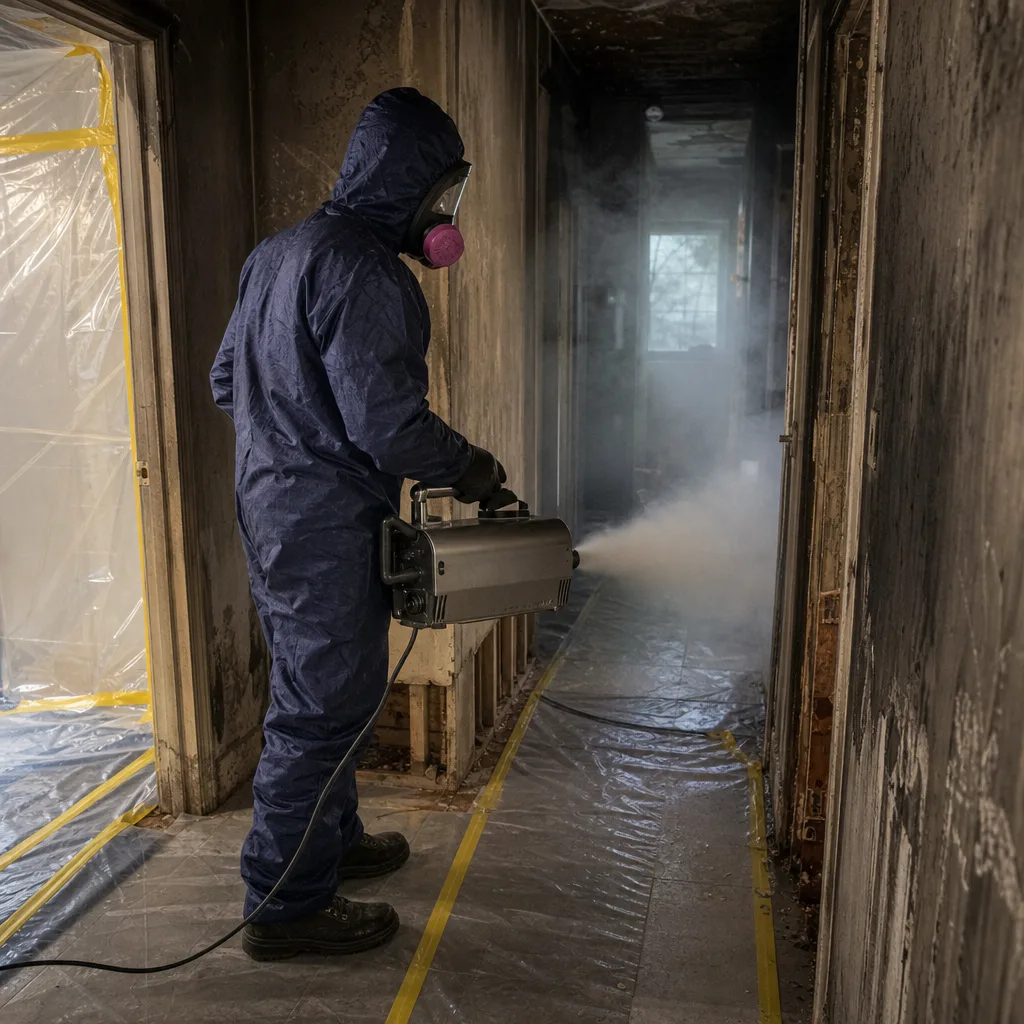
What happens when you call
- 1
A real person answersNo phone trees - you reach a local pro.
- 2
You get an upfront price rangeHonest numbers before anyone is dispatched.
- 3
A background-checked tech heads outLicensed & insured, dispatched right away.
- 4
You approve before work beginsNothing starts until you say go.
Brands We Service for Water Damage Restoration
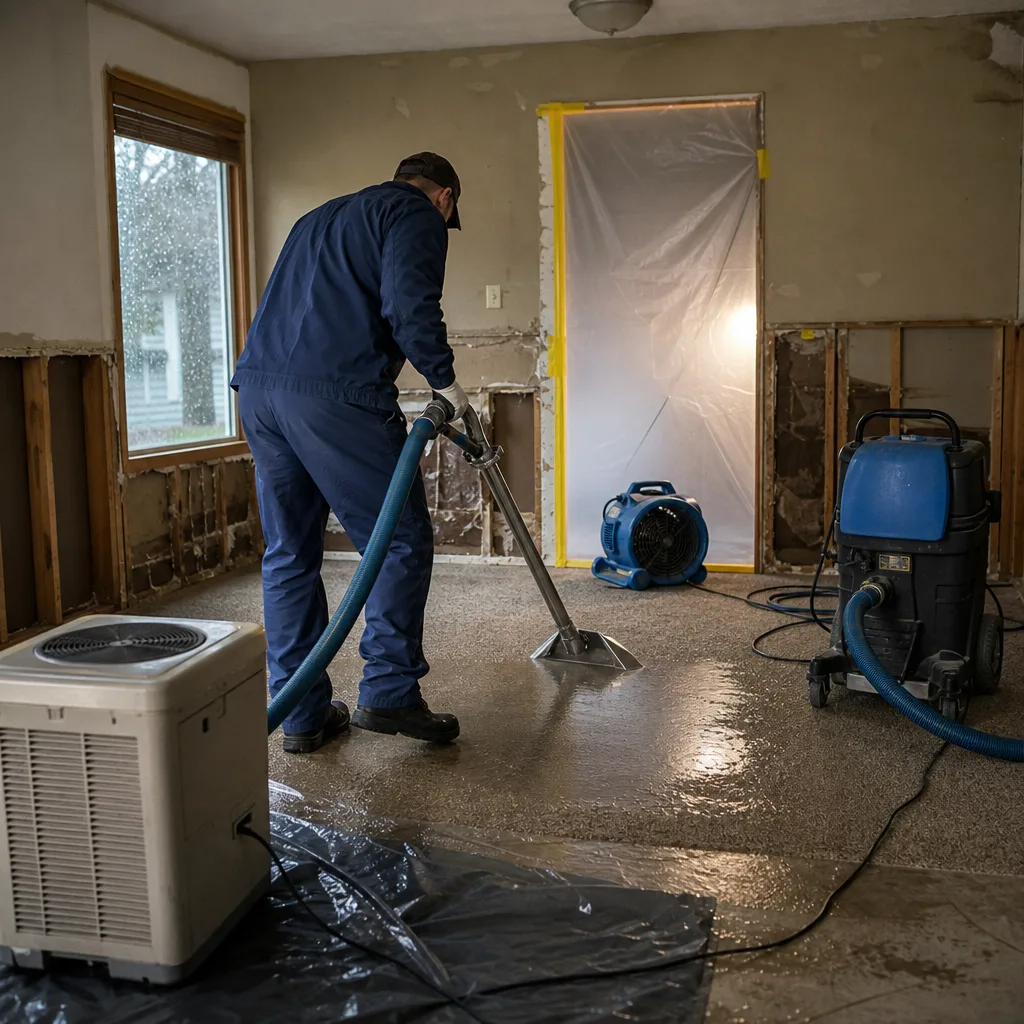
We’ve serviced hundreds of Injectidry systems and stock their OEM panel drying attachments and hose manifolds for interwall and hardwood floor drying. Their positive-negative pressure drying cabinets are particularly effective for Seattle’s dense-packed insulation cavities in pre-1940s Craftsman homes, where conventional air movement can’t reach trapped moisture.
Our documentation meets IICRC, RIA, and IFA standards on every job, producing the daily moisture logs and psychrometric charts that turn restoration invoices into payable insurance claims. Whether your home has Injectidry-compatible assemblies or any other construction type, we can establish a drying protocol with measurable endpoints and a written price before any work starts.
BeforeAfterSigns You Need Water Damage Restoration Right Now
- Visible water pooling or active dripping - Standing water on floors, water dripping from ceiling fixtures, or bubbling paint indicates an active leak that will continue spreading until the source is stopped and the affected materials are dried. Even small pools can wick into subfloors and wall plates within hours, turning a localized problem into a multi-room mitigation.
- Musty or earthy odors in specific rooms - A persistent damp smell, especially in basements, crawl spaces, or rooms below bathrooms, signals microbial activity even when surfaces appear dry. We use moisture meters to find hidden saturation behind baseboards and under vinyl flooring where odor originates before visible mold appears.
- Discolored or sagging ceiling drywall - Yellow-brown staining, paint bubbling, or visible sagging means water has saturated the gypsum core and compromised the fasteners holding the panel to framing. Ceiling panels can fail suddenly when loaded with water, creating a safety hazard and expanding the affected area dramatically.
- Sudden increase in water bill without visible leak - A water meter that spins when all fixtures are off indicates a pressurized leak inside walls, under slabs, or in crawl spaces. In Seattle’s Phinney Ridge and Greenwood neighborhoods, we’ve traced these to corroded copper pinholes that spray inside wall cavities for weeks before detection.
- Cold or damp spots on walls or floors - Localized temperature differences detected by touch, or confirmed with thermal imaging, reveal evaporative cooling at wet surfaces. These spots indicate moisture migration that standard HVAC won’t address and that will support mold growth if humidity remains above 60% relative humidity for 48-72 hours.
Our Water Damage Restoration Process - Step by Step
- 1
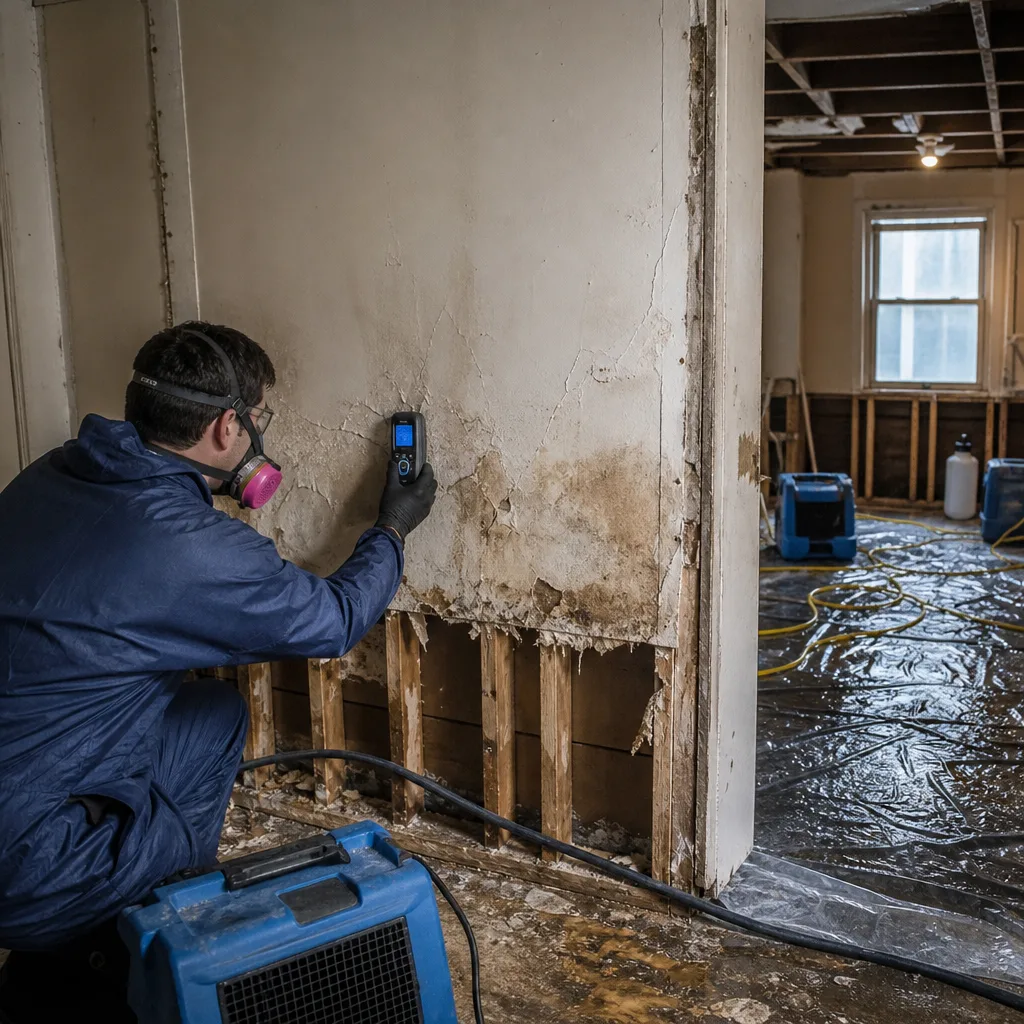
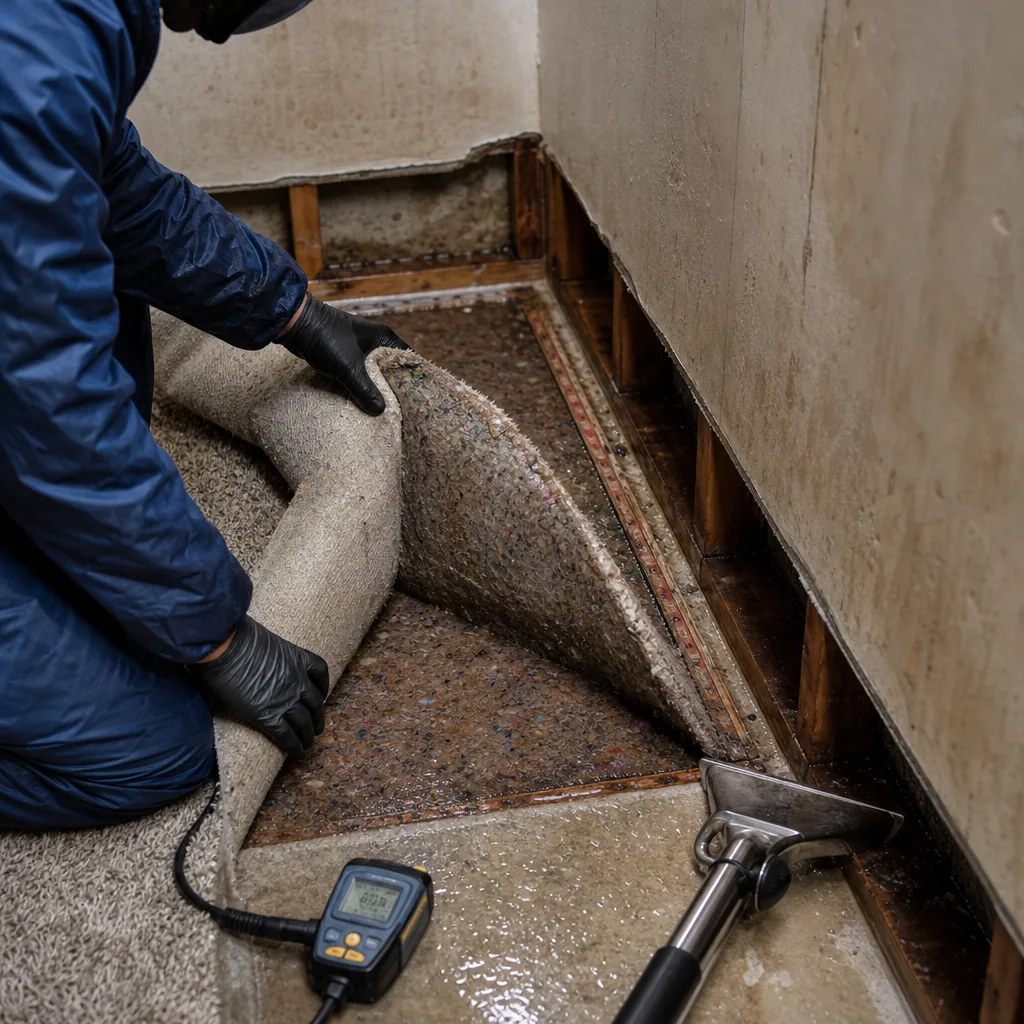
Emergency response and moisture mapping. We arrive with thermal imaging cameras, penetrating and non-penetrating moisture meters, and hygrometers to establish the extent of water migration. Every reading is photographed with a timestamp and location tag, uploaded to your job file before we leave - the documentation that prevents claim disputes later.
- 2
Written scope and price before work begins. Haven Standard, Clause 1: we deliver a written price with line-item costs for extraction, drying equipment, demolition if necessary, and reconstruction. No scope-creep additions once the crew is inside your home. You sign before we start; your adjuster receives the same document.
- 3
Water extraction and controlled demolition. We remove standing water with truck-mounted or portable extraction systems, then remove unsalvageable materials - typically saturated carpet pad, lower drywall sections, and blown-in insulation - using containment and negative air pressure to prevent cross-contamination.
- 4
Structural drying with daily monitoring. We deploy professional-grade drying systems from Dri-Eaz, Phoenix, XPOWER, B-Air, and Injectidry, positioned based on psychrometric calculations. Each day, a technician records moisture readings, adjusts equipment, and photographs progress - the drying log that proves the job was done to standard.
- 5
Verification, documentation, and warranty. We declare drying complete only when moisture readings return to within 2-4% of dry standard for the specific material. You receive the complete photo record, drying log, and signed 365-Day Done Right Promise under The Haven Standard - if it’s not done right, we make it right.
How Much Does Water Damage Restoration Cost in Seattle?
A typical emergency water extraction in Seattle runs $1,200-$2,400 depending on the volume of standing water and accessibility of the affected area. Full structural drying for a standard 2,000-square-foot home with interwall moisture migration costs $3,500-$5,200, while Category 3 flood cleanup with contaminated water disposal and antimicrobial treatment ranges $5,000-$7,500. Basement water removal with sump pump failure and foundation seepage typically falls between $2,800-$4,500 in Capitol Hill, Queen Anne, and Fremont homes we’ve worked.
Several factors move these numbers: the water category (clean, gray, or black), the number of affected rooms, whether hardwood floors require specialized mat drying, and if asbestos-containing materials are discovered in pre-1980s homes requiring abatement protocol. We see the highest costs in homes where homeowners waited 48+ hours before calling, allowing moisture to wick into upper wall cavities and necessitating more extensive demolition.
To avoid overpaying, get a written scope from any contractor and bring it to us - Haven Standard includes a Free Second Opinion on any competitor’s written estimate at no charge. Our written price includes all equipment, monitoring visits, documentation, and standard reconstruction consultation; we don’t add “equipment delivery fees” or “after-hours surcharges” after the fact. Call (425) 671-5392 for an exact quote - estimates are free, and you’ll have a written price before anyone starts work.
Water Damage Restoration Near Seattle - Our Service Area
We respond to water damage calls across Seattle and surrounding communities with typical arrival times of 45-90 minutes during peak hours. Our crews work regularly in Water Damage Restoration in Kirkland, Water Damage Restoration in Bellevue, Manchester, Tukwila, Redmond, Renton, SeaTac, Bothell, Sammamish, Lynnwood, and Issaquah. In Eastside communities like Redmond and Sammamish, we frequently encounter water losses from reverse-slope driveways and below-grade entries that channel stormwater toward foundation walls. Whether you’re in a Seattle high-rise with a failed HVAC condensate line or a Kirkland hillside home with groundwater intrusion, we document the same way - photo records, moisture logs, and written scopes that keep claims moving.
Serving Seattle, WA - Our Local Coverage Area
We’re based in the Seattle area and know this community well. Use the map below to see our service coverage - if you’re nearby, we can almost certainly help.
Frequently Asked Questions - Water Damage Restoration in Seattle
Water damage restoration is the professional process of extracting standing water, drying structural materials, and returning a property to pre-loss condition with documented evidence for insurance claims. It includes emergency water removal, controlled demolition of unsalvageable materials, structural drying using industrial dehumidification and air movement, and verification that moisture levels meet IICRC S500 standards before reconstruction begins. At DryMark Restoration Seattle, every restoration job includes a written price before work starts, daily moisture logs, and a photo record on every visit - Haven Standard documentation that turns your invoice into a payable claim.
Most residential water damage restoration projects in Seattle require 3-5 days for drying, with an additional 1-2 weeks for reconstruction if demolition was necessary. The exact timeline depends on water category, affected materials (hardwood floors and plaster take longer than carpet and drywall), and whether the home has adequate power for our equipment load. We provide a day-by-day drying projection in your written scope and update it daily based on actual moisture readings - no guesswork, no indefinite “we’ll check back” timelines. Call (425) 671-5392 for a specific estimate on your situation.
Water damage restoration in Seattle typically ranges from $2,800 for limited basement extraction to $7,500+ for whole-home Category 3 flood cleanup with contaminated water disposal. Emergency extraction alone starts around $1,200, while full structural drying with interwall systems averages $3,500-$5,200 for a standard home. Your exact cost depends on square footage affected, water contamination level, and whether specialized hardwood floor drying or asbestos abatement is required - all itemized in our written price before work begins. Call (425) 671-5392 for a free estimate with no obligation.
Yes, we service Injectidry systems and deploy their panel drying attachments, hardwood floor mats, and interwall drying manifolds on jobs throughout Seattle. We’ve restored hundreds of homes using Injectidry positive-negative pressure drying, particularly effective for the dense wall cavities in Seattle’s pre-war bungalows and mid-century ramblers where conventional air movement can’t reach trapped moisture. Whether your home has Injectidry-compatible assemblies or standard construction, we select the drying system based on moisture mapping data, not equipment brand loyalty.
Yes, a live person answers every call to (425) 671-5392, 24 hours a day, 7 days a week - no voicemail trees, no next-business-day callbacks while water is still moving through your structure. Our emergency crews carry extraction equipment, moisture meters, and thermal imaging cameras on every truck and can typically arrive within 45-90 minutes across the Seattle metro area. The first hours after water intrusion are critical for preventing secondary damage; we document the emergency response with timestamped photos from arrival.
Every water damage restoration job is covered by our 365-Day Done Right Promise under The Haven Standard - if it’s not done right, we make it right, in writing, not as a verbal assurance. This warranty covers both the drying performance (verified by moisture readings at completion) and any reconstruction work we perform. The warranty is signed and dated, with a copy in your job file and a duplicate for your records, because documentation is how we built this company. Call (425) 671-5392 to discuss warranty terms for your specific project.
If safe to do so, turn off the water source at the main shutoff valve and shut off electricity to affected areas at the breaker panel - but do not enter standing water if you suspect electrical hazard. Remove small valuables, documents, and electronics from the affected area, and take photos of visible damage for your own records before we begin extraction. We’ll handle everything else: moisture mapping, documentation for your insurer, equipment placement, and daily monitoring - and we’ll give you a written price before any work starts, every time, with no exceptions.
Schedule Your Water Damage Restoration Service in Seattle Today
Call (425) 671-5392 now and speak with a live person, 24 hours a day, 7 days a week. We’ll dispatch a crew with documented moisture detection equipment, provide a written price before any work starts under Haven Standard, Clause 1, and begin the photo-documented restoration process that has resolved 12,000+ water losses since 2011. Your estimate is free, your scope is written, and your claim will have the evidence it needs.
Written by Alicia Brennan, Owner at DryMark Restoration Seattle, serving Seattle, Kirkland, Bellevue, and surrounding communities since 2011.