
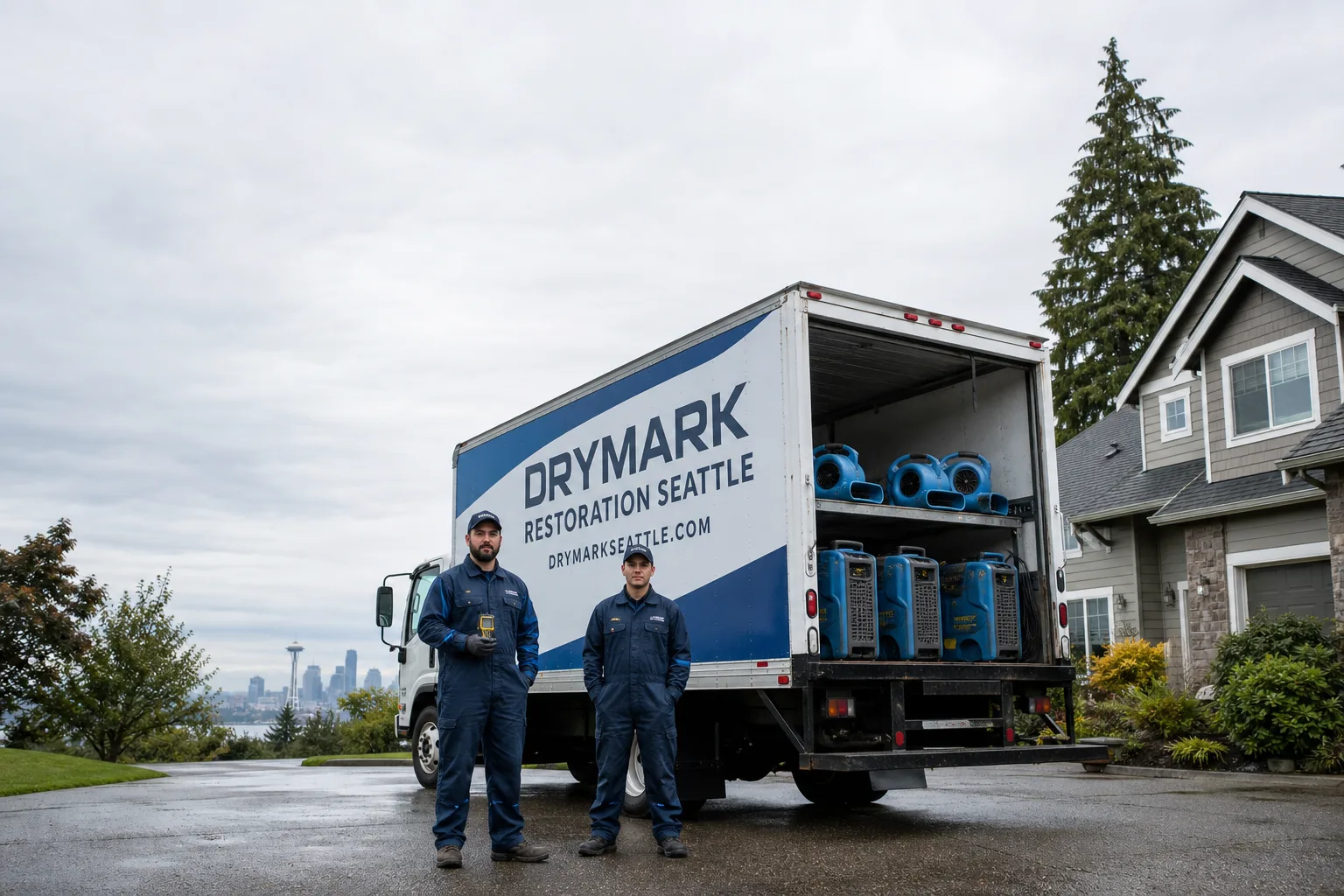
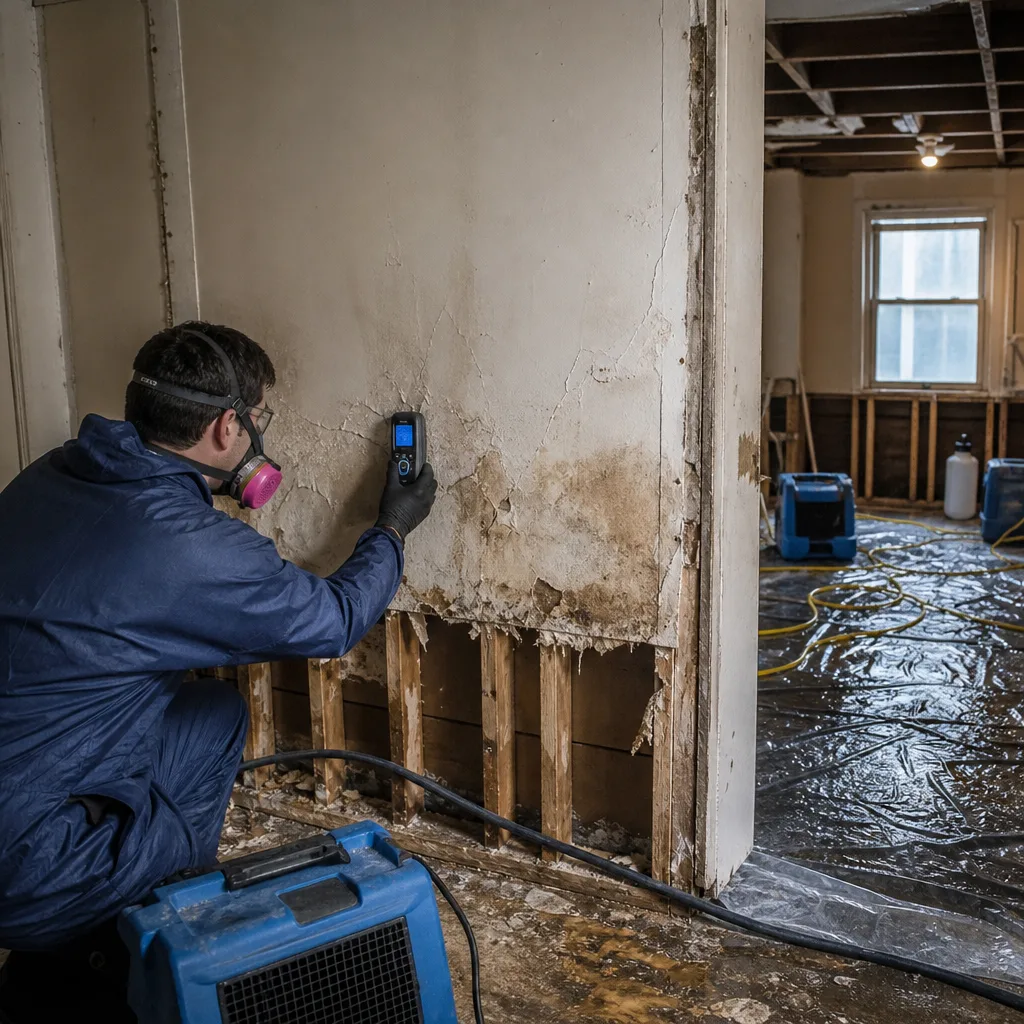
Free visual inspection and a written scope of work before any mitigation begins - photos, moisture readings, and drying logs go in your claim file
The scope we write is the scope we bill. Anything new gets shown to you, in writing, before we touch it.
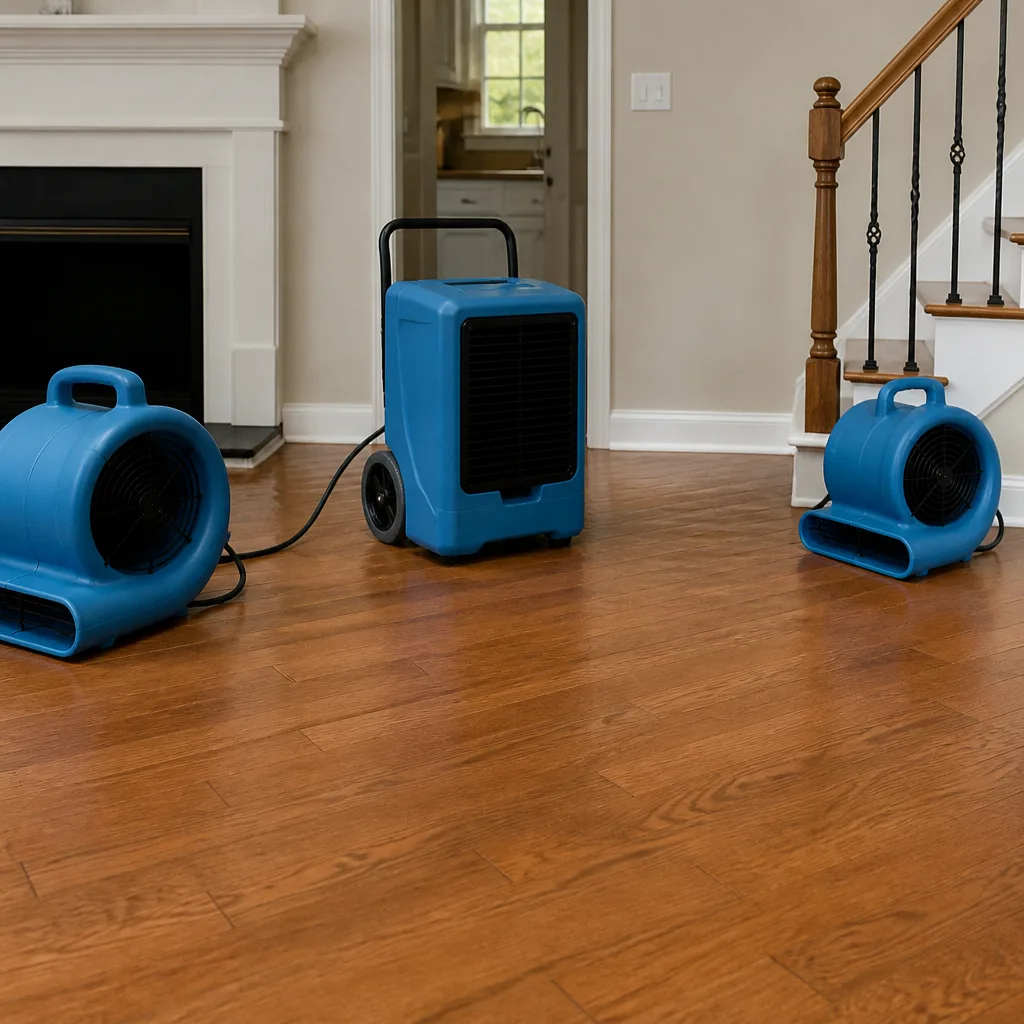
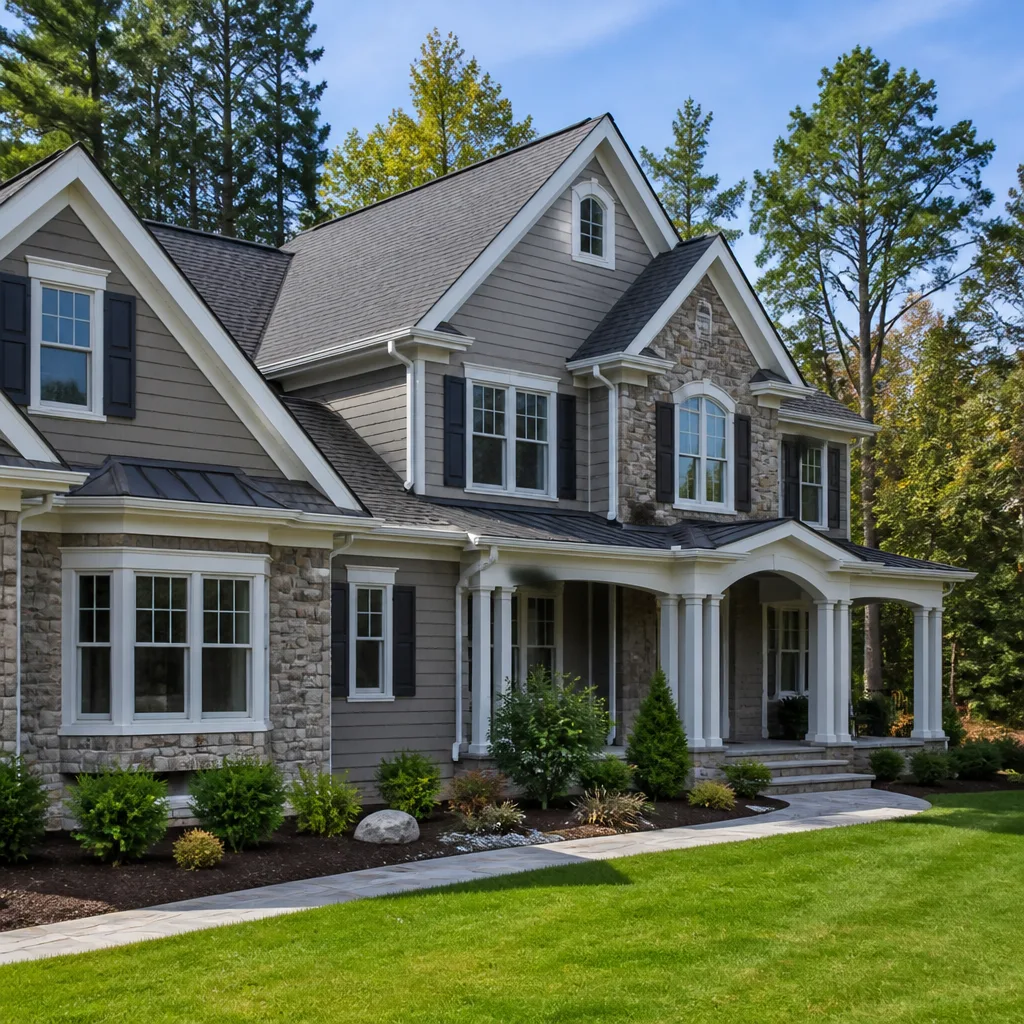
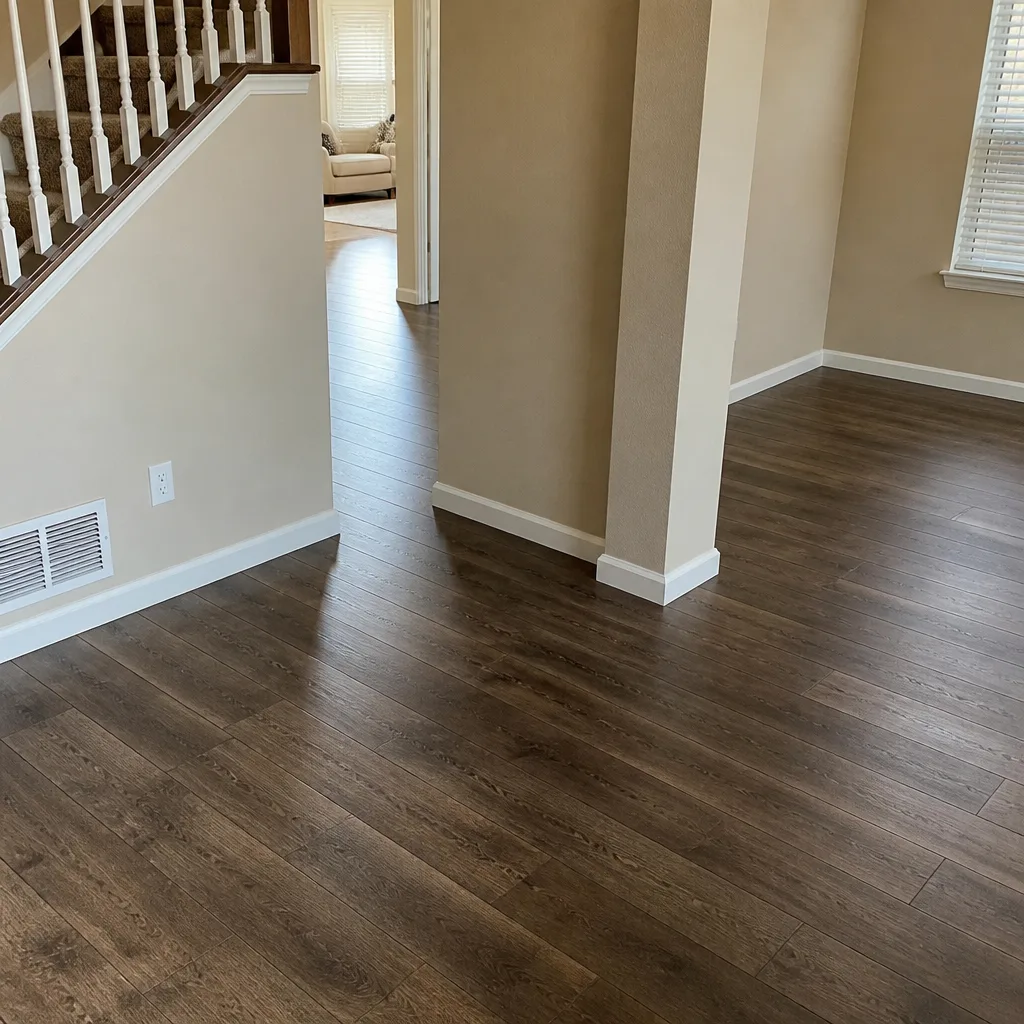
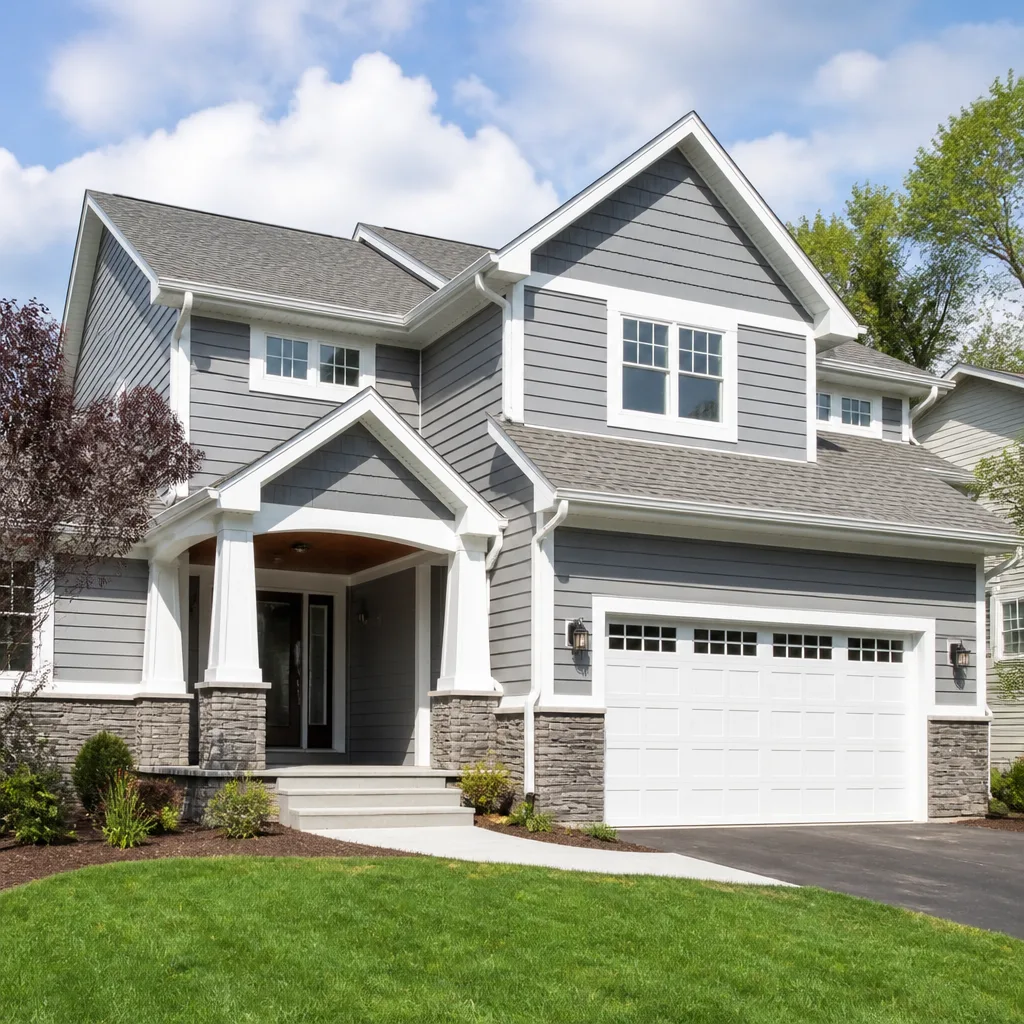
 Before
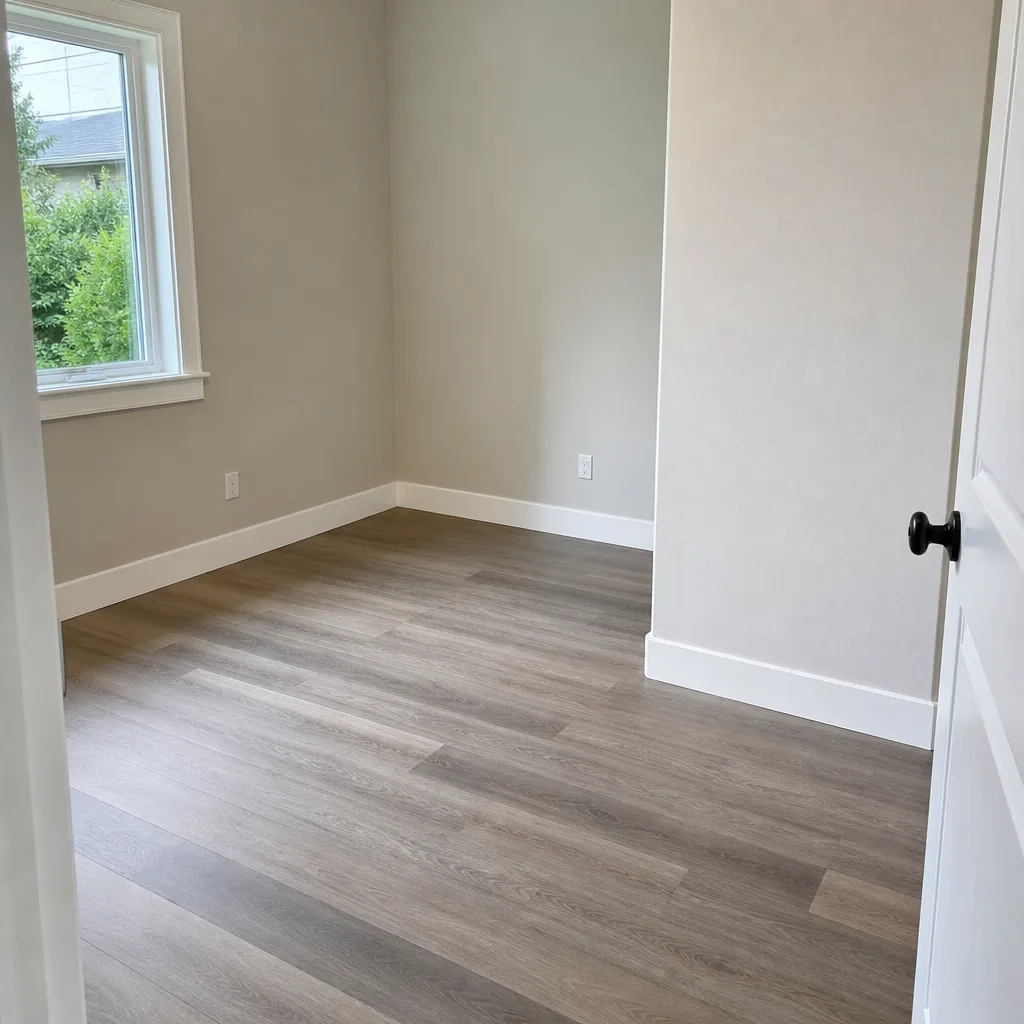 After
After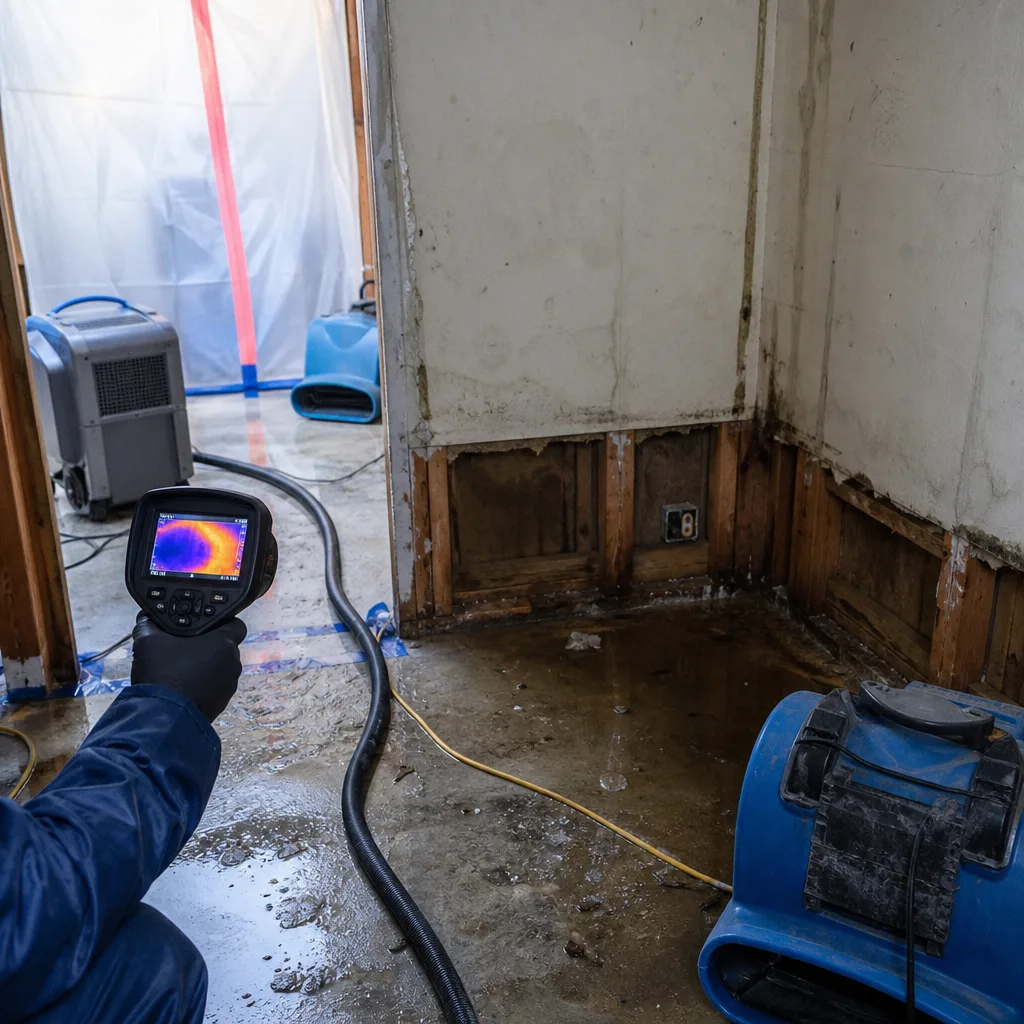 Before
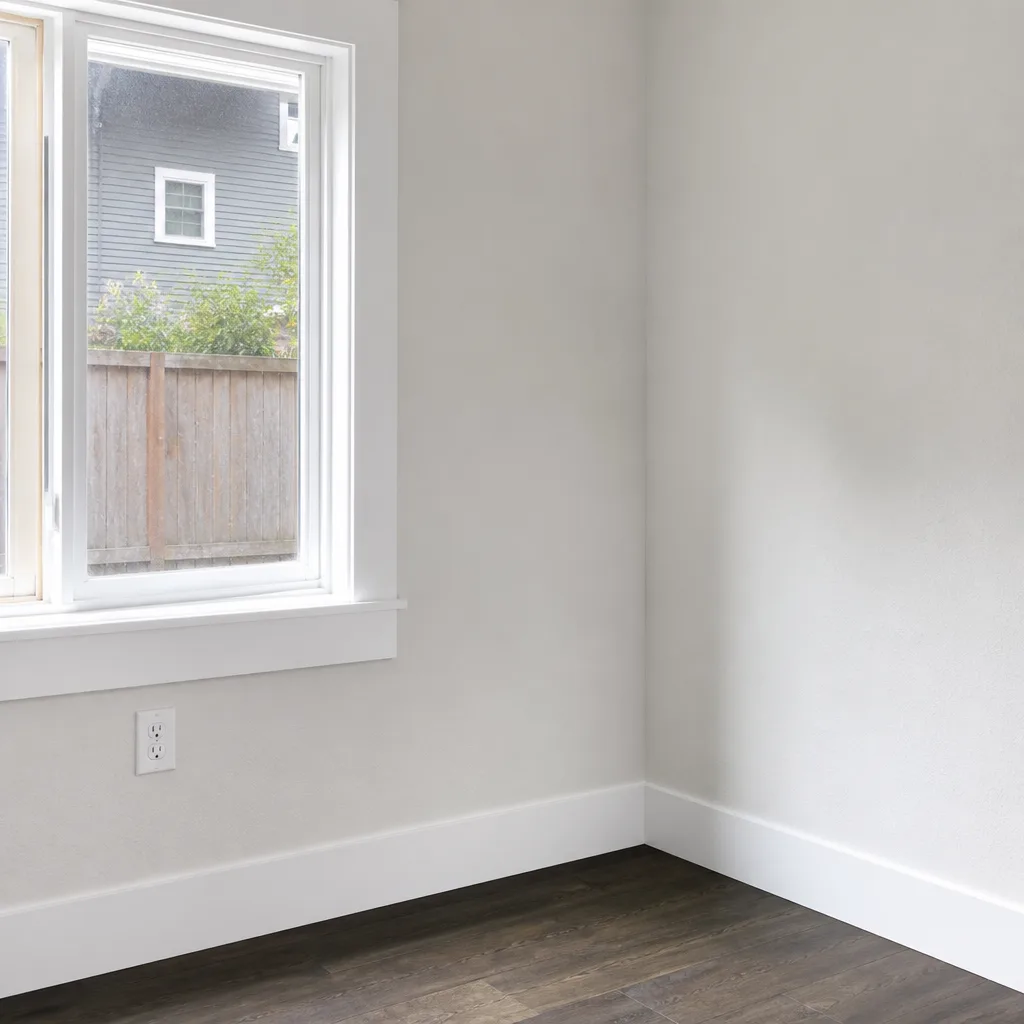 After
After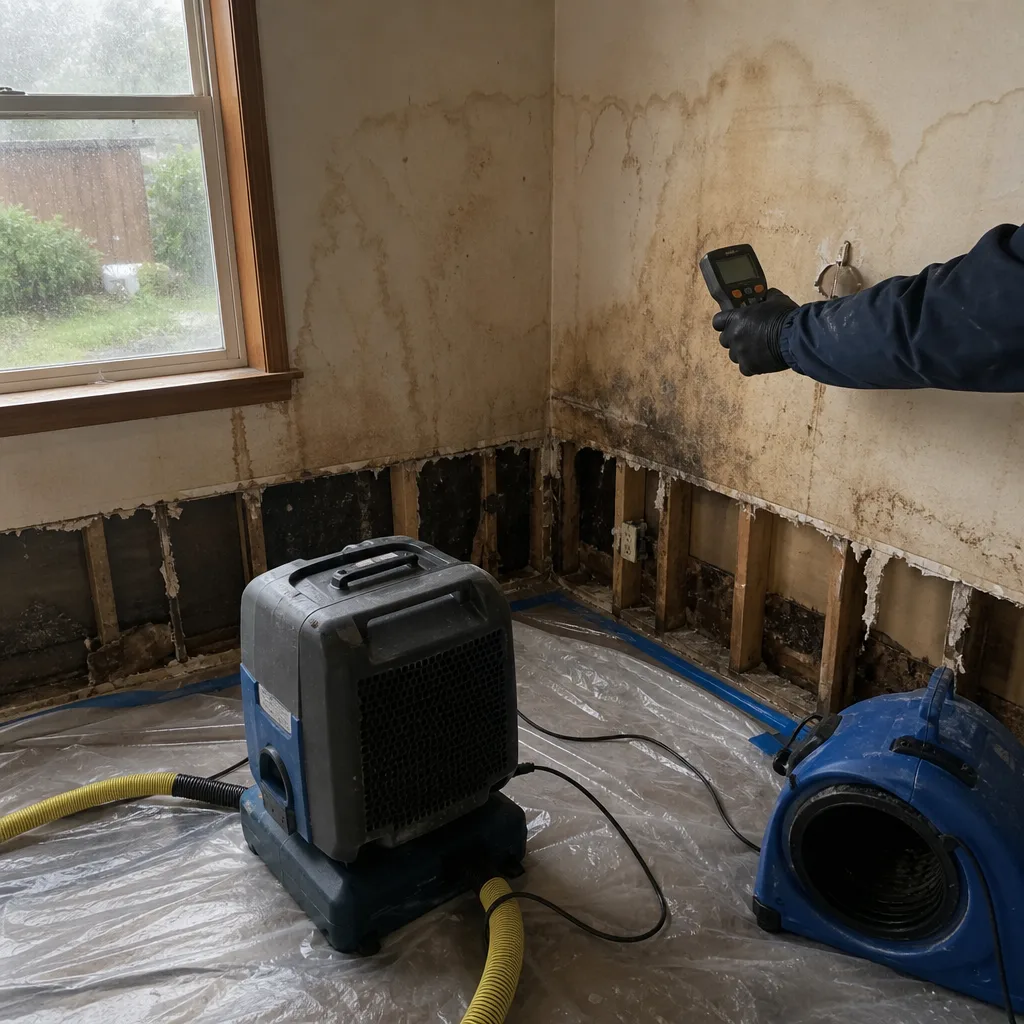 Before
 After
AfterFast, Reliable Water Damage Restoration Across Federal Way
Water damage restoration in Federal Way typically costs $2,800-$7,500 for a standard residential mitigation, with emergency extraction starting at $1,200-$2,400 and full structural drying running $3,500-$6,800 depending on square footage and contamination level. Most Federal Way homes we see need same-day extraction to stop Category 2 water from migrating through T1-11 siding cavities and into unvented crawl spaces. Call (425) 671-5392 now - a live person answers, 24 hours a day, 7 days a week, and we’ll have a written price in your hands before any work starts.
We know Federal Way’s housing stock. The tract ramblers, split-levels, and garden-style apartments built between 1965 and 1995 along corridors like Pacific Highway South and 320th Street weren’t designed for the marine rainfall that hits the southern Puget Sound lowlands from October through May. When wind-driven rain pushes through aging sliding door tracks on homes near the Hylebos Wetlands, water doesn’t stay in the living room. It finds the path of least resistance through T1-11 siding, into wall cavities, and down to crawl spaces where original 1970s poly vapor barriers have long since failed. That’s why our Water Damage Restoration team dispatches with moisture meters, thermal imaging, and the documentation rigor that turns restoration invoices into payable insurance claims.
Why DryMark Restoration Seattle Is Federal Way’s Preferred Water Damage Restoration Company
We’ve restored homes in Federal Way’s east-side neighborhoods near Hylebos Creek, the older subdivisions off Enchanted Parkway, and the 1980s apartment complexes along South 344th Street. Our crews understand the local failure pattern: glacial soils that drain poorly, seasonal groundwater pressure that shreds vapor barriers, and T1-11 siding that performs badly under decades of Pacific Northwest moisture. This isn’t theoretical. We document it on every job.
Back to Dry Restoration, led by Alicia Brennan, has operated under The Haven Standard since 2011. Every Federal Way job gets a written price before work begins - Haven Standard, Clause 1 - plus a photo record on every visit and a 365-Day Done Right Promise backed by The Haven Standard, not a verbal assurance. Our Seattle office coordinates dispatch to Federal Way; crews arrive with Dri-Eaz and Phoenix dehumidifiers, Injectidry cavity drying systems, and the IICRC, RIA, and IFA documentation protocols that adjusters recognize.
Homeowners in Federal Way measure trust by what we can show them. We show them moisture readings, drying logs, and written scopes. No voicemail trees. No next-business-day callbacks while water is still moving.
Our Water Damage Restoration Services in Federal Way
Emergency Water Extraction
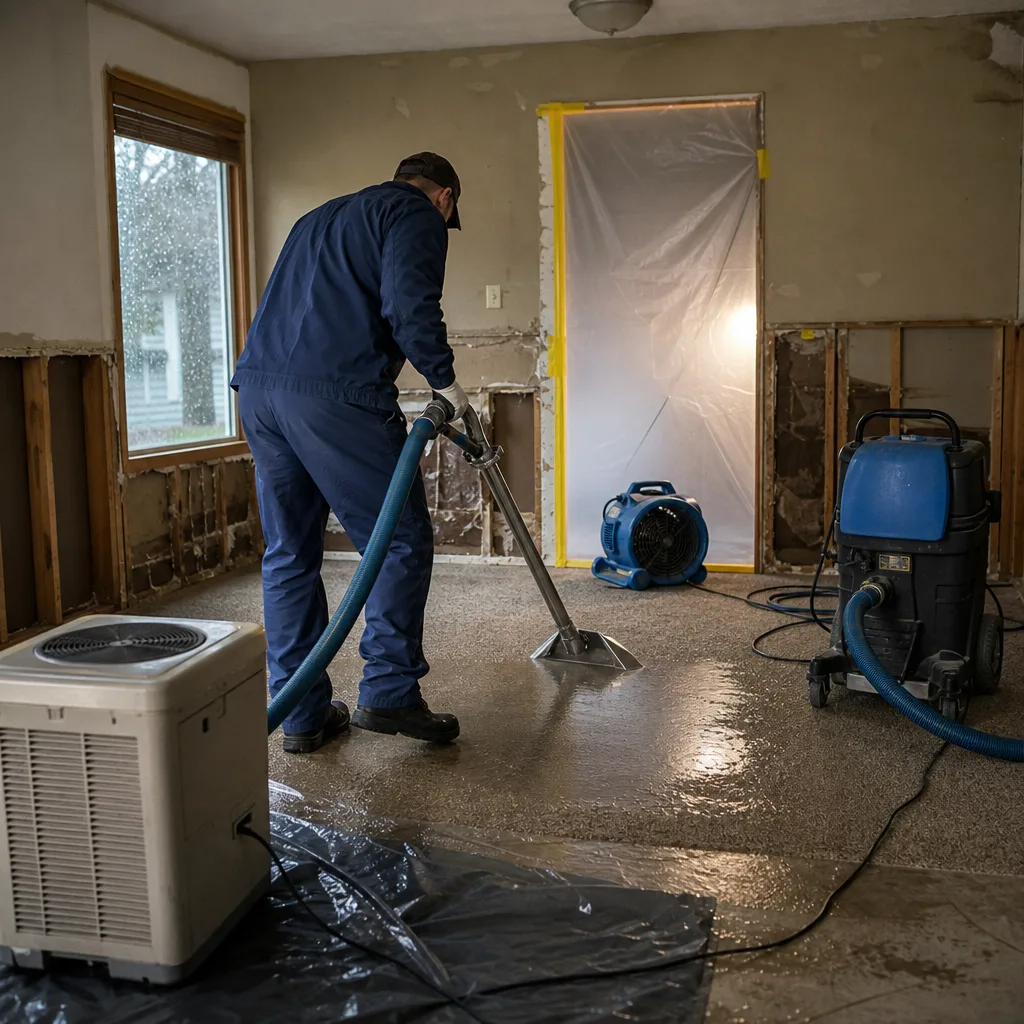
When a wind-driven rain event breaches a sliding door track on a Federal Way rambler near the Hylebos Wetlands, standing water needs to come out within hours, not days. Our emergency extraction teams deploy truck-mounted systems and portable submersible pumps to remove water from main floors, crawl spaces, and wall cavities. We document pre-extraction moisture readings and photograph every affected area before a single gallon is removed. In Federal Way’s older homes with original 1970s poly vapor barriers, extraction often reveals hidden Category 2 water pooled on crawl space dirt floors that a visual inspection missed.
Structural Drying & Dehumidification
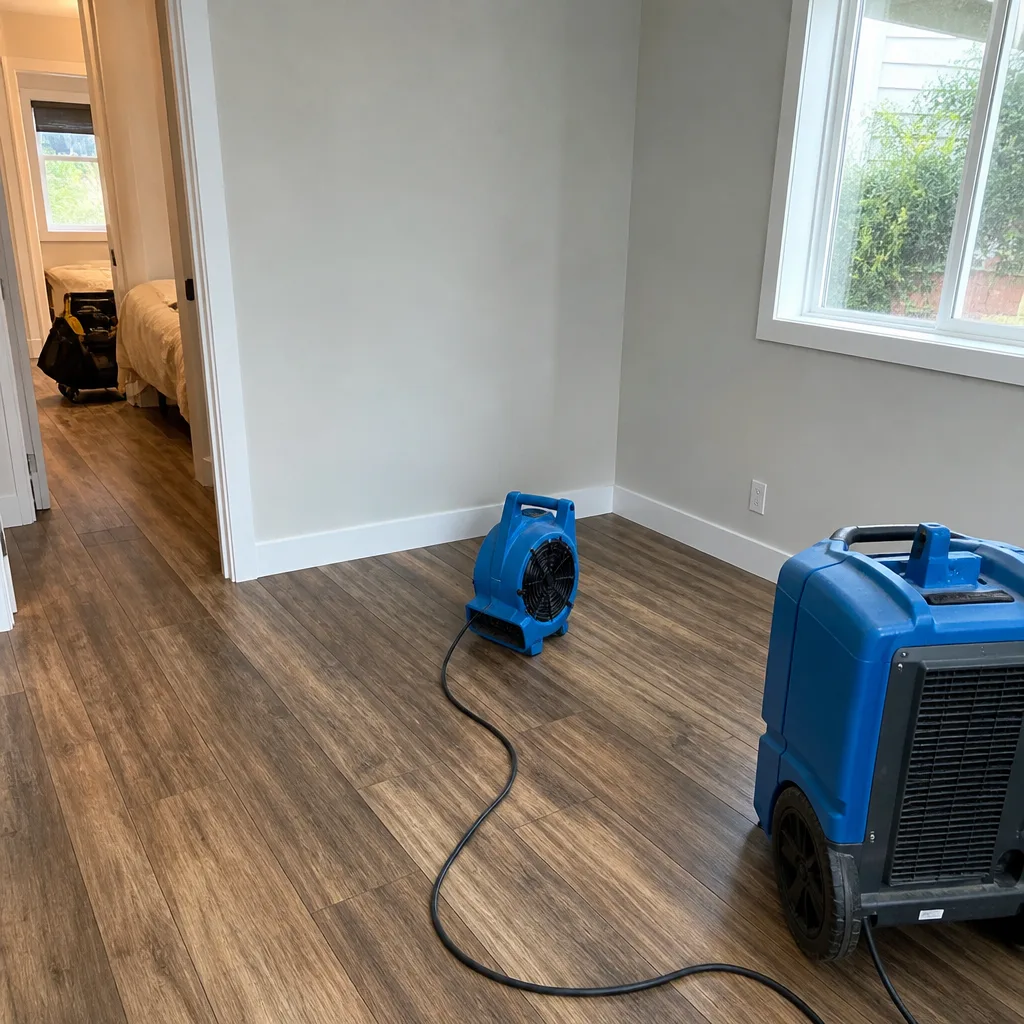
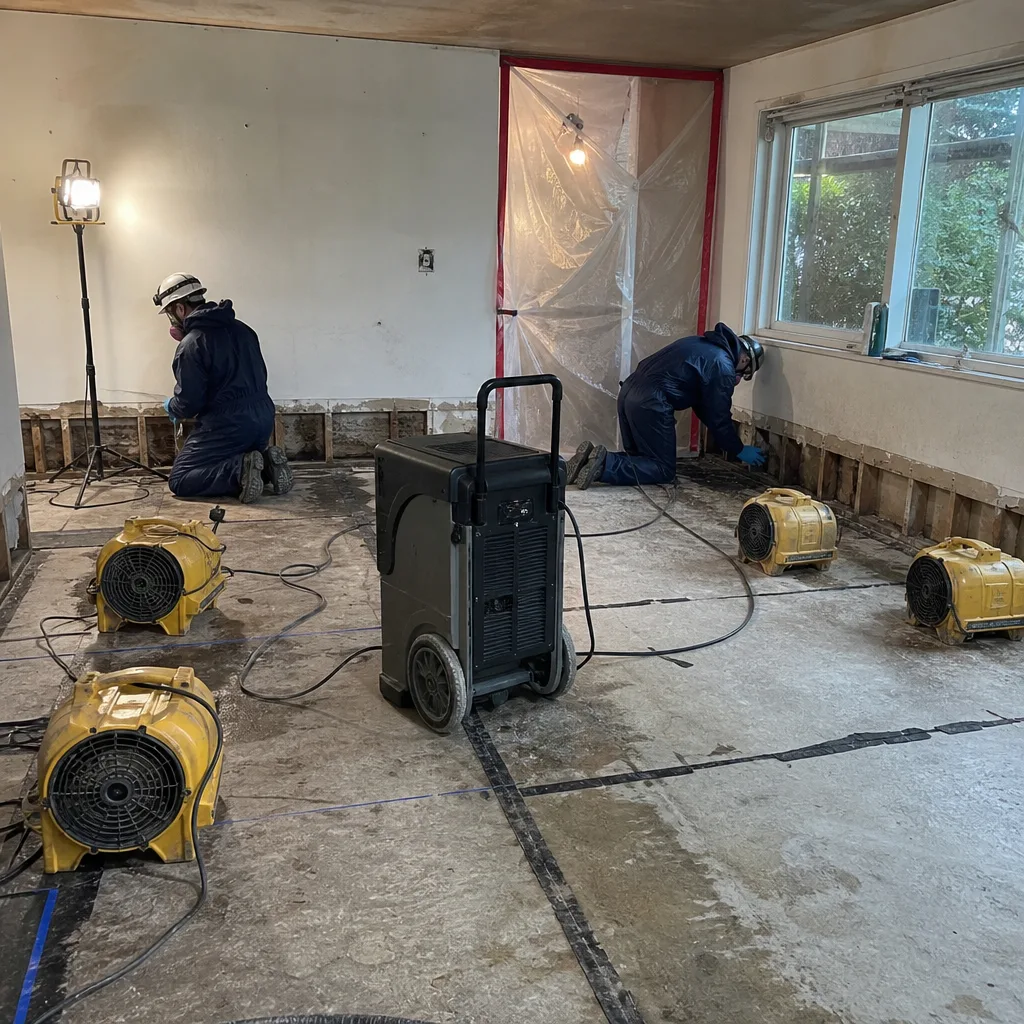
Federal Way’s marine climate means ambient humidity stays elevated eight months of the year. Structural drying here requires more than running fans. We calculate psychrometric data - temperature, relative humidity, and vapor pressure differential - to establish drying goals specific to each material class. T1-11 siding and the oriented strand board sheathing behind it in Federal Way’s 1980s construction demand controlled dehumidification with Dri-Eaz and Phoenix LGR units, plus Injectidry cavity-drying hoses when moisture is trapped behind wall assemblies. Daily moisture logs track progress to IICRC S500 standards, producing the documentation that insurance adjusters need to approve drying continuation without dispute.
Flood Cleanup
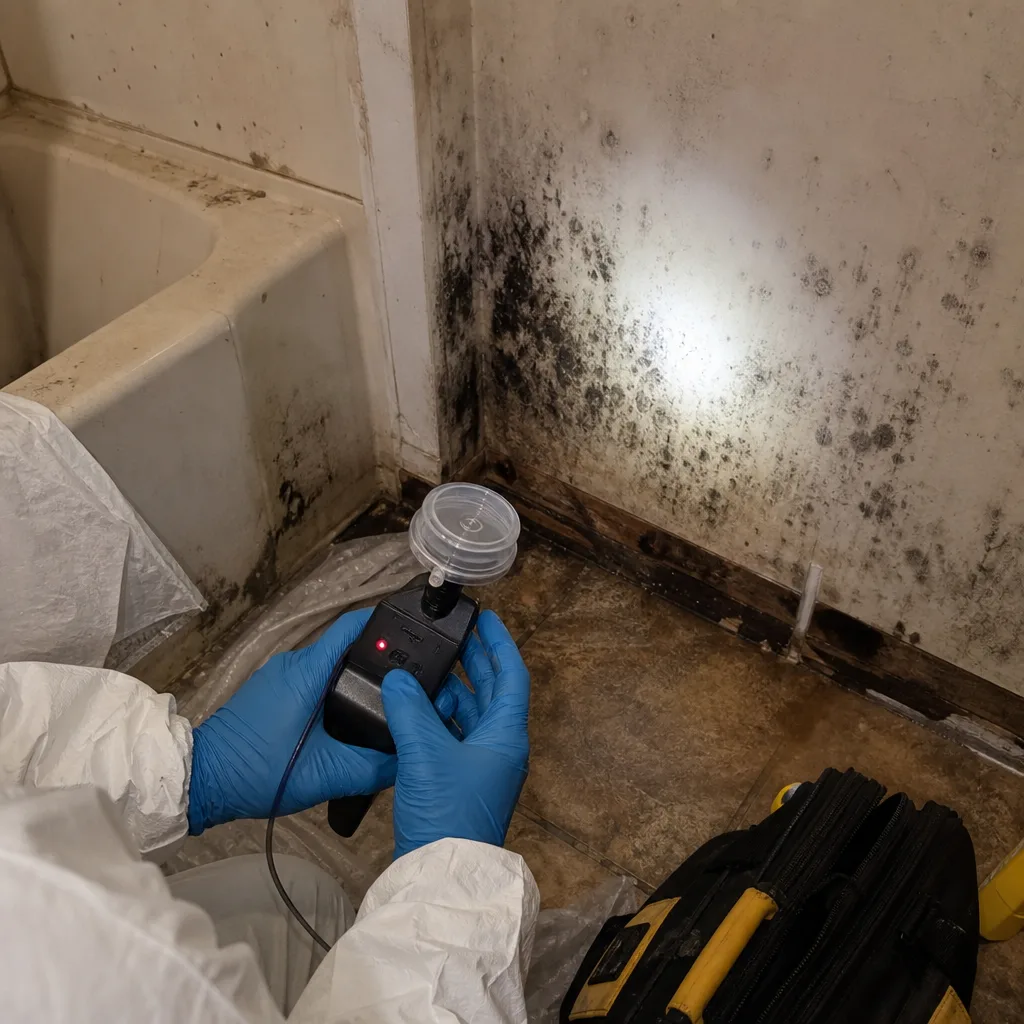
Flooding in Federal Way follows predictable geography. Properties near the Hylebos Creek corridor, particularly in neighborhoods with pre-1990 drainage infrastructure, see groundwater intrusion that overwhelms sump systems and backs through floor drains. Our flood cleanup protocol includes contamination assessment, Category 2 or Category 3 water classification, controlled demolition of unsalvageable materials, and antimicrobial application to structural framing. We coordinate directly with adjusters, providing photo documentation and written scopes that specify exactly what was removed, why, and what drying equipment is required to return the structure to pre-loss condition.
Burst Pipe Restoration
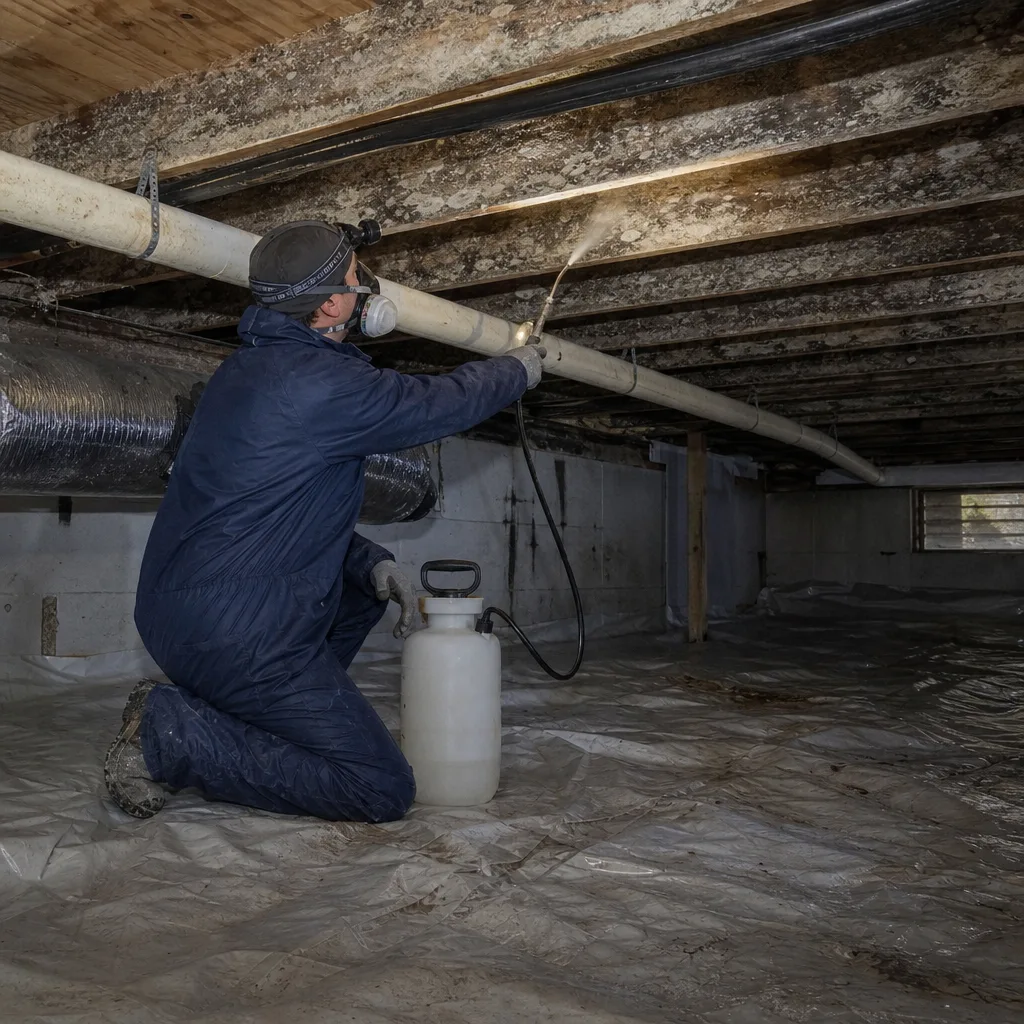
Federal Way’s older copper and galvanized supply lines, particularly in the 1960s-1970s ramblers near Steel Lake and the original downtown core, fail at joints and elbows during cold snaps. A burst pipe in a split-level with an unvented crawl space creates a dual-zone damage pattern: immediate flooding in the living area and slower, hidden saturation in the crawl space insulation and subfloor. We extract standing water, map moisture migration with thermal imaging, remove compromised fiberglass batt insulation, and dry structural framing to established moisture content percentages before any reconstruction begins. The written scope specifies each phase, with no additions once the crew is inside.
Ceiling & Roof Leak Water Damage
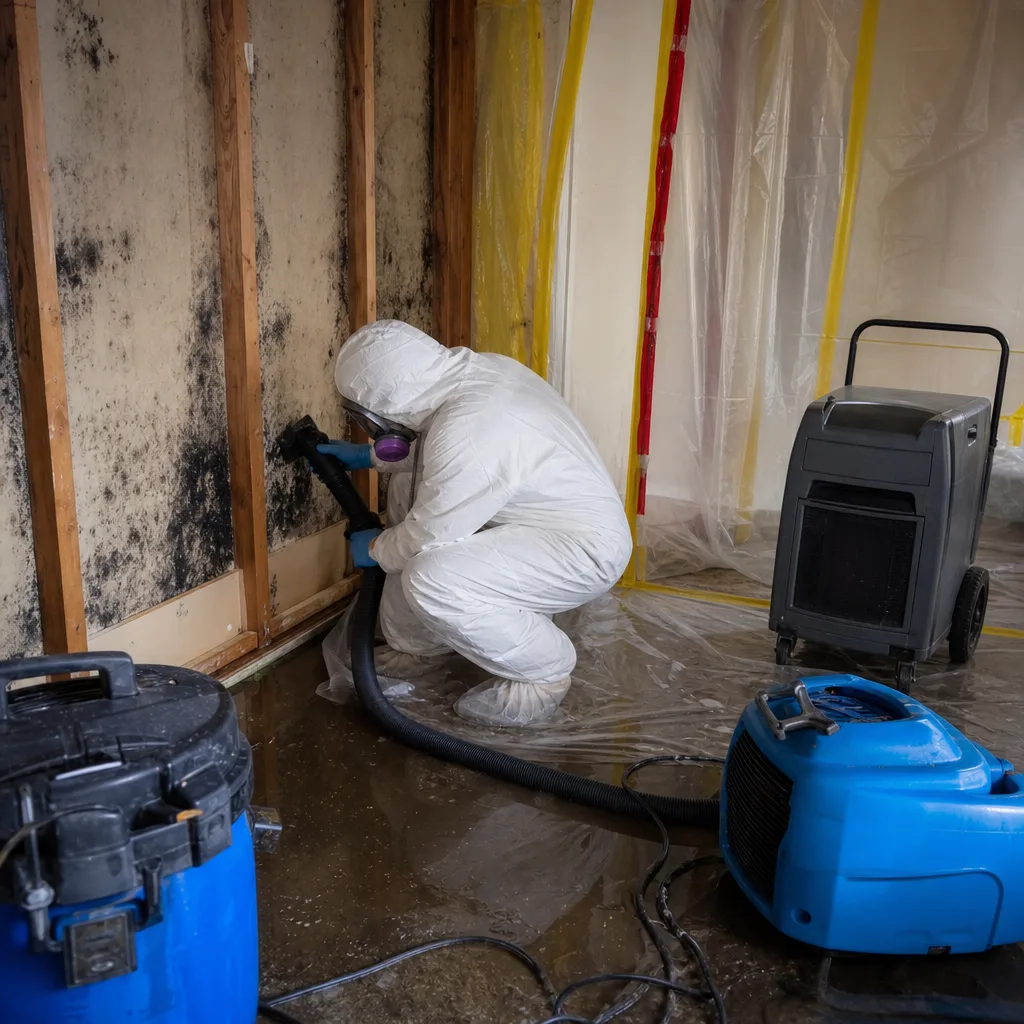
Roof leaks in Federal Way often start at wind-lifted shingles on low-slope ranch designs or at compromised flashing around original skylights in 1980s split-levels. Water travels along rafters and ceiling joists, appearing as stains far from the actual breach. We trace the source, document the water path with photos, and remove saturated drywall and insulation to expose framing for drying. Ceiling restoration in Federal Way homes with T1-11 siding and minimal roof overhangs frequently reveals secondary wall cavity moisture that requires Injectidry hose deployment to dry effectively.
Basement Water Removal
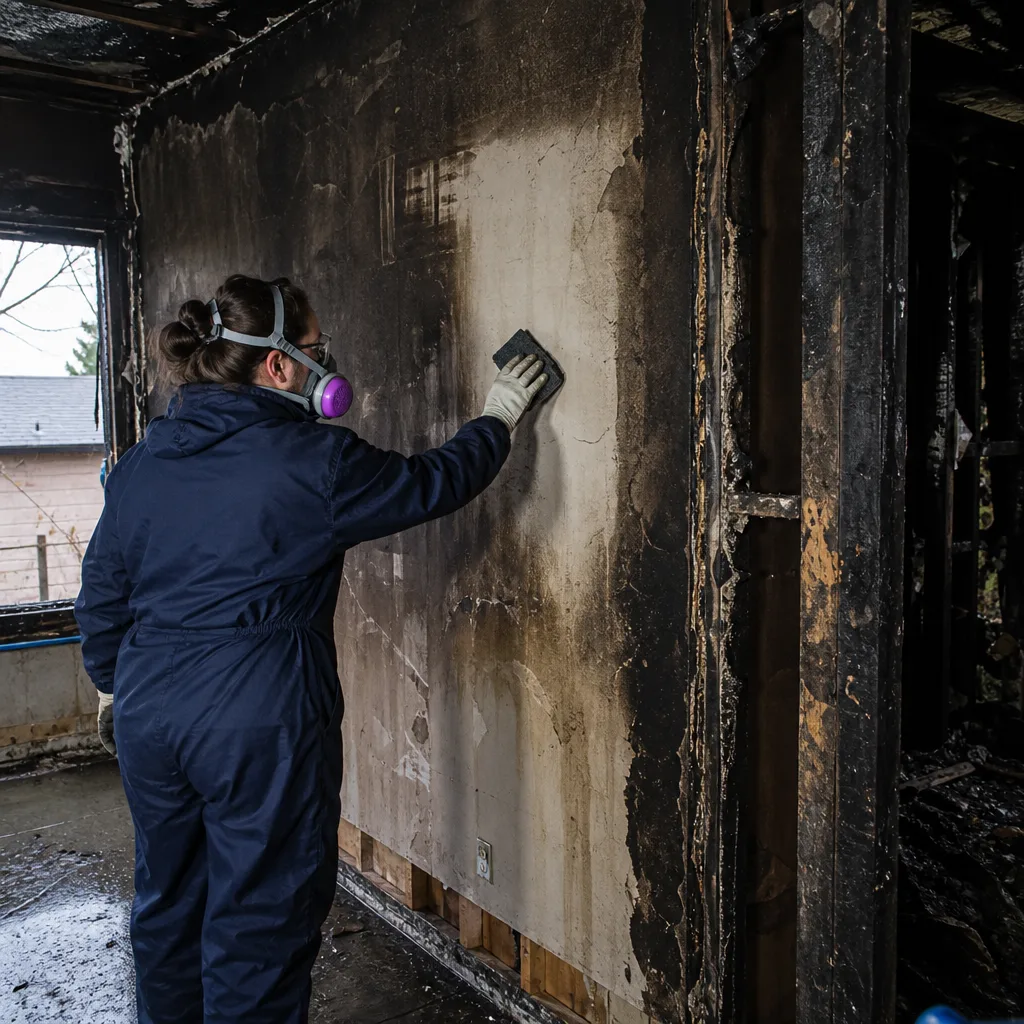
True basements are uncommon in Federal Way’s 1965-1995 housing stock; most homes have crawl spaces or daylight basements on sloped lots. Where basements do exist, particularly in newer construction near the West Campus area, water intrusion typically follows foundation wall seepage during sustained rainfall events. We assess drainage conditions, extract standing water, and deploy sub-floor drying systems with vapor barrier replacement where the original polyethylene has degraded.
What happens when you call
- 1
A real person answersNo phone trees - you reach a local pro.
- 2
You get an upfront price rangeHonest numbers before anyone is dispatched.
- 3
A background-checked tech heads outLicensed & insured, dispatched right away.
- 4
You approve before work beginsNothing starts until you say go.
BeforeAfterTrusted Brands We Service in Federal Way
Our Federal Way crews deploy professional-grade drying systems from Dri-Eaz, Phoenix, and Injectidry - equipment selected for the specific demands of Pacific Northwest marine moisture and the T1-11 siding, unvented crawl spaces, and glacial-soil drainage conditions that define this market. We don’t rent equipment by the day and hope for dry readings. We own our fleet, maintain it to manufacturer specifications, and document deployment times, psychrometric readings, and equipment retrieval in the daily drying logs that accompany every insurance submission. When a competitor’s estimate quotes generic “air movers and dehumidifiers,” our written scope names the model numbers, the placement strategy, and the expected drying curve - because Haven Standard, Clause 1 applies to equipment specification too.
Common Water Damage Restoration Problems We See in Federal Way Homes
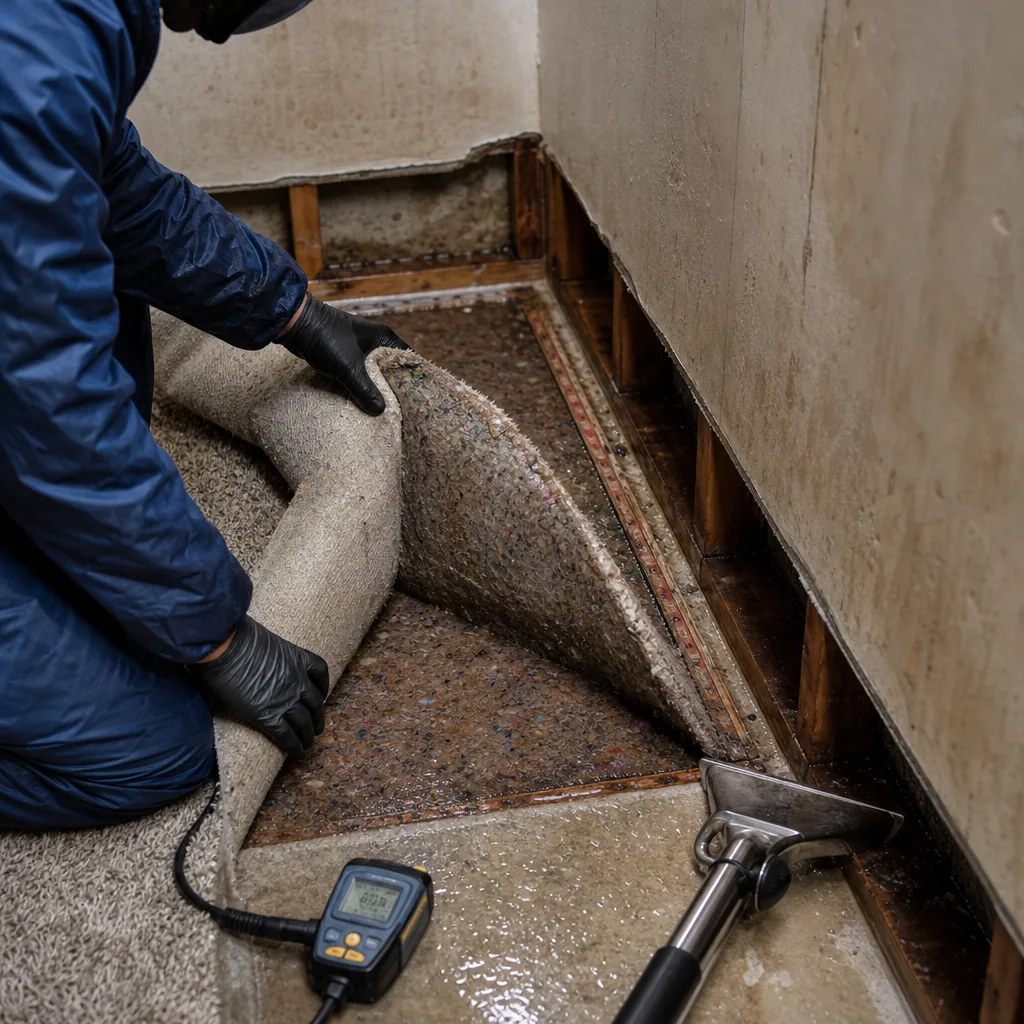
- Wind-driven rain through aging sliding door tracks. Federal Way’s 1970s-80s ramblers often have original aluminum sliding doors with failed weatherstripping and corroded thresholds. Storms push water directly into the wall cavity behind T1-11 siding, where it saturates the rim joist and migrates downward before any interior stain appears.
- Shredded poly vapor barriers in crawl spaces. The original 1970s polyethylene sheeting installed in Federal Way’s unvented crawl spaces has degraded to fragments under decades of groundwater pressure from the Hylebos Creek watershed. Saturated fiberglass batts hang from joists, and moisture mapping regularly reveals hidden Category 2 water that visual inspection misses entirely.
- Delayed mitigation after “cosmetic” storm damage. Homeowners often treat bent door tracks or dented siding panels as cosmetic issues. Failed seals and compromised flashing actually admit wind-driven rain that reaches structural framing. By the time interior signs appear, the 24-48 hour mold window has closed and Category 2 water has migrated into adjoining wall assemblies.
- T1-11 siding cavity water intrusion. T1-11 plywood siding, common on Federal Way’s 1970s-1980s construction, wicks moisture into the wall cavity when face seals fail. Unlike vinyl or fiber-cement cladding, T1-11 deteriorates from the back side first, hiding rot and mold growth until the siding face delaminates or interior drywall shows staining.
Pricing for Water Damage Restoration in Federal Way, WA
We publish ranges because Haven Standard, Clause 1 requires a written price before work starts - and that price should never come as a surprise.
| Service | Typical Federal Way Range |
|---|---|
| Emergency water extraction (up to 1,000 sq ft) | $1,200 - $2,400 |
| Structural drying & dehumidification (3-5 day protocol) | $3,500 - $6,800 |
| Crawl space water removal with vapor barrier replacement | $2,800 - $5,200 |
| Wall cavity drying (Injectidry system, per affected wall) | $800 - $1,600 |
| Category 2 water mitigation with antimicrobial treatment | $4,200 - $7,500 |
| Full-service flood cleanup with controlled demolition | $5,500 - $12,000 |
What moves a Federal Way job toward the higher end: T1-11 siding requiring partial removal to access wall cavities, extensive crawl space contamination requiring insulation removal and disposal, multiple affected levels in split-level designs, and Category 2 or 3 water classification requiring antimicrobial application and air scrubbing. What keeps costs controlled: rapid extraction call response, accurate moisture mapping that avoids unnecessary demolition, and documentation that gets insurance approval on the first submission. Every estimate is free. Bring a competitor’s written quote and we’ll provide a Free Second Opinion at no charge.
We Also Serve Cities Near Federal Way
Our crews respond throughout the southern Puget Sound metro from our Seattle coordination office. We provide Water Damage Restoration in Federal Way and surrounding communities including Kent, Renton, Issaquah, and Seattle. Each city’s housing stock, soil conditions, and failure patterns inform how we scope and document the work - because a written price that doesn’t account for local construction realities isn’t a real price.
Serving Federal Way, WA - Our Local Coverage Area
We’re based in the Federal Way area and know this community well. Use the map below to see our service coverage - if you’re nearby, we can almost certainly help.
FAQs - Water Damage Restoration in Federal Way
Federal Way’s 1970s-1980s ramblers were built with aluminum sliding doors on wood frames, and the marine climate has degraded the weatherstripping and thresholds over decades. Wind-driven rain pushes past these failed seals into the wall cavity behind T1-11 siding, then follows gravity and the path of least resistance down to the rim joist and into the crawl space. The original poly vapor barriers in these homes have shredded, so water pools on the dirt floor and saturates fiberglass insulation. Our field vignette: our crew got a call from a homeowner on the east side near the Hylebos Wetlands after a wind-driven rain event pushed water through a failing sliding door and into the wall cavity behind the T1-11 siding. We pulled the crawl space access panel and found the original 1970s poly vapor barrier in shreds, saturated fiberglass batts, and active fungal growth on the rim joists - we set up containment, extracted the standing water, ran Dri-Eaz and Phoenix dehumidifiers with air movers for structural drying, and applied antimicrobial treatment before rebuilding the door framing and siding. Call (425) 671-5392 for documentation of your specific conditions - estimates are free.
Mold colonization begins on wet organic materials within 24 to 48 hours in Federal Way’s climate, where ambient humidity from October through May keeps structures from drying passively. T1-11 siding and the oriented strand board behind it provide ideal nutrient sources. By 72 hours, visible growth is likely in wall cavities and crawl spaces where airflow is minimal. This timeline is why we emphasize same-day extraction and why delayed mitigation of “cosmetic” door or siding damage so often becomes a full mold remediation scope. The 365-Day Done Right Promise covers our drying work, but it can’t reverse mold growth that started because a homeowner waited for an insurance adjuster’s visual inspection before calling. Call (425) 671-5392 - we document conditions immediately and coordinate directly with adjusters so you don’t have to choose between speed and coverage.
Category 2 water contains significant contamination and has the potential to cause discomfort or sickness if contacted or consumed by humans - this includes groundwater intrusion, sump pump failures, and water that has passed through building materials. In Federal Way crawl spaces, Category 2 classification is common because Hylebos Creek watershed groundwater carries soil contaminants, and failed vapor barriers allow direct contact with dirt floors. Category 2 scope requires antimicrobial treatment of affected structural materials, removal of saturated porous materials like fiberglass insulation, and air scrubbing during drying. It also changes insurance documentation requirements - we photograph contamination evidence, specify the classification rationale in the written scope, and produce the daily moisture logs that justify continued equipment placement. Without this documentation, adjusters routinely dispute Category 2 mitigation charges. Call (425) 671-5392 for a written scope that specifies the classification and the exact protocol.
Yes, T1-11 siding worsens water damage outcomes in Federal Way compared to newer cladding systems. T1-11 is plywood panel siding with vertical grooves; when face seals fail or water enters at trim joints, the plywood wicks moisture into the wall cavity. Unlike vinyl or fiber-cement, T1-11 deteriorates from the back side first, so exterior appearance gives no warning of cavity saturation. In Federal Way’s persistent marine rainfall, this hidden deterioration is advanced by the time interior drywall shows staining. Restoration then requires partial siding removal to access and dry the wall cavity, extending the mitigation timeline and increasing cost. Our moisture mapping protocol includes readings at the sheathing layer behind T1-11 to catch this hidden damage before reconstruction begins. Call (425) 671-5392 - we document cavity conditions with photos and readings, not guesses.
First, stop the active water intrusion if safely possible - tarp a roof breach, tape plastic over a damaged door, or close interior doors to contain migration. Second, call (425) 671-5392 immediately; a live person answers 24 hours a day, 7 days a week, and we’ll dispatch for same-day extraction if standing water is present. Third, photograph everything before moving or drying anything - insurance documentation starts with your photos, and we supplement with our professional photo record on every visit. Fourth, do not wait for an adjuster’s inspection before calling; our written scope and moisture documentation satisfy adjuster requirements, and delays past 24 hours risk mold colonization that complicates both health and coverage. We deliver a written price before work starts, coordinate directly with your insurance company, and cover every job with the 365-Day Done Right Promise. The call costs nothing. The estimate is free.
Written by Alicia Brennan, Owner at Back to Dry Restoration, serving Federal Way since 2011 under The Haven Standard.