
Free visual inspection and a written scope of work before any mitigation begins - photos, moisture readings, and drying logs go in your claim file
The scope we write is the scope we bill. Anything new gets shown to you, in writing, before we touch it.
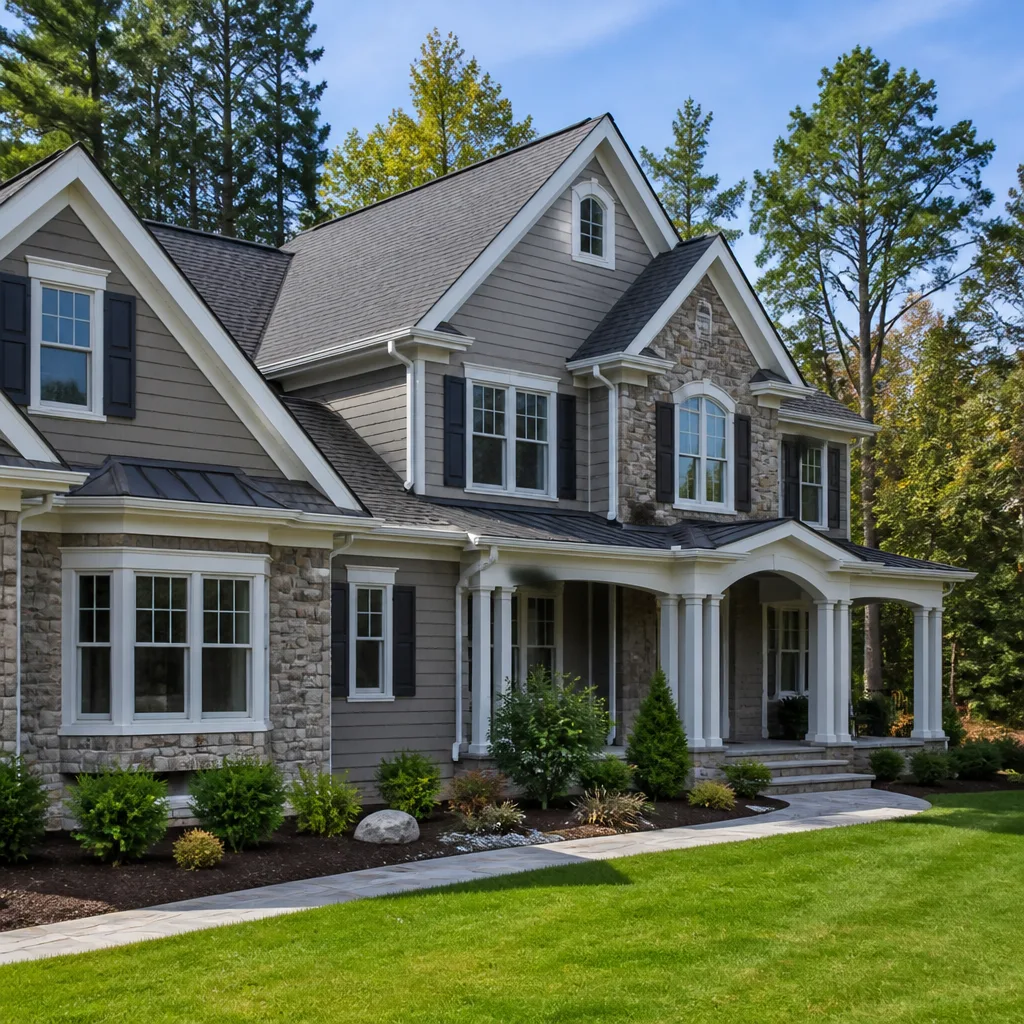
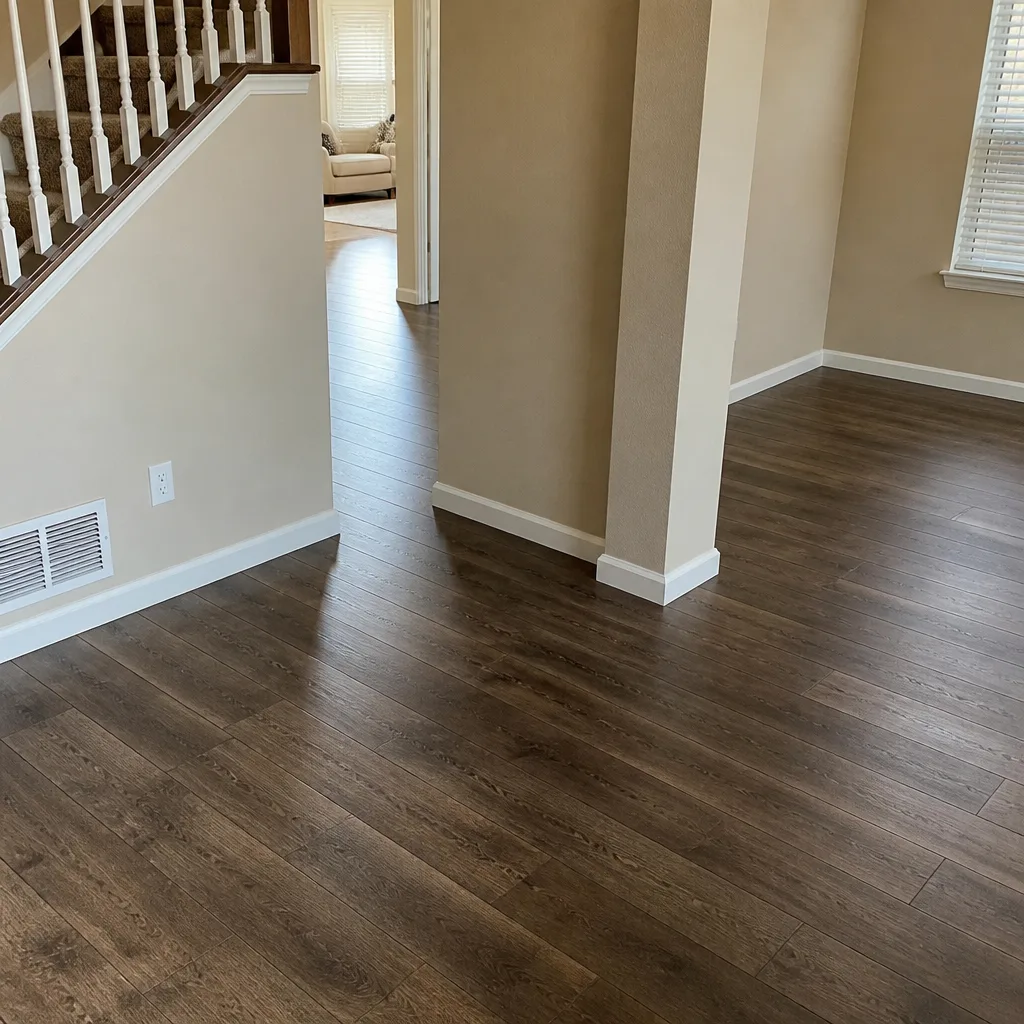
 Before
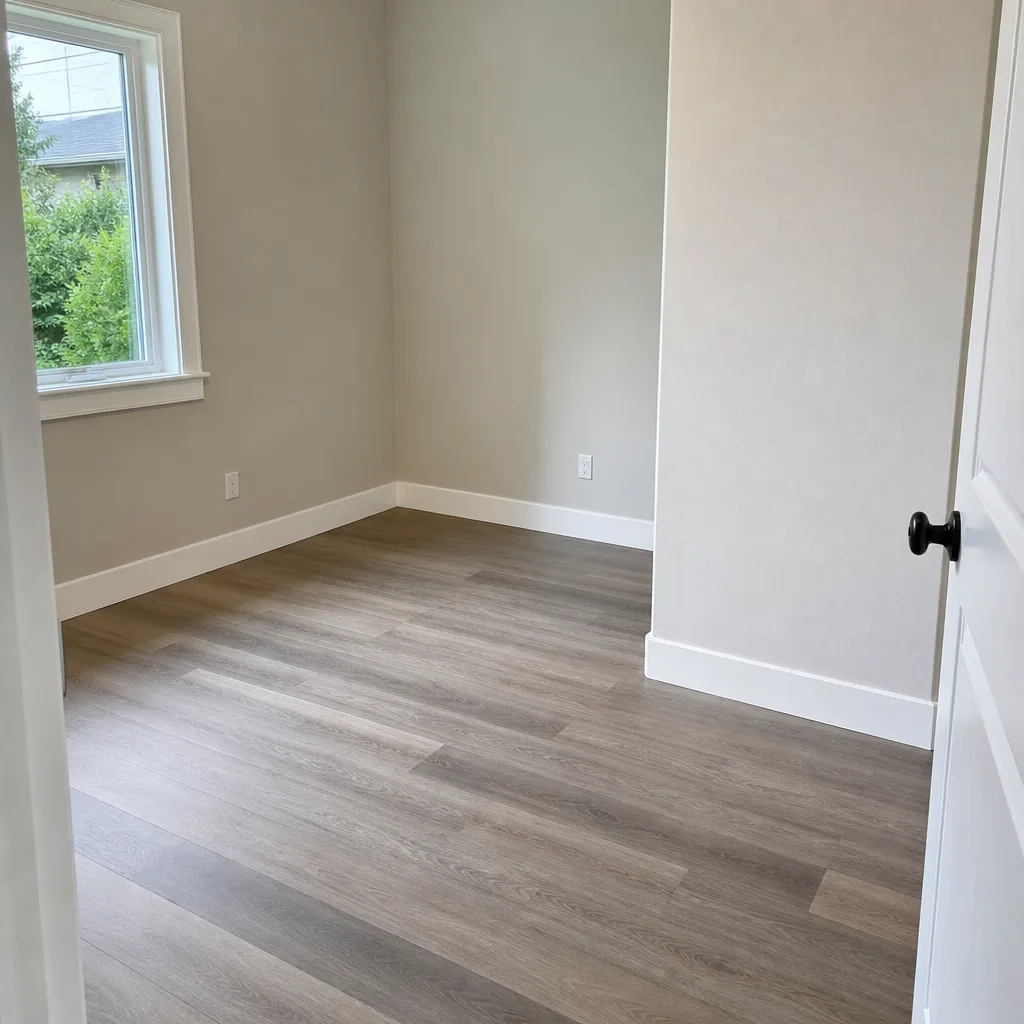 After
After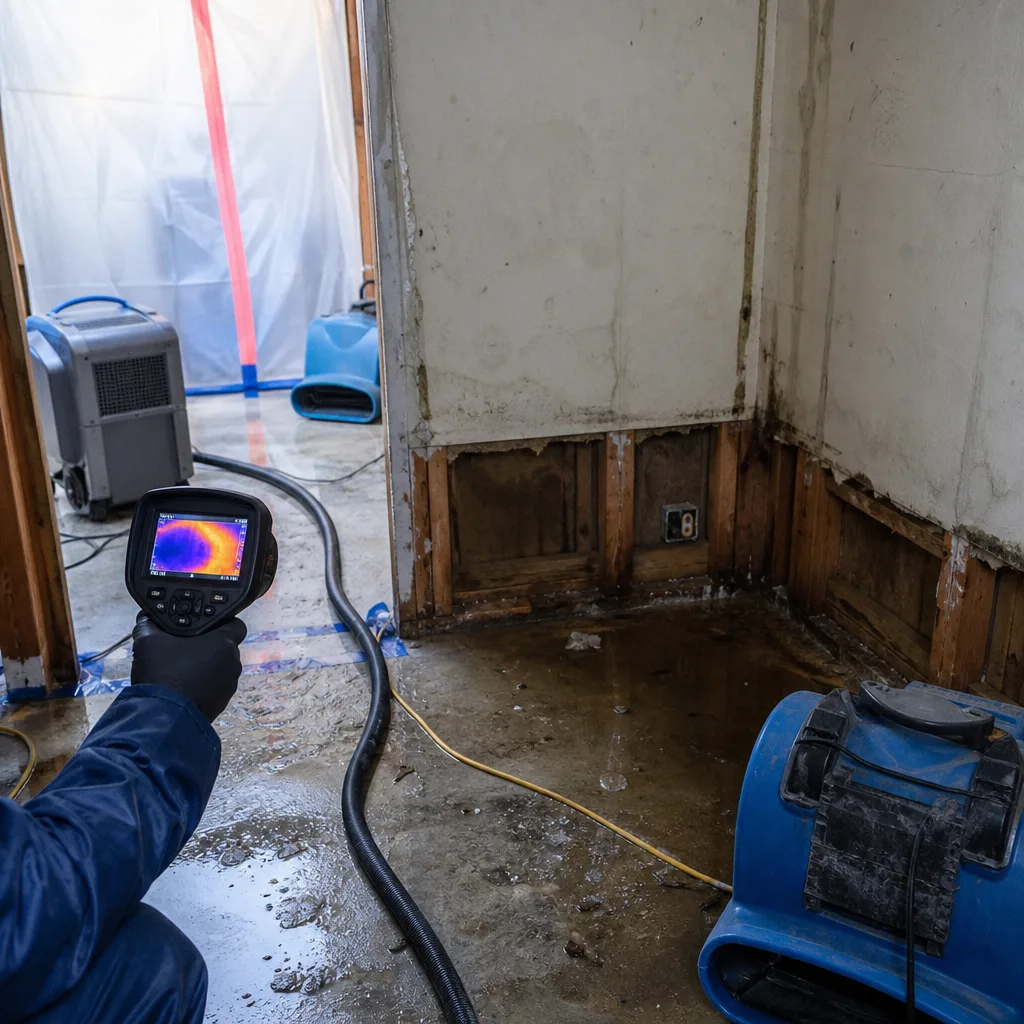 Before
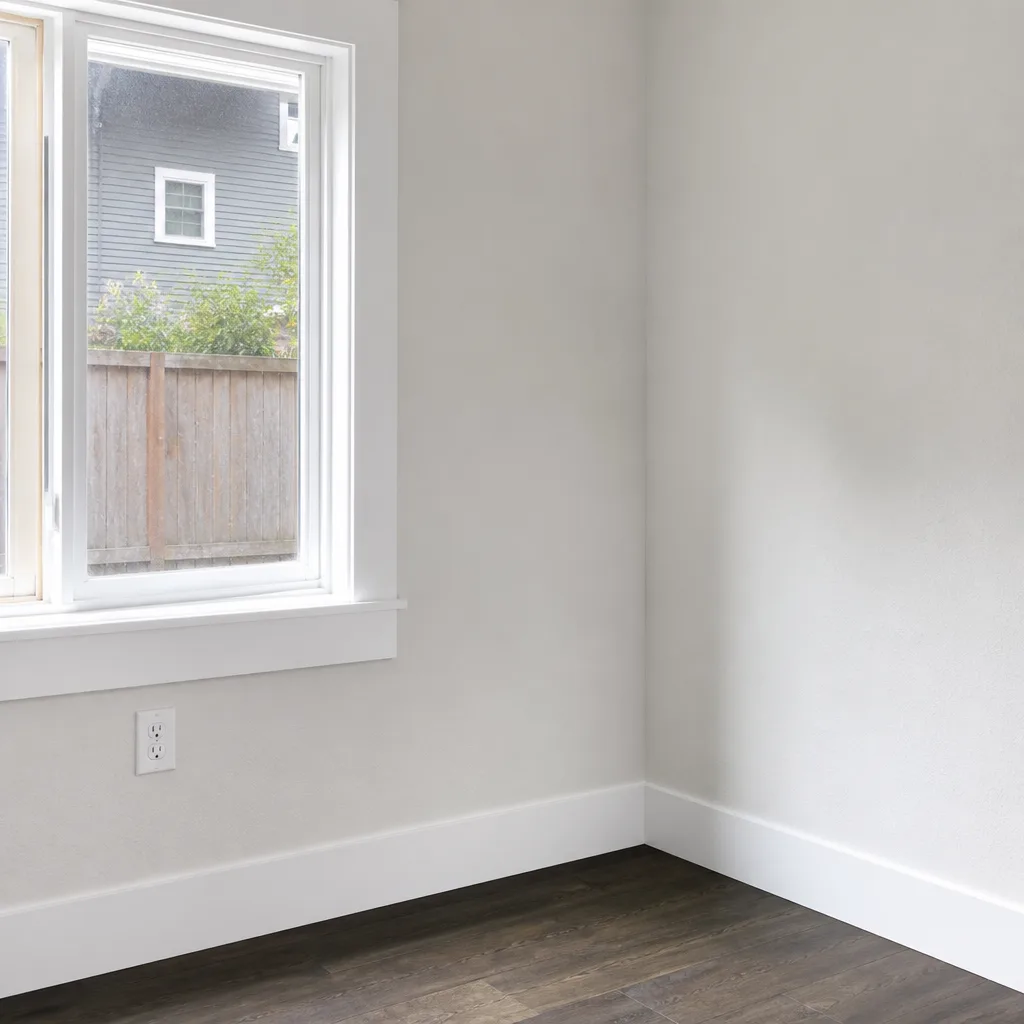 After
After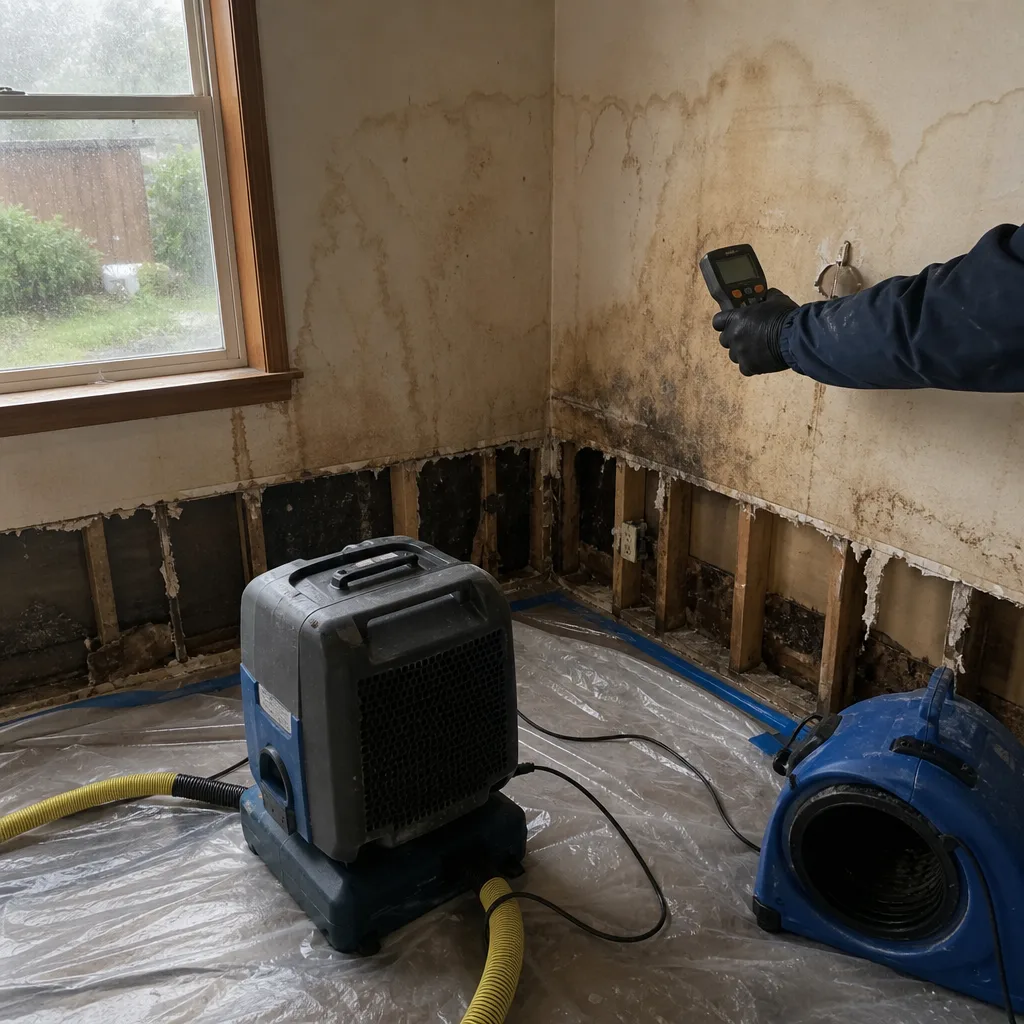 Before
 After
AfterFast, Reliable Mold Remediation Across SeaTac
Mold remediation in SeaTac typically costs between $1,800 and $5,500 depending on whether the colony is localized to a single cavity or has spread through multiple wall systems and into crawl spaces. Most SeaTac inspections can be scheduled within 24 hours, with containment and removal beginning as soon as the written scope is signed. Call (425) 671-5392 to book a free inspection and receive a written price before any work starts - Haven Standard, Clause 1.
We’ve worked SeaTac’s neighborhoods from McMicken Heights to Angle Lake to the residential blocks along South 188th Street. Our crews know the local housing stock: the 1950s ramblers, the 1960s duplexes built for Boeing and airport workers, and the Port of Seattle sound-insulated homes that present a mold problem you won’t find in Burien or Tukwila at anywhere near this frequency. Dispatch and scheduling are coordinated from our Seattle office, but our technicians live in the metro area and carry the equipment to SeaTac daily.
Why DryMark Restoration Seattle Is SeaTac’s Preferred Mold Remediation Company
Back to Dry Restoration, led by Alicia Brennan, has completed mold remediation in more than 12,000 homes since 2011. Every job started with a written price, ended with a photo record, and carried the 365-Day Done Right Promise stamped under The Haven Standard. We’re not a franchise. We’re independently owned and operated, and we answer our own phones.
SeaTac homeowners find us because they read the three-star reviews. They want to know whether a company documents what it finds, writes down what it will cost, and stands behind the work with something signed rather than spoken. Our answer is The Haven Standard: a written scope before work begins, a photo record on every visit, and a warranty with a clause number.
Our live phone coverage runs 24 hours a day, 7 days a week. No voicemail trees. When you call (425) 671-5392, a person answers. For mold emergencies - a water heater failure in a McMicken Heights crawl space, a dishwasher line behind a sound-insulated kitchen wall - we aim to have a technician on-site in SeaTac within hours, not days.
We also offer a Free Second Opinion on any competitor’s written estimate. Bring another company’s scope to us and we’ll review it at no charge. It’s a useful check when you’re staring at a $4,000 proposal for work you can’t see inside your walls.
Our Mold Remediation Services in SeaTac
Mold Inspection & Testing
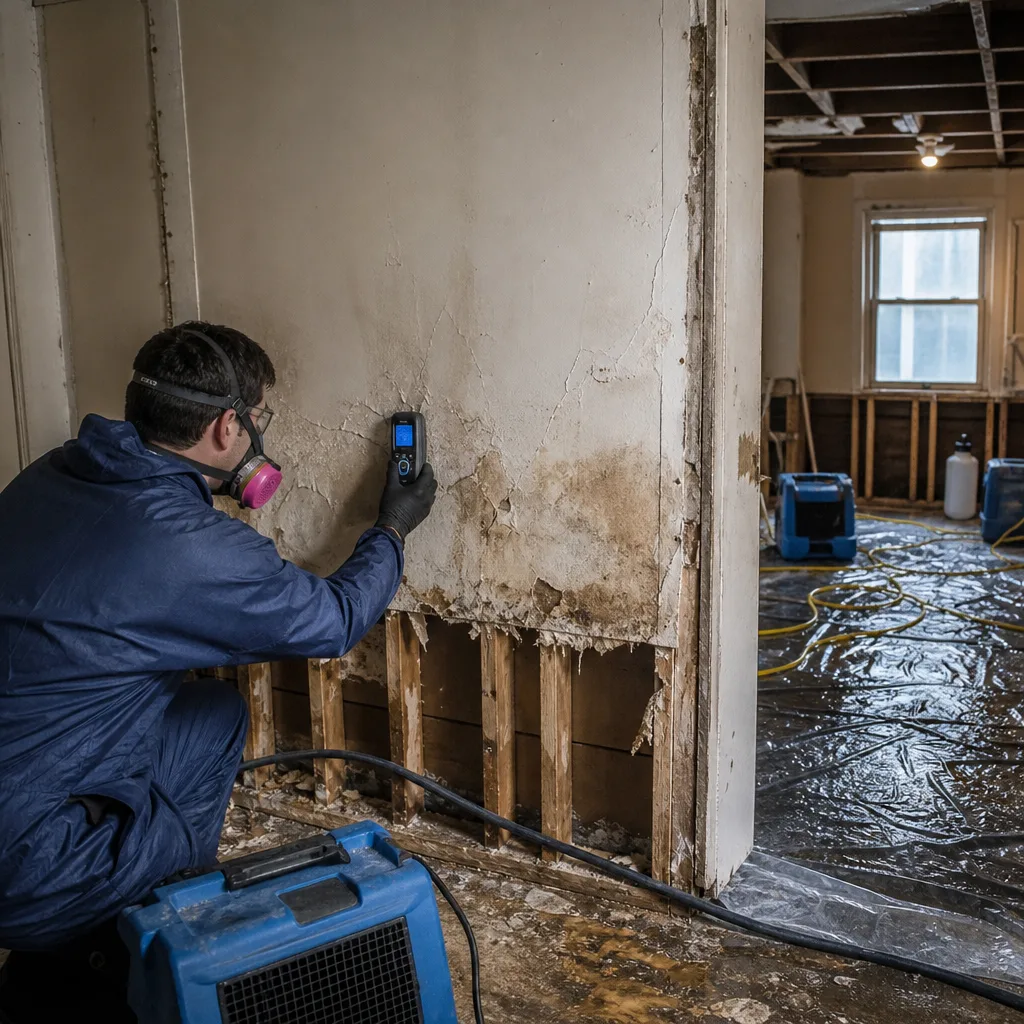
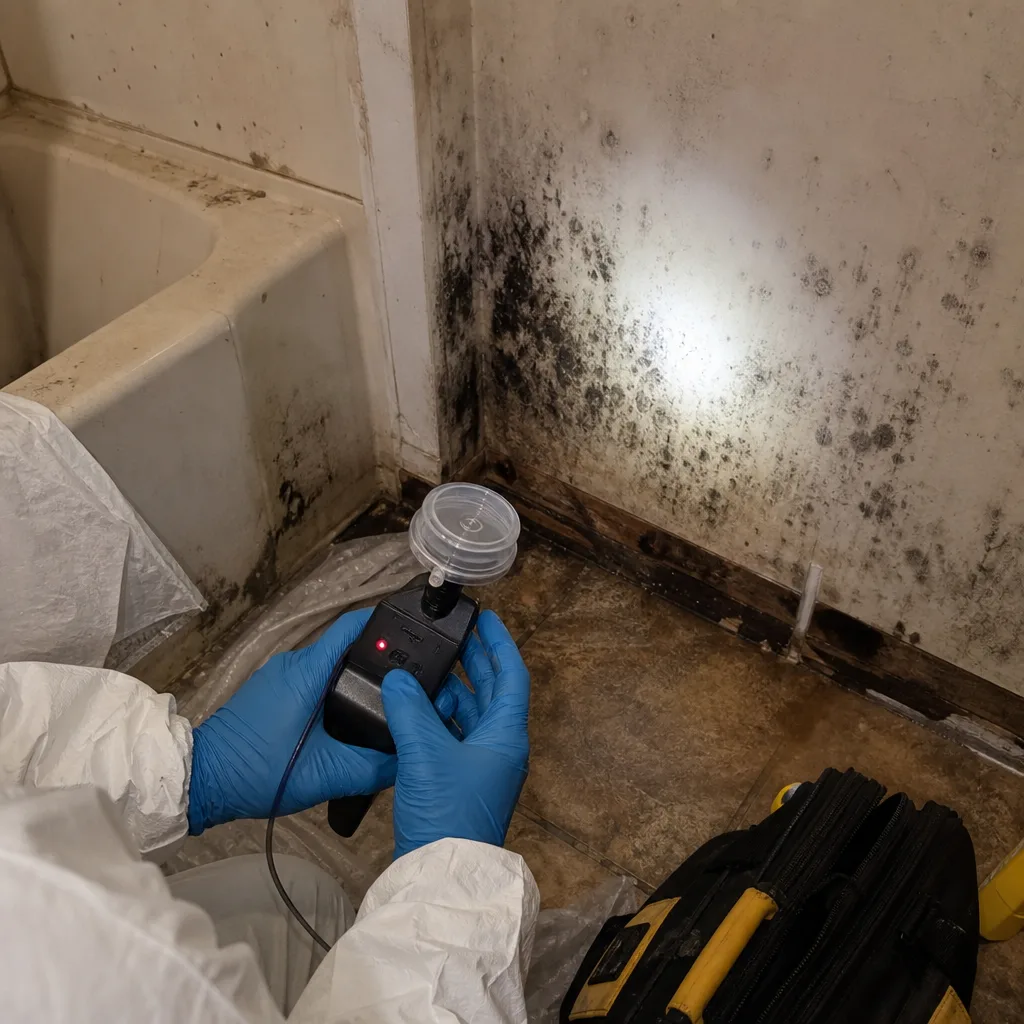
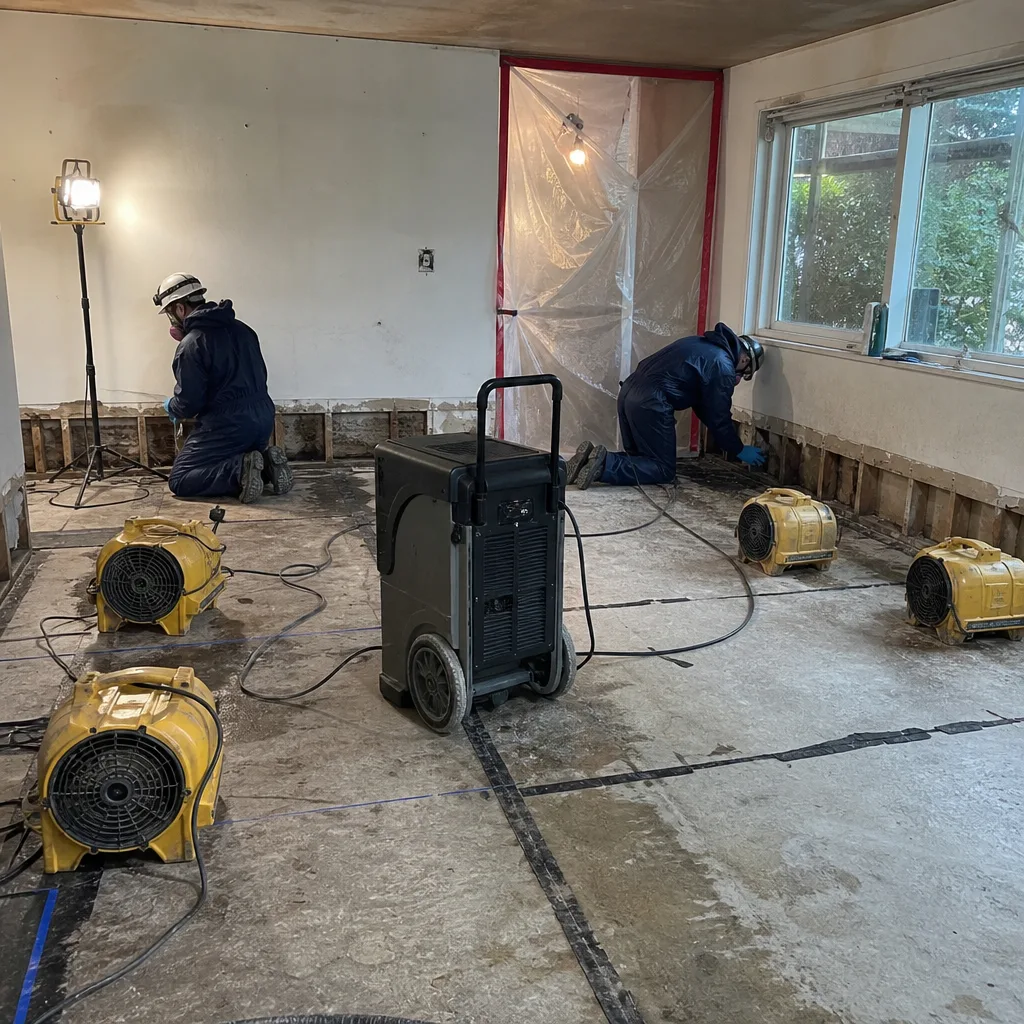
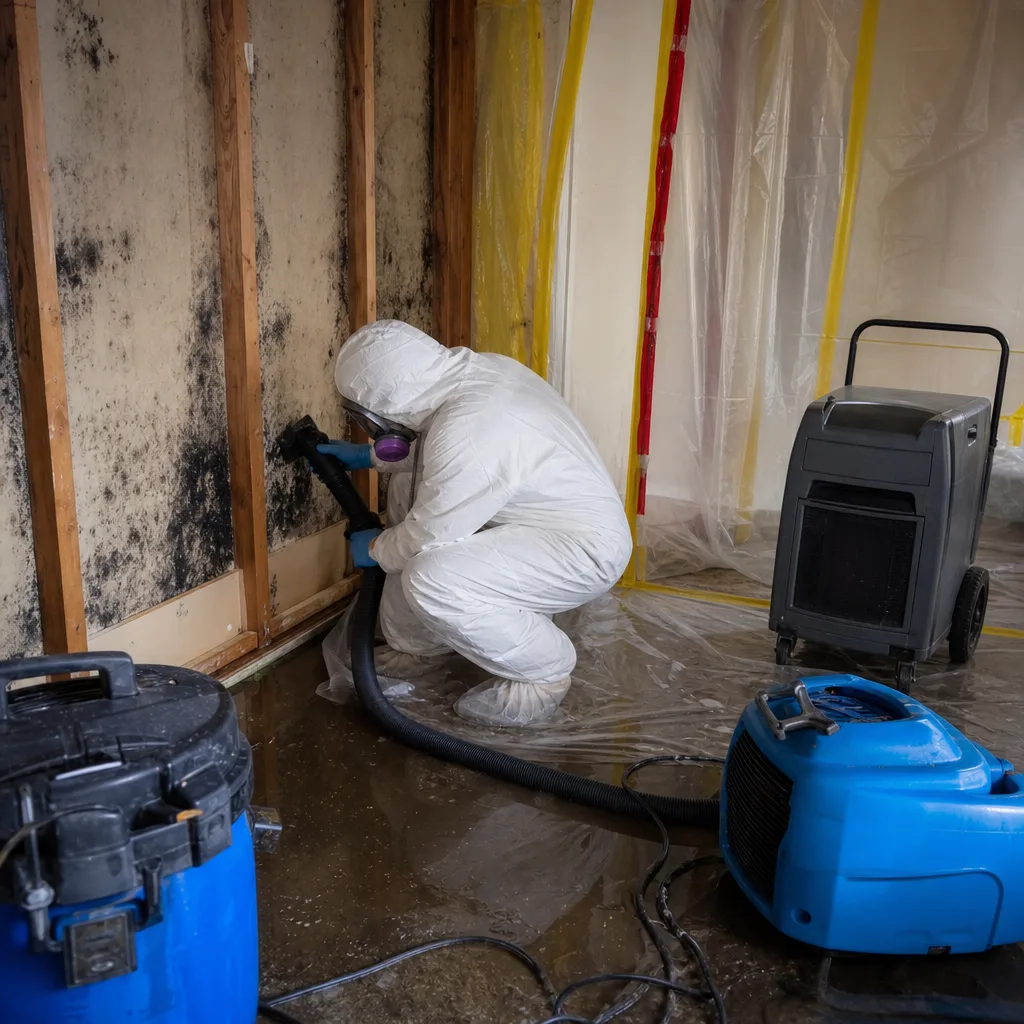
SeaTac’s Port of Seattle Residential Sound Insulation Program creates a specific inspection challenge. The retrofits layered sealed windows, added wall and attic insulation, and modified HVAC over 1950s-1970s homes that never had interior vapor barriers. Moisture that once escaped through drafty construction now condenses inside wall cavities. Our crew got a call from a homeowner on South 176th Street near the airport, where a Port-retrofitted 1964 rambler showed a musty odor but dry interior walls. We ran moisture mapping and moisture readings, and the meter spiked behind the newer rigid foam batts against the original fiberboard sheathing - the sound insulation had trapped condensation that the original drafty wall would have vented. We set containment, removed the wet batt and sheathing section, applied antimicrobial treatment, and ran structural drying with Dri-Eaz dehumidification and air movers until drying logs matched the dry standard.
A standard SeaTac mold inspection runs $350-$650 and includes room-by-room moisture mapping, thermal imaging to locate temperature differentials behind retrofitted insulation, air sampling for spore counts, and a written report with photo documentation. If we find active colonization, the inspection fee is credited toward remediation.
Mold Removal
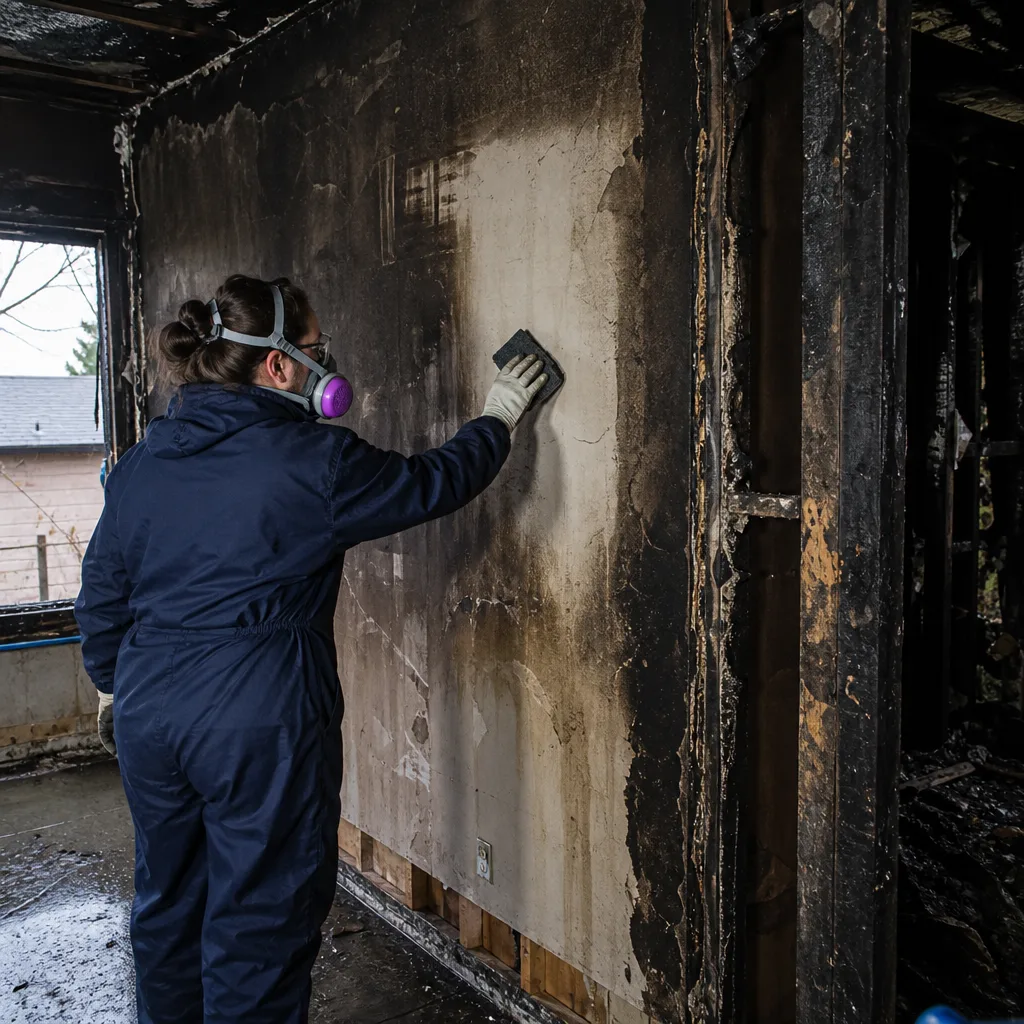
Removal pricing in SeaTac starts around $1,800 for a contained single-room colony and ranges to $4,500 for multi-room jobs involving drywall, insulation, and subfloor material. We don’t quote over the phone. A technician visits, documents the affected square footage, identifies the material classification (porous vs. non-porous by trade name), and delivers a written scope with a fixed price before any containment goes up.
In SeaTac’s sound-insulated homes, removal often means accessing the cavity between retrofitted insulation and original sheathing. That requires controlled demolition of the interior finish, negative air containment, and HEPA filtration during extraction. We document each phase with dated photos for your records and, if needed, your adjuster.
Black Mold Remediation
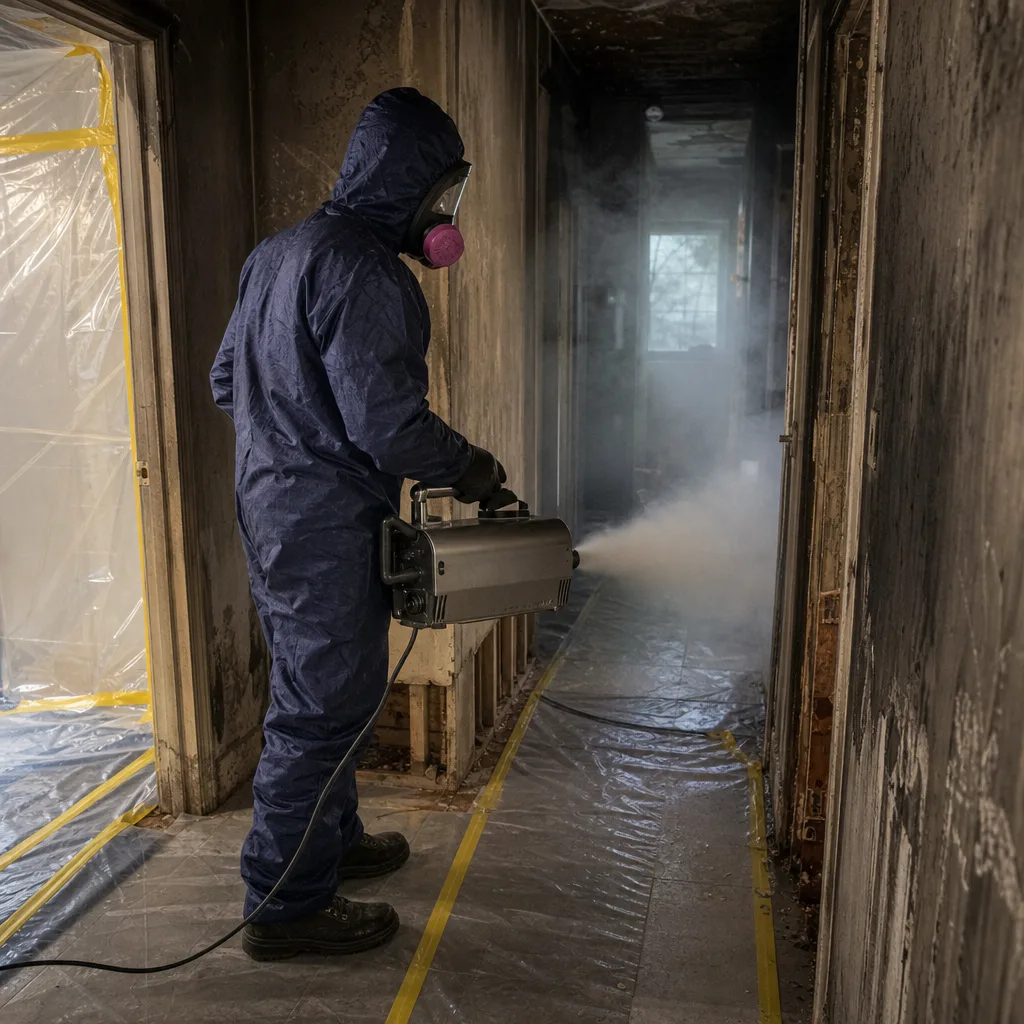
Stachybotrys chartarum and other toxigenic species require the same containment protocol regardless of color, but black mold calls in SeaTac often trace to the same source: the hidden cavity behind Port-installed insulation where moisture has accumulated for months without surface indication. We treat these jobs with full containment, PPE for technicians, and third-party post-remediation verification air sampling to confirm spore counts have dropped to background levels.
A typical black mold remediation in SeaTac runs $2,800-$5,500 depending on cavity depth, whether the original fiberboard sheathing requires removal, and whether the HVAC system needs cleaning after spore dispersal.
Air Quality Restoration
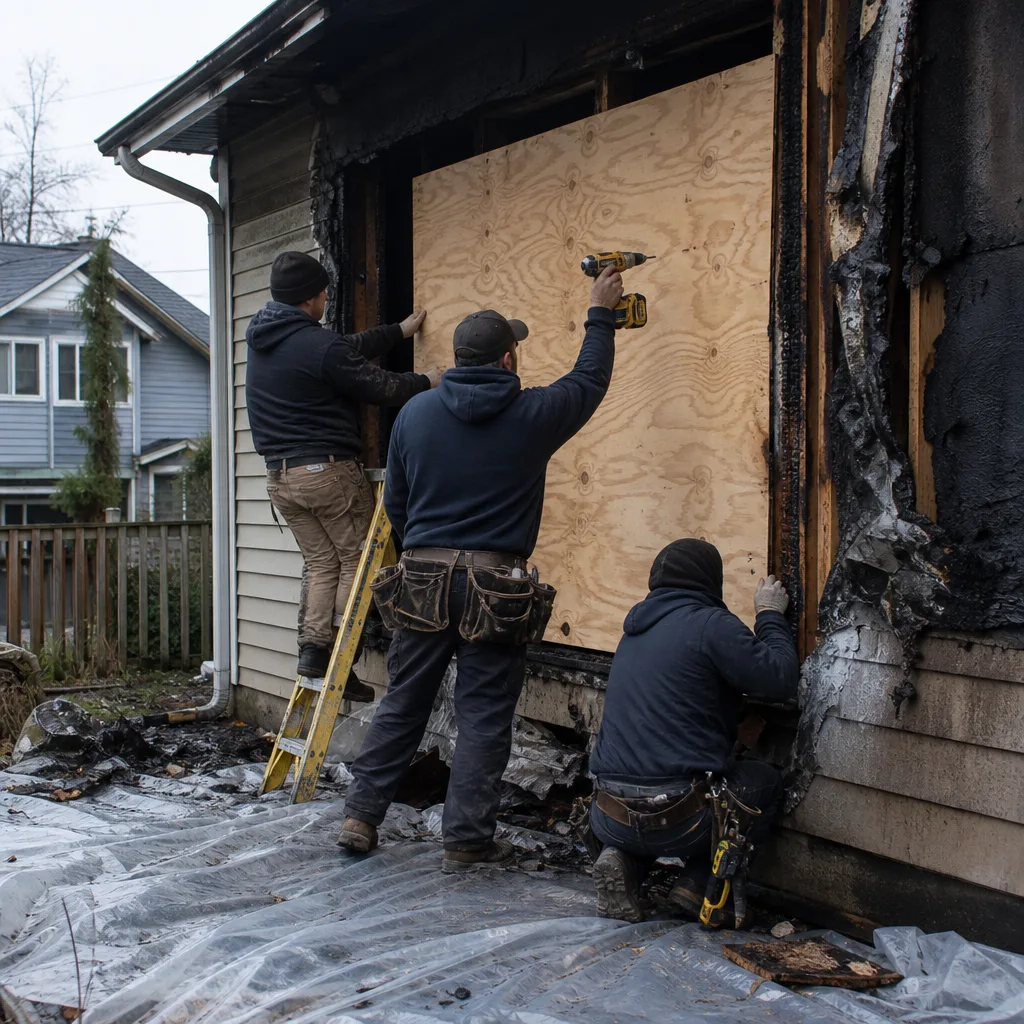
After removal, we restore breathable air through HEPA air scrubbing, duct cleaning where indicated, and third-party air quality testing. In SeaTac’s tight building envelopes, this step matters more than in draftier construction. A home that can’t ventilate passively needs active assurance that the air handling system isn’t circulating residual spores.
Air quality restoration as a standalone service runs $800-$1,400 in SeaTac. Bundled with full remediation, it’s typically $400-$700 additional.
Crawl Space Treatment
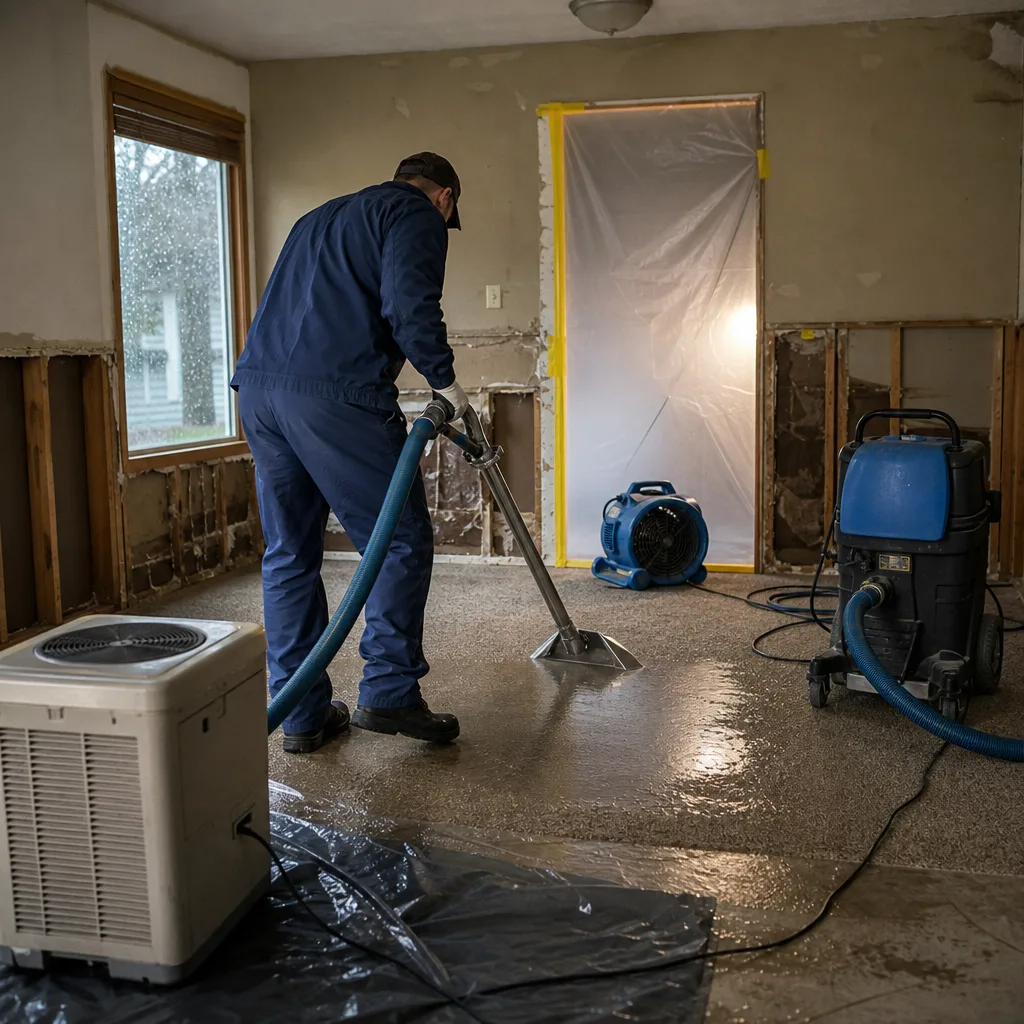
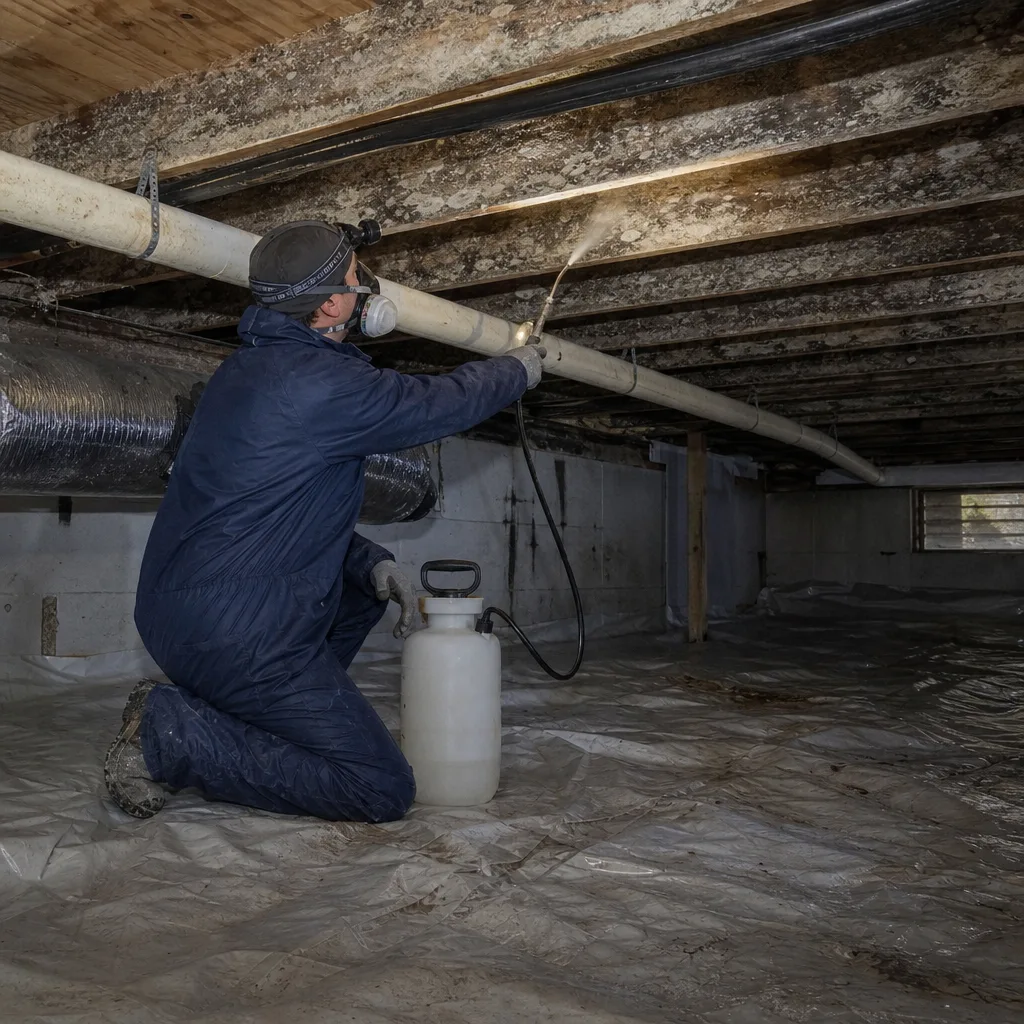
SeaTac’s 1950-1975 housing stock sits on crawl-space foundations close to clay-heavy, poorly draining soil. Groundwater wicks through glacial till into these spaces year-round, and the October-May wet season keeps ambient humidity above 80%. We treat crawl spaces with vapor barrier installation, dehumidification, and structural drying to IICRC standards, with daily moisture logs that document progress toward the dry standard rather than ambient conditions.
Crawl space treatment in SeaTac ranges from $2,200 for vapor barrier and dehumidifier installation to $4,800 for full remediation involving mold-affected joists and subfloor.
Moisture & Humidity Control
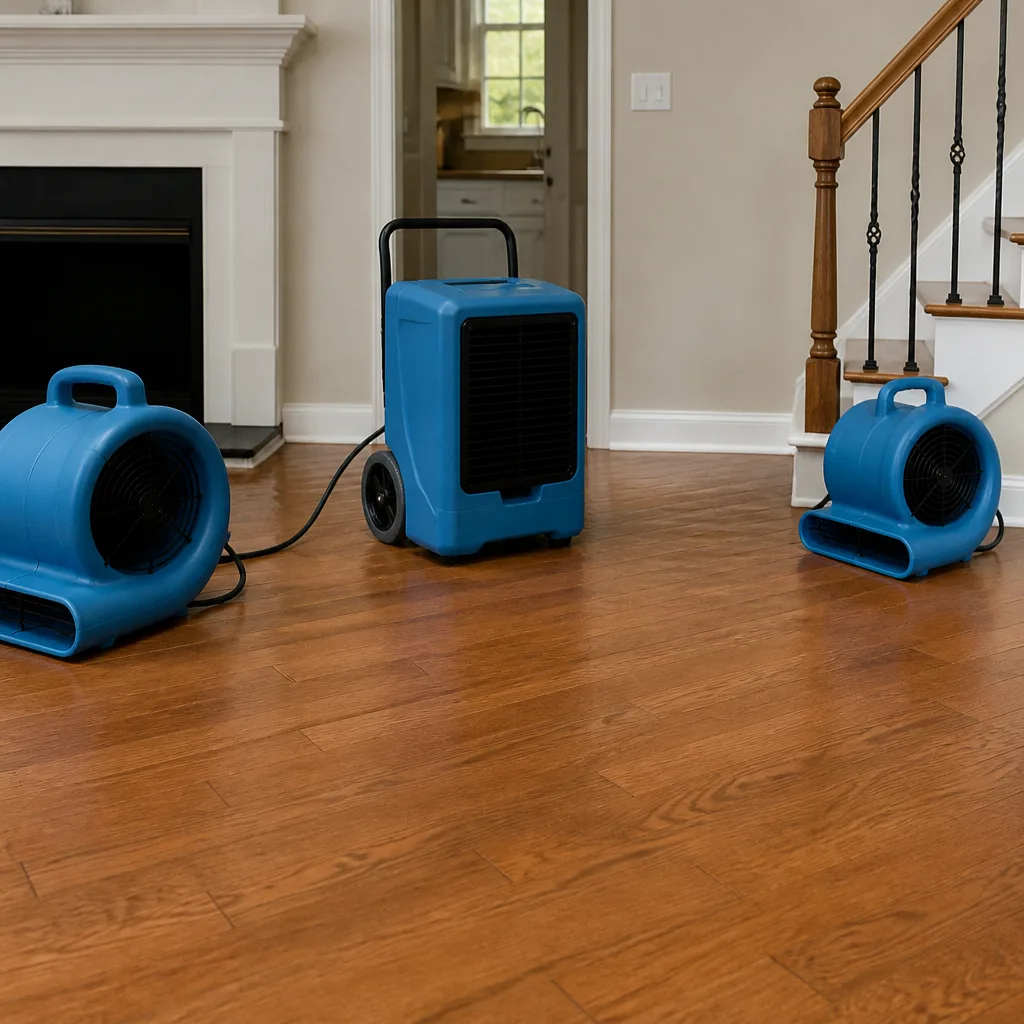
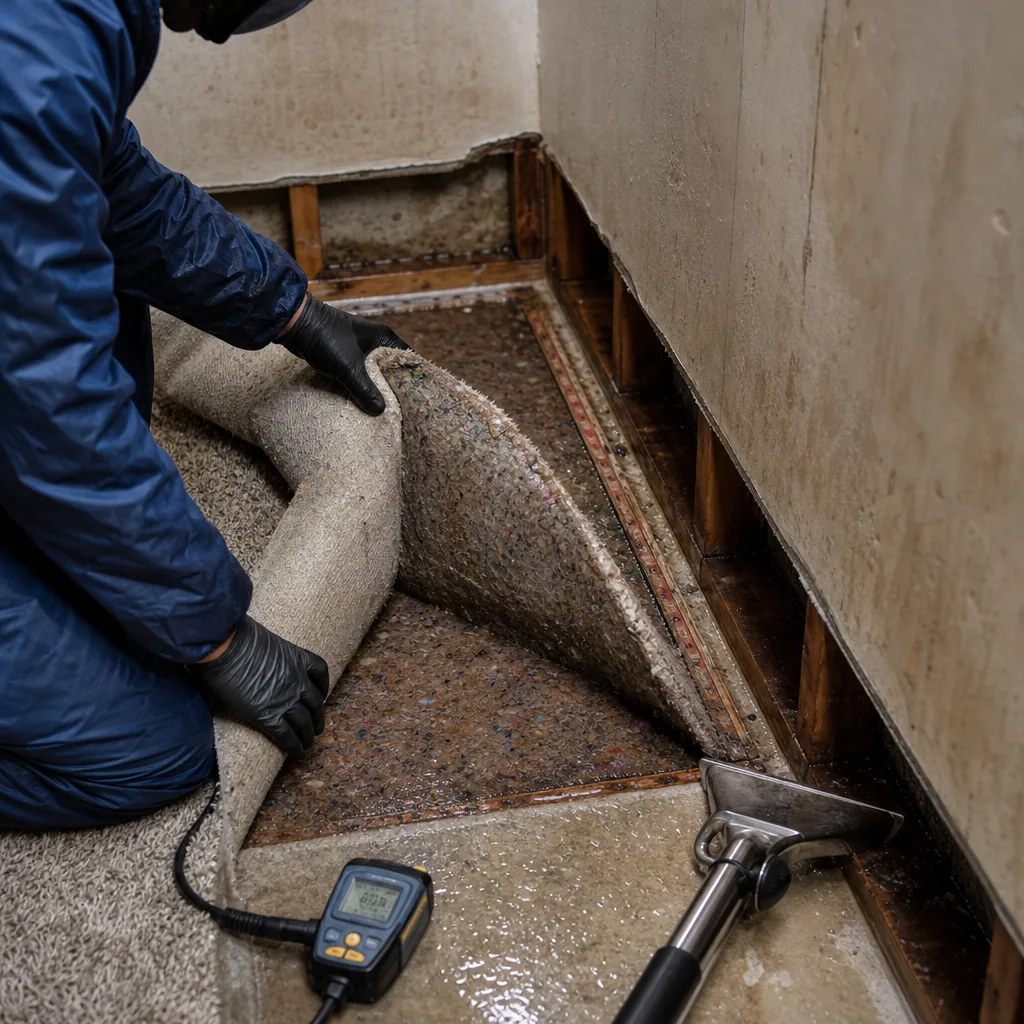
Long-term moisture control in SeaTac requires addressing the source, not just the symptom. For sound-insulated homes, that may mean installing mechanical ventilation to compensate for the sealed envelope. For crawl spaces, it means vapor barriers rated for the local water table and dehumidification sized to the cubic footage, not the square footage. We specify equipment from Dri-Eaz, Phoenix, and B-Air, document psychrometric data (temperature, relative humidity, and vapor pressure differential - the force that drives moisture through materials), and adjust the drying plan until the numbers match the standard.
What happens when you call
- 1
A real person answersNo phone trees - you reach a local pro.
- 2
You get an upfront price rangeHonest numbers before anyone is dispatched.
- 3
A background-checked tech heads outLicensed & insured, dispatched right away.
- 4
You approve before work beginsNothing starts until you say go.
BeforeAfterTrusted Brands We Service in SeaTac
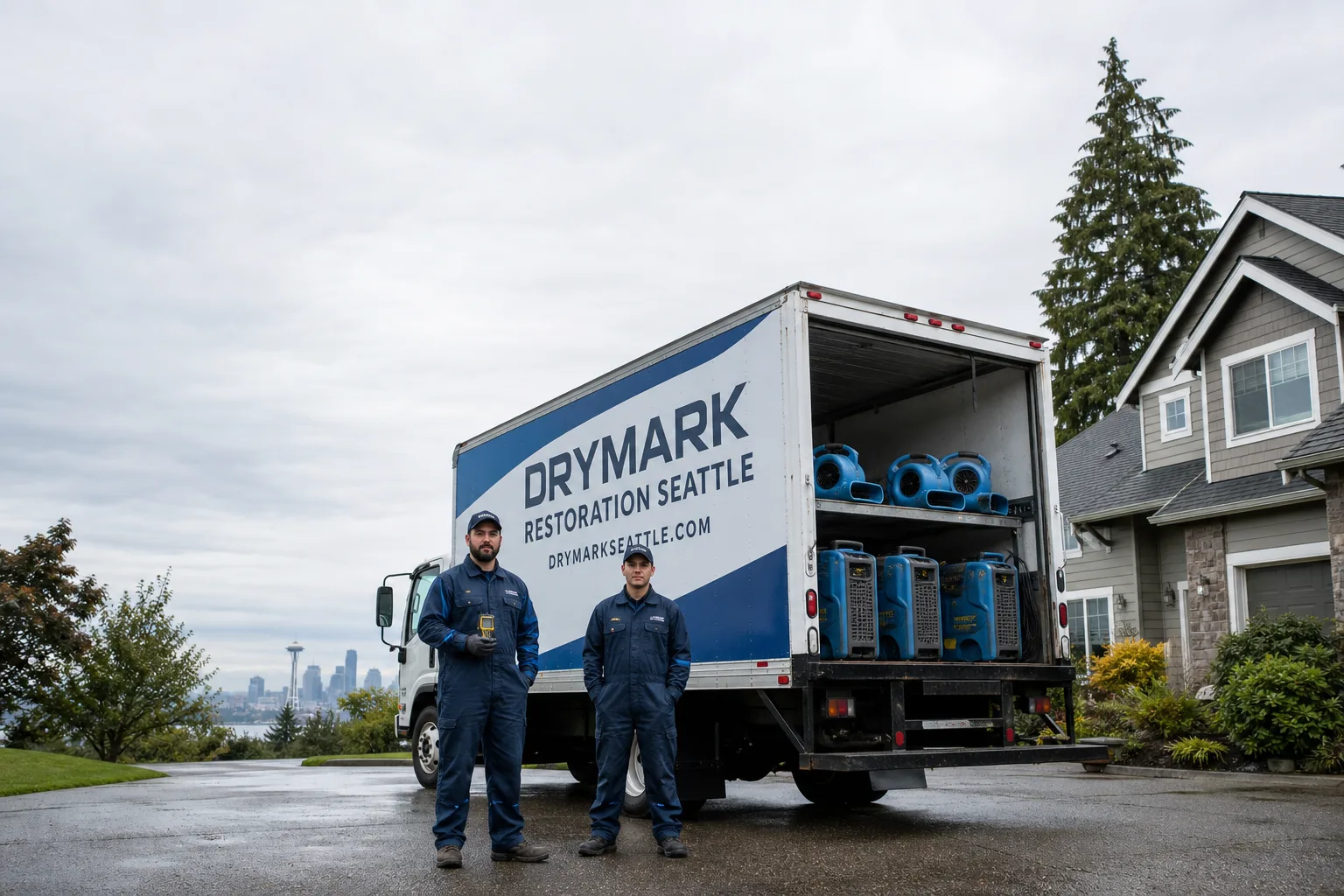
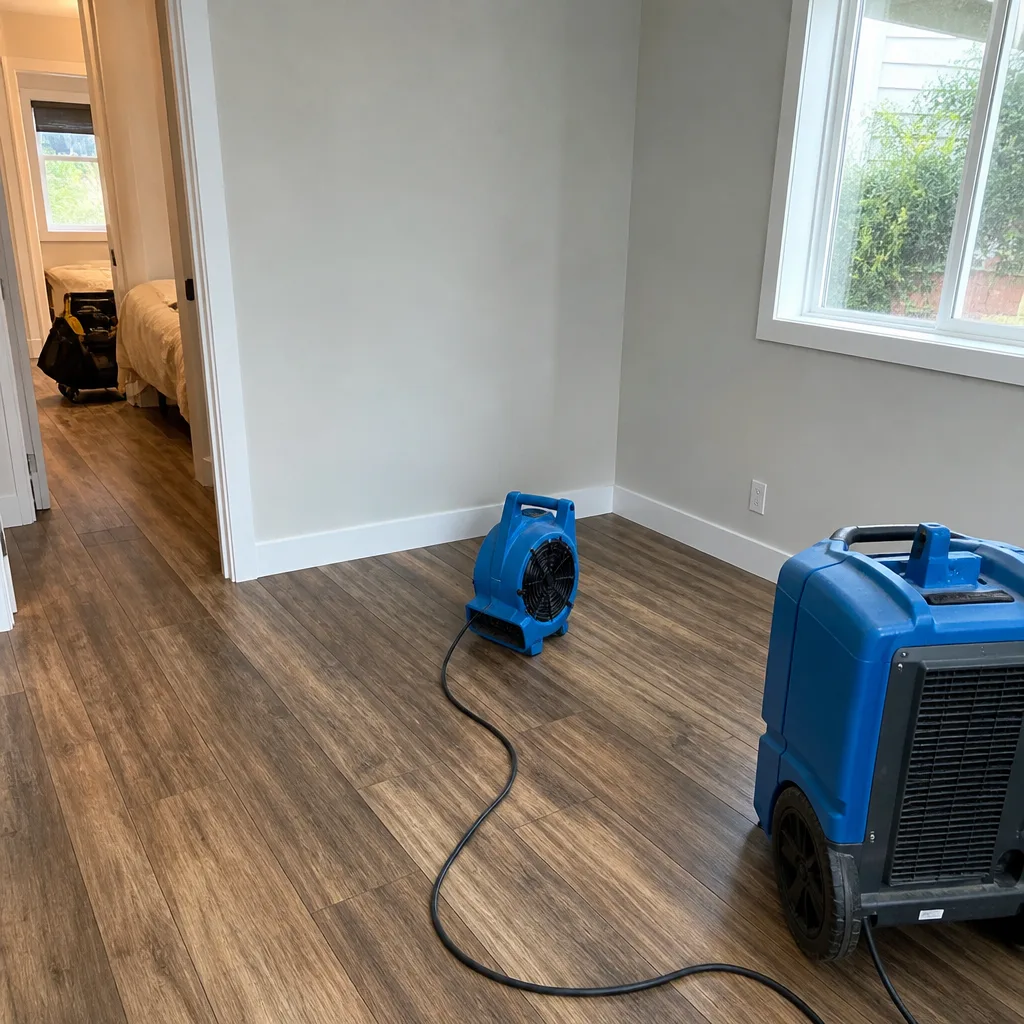
Our equipment inventory includes professional-grade drying systems from Dri-Eaz, Phoenix, XPOWER, B-Air, and Injectidry. For SeaTac’s sound-insulated homes, we stock Injectidry systems that deliver heated, dehumidified air into wall cavities through small access points - minimizing the demolition needed to dry behind retrofitted insulation. We document all work to IICRC, RIA, and IFA standards, producing the daily drying logs and photo records that turn restoration invoices into payable insurance claims. Parts and replacement units are warehoused locally, so if a dehumidifier fails on a SeaTac job, we swap it same-day rather than waiting on freight.
Common Mold Remediation Problems We See in SeaTac Homes
- Hidden cavities behind sound-insulation retrofits. Exterior moisture readings look normal because the wet layer is sandwiched between new batts and original fiberboard sheathing. Techs who skip invasive moisture mapping miss the cavity entirely, and surface-dry readings give homeowners false confidence while mold colonizes the gap.
- Structural drying stalled by wet-season ambient humidity. Crews dry to ambient conditions during SeaTac’s October-May wet season while outdoor humidity sits above 80%, so structural drying stalls and re-wets the cavity instead of achieving a dry standard. We set target numbers based on the material, not the weather outside.
- Recurring groundwater in crawl spaces misdiagnosed as one-time intrusion. Groundwater wicking through clay-heavy glacial till into 1950-1975 crawl spaces is mistaken for a one-time intrusion, so dehumidification is stopped before the source and vapor control are addressed. The mold returns in six months.
- HVAC modifications from sound insulation that redistribute moisture. The Port’s HVAC modifications in retrofitted homes sometimes create positive pressure that pushes humid air into wall cavities at points the original system never reached, creating new mold locations the homeowner doesn’t associate with the retrofit.
Pricing for Mold Remediation in SeaTac, WA
Here are the price ranges we see on SeaTac jobs, delivered in writing before work starts on every one:
| Service | Typical Range in SeaTac |
|---|---|
| Mold Inspection & Testing | $350 - $650 |
| Contained Single-Room Mold Removal | $1,800 - $2,800 |
| Multi-Room / Cavity Mold Removal | $3,200 - $4,500 |
| Black Mold / Toxigenic Species Remediation | $2,800 - $5,500 |
| Crawl Space Treatment (vapor barrier + dehumidification) | $2,200 - $4,800 |
| Air Quality Restoration (standalone) | $800 - $1,400 |
| Air Quality Restoration (with remediation) | $400 - $700 |
What moves a job to the higher end: concealed mold behind retrofitted insulation requiring controlled demolition, affected HVAC ductwork, crawl spaces with standing groundwater and compromised vapor barriers, and jobs where previous remediation failed because the source wasn’t addressed. What keeps costs down: early detection, localized colonies, and homeowners who call at the first musty odor rather than waiting for visible growth.
Every estimate is free. Every written scope is fixed. Haven Standard, Clause 1: no additions once the crew is inside. Call (425) 671-5392 to schedule.
We Also Serve Cities Near SeaTac
Our Mold Remediation crews work throughout the metro area, including SeaTac, Seattle, Kirkland, Bellevue, and Manchester. Each city’s housing stock and climate conditions shape the remediation approach - Seattle’s older multifamily buildings, Kirkland’s hillside drainage, Bellevue’s newer tight construction, Manchester’s waterfront exposure. We adjust the scope to the building, not apply a template.
Serving SeaTac, WA - Our Local Coverage Area
We’re based in the SeaTac area and know this community well. Use the map below to see our service coverage - if you’re nearby, we can almost certainly help.
FAQs - Mold Remediation in SeaTac
The sound insulation sealed windows, added wall and attic insulation, and modified HVAC in homes built between 1950 and 1975 that never had interior vapor barriers. Moisture that previously escaped through drafty construction now condenses inside wall cavities, particularly between retrofitted rigid foam or fiberglass batts and original 1960s fiberboard sheathing. This failure mode is disproportionately common in SeaTac compared to neighboring cities with fewer retrofitted homes per block. Call (425) 671-5392 for an inspection if your sound-insulated home has a musty odor with dry-looking walls.
We use invasive moisture mapping with pin-type moisture meters and thermal imaging to locate temperature differentials that indicate wet insulation behind the finish. Surface readings alone will miss it. Our crew on South 176th Street found a dry interior wall that registered 28% moisture content behind the retrofitted batt - the thermal camera showed a 4-degree temperature drop where condensation had accumulated for months. Call (425) 671-5392 to book moisture mapping - the inspection fee applies toward remediation if mold is found.
Yes, but not by drying to ambient conditions. We set dehumidification targets based on the material’s dry standard, not the weather outside, using professional-grade Dri-Eaz and Phoenix systems that achieve vapor pressure differentials strong enough to pull moisture from sheathing even when outdoor air is saturated. Daily drying logs document progress in grains per pound and equilibrium moisture content, not relative humidity readings that fluctuate with the weather. Call (425) 671-5392 to discuss wet-season scheduling.
Clay-heavy glacial till soils and a high water table in low-lying pockets create continuous groundwater wicking into 1950-1975 crawl spaces. One-time dehumidification stops before the source is addressed. We install vapor barriers rated for the local water table, size dehumidification to cubic footage, and run drying logs until the moisture content in joists and subfloor matches the standard rather than ambient conditions. Call (425) 671-5392 for a crawl space assessment with written scope.
Colony establishment typically begins within 48 to 72 hours of sustained moisture on organic material. In SeaTac’s sound-insulated homes, the hidden cavity behind retrofitted insulation can sustain moisture for weeks after the surface appears dry, extending the colonization window. We recommend inspection within 24 hours of any water event in a retrofitted home, even if visible drying seems complete. Call (425) 671-5392 for emergency moisture mapping - estimates are free.
Ready for a written price before any work begins? Call (425) 671-5392 or schedule online. We’ll deliver a fixed-scope estimate, document every visit with dated photos, and back the work with our 365-Day Done Right Promise under The Haven Standard. Alicia Brennan built Back to Dry Restoration in 2011 around the documentation gap that costs homeowners their claims. We’re still closing it, one written scope at a time.
Written by Alicia Brennan, Owner at Back to Dry Restoration, serving SeaTac since 2011.