
Free visual inspection and a written scope of work before any mitigation begins - photos, moisture readings, and drying logs go in your claim file
The scope we write is the scope we bill. Anything new gets shown to you, in writing, before we touch it.
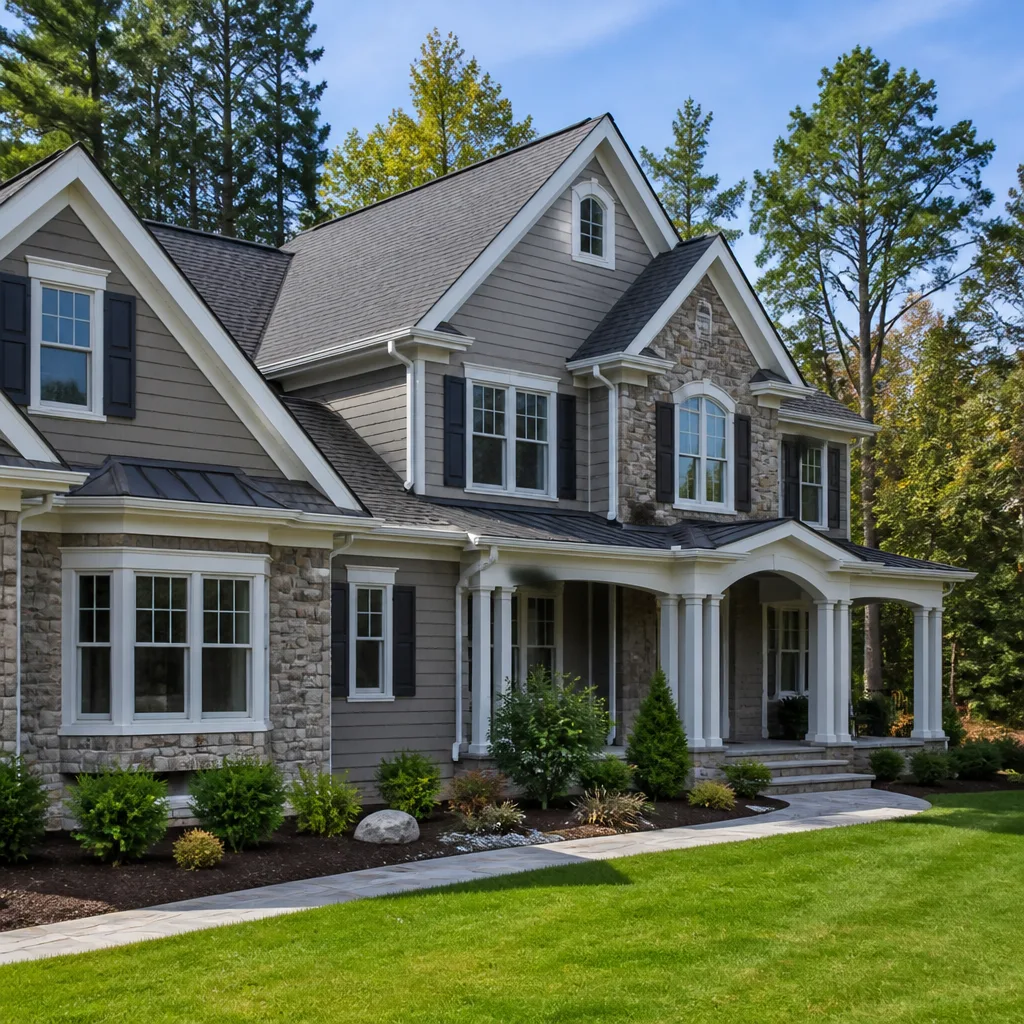
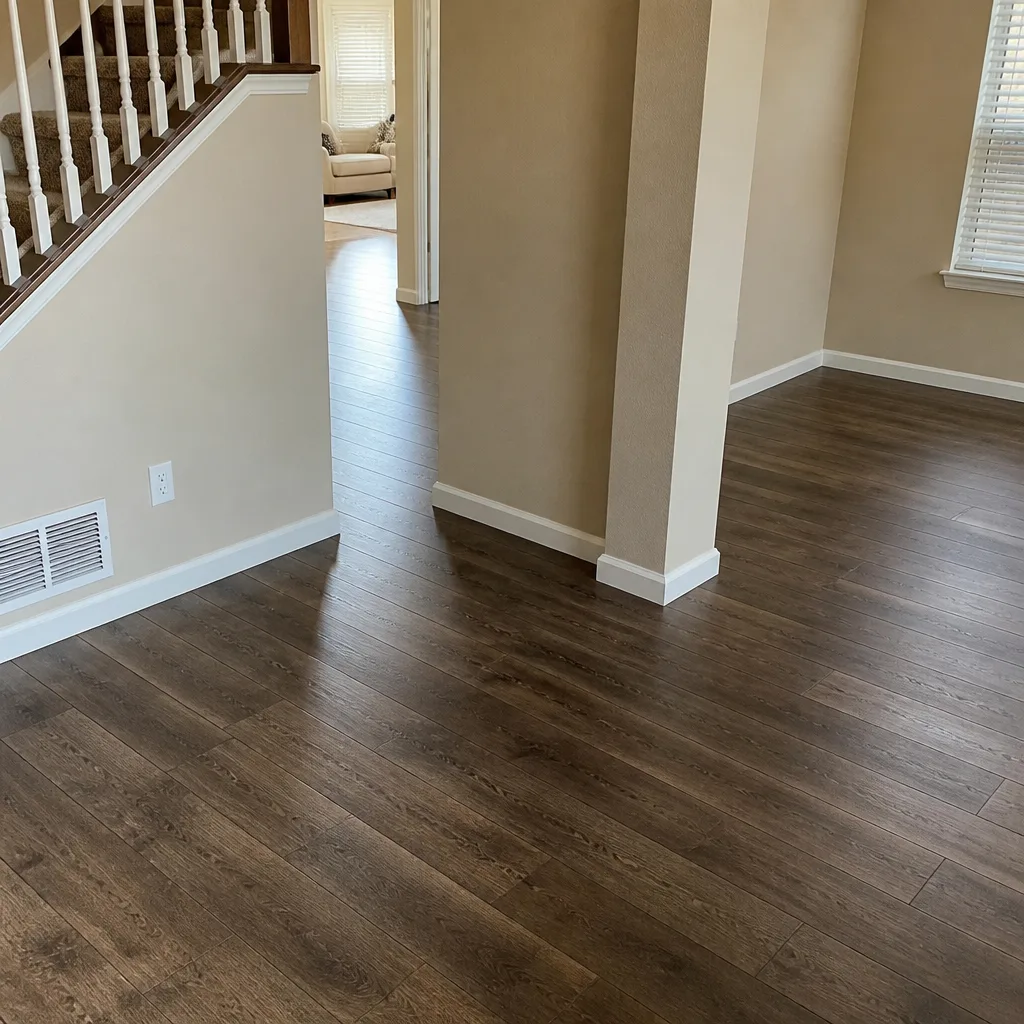
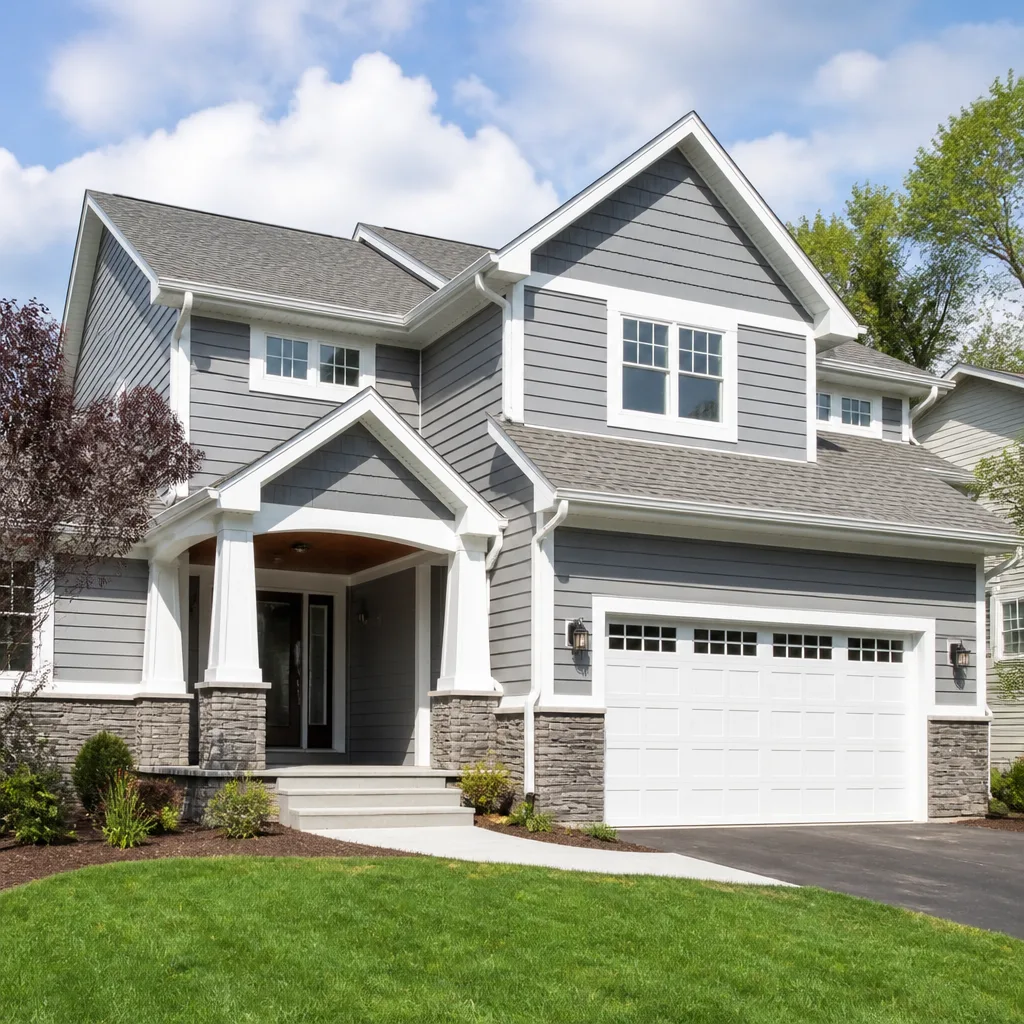
 Before
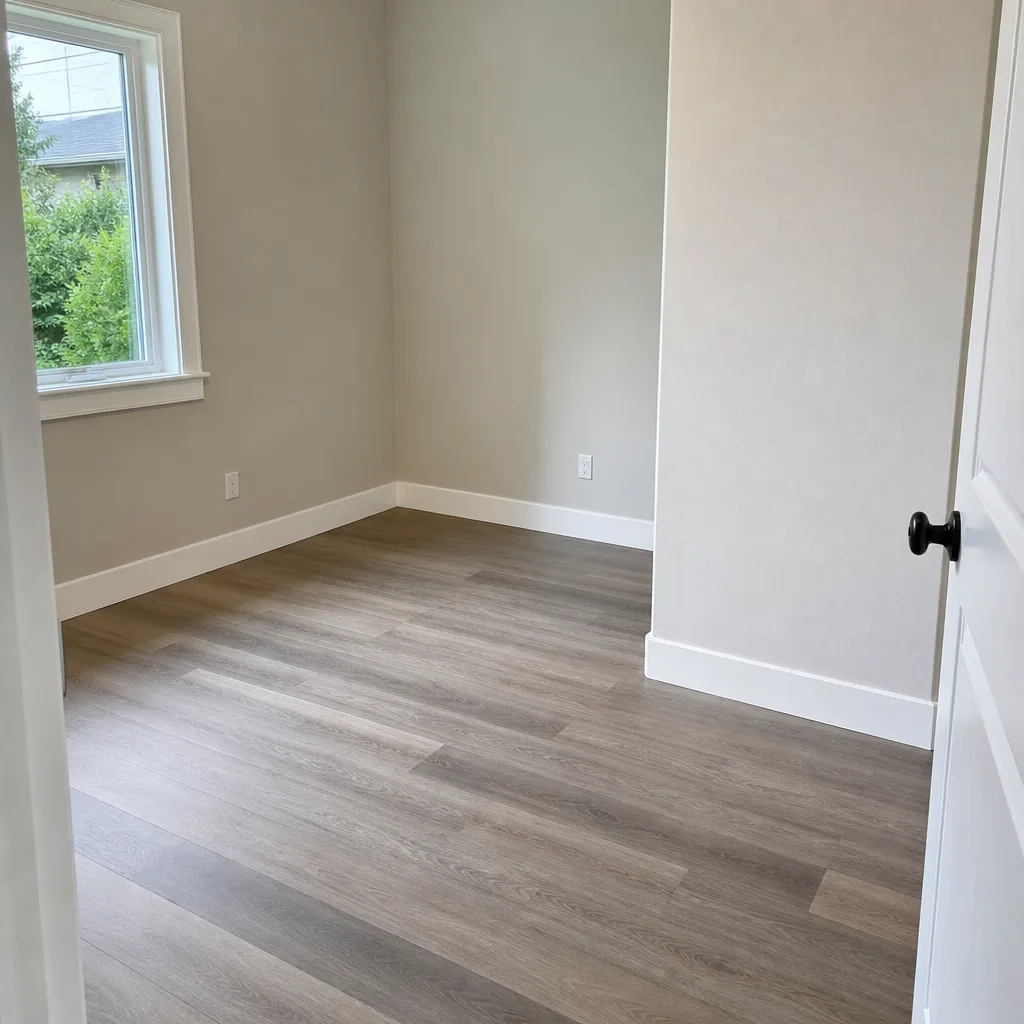 After
After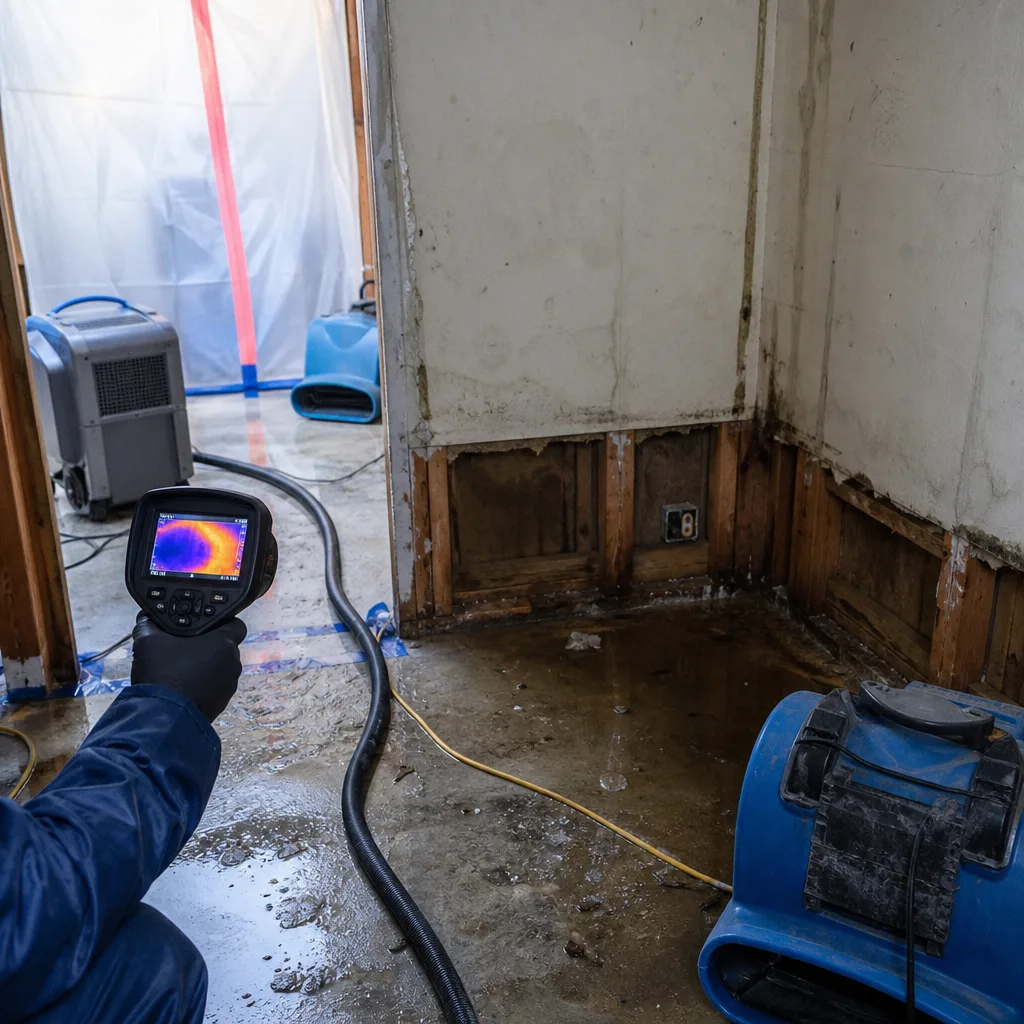 Before
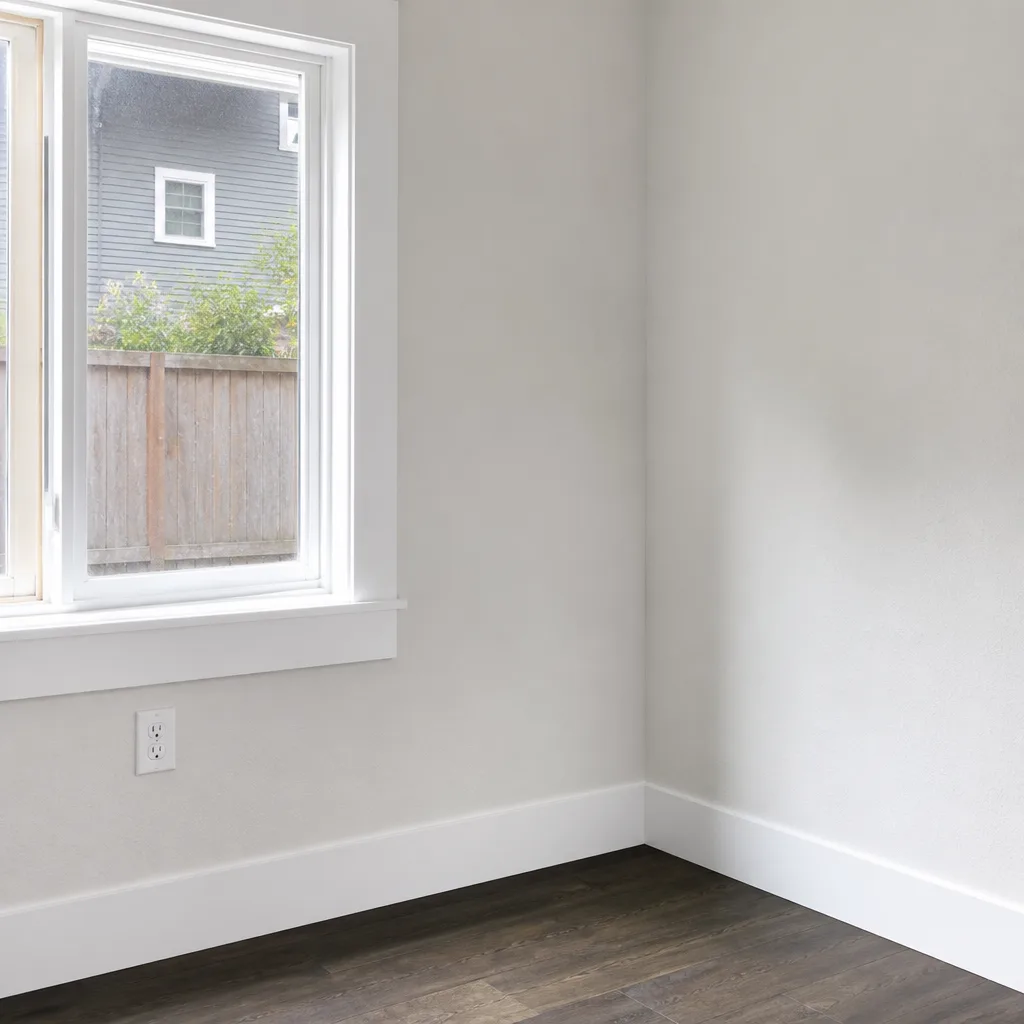 After
After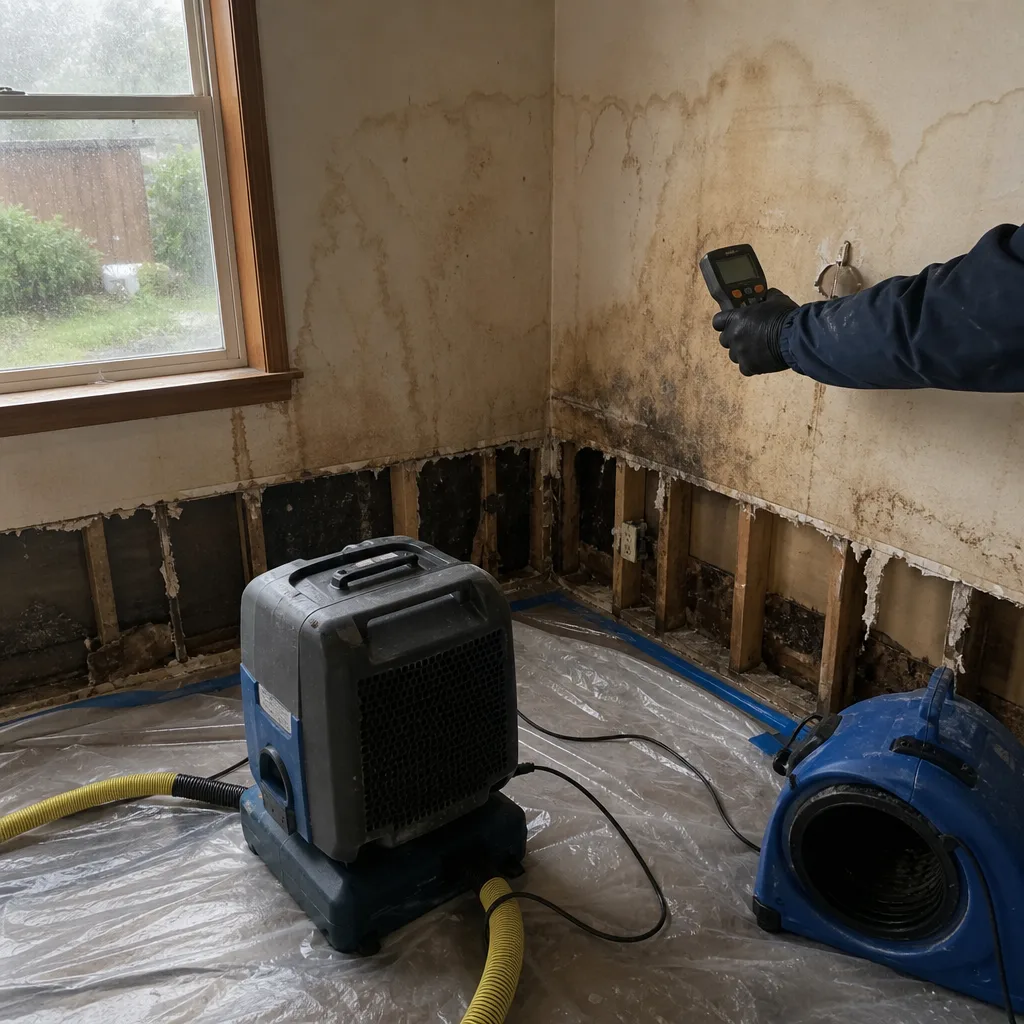 Before
 After
AfterTrusted Storm & Disaster Restoration for Seattle Homeowners
Our Seattle Storm & Disaster Restoration typically costs $2,800-$15,000 depending on damage severity, with emergency board-up and roof tarping starting at $400-$900. Most emergency calls in Seattle receive a crew on-site within 60-90 minutes, 24 hours a day, 7 days a week. Call (425) 671-5392 for a written price before any work begins.
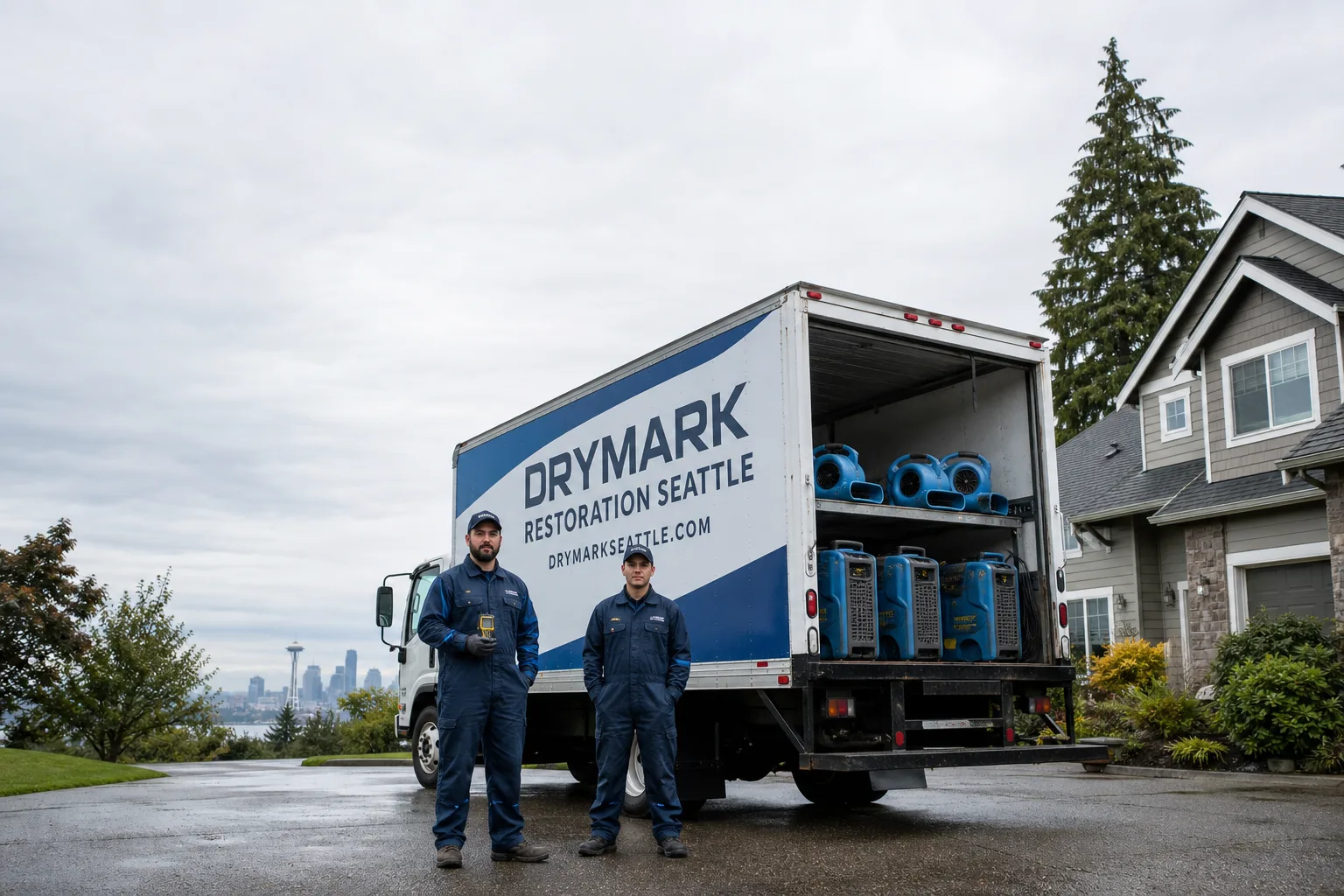
Since 2011, Back to Dry Restoration has rebuilt the documentation gap that costs homeowners their insurance claims. Alicia Brennan founded this company after working as a claims adjuster and watching sloppy contractors lose customers thousands in disputed invoices. We’ve restored over 12,000 homes, every one with a written price before work started, a photo record on every visit, and a 365-Day Done Right Promise backed by The Haven Standard. In Seattle’s wind-driven rain corridors, from Magnolia’s bluff exposures to the floodplains of Georgetown, we’ve documented how Puget Sound storm systems penetrate siding, saturate wall cavities, and create secondary damage that doesn’t appear for weeks. Our crews arrive with Dri-Eaz and Phoenix drying systems, background-checked and uniformed, with license numbers verified before they enter your home.
What Our Storm & Disaster Restoration Service Includes
Storm Damage Cleanup
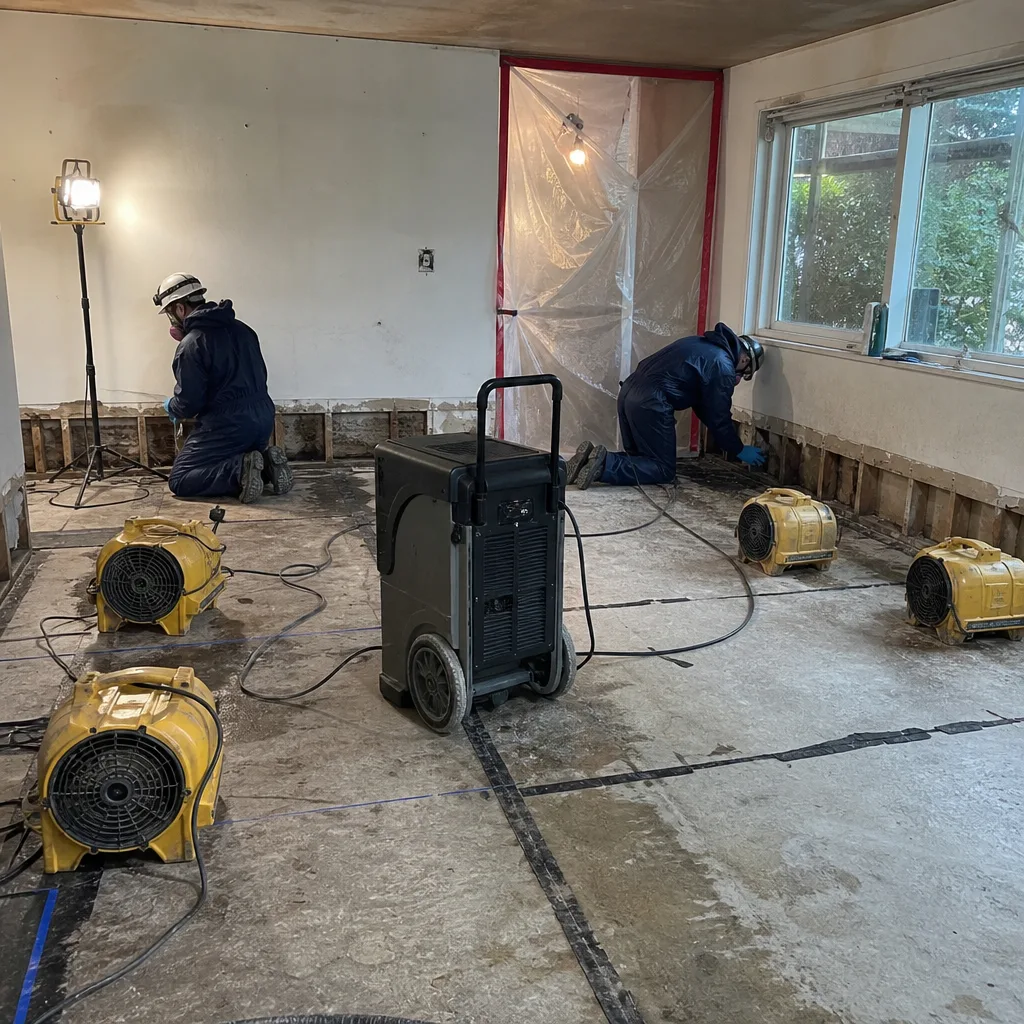
Storm damage cleanup addresses the comprehensive aftermath of severe weather events, from fallen trees and broken windows to water intrusion and structural compromise. In Seattle, we regularly see Douglas fir limbs punch through roofs in View Ridge during November wind events, or saturated soils trigger landslides that undercut foundations in West Seattle’s Admiral District. Our crew documents every affected surface with photo records, establishes a written scope of extraction and drying, and produces daily moisture logs to IICRC standards so your insurer has no basis to dispute the invoice.
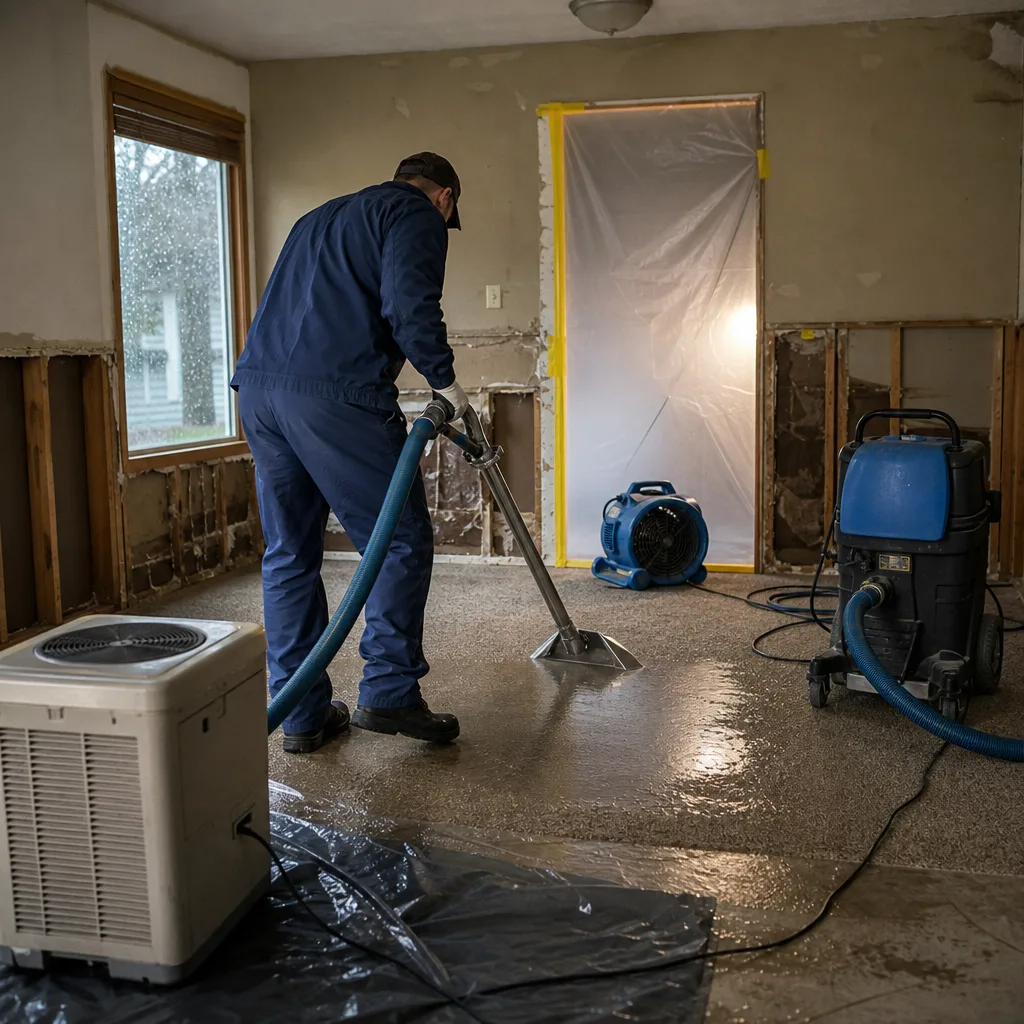
Flood Damage Restoration
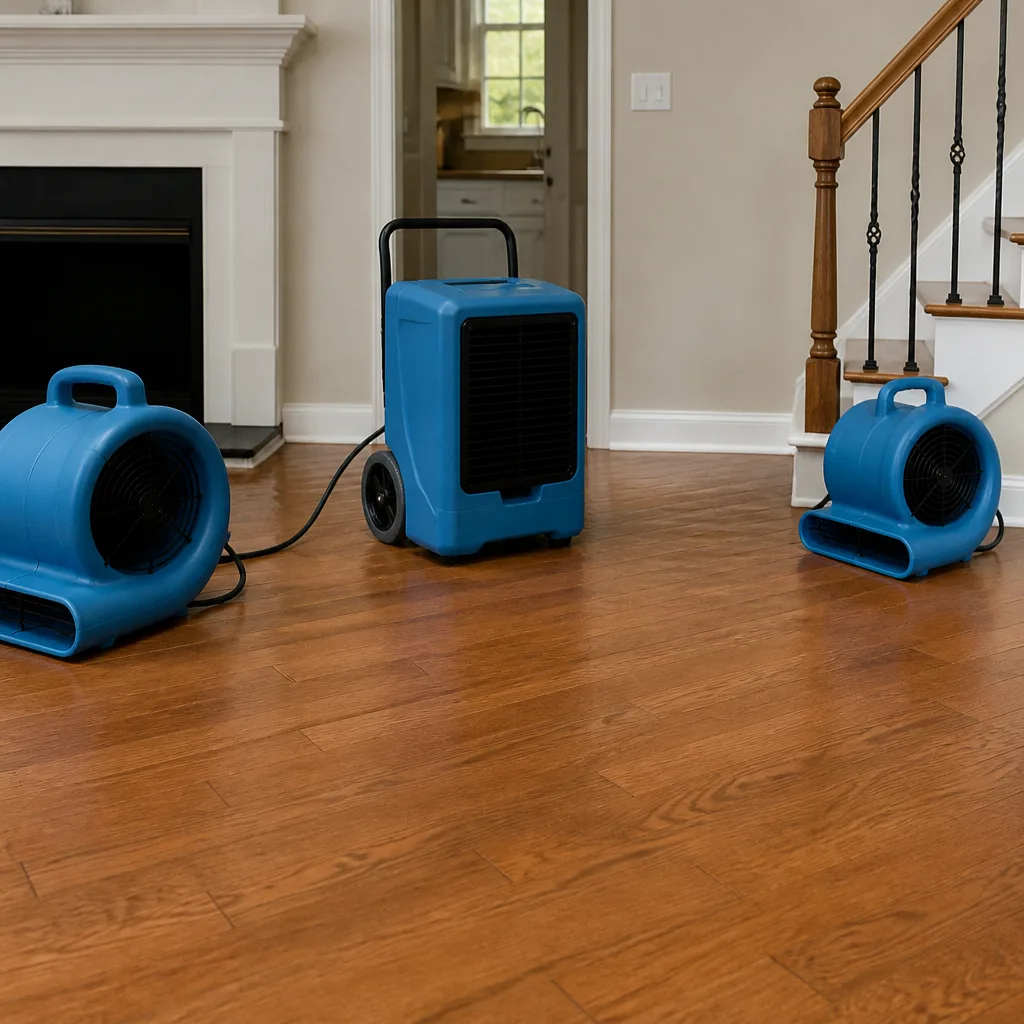
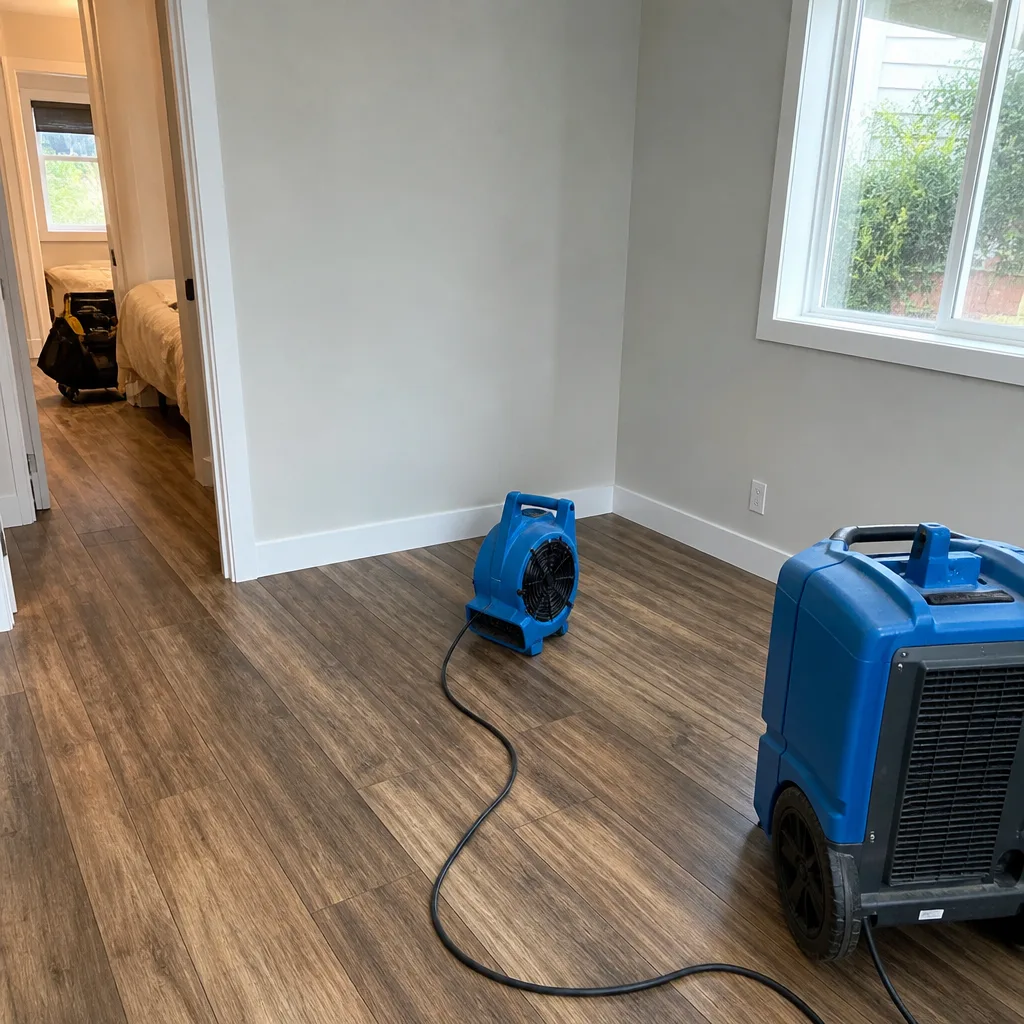
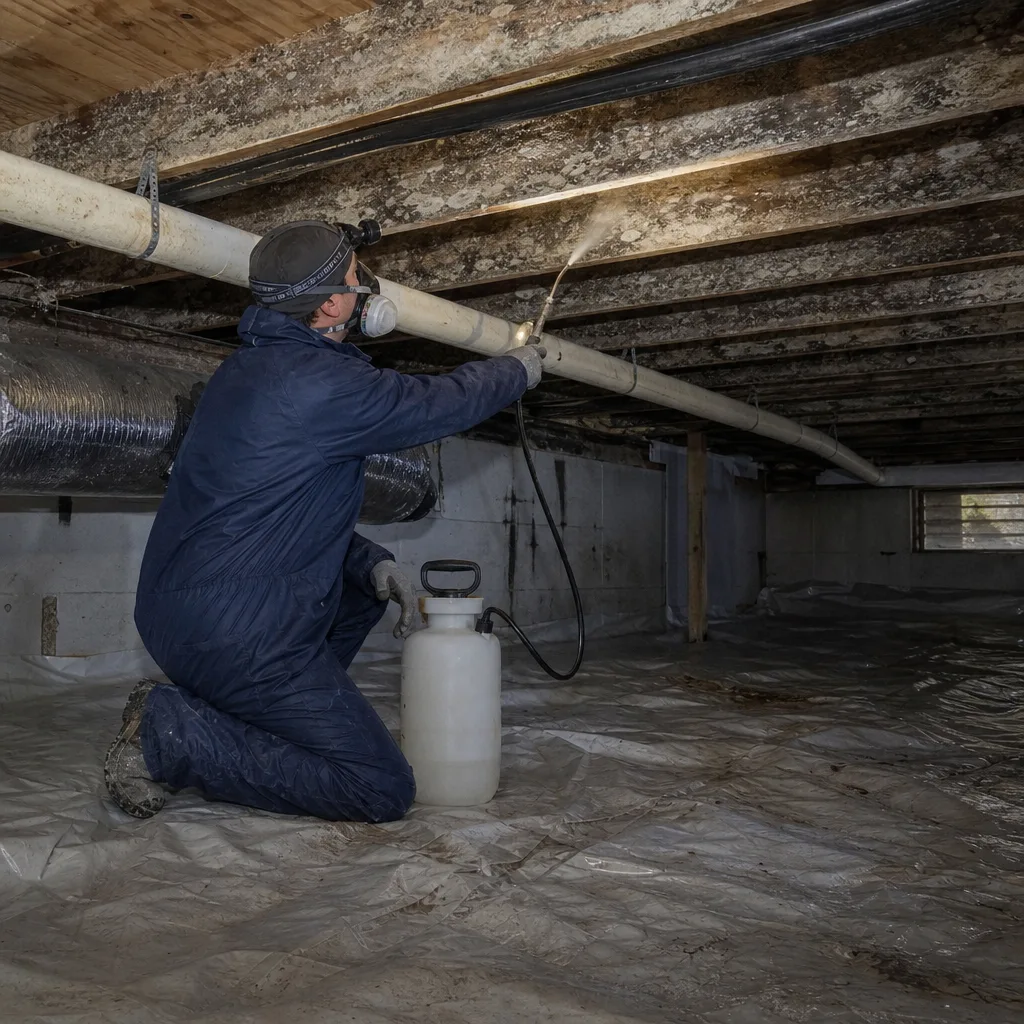
Flood damage restoration removes standing water, dries structural materials, and prevents the mold colonization that begins within 24-48 hours in Seattle’s cool, humid climate. We encounter two distinct flood patterns here: overtopped basement drains in Broadview during King Tide events, and crawl space inundation in Rainier Valley where clay soils prevent percolation. Our Injectidry systems create vapor pressure differentials, drawing moisture from within wall cavities and subfloors, while Phoenix dehumidifiers maintain psychrometric conditions, documented to RIA and IFA standards.
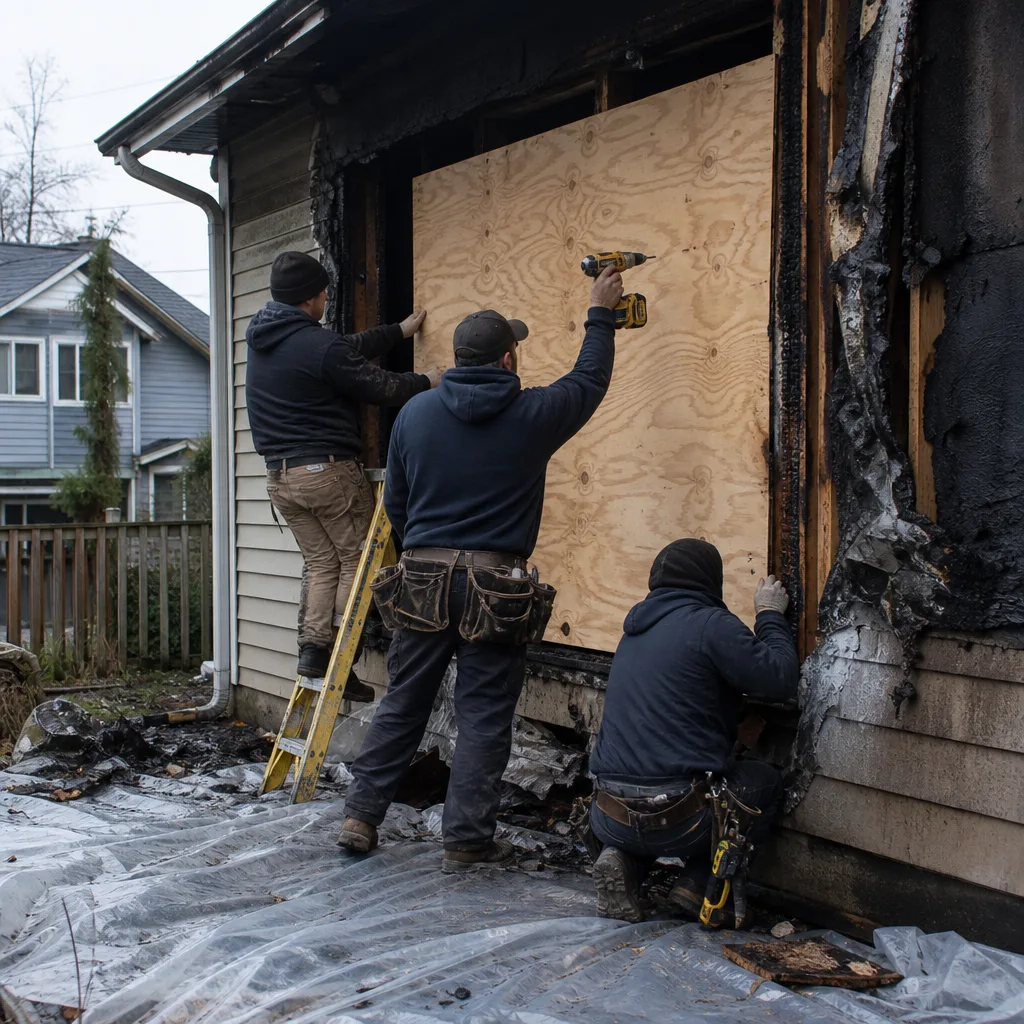
Emergency Board-Up
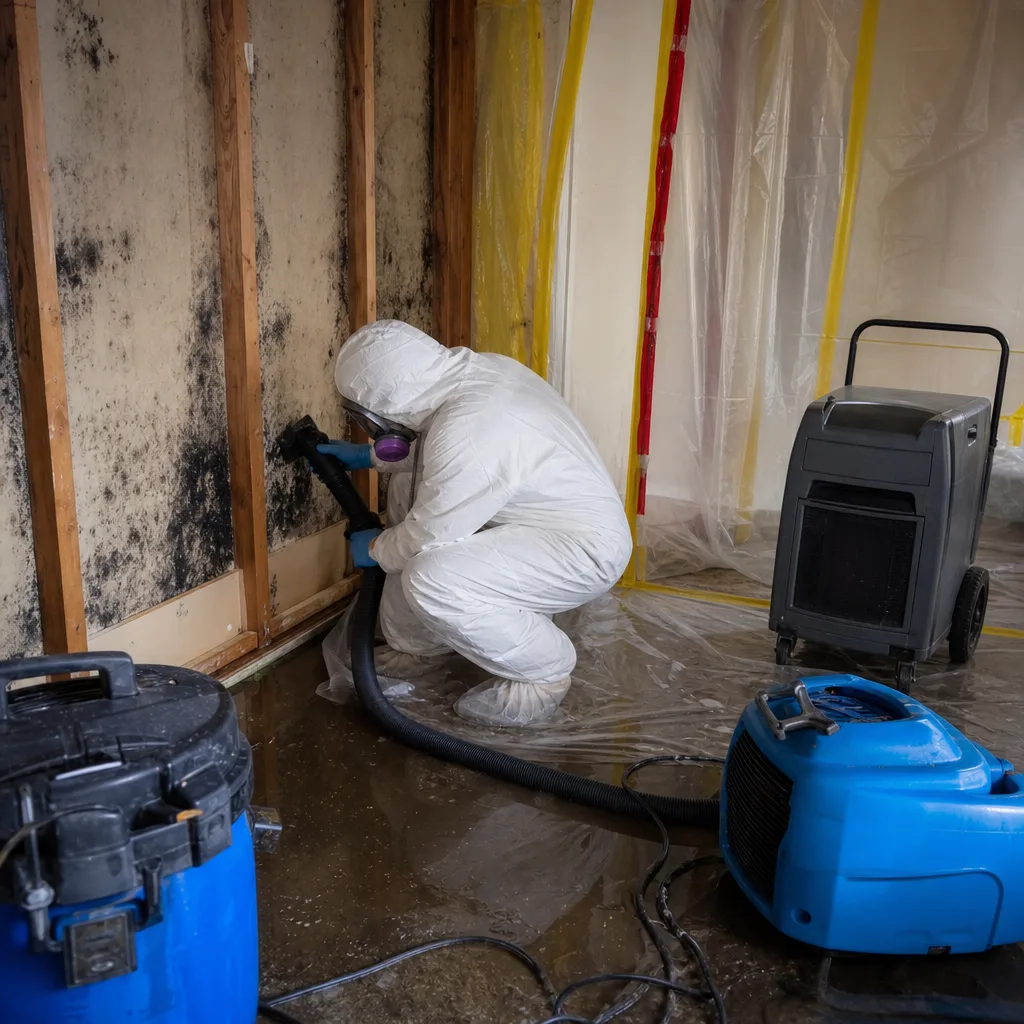
Emergency board-up secures compromised openings, preventing additional water intrusion, vandalism, and liability exposure while permanent repairs are scoped. After the 2022 December windstorm, we boarded 23 properties in Ballard alone, including a Craftsman on NW 65th where a Norway maple shattered the front bay window. We use marine-grade plywood and tamper-evident fasteners, photograph each installation, and provide a written re-entry protocol so you or your adjuster can inspect without compromising the seal.
Roof Tarping
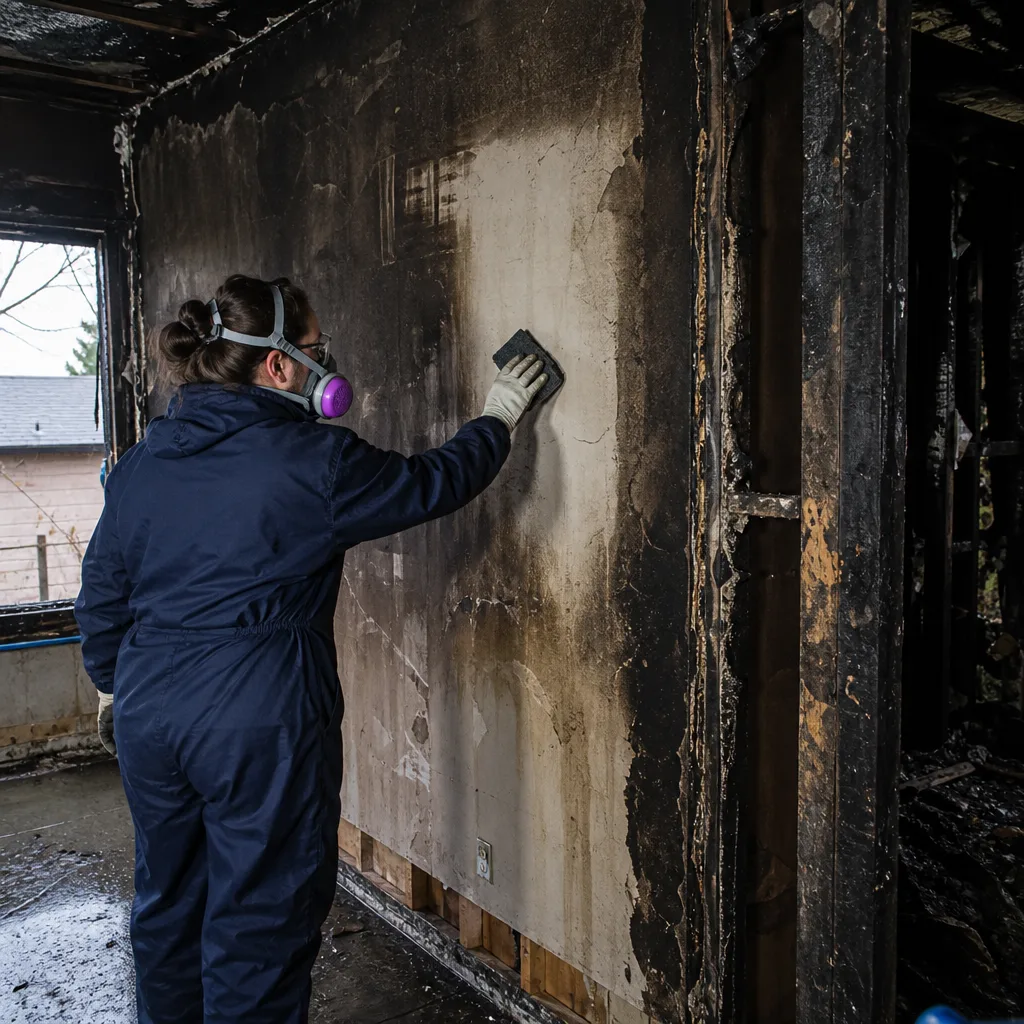
Roof tarping provides temporary weather protection when shingles, shakes, or membrane are displaced or punctured. Seattle’s combination of sustained rainfall and occasional snow load makes this critical, a tarp failure in January can turn a $3,000 repair into a $40,000 interior rebuild. We use reinforced polyethylene with batten strips anchored to solid sheathing, never just weighted edges, and we document the underlying damage with photos before covering it, since insurers often deny claims for “pre-existing conditions” they cannot see.
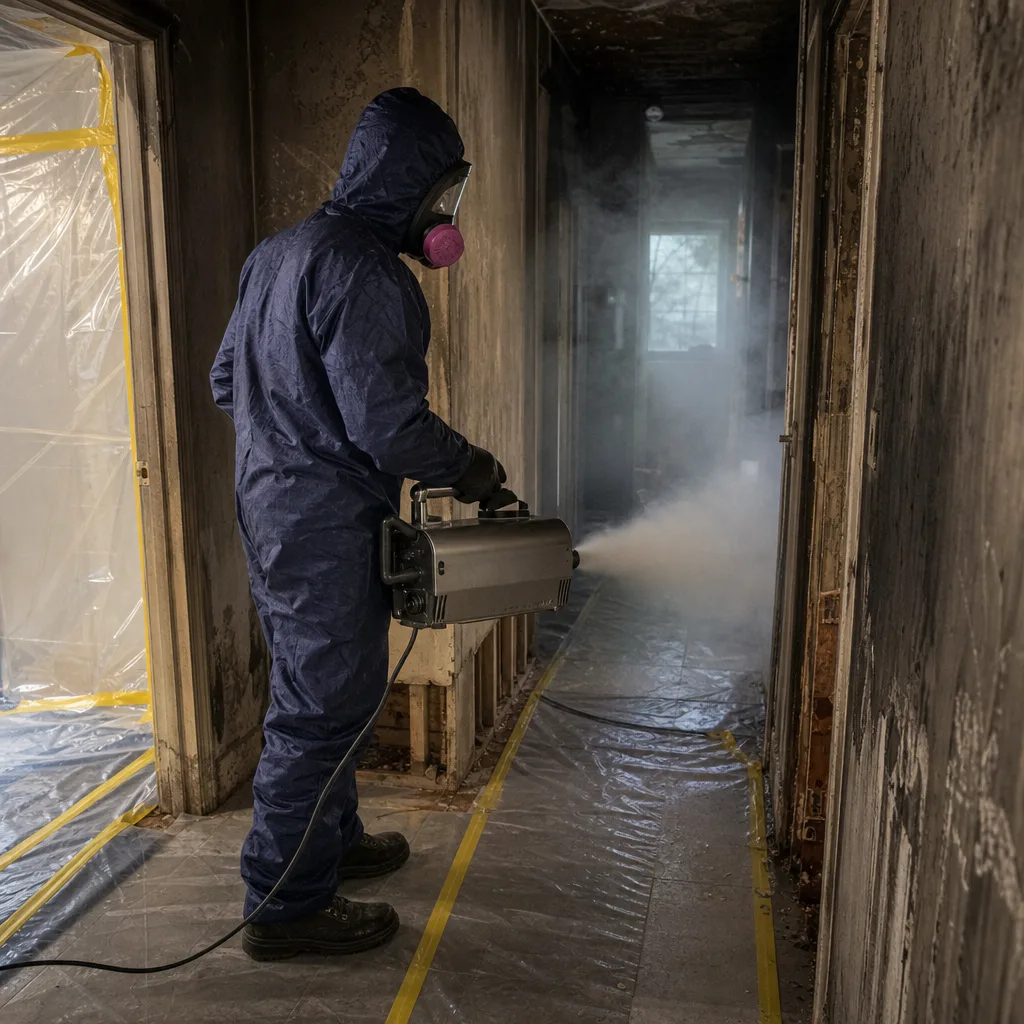
Debris Removal
Debris removal clears hazardous materials, including compromised building components, contaminated insulation, and landscape debris that blocks drainage or creates fire risk. In Seattle’s dense neighborhoods like Capitol Hill and Queen Anne, space constraints require careful staging, we coordinate street-use permits when dumpsters must occupy parking lanes. We separate materials by classification: Category 3 water-saturated debris requiring special disposal, pressure-treated lumber, and salvageable architectural elements you may want preserved.
Wind Damage Repair
Wind damage repair addresses structural and envelope damage from gusts that exceed design pressures, common in Seattle’s exposed locations like Magnolia Bluff and Alki Beach. We’ve found that wind damage often hides: lifted shingles that re-seat but break the sealant strip, or siding that appears intact but has pulled fasteners leaving a 1/8-inch gap that admits gallons of driven rain. Our inspection includes blower-door testing where indicated, to quantify air leakage that visual inspection misses.
What happens when you call
- 1
A real person answersNo phone trees - you reach a local pro.
- 2
You get an upfront price rangeHonest numbers before anyone is dispatched.
- 3
A background-checked tech heads outLicensed & insured, dispatched right away.
- 4
You approve before work beginsNothing starts until you say go.
Signs You Need Storm & Disaster Restoration Right Now
- Visible water staining on ceilings or walls. Yellow-brown discoloration that expands after rainfall indicates active leakage, often traveling far from the actual penetration point along rafters or within wall cavities. In Seattle’s older homes, particularly in Wallingford and Fremont, we’ve traced ceiling stains to compromised chimney flashing 20 feet away.
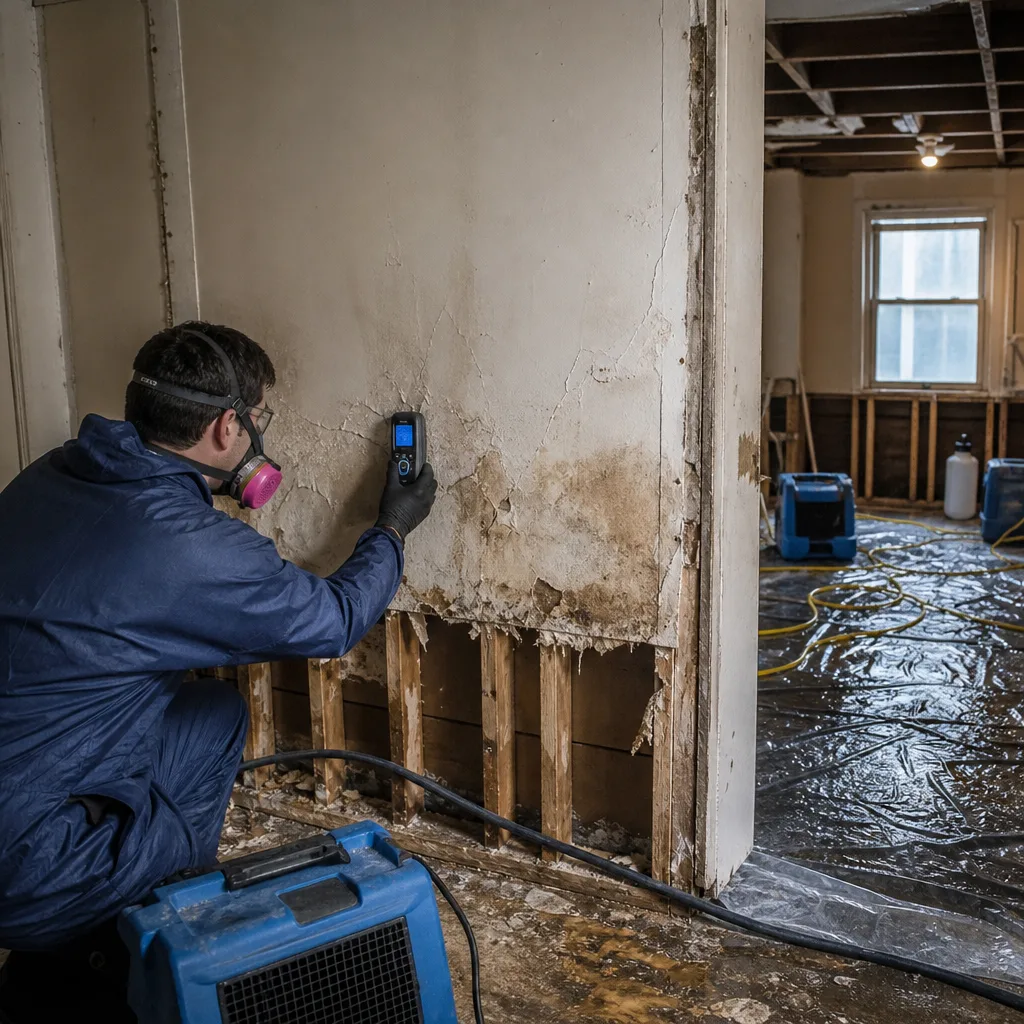
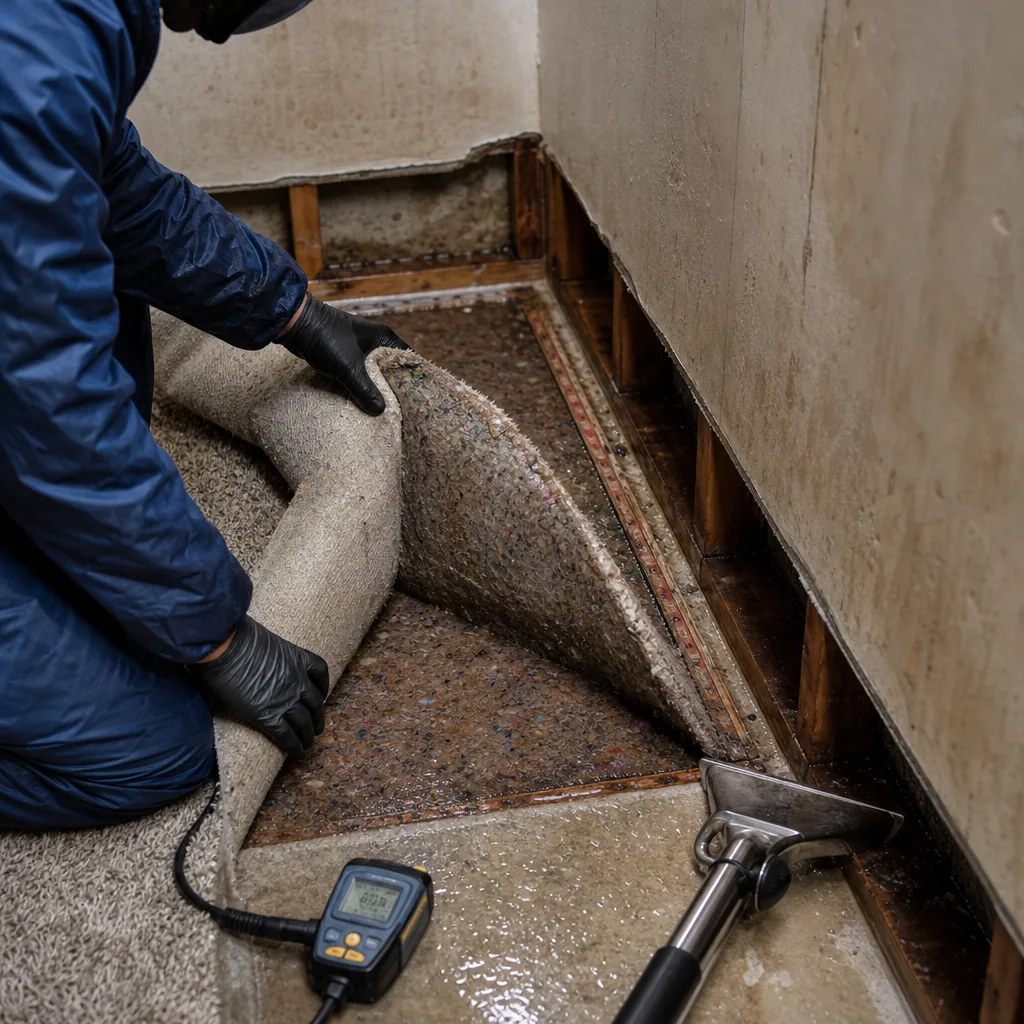
- Sagging or bubbling drywall. When gypsum board saturates beyond 16% moisture content, it loses structural integrity and can release suddenly. We measure with pinless moisture meters, anything above 17% in drywall requires removal and replacement, not just drying, to prevent mold and ensure the fastener bond.
- Musty or earthy odors in previously dry areas. Volatile organic compounds released by active mold growth create distinctive smells before visible colonization appears. In Seattle’s climate, we’ve detected hidden growth behind intact vinyl wallpaper in Leschi basements where humidity stayed above 60% for 72 hours post-storm.
- Granule accumulation in gutters or at downspout exits. Asphalt shingles shed granules when wind flexes the mat or hail impacts the surface, this accelerated weathering reduces service life by years. After the 2023 March wind event, we documented 40% granule loss on 8-year-old architectural shingles in Crown Hill, establishing storm-related damage for insurance purposes.
- Doors or windows that bind or won’t latch. Structural shifting from wind pressure or foundation saturation changes frame geometry, a binding bedroom door in a Ballard bungalow traced to 3/4-inch differential settlement after a downspout diversion failed during a January storm.
BeforeAfterOur Storm & Disaster Restoration Process - Step by Step
- 1
Emergency contact and dispatch. A live person answers your call to (425) 671-5392, no voicemail trees, no next-business-day callbacks while water is still moving. We gather location, damage type, and safety hazards, then dispatch the nearest available crew with ETA confirmation.
- 2
On-site assessment and documentation. Our technician photographs all visible damage, identifies moisture migration patterns with thermal imaging and pinless meters, and records material classifications, carpet, drywall, lath-and-plaster, engineered flooring, each with distinct drying requirements. You receive a copy of this photo record before we leave.
- 3
Written scope and price delivery. Haven Standard, Clause 1: a written price is delivered before anyone starts work, every time, with no exceptions. The scope specifies each task, the equipment deployed, the drying target in grains per pound, and the timeline. No scope-creep additions once the crew is inside your home.
- 4
Mitigation and stabilization. We execute emergency board-up, roof tarping, water extraction, or debris removal as specified, deploying Dri-Eaz and XPOWER equipment sized to the affected cubic footage. Daily moisture logs track progress, with psychrometric data, temperature, relative humidity, and specific humidity readings.
- 5
Verification and warranty delivery. We confirm drying targets with moisture meters, deliver final documentation including all photos, logs, and a signed 365-Day Done Right Promise under The Haven Standard. If it’s not done right, we make it right, this is a written warranty, not a verbal assurance.
How Much Does Storm & Disaster Restoration Cost in Seattle?
Storm & Disaster Restoration cost guide pricing in Seattle depends on damage extent, material type, and whether the loss qualifies for insurance coverage. A typical emergency board-up or roof tarping runs $400-$900. Flood damage restoration with extraction and structural drying starts around $2,800 for a single affected room and ranges to $8,500 for whole-floor involvement with hardwood salvage attempts. Comprehensive storm damage with roof compromise, interior water damage, and reconstruction typically falls between $12,000 and $45,000, with complex cases involving foundation or structural repair exceeding that range.
Several factors move the price. Category 3 water, sewage-contaminated or ground-surface flooding, requires full PPE, specialized disposal, and antimicrobial treatment, adding 30-40% over clean water losses. Homes built before 1950 often contain lath-and-plaster, asbestos-containing materials, or lead-based paint, triggering Washington State Department of Labor and Industries notification requirements and extended timelines. Access constraints in Seattle’s hillside neighborhoods, like those above Denny-Blaine or along Perkins Lane, require specialized equipment staging that affects labor hours.
To avoid overpaying, obtain a written scope from any contractor before authorizing work, and bring competitor estimates to Back to Dry for a Free Second Opinion at no charge. Haven Standard, Clause 1 exists precisely to end the practice of vague “time and materials” billing that balloons unpredictably. Our written price includes all equipment, monitoring, documentation, and standard disposal, with change orders only for newly discovered damage documented in writing and photographed.
Every free estimate includes the full photo record, moisture mapping, and a written scope you can submit directly to your adjuster. Call (425) 671-5392 to schedule, estimates carry no obligation.
Storm & Disaster Restoration Near Seattle - Our Service Area
Back to Dry Restoration responds to storm and disaster calls throughout the central Puget Sound corridor. From Seattle’s core neighborhoods to Storm & Disaster Restoration in Bellevue and Storm & Disaster Restoration in Kirkland, typical drive times range from 25 minutes in Redmond to 45 minutes in Lynnwood during peak traffic. We also serve Manchester, Tukwila, Renton, SeaTac, Bothell, Sammamish, and Issaquah, with crews staged to minimize response time during widespread weather events. In regional emergencies, such as the 2021 atmospheric river series, we maintained 90-minute average response across all service areas by pre-positioning equipment in Ballard, Factoria, and Totem Lake.
Serving Seattle, WA - Our Local Coverage Area
We’re based in the Seattle area and also provide our Storm & Disaster Restoration in Bellevue. Use the map below to see our service coverage - if you’re nearby, we can almost certainly help.
Frequently Asked Questions - Storm & Disaster Restoration in Seattle
Storm and disaster restoration is the professional process of returning a property to pre-loss condition after weather-related damage, including water extraction, structural drying, debris removal, temporary weather protection, and reconstruction. It differs from simple cleanup in its documentation rigor, adherence to IICRC standards, and production of evidence that insurance carriers accept without dispute. At Back to Dry, every restoration includes a written price before work begins, daily moisture logs, and a photo record on every visit.
Minor emergency board-up or roof tarping is completed in 2-4 hours, while structural drying typically requires 3-5 days depending on material saturation and ambient conditions. Full reconstruction, including drywall, flooring, and finish work, extends timelines to 2-8 weeks based on permit requirements and material availability. We provide a written timeline with every scope, and daily moisture logs verify when drying targets are achieved, not guessed.
Emergency services like board-up and tarping run $400-$900, structural drying for typical residential flooding ranges $2,800-$8,500, and comprehensive storm reconstruction with multiple trades typically costs $12,000-$45,000. Your specific price depends on damage extent, material type, contamination category, and access constraints. Call (425) 671-5392 for a written estimate with exact pricing, estimates are free and carry no obligation.
Yes, we document every job to IICRC, RIA, and IFA standards specifically to produce claims that insurers pay without fight. Our photo records, drying logs, and written scopes are formatted for direct adjuster submission, and we coordinate directly with your carrier’s field representative when requested. We do not require upfront payment for covered losses, though you remain responsible for your deductible and any policy limits.
Yes, a live person answers every call 24 hours a day, 7 days a week, with no voicemail trees and no next-business-day callbacks while water is still moving. Our emergency dispatch operates continuously, including holidays, because storm damage doesn’t observe business hours. Crews typically arrive within 60-90 minutes in Seattle and surrounding areas, including Kirkland Storm & Disaster Restoration.
Every job carries the 365-Day Done Right Promise under The Haven Standard: if it’s not done right, we make it right. This is a signed, written warranty, not a marketing line or verbal assurance, and it covers both workmanship and materials we install. If moisture readings rise or visible issues appear within 365 days, we return at no charge to diagnose and correct.
Ensure safe access to the damaged area, turn off electrical circuits if water is present near outlets or panels, and gather your insurance policy number and adjuster contact if available. Do not enter structurally compromised areas or attempt DIY roof access, these are genuine hazards that require trained professionals. When you call (425) 671-5392, our dispatcher will guide you through immediate safety steps specific to your situation.
Schedule Your Storm & Disaster Restoration Service in Seattle Today
Storm damage in Seattle doesn’t wait, and neither do we. Call (425) 671-5392 now to speak with a live dispatcher, 24 hours a day, 7 days a week. We’ll deliver a written price before any work begins, document every visit with a photo record, and back the result with our 365-Day Done Right Promise under The Haven Standard. Free estimates, Free Second Opinion on any competitor’s written quote, no obligation.
Written by Alicia Brennan, Owner at Back to Dry Restoration, serving Seattle since 2011.