
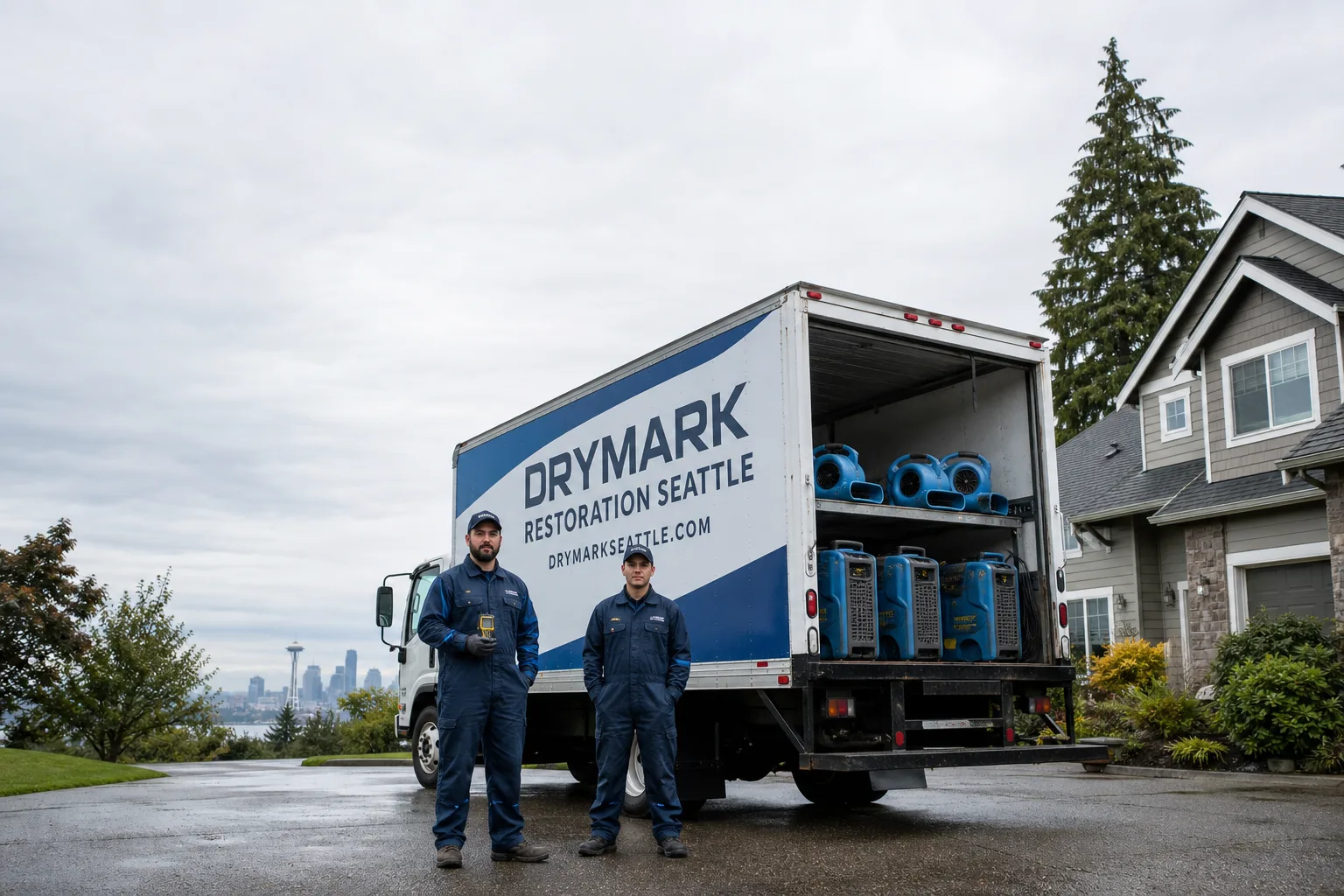
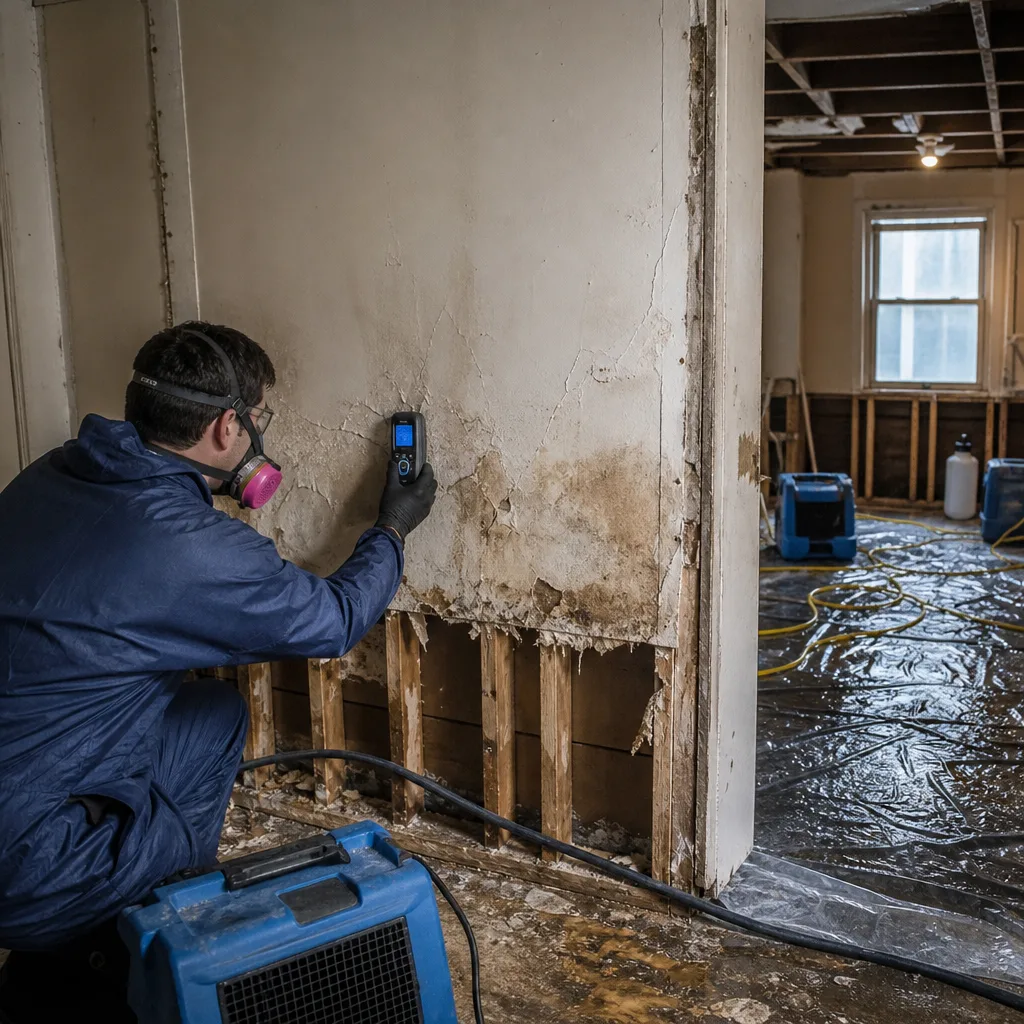
Free visual inspection and a written scope of work before any mitigation begins - photos, moisture readings, and drying logs go in your claim file
The scope we write is the scope we bill. Anything new gets shown to you, in writing, before we touch it.
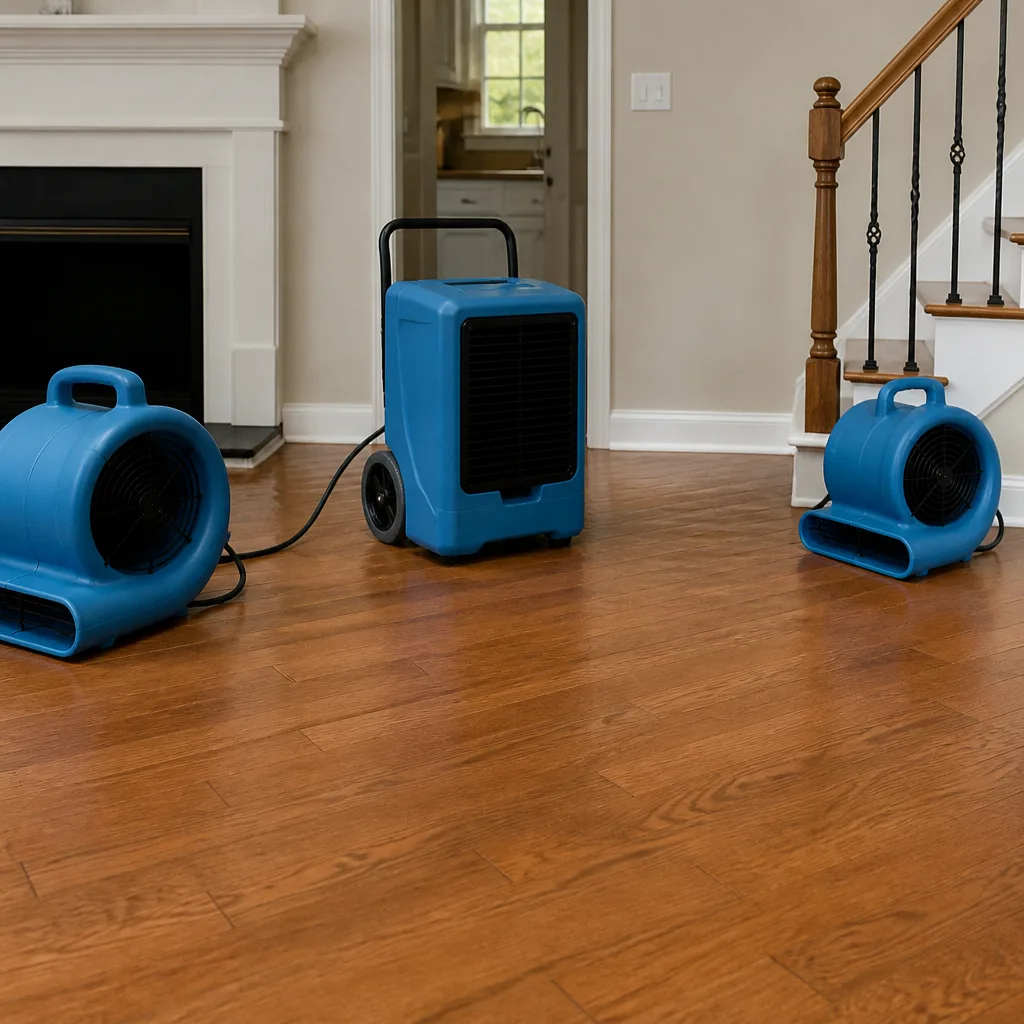
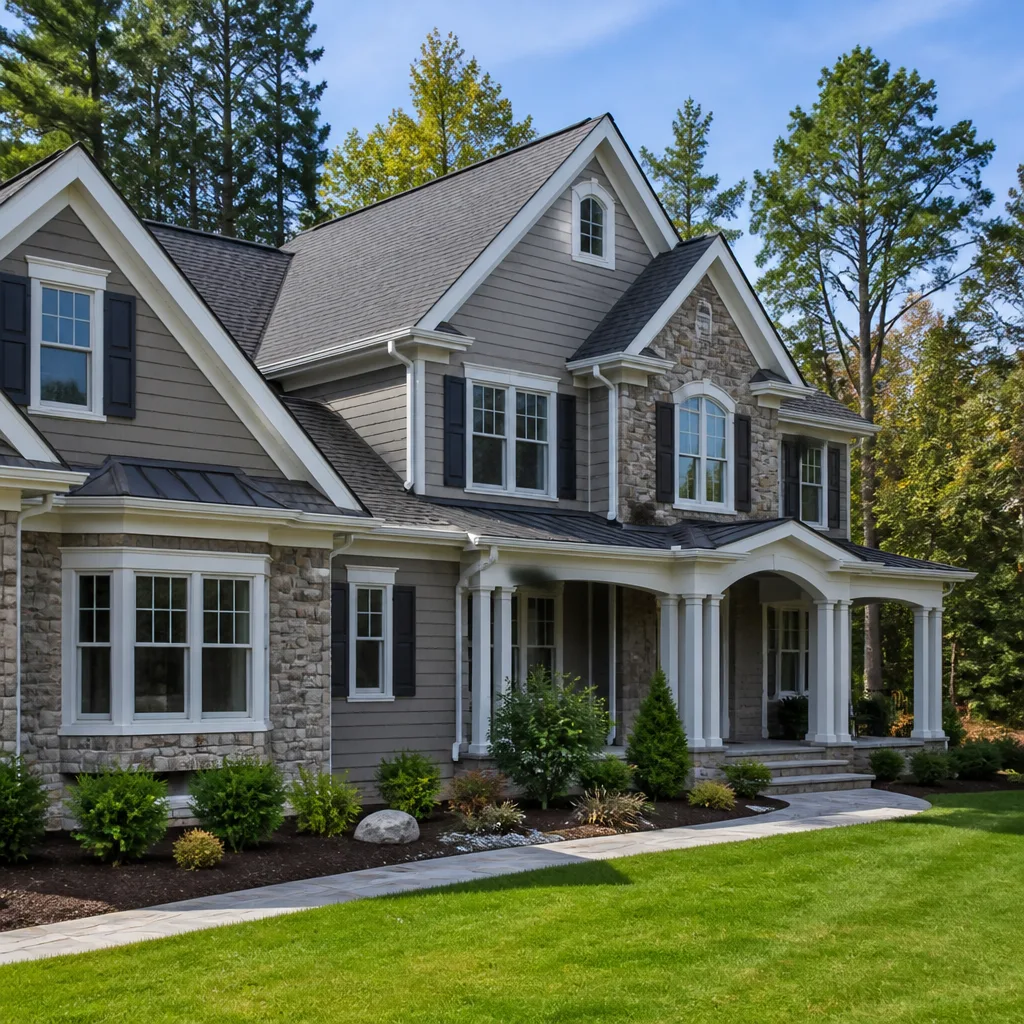
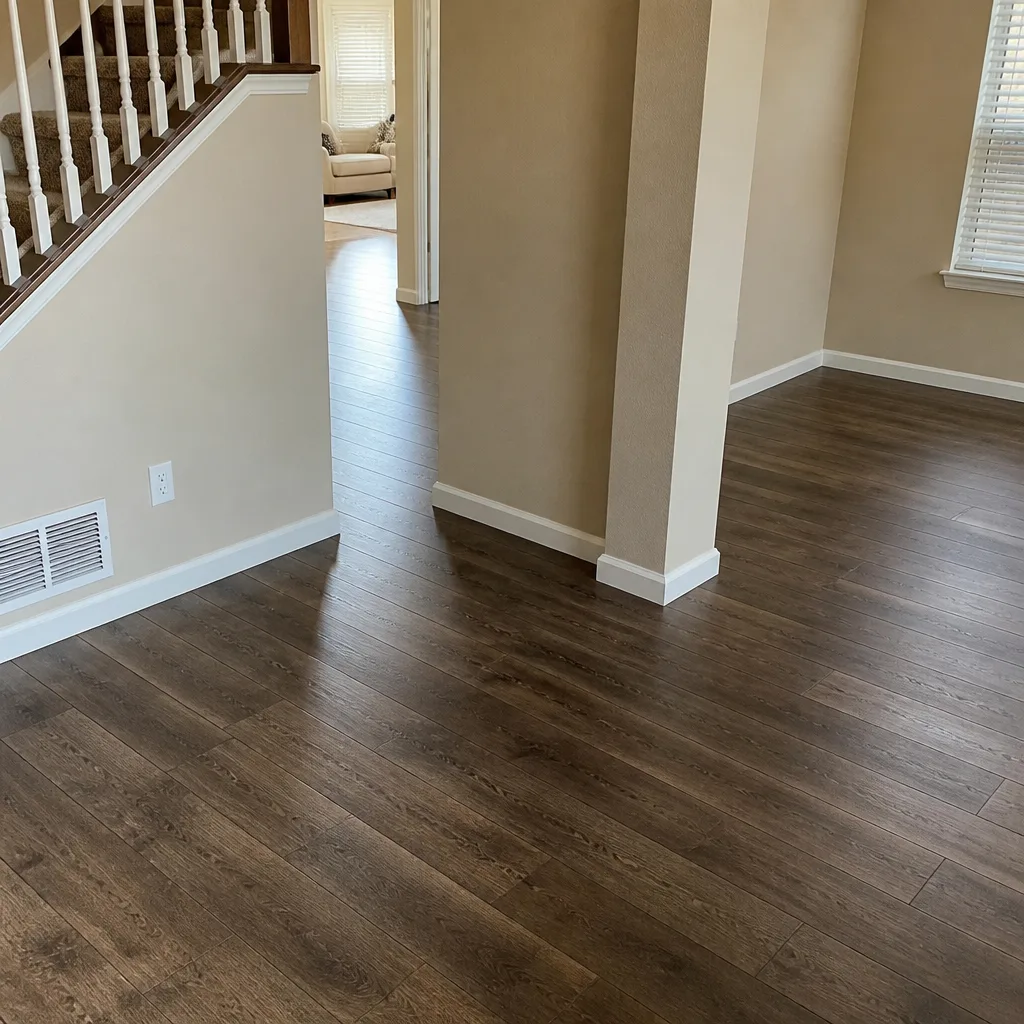
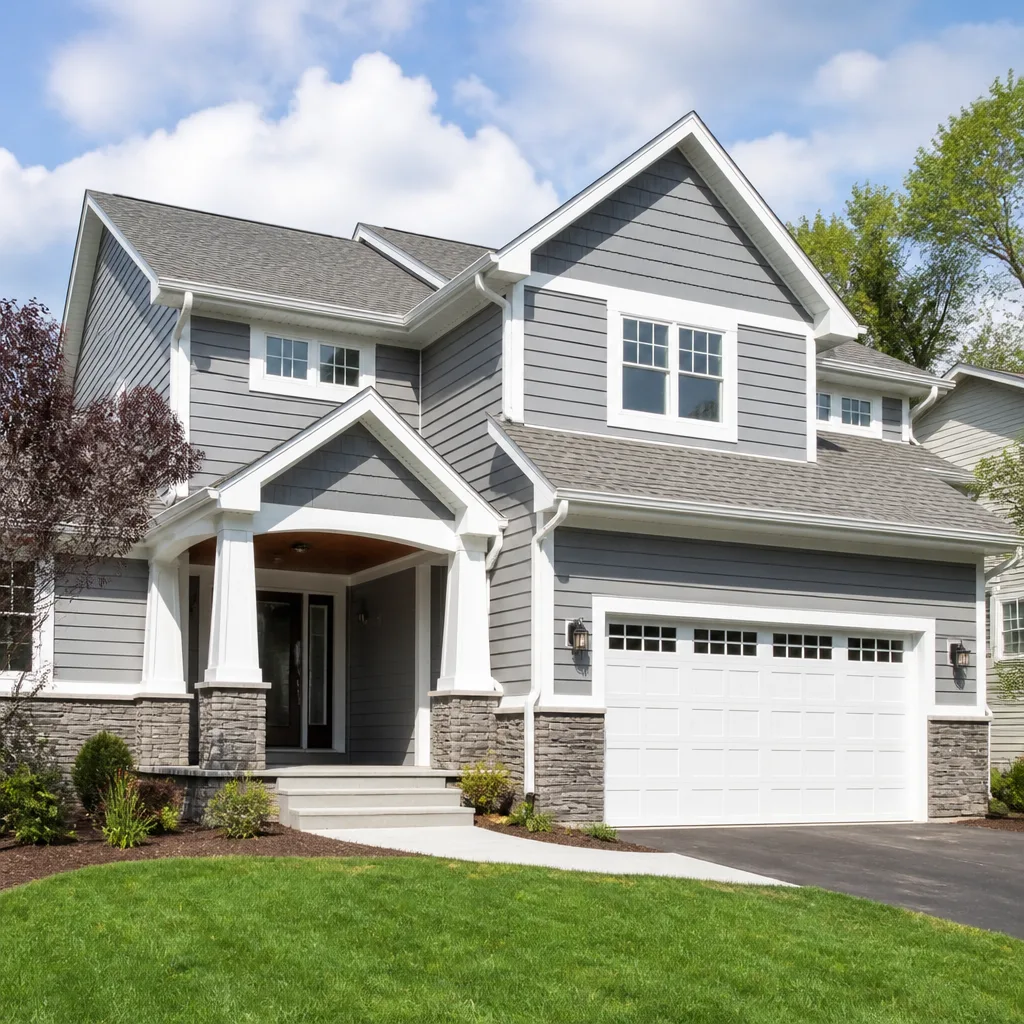
 Before
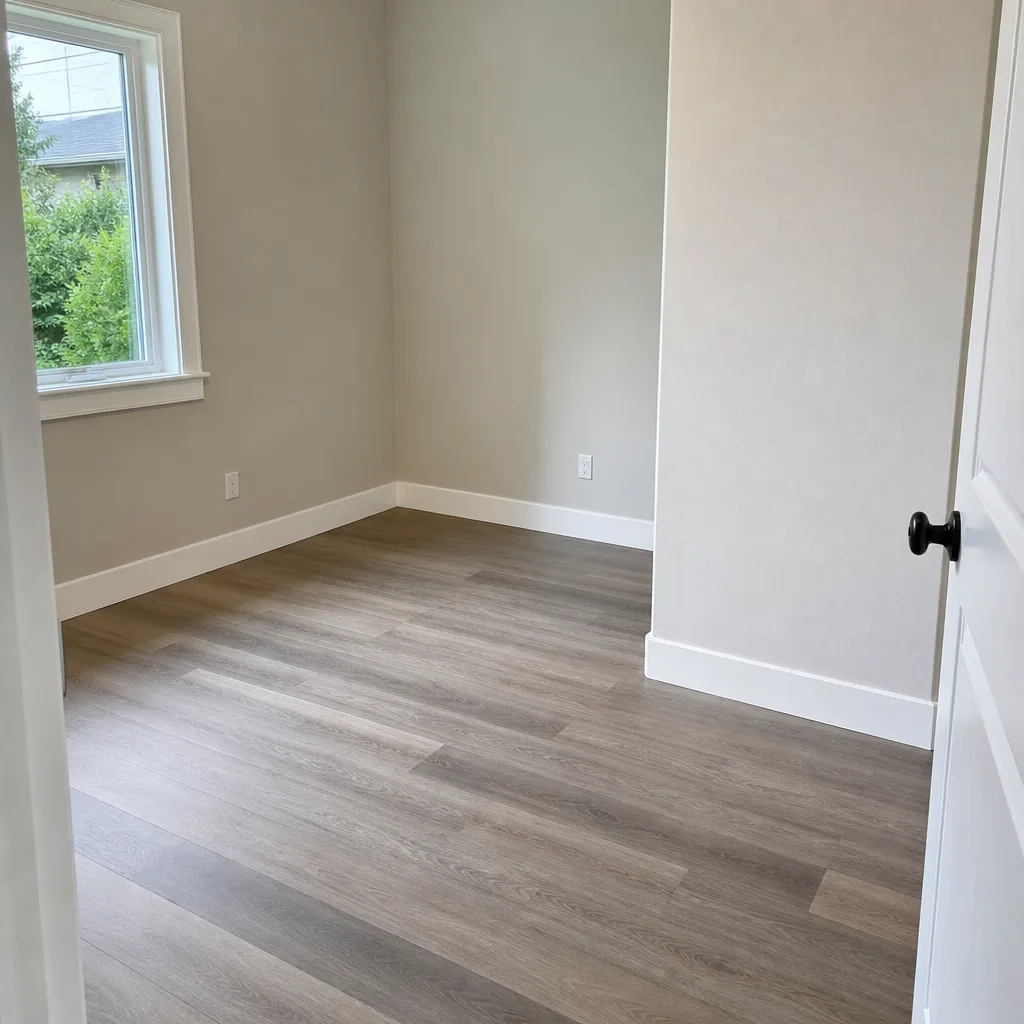 After
After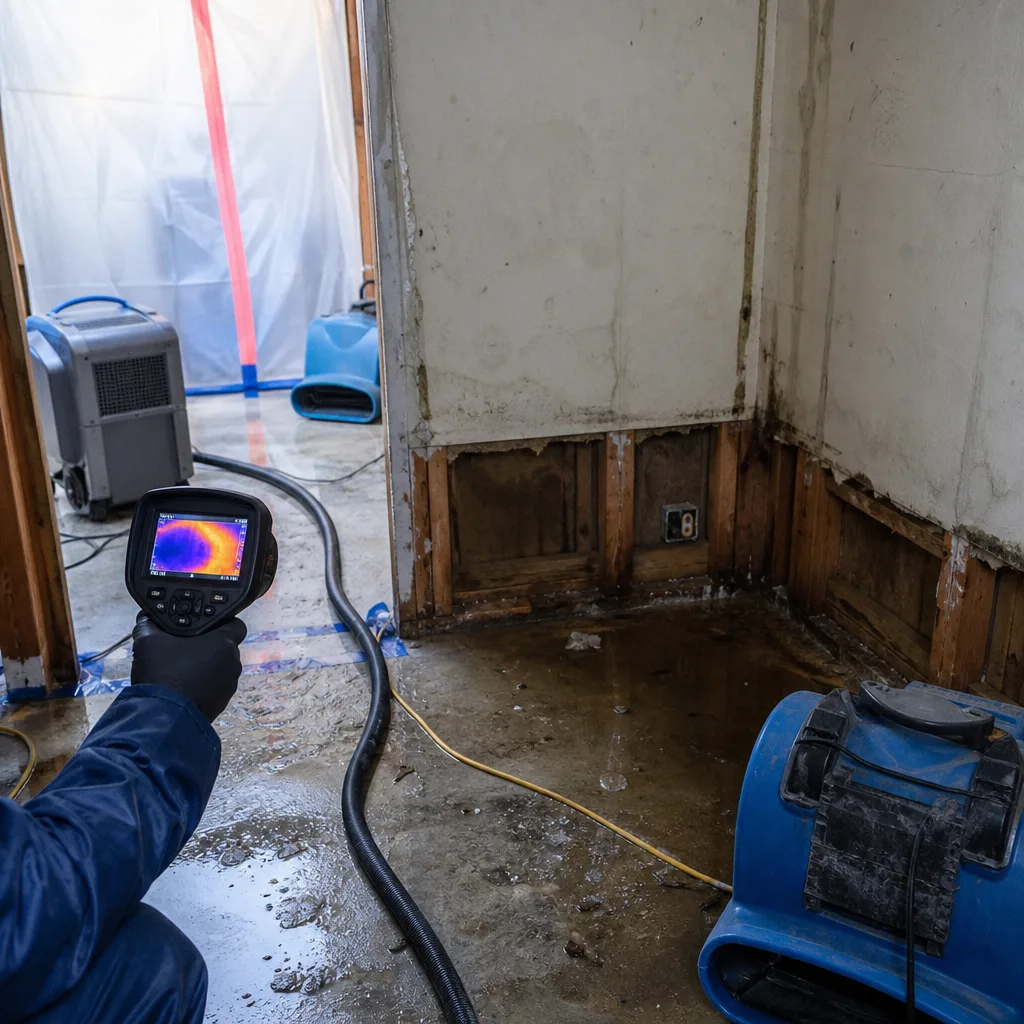 Before
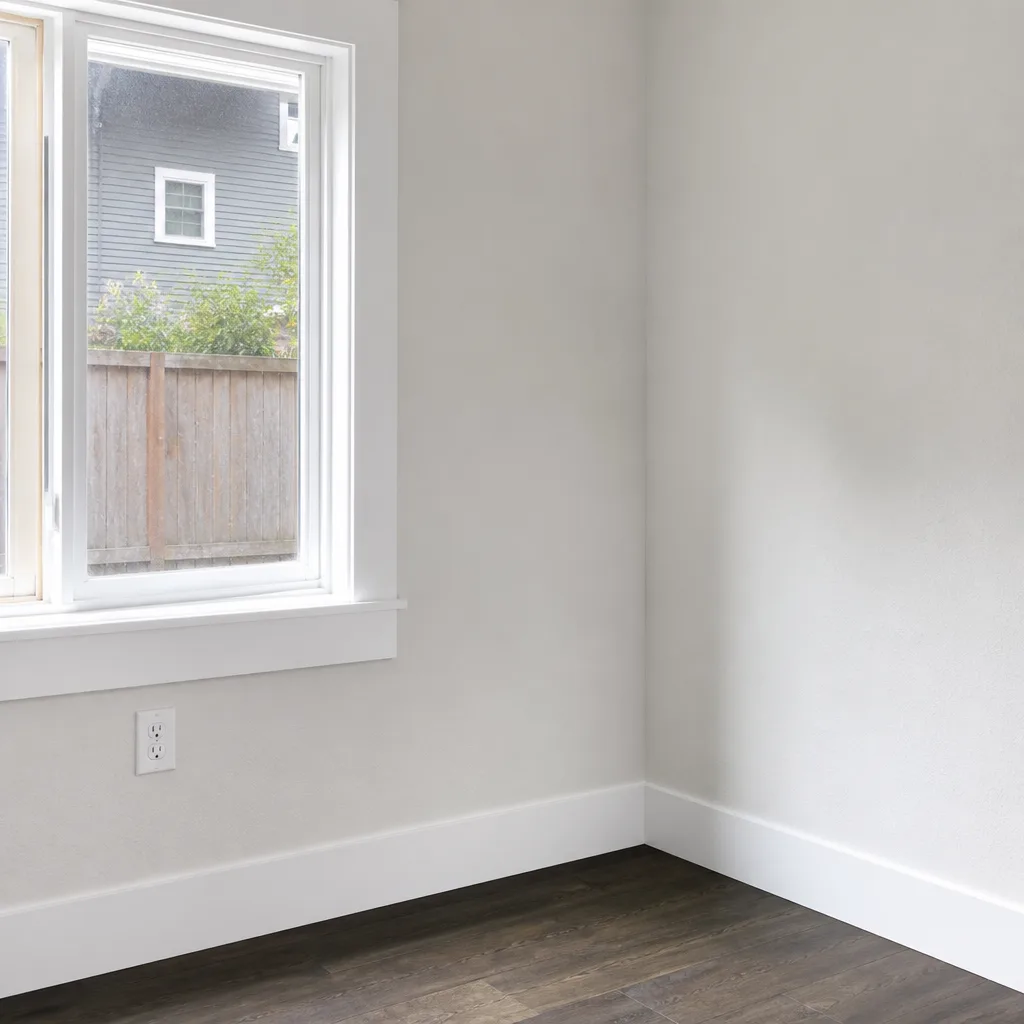 After
After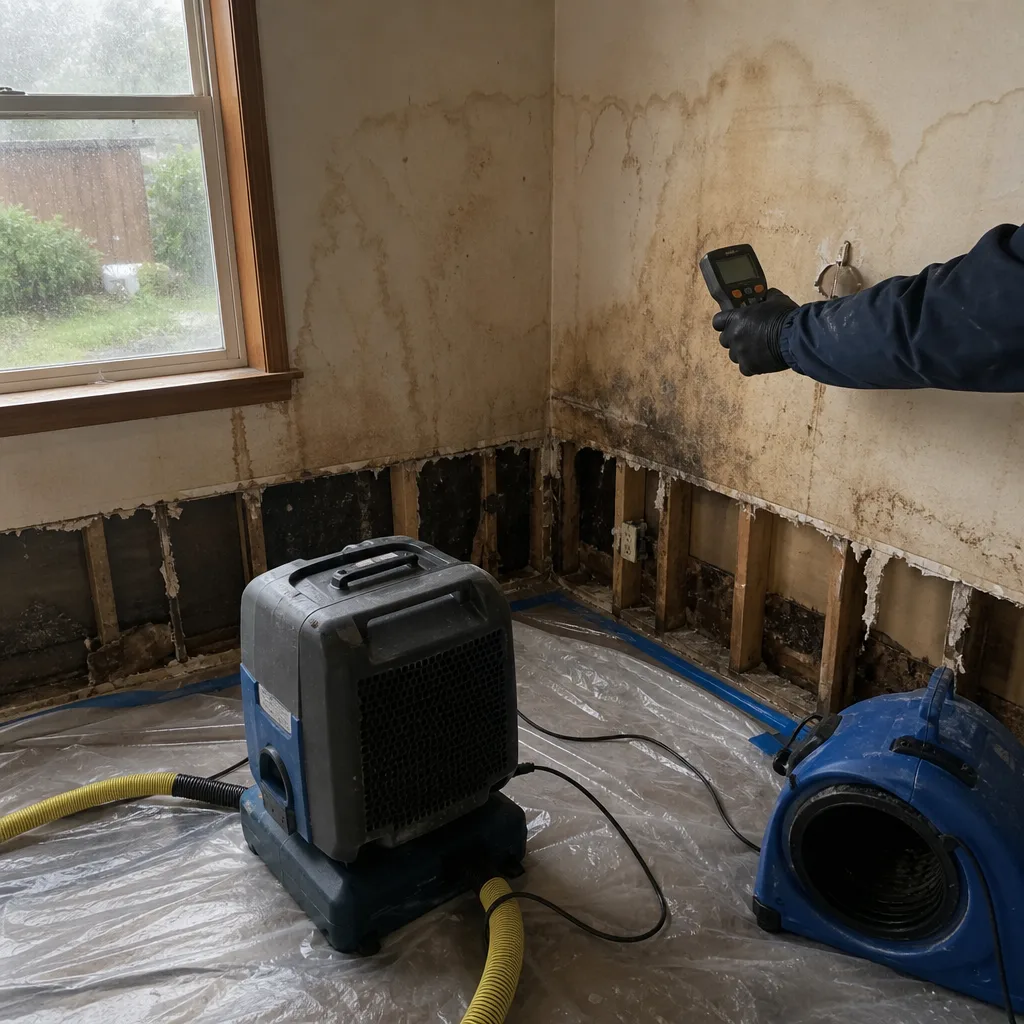 Before
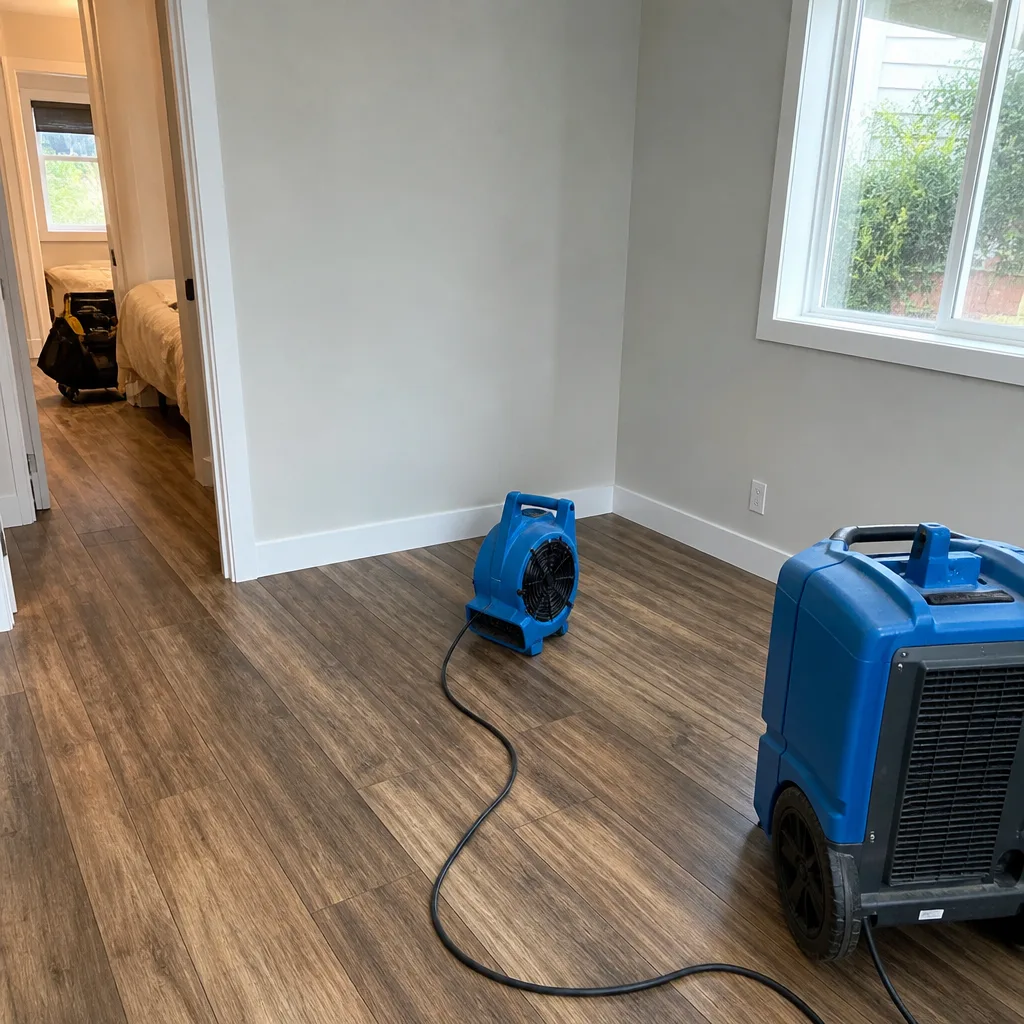 After
AfterFast, Reliable Fire & Smoke Damage Restoration Across SeaTac
Fire damage restoration in SeaTac typically runs $4,200-$18,500 depending on the extent of structural involvement, with emergency board-up and tarping available within 60-90 minutes of your call. Our crews are dispatched from our Seattle office and serve SeaTac directly, carrying the specialized containment, air-scrubbing, and deodorization equipment needed for the city’s unique housing stock. Call (425) 671-5392 any hour; a live person answers, never voicemail, and we’ll have a written scope in your hands before any work begins.
SeaTac’s homes carry a restoration profile you won’t find in neighboring cities. Thousands of properties under Sea-Tac Airport flight paths were retrofitted through the Port of Seattle’s Residential Sound Insulation Program, sealed with added wall and attic insulation over original 1950s-1970s construction that never had interior vapor barriers. After a fire, smoke odor and soot migrate into those insulated cavities and stay there, trapped by the same tight envelope that keeps jet noise out. Our Fire & Smoke Damage Restoration team has handled this exact scenario repeatedly from McMicken Heights to Angle Lake, and we know where to look before declaring a job complete.
Why DryMark Restoration Seattle Is SeaTac’s Preferred Fire & Smoke Damage Restoration Company
We’ve restored more than 12,000 homes since 2011, every one with a written price before work started and a documented photo record when the crew left. That volume includes hundreds of fire and smoke jobs in SeaTac alone, from kitchen grease fires in original 1960s ramblers to electrical panel fires in Port-retrofit split-levels along S 188th St. Our reviews from SeaTac customers consistently cite two things: the crew showed up fast, and the documentation held up with the insurance adjuster.
Response time to SeaTac averages under 90 minutes for emergency calls placed through our 24-hour live dispatch. We don’t route you through a call center in another state. The person who answers can see crew availability in real time and will tell you exactly when to expect our truck at your SeaTac address.
Local knowledge matters because SeaTac’s building stock doesn’t behave like newer construction. The combination of original fiberboard sheathing, added rigid foam or fiberglass batts from the Port program, and minimal subfloor vapor barriers creates a layered system where moisture and smoke residues hide between materials that shouldn’t touch each other. We’ve mapped this failure mode enough times to know the moisture readings that signal trouble behind the drywall.
Our Fire & Smoke Damage Restoration Services in SeaTac
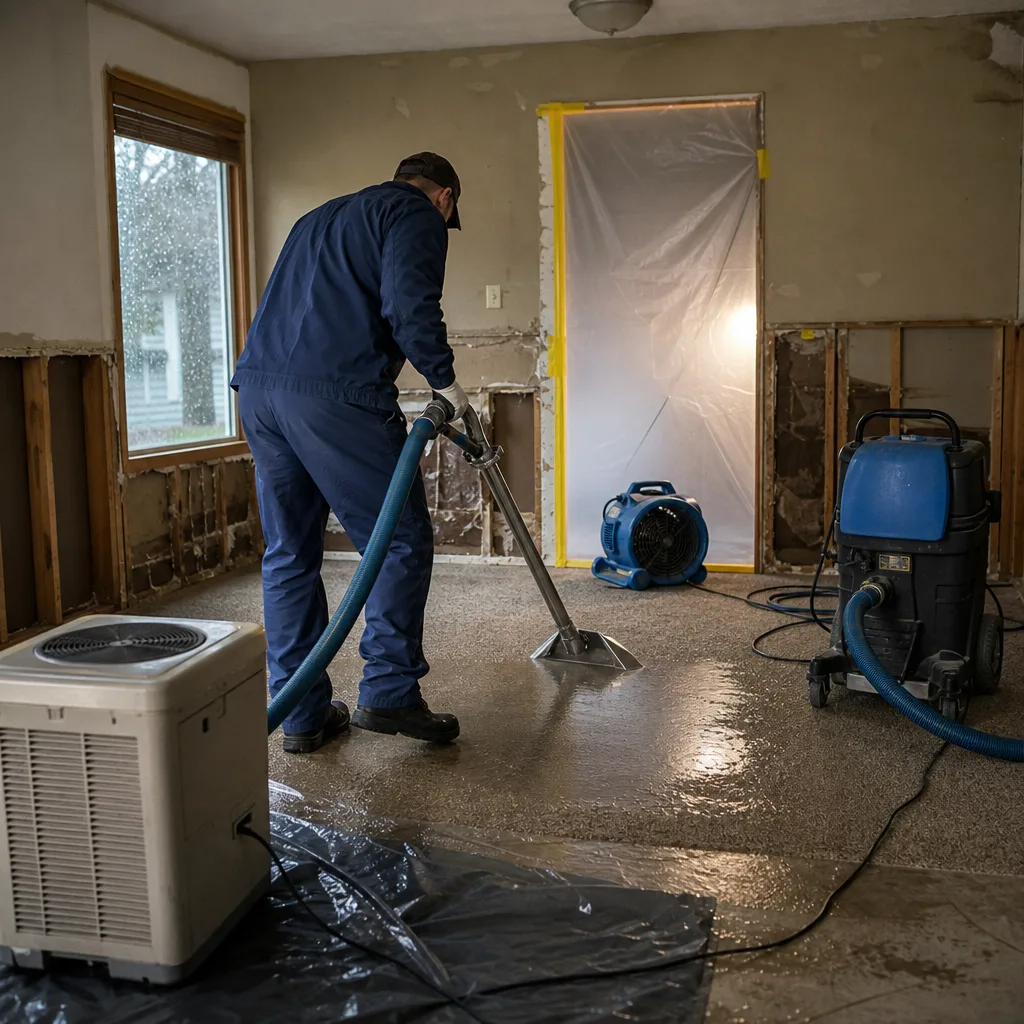
Fire Damage Cleanup
Fire damage cleanup in SeaTac starts with a documented site assessment: photo record, moisture mapping, and material classification by trade name. We separate charred structural members from salvageable framing, test for asbestos in pre-1975 construction, and deliver a written scope with line-item pricing before demolition begins. In SeaTac’s clay-heavy soils and high-water-table pockets, we also check crawl spaces for firefighting water intrusion that can wick into original subflooring within 48 hours.
Smoke & Soot Removal
Smoke and soot removal in SeaTac requires containment protocols designed for tightened envelopes. The Port’s sound-insulation retrofits create negative pressure dynamics that pull residues into HVAC ducts and wall cavities if you don’t establish proper isolation first. We seal return air grilles, establish negative air pressure within the work zone using HEPA-scrubbed exhaust, and clean surface soot with dry-sponge contact methods before applying any wet cleaning agents that could drive residues deeper into porous original materials.
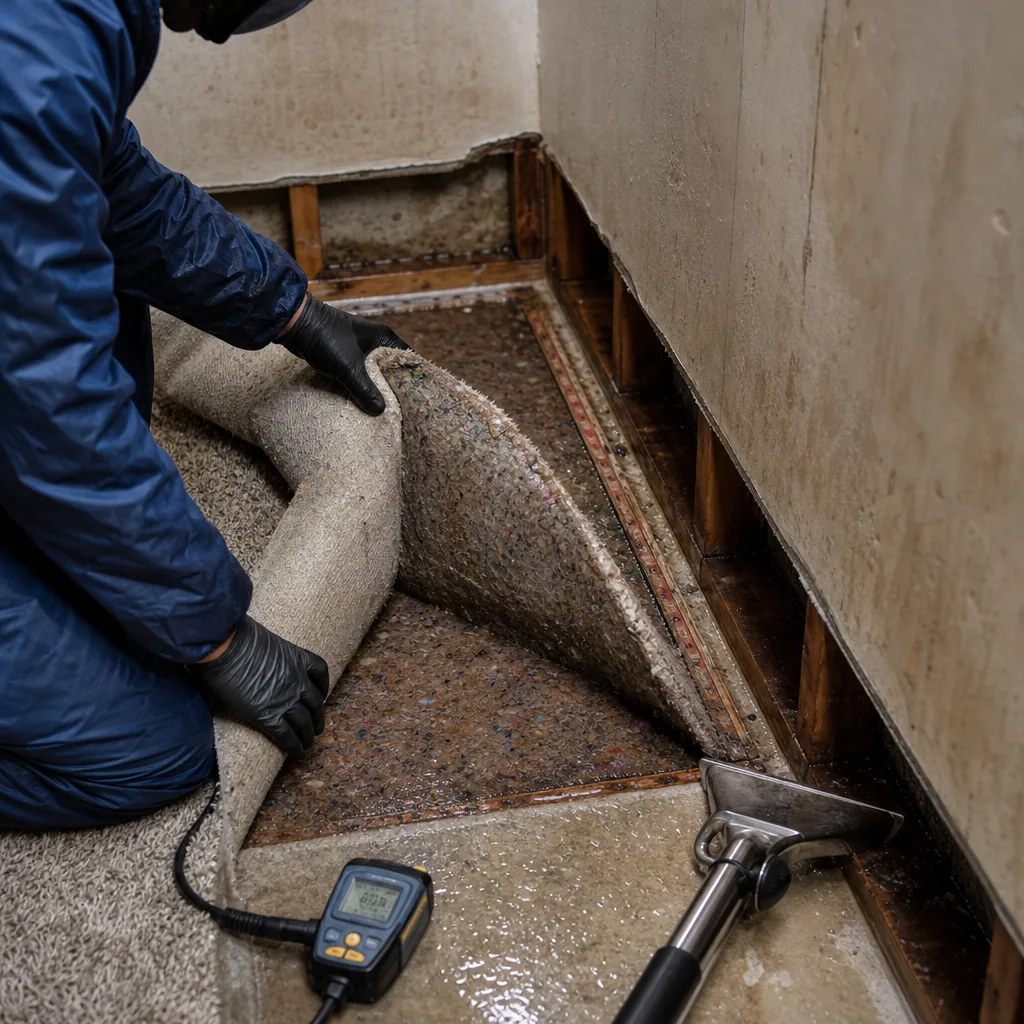
Odor Removal & Deodorization
Odor removal in SeaTac homes often fails when technicians treat the air without addressing the insulation cavities. The Port program’s added batts and rigid foam board trap smoke odor molecules that thermal fogging alone won’t reach. Our protocol includes selective removal of affected insulation, antimicrobial treatment of the cavity between new insulation and original fiberboard sheathing, and controlled dehumidification to bring the structural cavity below 60% relative humidity before sealing. We document psychrometric data, vapor pressure differential, and moisture content readings at each phase.
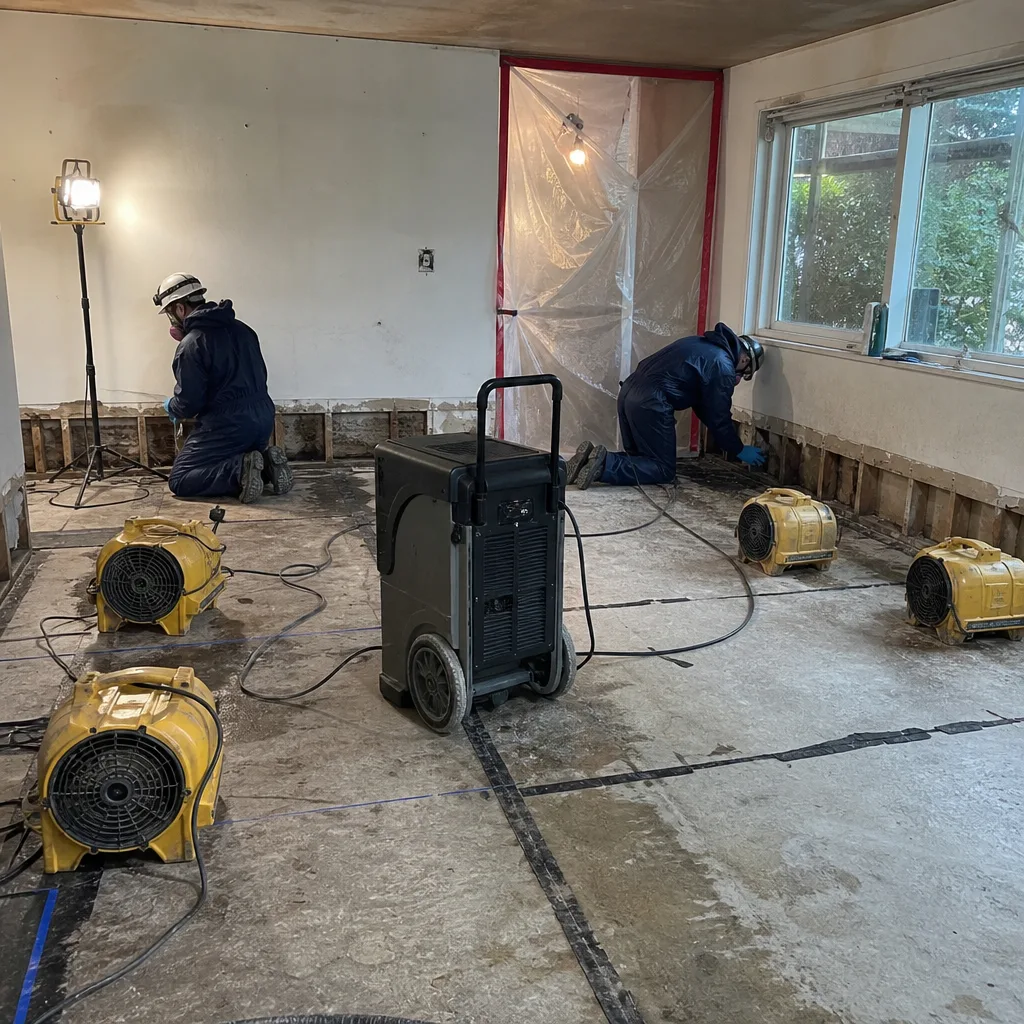
Contents Cleaning & Pack-Out
Contents cleaning and pack-out in SeaTac follows a triage system: salvageable items are inventoried, photographed, and transported to our cleaning facility; non-salvageable items are documented for insurance replacement value. For SeaTac’s smaller-footprint 1950s-1970s homes, space constraints often mean we pack out early to allow structural work to proceed. Every item receives a condition tag linked to your job file, with photo documentation at pickup and return.
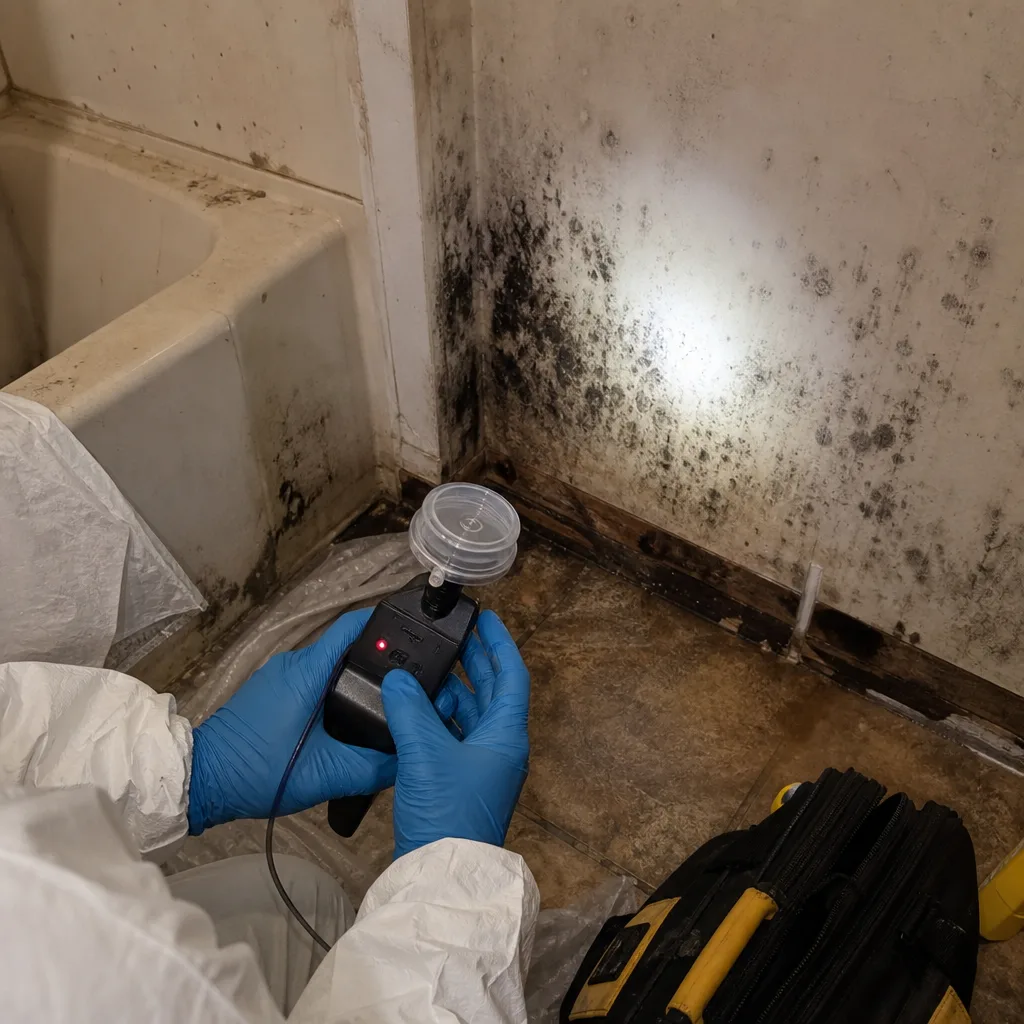
Emergency Board-Up & Tarping
Emergency board-up and tarping in SeaTac is available 24 hours with our live dispatch. We secure compromised openings with fire-rated plywood and weather-resistant tarps, document the pre-existing condition of all openings with photos, and provide that record directly to your adjuster. For homes with Port-installed sound-insulated windows, we source matching replacement specifications to maintain noise-mitigation compliance.
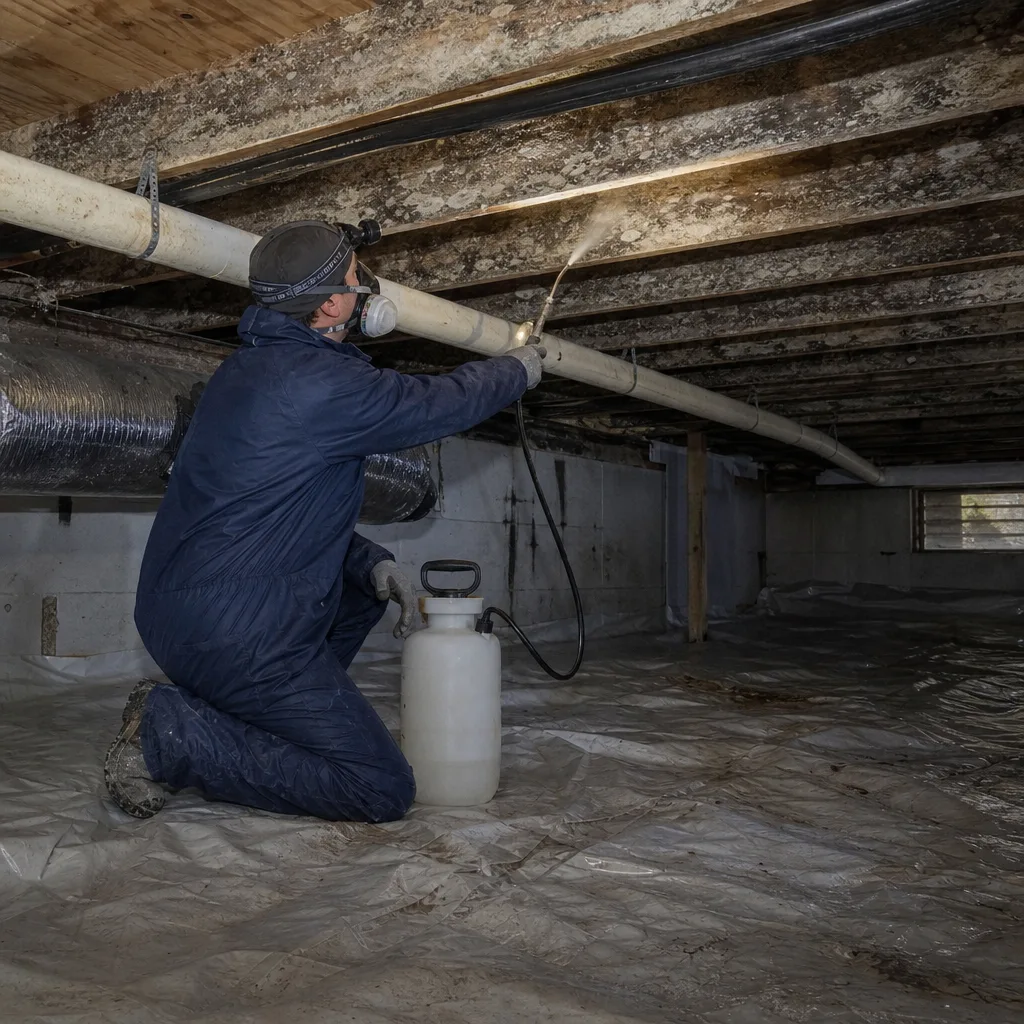
Structural Fire Repair
Structural fire repair in SeaTac addresses charred framing, compromised subflooring, and damaged electrical systems with permit-ready documentation. We coordinate with the City of SeaTac’s building department for required inspections, provide engineered repair specifications when load-bearing members are involved, and schedule work in phases so you’re not paying for reconstruction while mitigation is still active.
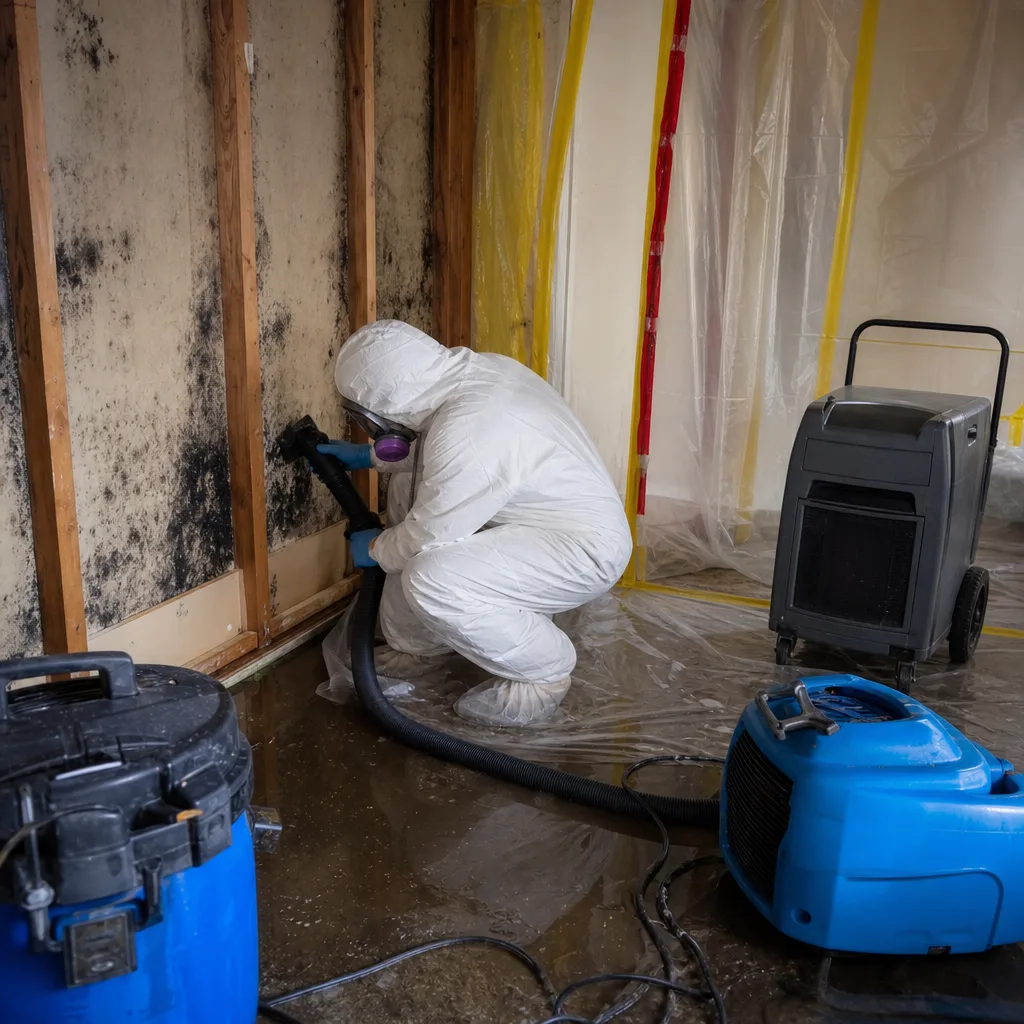
What happens when you call
- 1
A real person answersNo phone trees - you reach a local pro.
- 2
You get an upfront price rangeHonest numbers before anyone is dispatched.
- 3
A background-checked tech heads outLicensed & insured, dispatched right away.
- 4
You approve before work beginsNothing starts until you say go.
BeforeAfterTrusted Brands We Service in SeaTac
Our equipment inventory for SeaTac fire restoration includes HEPA air scrubbers, hydroxyl generators, and thermal fogging systems from Dri-Eaz, Phoenix, and Injectidry, with documentation to IICRC, RIA, and IFA standards. We stock local replacement materials compatible with SeaTac’s common building eras, including fire-rated drywall, matching window specifications for Port-retrofit homes, and subfloor vapor barrier products suited to clay-heavy crawl spaces. Parts availability means faster turnaround on structural repairs without waiting on special orders.
Common Fire & Smoke Damage Restoration Problems We See in SeaTac Homes
- Smoke odor trapped in sound-insulation cavities. The Port of Seattle’s retrofits added insulation layers that original 1960s construction was never designed to host. Smoke penetrates the gap between new batts and old fiberboard sheathing, and standard surface deodorization never reaches it. We find this in roughly one-third of SeaTac fire jobs, almost never in neighboring cities with fewer retrofitted homes per block.
- Secondary mold growth behind added insulation. Firefighting water plus SeaTac’s 80%+ ambient humidity during wet season creates vapor pressure that drives moisture into insulated wall cavities. Original fiberboard sheathing wicks that moisture and grows mold within 72 hours if the cavity isn’t opened and dried. We moisture-map these cavities as standard protocol, not as an upsell.
- Negative pressure spreading soot during cleanup. The tightened envelope from sealed windows and added insulation creates pressure differentials that pull soot from the fire room into clean areas if containment isn’t established before work starts. We’ve documented this spread pattern in SeaTac’s smaller rambler floor plans where one open door connects the entire living space.
- Crawl space water intrusion complicating structural drying. SeaTac’s flat terrain, clay-dense glacial till soils, and high water table in low-lying areas mean firefighting water often pools in crawl spaces rather than draining. That standing water keeps subfloor moisture readings elevated and can require dedicated crawl-space dehumidification running parallel to interior structural drying.
Pricing for Fire & Smoke Damage Restoration in SeaTac, WA
Fire damage restoration pricing in SeaTac reflects the structural complexity of local housing stock and the additional steps required for Port-retrofit homes. Emergency board-up and tarping typically runs $800-$2,400 depending on opening count and height access. Smoke and soot removal with surface deodorization for a single-room fire in a standard rambler ranges $3,500-$7,800. Full structural restoration involving cavity drying, insulation removal, antimicrobial treatment, and rebuild in a Port-retrofit home with hidden smoke damage runs $12,000-$28,000. Contents cleaning and pack-out adds $1,200-$4,500 based on inventory volume.
What affects cost: the square footage of affected area, whether the Port’s sound insulation requires selective removal, the presence of asbestos in pre-1975 construction, and whether firefighting water has intruded into crawl spaces requiring subfloor drying. Haven Standard, Clause 1 applies on every job: a written price before any work starts, with no scope-creep additions once the crew is inside. We also provide a Free Second Opinion on any competitor’s written estimate.
We Also Serve Cities Near SeaTac
Our Fire & Smoke Damage Restoration in SeaTac crews also respond to fire damage calls in Seattle, Kirkland, Bellevue, and Manchester. Each city carries its own building-stock profile, and we adjust our protocols accordingly rather than applying a single template across different housing eras and local conditions.
Serving SeaTac, WA - Our Local Coverage Area
We’re based in the SeaTac area and know this community well. Use the map below to see our service coverage - if you’re nearby, we can almost certainly help.
FAQs - Fire & Smoke Damage Restoration in SeaTac
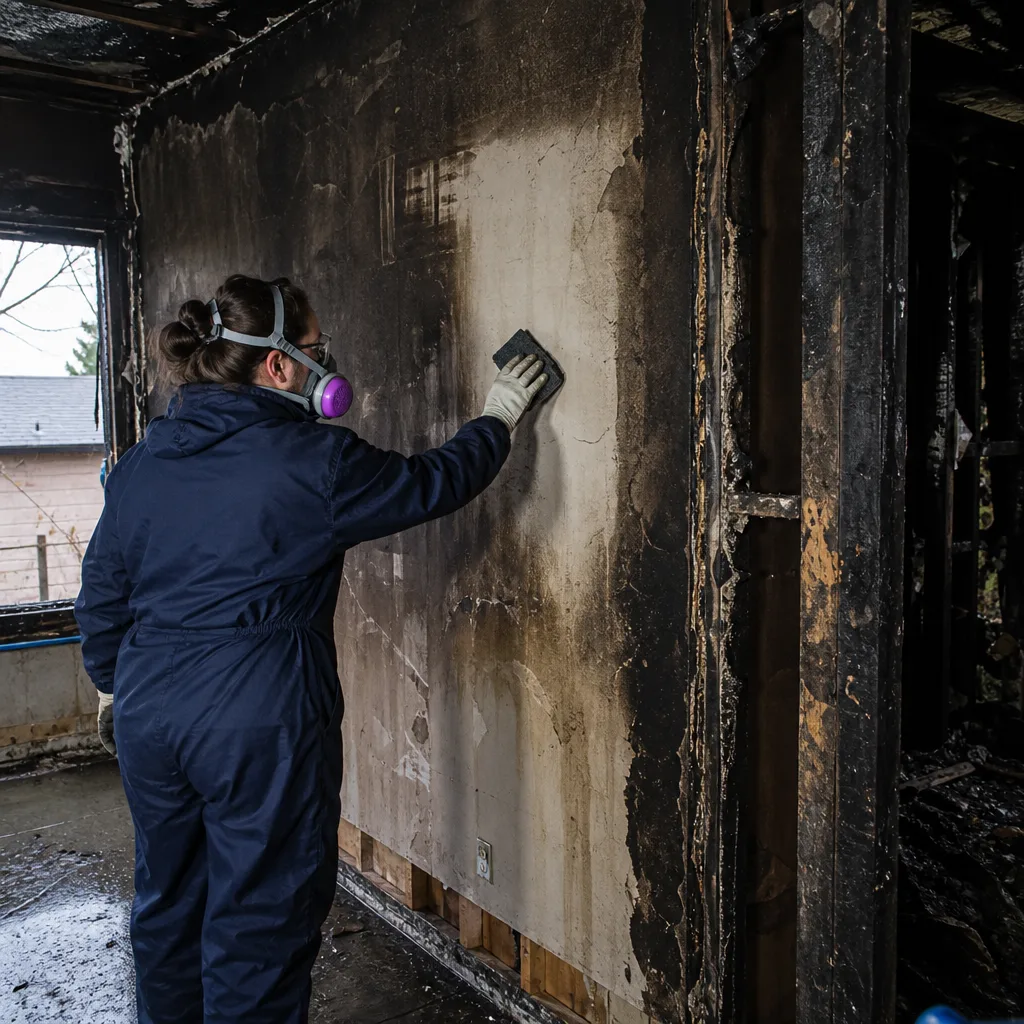
SeaTac’s Port-retrofit homes trap moisture in added insulation cavities that original 1960s construction never had, and firefighting water in those cavities against 80%+ ambient humidity creates mold growth on original fiberboard sheathing within 72 hours. We moisture-map wall cavities as standard on every SeaTac fire job and treat antimicrobial before sealing. Call (425) 671-5392 for an exact scope - estimates are free.
We remove affected insulation batts or rigid foam, treat the cavity with thermal fogging and hydroxyl generation, dry the structural cavity below 60% relative humidity with documented psychrometric readings, and replace with new insulation before sealing. Surface deodorization alone fails in SeaTac’s retrofitted homes because odor molecules bind to the foam and batts the Port program installed. Call (425) 671-5392 for an exact scope - estimates are free.
Yes. Emergency board-up and tarping is available within 60-90 minutes of your call, and contents pack-out begins as soon as the site is secure and inventoried. We photograph every item at pickup, clean salvageable contents at our facility, and return them when structural work is complete. Call (425) 671-5392 for an exact scope - estimates are free.
SeaTac has a far higher concentration of Port of Seattle sound-insulation retrofits per block, meaning smoke odor and moisture hide in added insulation cavities that don’t exist at this density in Tukwila or Burien. Our crews carry specialized cavity-access equipment and moisture-mapping protocols developed specifically for SeaTac’s retrofitted housing stock. Call (425) 671-5392 for an exact scope - estimates are free.
Yes. All work is documented to IICRC, RIA, and IFA standards, with daily moisture logs, photo records on every visit, and written scopes delivered before work begins. These documents are structured for direct adjuster submission, turning restoration invoices into payable claims without documentation fights. Call (425) 671-5392 for an exact scope - estimates are free.
Written by Alicia Brennan, Owner at Back to Dry Restoration, serving SeaTac since 2011 under The Haven Standard.